The Sun
Sol, the radiant face
Gold, the perfected metal, and the illuminated intellect. The most overloaded symbol in the tradition.
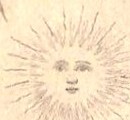
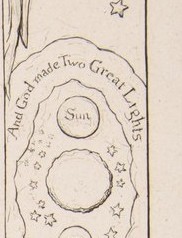
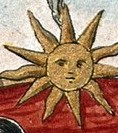
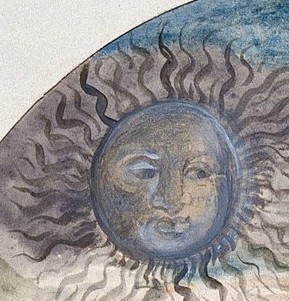
Sixty works in this archive carry the sun, and the voices that speak for it do not mean the same thing by it. That disagreement is the entry. The moon shares most of these pictures and almost none of these meanings, and has an entry of its own.
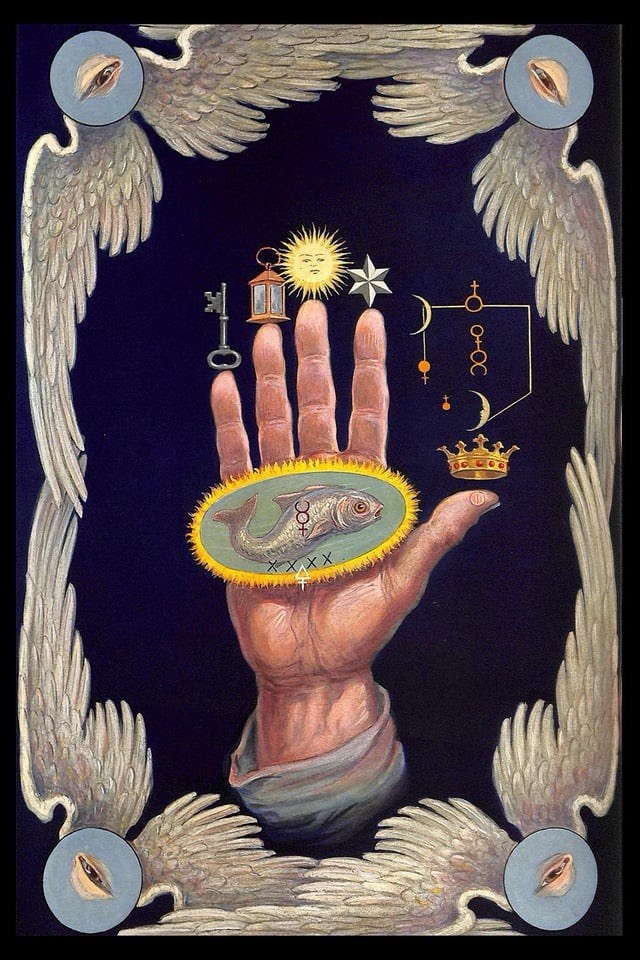
For Manly P. Hall, writing under his own plate in 1928, the sun on the middle fingertip of the Hand of the Mysteries is “the luminescence of creation through which man may learn the mystery of all creatures which express through form and number”. It is a light to read the world by. The seventeenth-century Hand of the Philosophers, which this archive files under Hollandus and which the record says is disputed as to authorship, does not treat it as a light at all. There the sun is a substance, sal ammoniac, ranked in the work below saltpetre and vitriol and above nothing else; those are the archive's words for it, not his, because what we hold is a reading of the text and not a quotation from it. The same glyph, the same finger, the same lineage of pictures, and one reading means illumination while the other means a salt that could be bought by the pound. The Encyclopédie's table of 1763 sides with the chemists without argument: the sign of the sun stands there for gold, Or, and the plate's rule is that “Le nom de la chose est à côté du caractere qui la désigne”, the name of the thing is beside the character that denotes it.
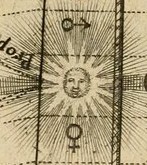
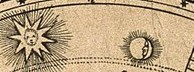
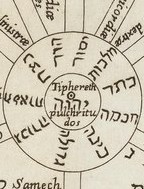
For Robert Fludd in 1617 the sun is a god, with a qualification he is careful to make: “Solem naturae DEUM, sed creatum”, the Sun, the god of nature but a created one, which receives all its light from God and passes it down, so that the earth “eandem cum Sole correspondentiam, quam habet Sol cum DEO excelsissimo”, stands in the same correspondence to the Sun as the Sun does to God most high. Hall, captioning Fludd's monochord three centuries later, puts it in a sentence: “The sun is the lower octave of the highest heaven and the earth the lower octave of the sun.” On the mirror of nature Fludd hangs the sun on the breast of Nature herself, “vera Solis coelestis sedes matrixque”, the true seat and womb of the heavenly Sun, with the moon in her belly. Kircher's plate sets the sun's sign on Tiphereth, the sixth circle at the centre of his tree, and his chapter lists “ortus solis”, the rising of the sun, among its attributes: it is, he says, “Causa est omnis harmoniae & pulchritudinis, quam in vniuerso intuemur”, the cause of all the harmony and beauty we behold in the universe.
For A. E. Waite in 1911 the sun is consciousness itself, “the direct as the antithesis of the reflected light”. His Sun card is a passage out of one world into another: “The card signifies, therefore, the transit from the manifest light of this world, represented by the glorious sun of earth, to the light of the world to come, which goes before aspiration and is typified by the heart of a child.” And he is exact, as he usually is, about which part of the picture is old: “The luminary is distinguished in older cards by chief rays that are waved and salient alternately and by secondary salient rays.” The reflected light he is measuring his sun against is the moon's, and the sentence he wrote under it is quoted where it belongs.
Maier's sun of 1618 is a substance before it is a light, and across the fifty emblems it seldom acts alone. It is whitened with its sister in their mother Latona; it rises at the left of the forty-seventh; and in the forty-fifth its own shadow finishes the work, “Sol & ejus umbra perficiunt opus”. The thirtieth emblem states the dependence outright and gives the line to the moon rather than to him, which is why it is quoted on her page and not on his. In the alchemists' book the sun is one of two things in a vessel, and the argument between them is the work.
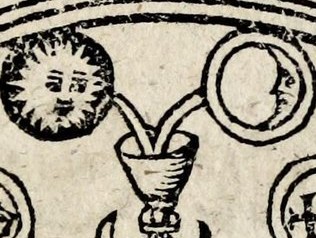
Dee's Monas of 1564 makes the two lights the head of one sign: a crescent whose horns hold a circle with a point at its centre, standing on the cross of the elements and the sign of Aries. His eleventh theorem letters the parts “Luna. Sol. Elementa. Ignis.” and gives the rule, “Monadis istius, Luna et Sol, sua separari volunt elementa, in quibus denaria vigebit proportio; idque ignis fieri ministerio.”, that the Moon and the Sun of this Monad wish their elements to be separated, and that this be done by the ministry of fire; the fourteenth says where the pair comes from, “Ex Sole et Luna, totum hoc pendere Magisterium iam clare confirmatum est.”, that this whole mastery hangs from the Sun and the Moon. Khunrath cut the sentence of Hermes that stands behind that claim into his rock in 1609, and on his title set the sun over the obelisk of prayer and the moon over the obelisk of work with “Sol. Luna.” lettered at their feet; on his plate of the Name the sun at the centre has Christ standing in it, with “In hoc signo vinces.” round the rim. For Dee the two lights are the top of a glyph; for Khunrath they are the two posts of a door and, once, the place where God became a man.
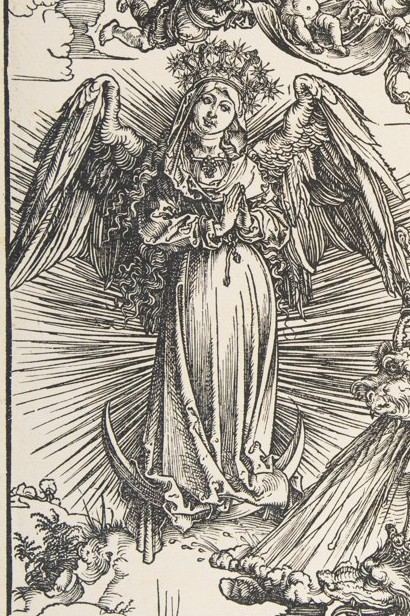
And in the Apocalypse the sun is neither meaning nor matter but clothing. “A woman clothed with the sun, and the moon under her feet, and on her head a crown of twelve stars.” Dürer cut that sentence into wood in 1511 and Denis Molinier painted it again in 1772, both working from the same words.
A light, a salt, a metal, a created god, a married pair, a state of mind and a garment, across four centuries of one picture-language. The archive does not choose between them. It shows you which is which, and who said so.
Contested
The alchemical sun and the astrological sun are not obviously the same sun, and nothing this archive holds settles it. The Hand of the Philosophers is talking about a material in a vessel; Hall is talking about a faculty of mind; Fludd about a body in the sky that is also a god; Waite about a state of consciousness. Whether these are uses of one symbol or several symbols wearing one face is a real question and no source here answers it.
Two of the readings are also flagged in the record rather than settled. Hall's caption is a transcription that has not yet been read against the printed 1928 page. The Hand of the Philosophers reaches us through Leone Muller's English of 1986, not yet read against a seventeenth-century printing, and the authorship of the Hollandus texts is disputed. Neither is quoted here as though it were certain. Fludd's and Kircher's Latin and the Encyclopédie's French are put into English by the archive, with the originals on the records; Lévi is quoted in Waite's translation of 1896. Dee's and Khunrath's Latin is read off their pages and put into English by the archive, with the originals on the records.
Where a work in this archive carries the sun and nobody has read it, the mark says so. The sun and moon painted in the corners of Knapp's Abraxas are the standing example: Hall's own caption reads the figure and never names them, so they are recorded as observed and left unread. So are the signs of the sun and moon cut on Agrippa's man in the pentagram, which his chapter does not name.
Sources
- Manly P. Hall, The Secret Teachings of All Ages, 1928: The plate caption to the Hand of the Mysteries. Transcribed, not yet read against the printed page.
- Hollandus, attributed, The Hand of the Philosophers, 17th c.: Through Leone Muller's English translation, RAMS, 1986. Not yet read against a seventeenth-century printing, and the authorship of the Hollandus texts is disputed.
- A. E. Waite, The Pictorial Key to the Tarot, 1911: Part II, on the Sun and the Moon of the 1909 deck drawn by Pamela Colman Smith.
- The Apocalypse of Saint John, Douay-Rheims, Challoner revision: Chapter 12, verse 1, the woman clothed with the sun. Quoted from the Challoner text, checked verse by verse against the printed edition.
- Robert Fludd, Utriusque cosmi historia, 1617: The explanation of the mirror of nature and the chapter on the music of the world in the first tractate, Oppenheim 1617, read in the Latin of the Getty Research Institute copy with the archive's English beside it.
- Athanasius Kircher, Oedipus Aegyptiacus, 1653: The paragraph on Tiphereth in the chapter on the Cabala of the Hebrews, Rome 1653, read in the Latin of the Universidad de Sevilla copy with the archive's English beside it.
- The Encyclopédie, Recueil de planches, volume III, Chimie, 1763: The second plate of chemical characters and the sentence from its explanation that says how the table is to be read.
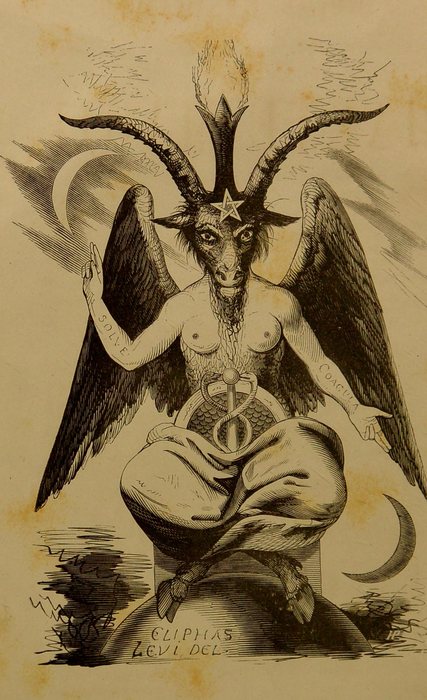
- Éliphas Lévi, Dogme et Rituel de la Haute Magie: The description of the frontispiece in the fifteenth chapter of the Rituel, quoted in Waite's translation of 1896 and checked against the 1861 French printing.
- Michael Maier, Atalanta Fugiens, 1618: The mottoes and epigrams of the fifty emblems, Oppenheim 1618, read against the page images of the Getty Research Institute copy; the English is the archive's own and is marked as such on every record. Maier's discourses, in which he explains each emblem at length, are not yet transcribed.
- John Dee, Monas Hieroglyphica, 1564: The lettering of the figures and the theorems beside them in the Frankfurt printing of 1591, read off the page images of the Getty Research Institute copy; the English is the archive's.
- Heinrich Khunrath, Amphitheatrum Sapientiae Aeternae, 1609: The lettering of the plates of the Amphitheatrum, Hanau 1609, read off the page images of the Wellcome and Paris copies at the size of the archive's own images; the Hebrew and Greek are given in transliteration and the English is the archive's.
On the same plate
Where it appears · 60
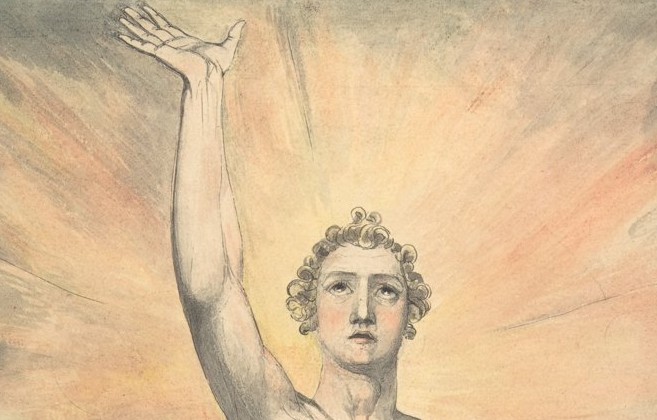
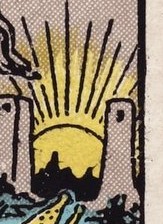
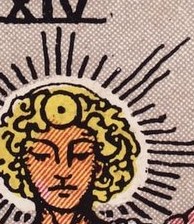
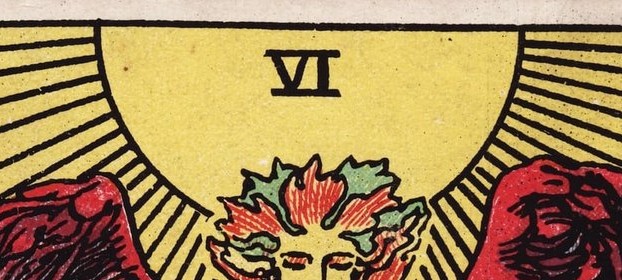
60 works in the archive carry the Sun. First the 47 where it has been read, with the Sun itself picked out.

The Hand of the Mysteries
The Fool (0)
Integrae Naturae Speculum Artisque Imago
Monochordum Mundanum, the Divine Monochord
Man the Microcosm, the title page of Utriusque Cosmi Historia
Systema Sephiroticum, the Tree of the Sephiroth

Jungfrau Sophia, the Virgin Wisdom

The Virgin with a Dragon at Her Feet
The Grand Man of the Zohar
The Apocalyptic Woman
Angel of the Revelation (Book of Revelation, chapter 10)
Death (XIII)
Temperance (XIV)

The Sun (XIX)
The Lovers (VI)
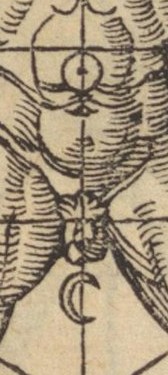
The Man in the Pentagram
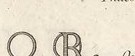
Caracteres de Chymie, plate II
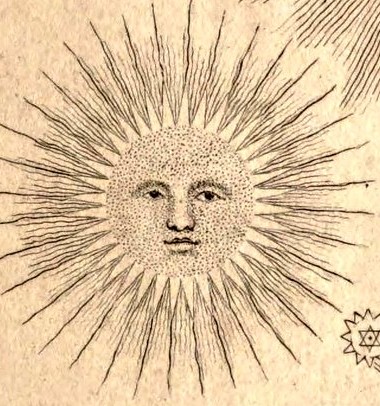
The All-Seeing Eye, the Sun, the Moon, the Comet and the Heart
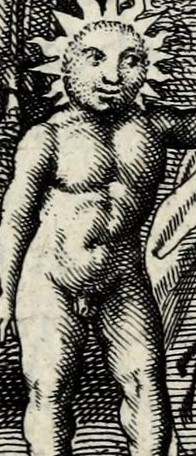
Dealbate Latonam & rumpite libros
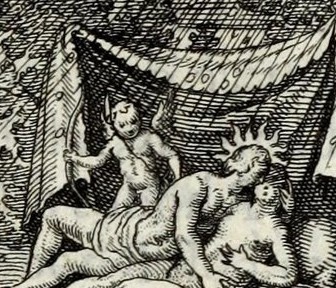
Aurum pluit, dum nascitur Pallas Rhodi, & Sol concumbit Veneri
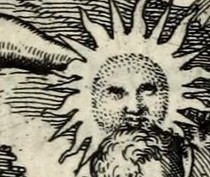
DRACO non moritur, nisi cum fratre & sorore sua interficiatur, qui sunt Sol & Luna
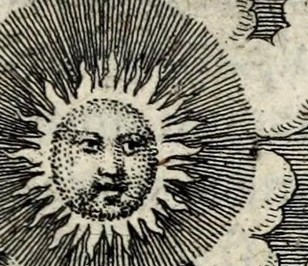
Sol indiget lunâ, ut gallus gallinâ
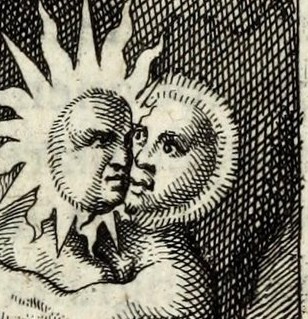
In balneis concipitur, & in aëre nascitur, rubeus verò factus graditur super aquas
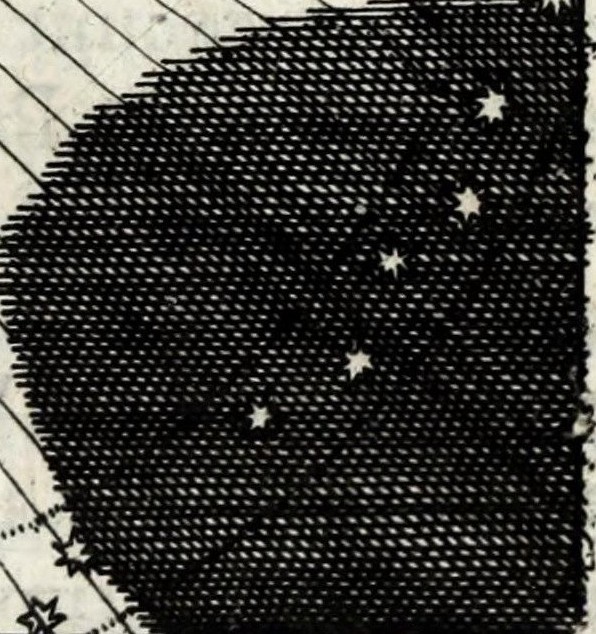
Sol & ejus umbra perficiunt opus
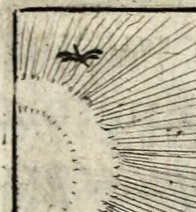
Lupus ab Oriente & Canis ab Occidente venientes se invicem momorderunt
The engraved title of the Amphitheatrum Sapientiae Aeternae
Designatio Pyramidum Petrosarum Triumphalium
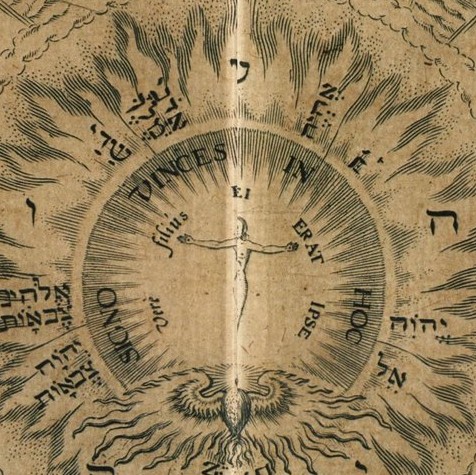
The Name in the pyramid, Christ in the sun, and the two commandments round the rim

Monas Hieroglyphica, the hieroglyphic monad on the title

Theorem XIV: the anatomy of the monad, the planets drawn out of it
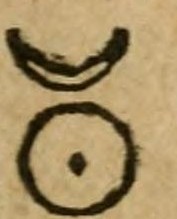
Theorem XI: the monad with its parts named

Theorem XVIII: the monad within the egg
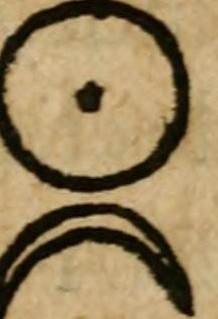
Theorem XX: the monad divided into its members
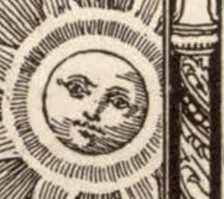
The Point Where the Sky and the Earth Touch
Master's Carpet
Verity
When the morning Stars sang together
The King with the Falchion, and the Blood of the Infants
The Sun and the Moon over the King and the Queen
The Bird of Hermes
Tabula Smaragdina Hermetis Trismegisti
The tree of the sun and the tree of the moon
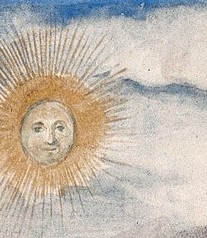
The young king with the sceptre of seven stars
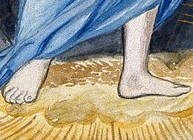
The queen in the crowned flask
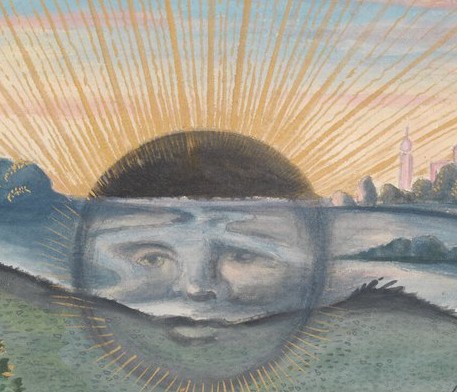
The black sun over the blighted country
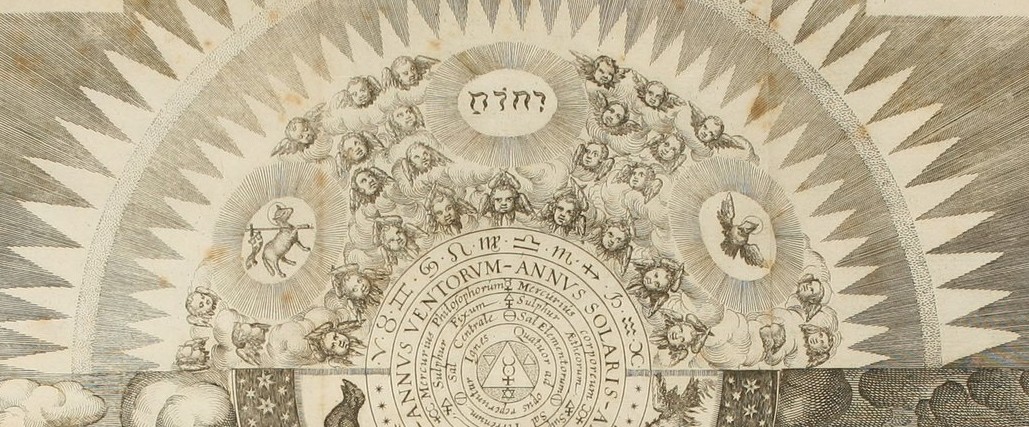
The operation of the sun, with the Emerald Tablet under it
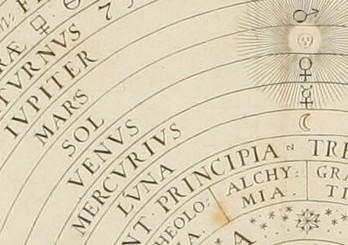
Mundus Elementaris, the world under the moon as a wheel
As the subject · 2
Works filed under the Sun as their central motif, not yet read symbol by symbol.
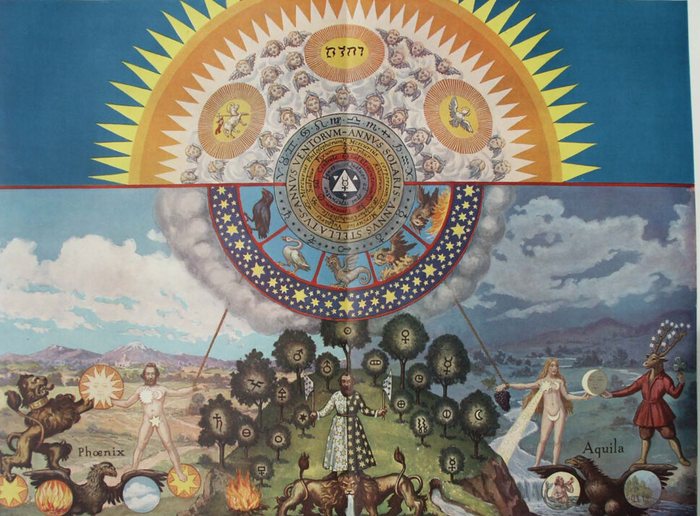
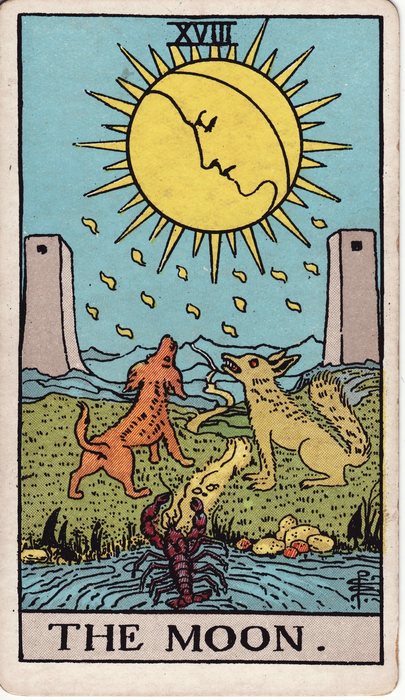
As a detail in 11 more
In these the Sun is somewhere in the picture, tagged by eye, and nobody has read it yet. When one of them is read, it goes out on a Sunday.
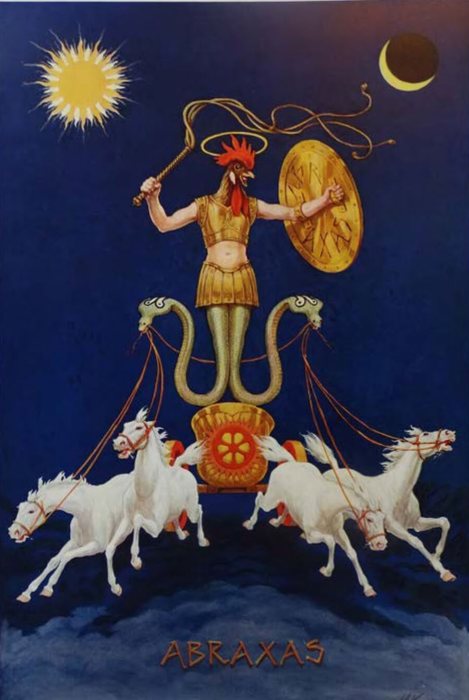 Abraxas, a Gnostic Pantheos
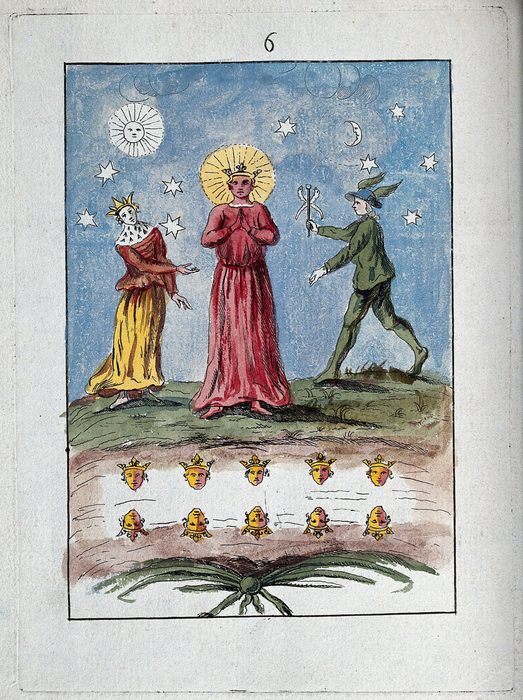 The Red King, the Queen and Mercury
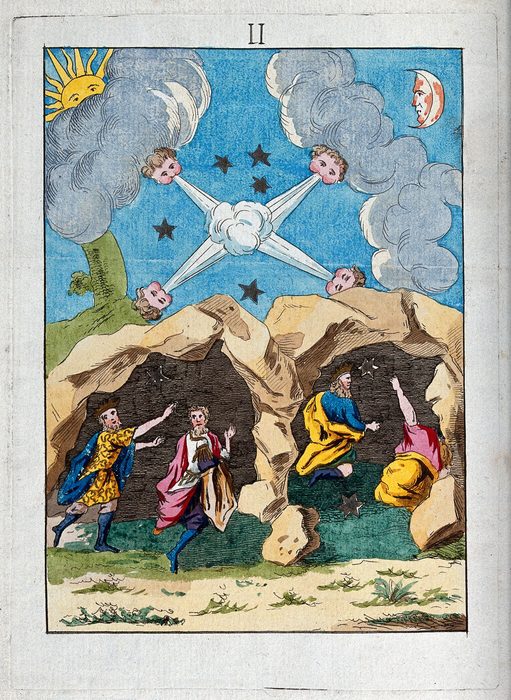 The Magi Sheltering in a Cave
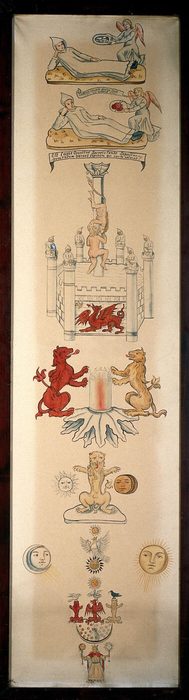 The Buried Stone, the Castle and the Beasts
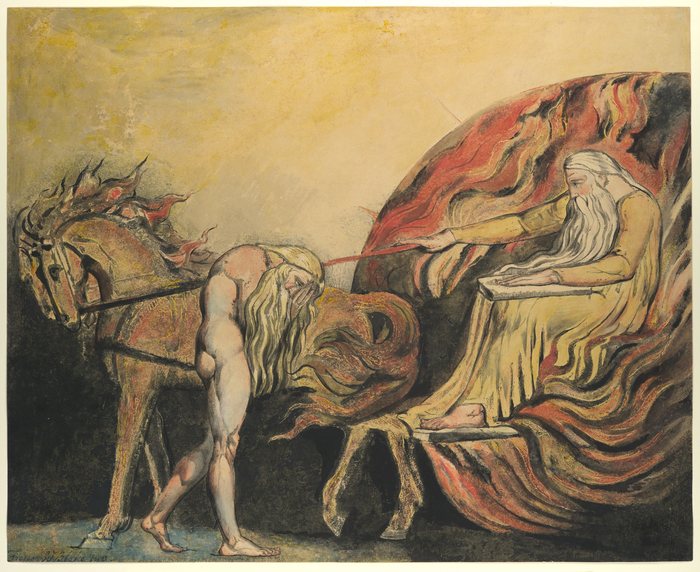 God Judging Adam
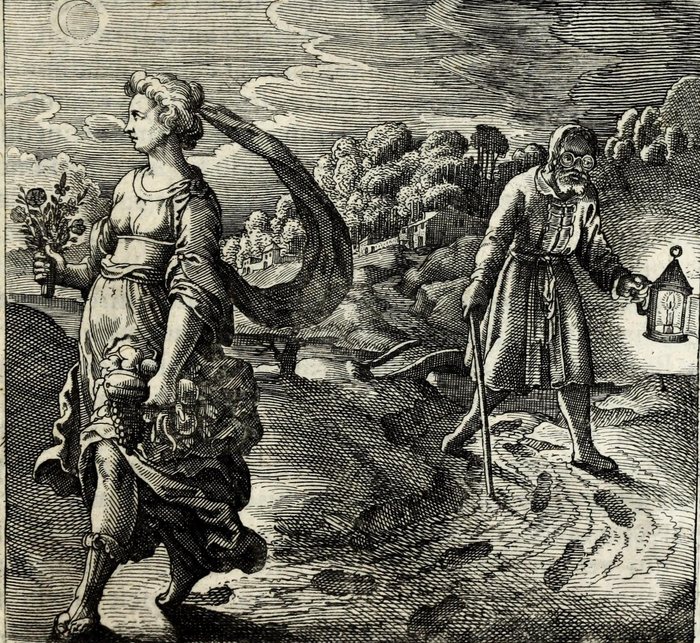 In Chymicis versanti Natura, Ratio, Experientia & lectio, sint Dux, scipio, perspicilia & lampas
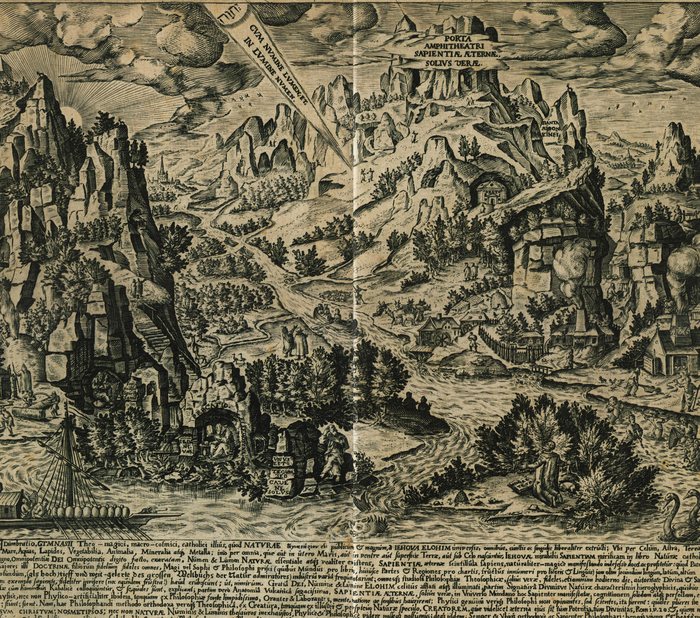 Adumbratio Gymnasii Theo-magici, macro-cosmici, catholici
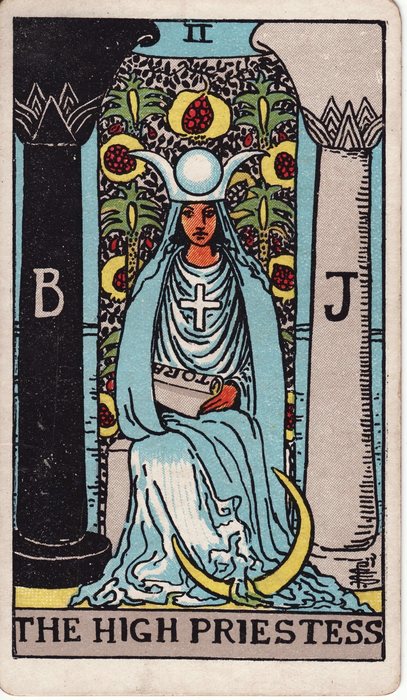 The High Priestess (II)
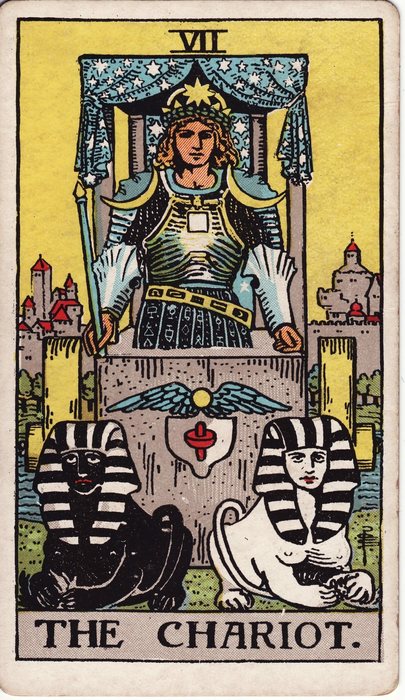 The Chariot (VII)
 Baphomet
 The red king in the crowned flask