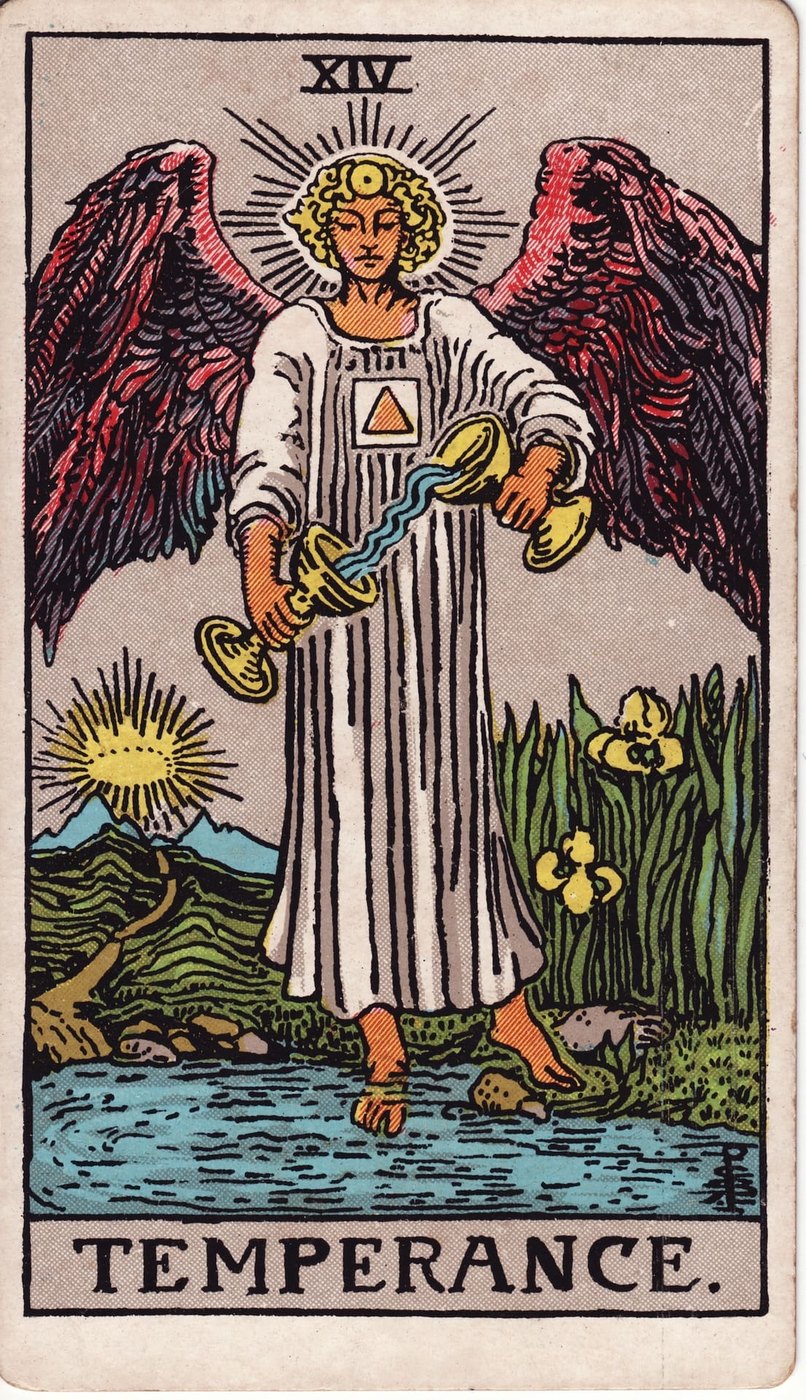
Temperance (XIV)
The Angel and the Wing as the central motif, with the Vessel, the Triangle and the Pyramid, the Sun and the Moon, the Crown, and the Water in a secondary part. From The 1909 tarot.
What is happening
Waite, 1911 “All the conventional emblems are renounced herein. So also are the conventional meanings, which refer to changes in the seasons, perpetual movement of life and even the combination of ideas.”
Waite, 1911 “Under that rule we know in our rational part something of whence we came and whither we are going.”
Key · 6 motifs
Tap a motif on the picture, or a line below. Its note opens under the line, with the reading its author gave it.
- Primary motif
- Secondary motifs · 4
The picture
A winged angel in white, a sun sign on the brow and a triangle within a square on the breast, pours water between two cups, one foot on the land and one in the pool; irises at the water's edge; a path leads to mountains and a crown of light; the Angel as the central motif, the Vessel, the Triangle, the Sun and the Crown by eye. By eye
The reading
The picture read whole, in the archive's words, from the sources quoted on the marks. Read on, and the picture follows: the motif under discussion keeps its colour.
Waite spends one paragraph naming what is on this card and the next one taking its meanings away. The old readings refer to the changing seasons, the perpetual movement of life, even the combination of ideas, and he renounces the lot of them, conventional emblems included. One verb survives the clear-out, and he saves it for the end.
The figure first, in Waite's own compact description: ‘A winged angel, with the sign of the sun upon his forehead and on his breast the square and triangle of the septenary.’ Then he stops to correct his own grammar: ‘I speak of him in the masculine sense, but the figure is neither male nor female.’ He corrects the obvious reading too. It is untrue, he says, to call the figure the genius of the sun, ‘though it is the analogy of solar light, realized in the third part of our human triplicity’. Body, soul and spirit: the angel is the third one, drawn at work.
The work is the pouring, and Smith draws it impossibly. Water crosses from the upper cup to the lower along a slant no water would take, and the angel stands with one foot on the bank and one in the pool, which Waite says illustrates the nature of the essences going between them. Irises grow where the bank meets the water. Waite never names them, so they are marked and left.
On the breast a triangle sits inside a square. Four and three make the septenary, the seven of the planets and of the week and of completeness generally in the old philosophy, and the angel wears the sum where a soldier wears a badge. It is the only piece of pure geometry on the card.
On the brow, a plain disc. Waite handles it carefully: not the sun, only the analogy of solar light. What sits on the forehead is what the light in the sky looks like once it has got inside somebody.
Behind all of this Smith opens a path. It runs to two peaks on the horizon with a great light between them and a crown showing vaguely through the light, and Waite loads that blur with the largest claim on the card: here is ‘some part of the Secret of Eternal Life, as it is possible to man in his incarnation’. Then the verb. Temperance is called that fantastically, he says, because when its rule obtains in our consciousness it ‘tempers, combines and harmonises the psychic and material natures’. The path to the crown starts at the water, where the angel is standing with a foot in each.
Decoded: every motif is marked, and each mark carries the reading its author gave it, quoted from the text, or says that it is observed on the picture and not read. The reading above is the archive's own, made from those sources and no others.
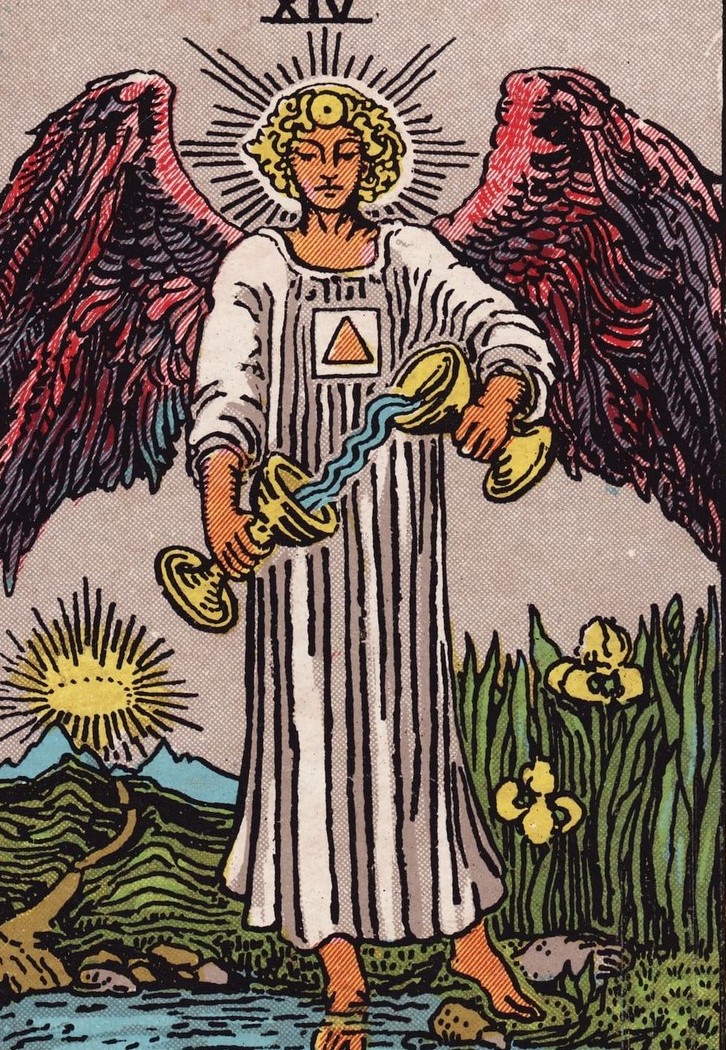
The mark of an errand rather than a nature. Note whether the wings are open, folded, or given to the figure by someone else.
In plain words A winged figure in a white robe stands with one foot on the land and one in the water, pouring from one cup to another. Waite calls it an angel and says it is neither male nor female. The name Temperance is old and, he says, fanciful; what the figure does is temper, that is, mix and balance, the soul and the body.
Waite, 1911 “I speak of him in the masculine sense, but the figure is neither male nor female.”
Waite, 1911 “It is, moreover, untrue to say that the figure symbolizes the genius of the sun, though it is the analogy of solar light, realized in the third part of our human triplicity.”
Waite, 1911 “It is called Temperance fantastically, because, when the rule of it obtains in our consciousness, it tempers, combines and harmonises the psychic and material natures.”
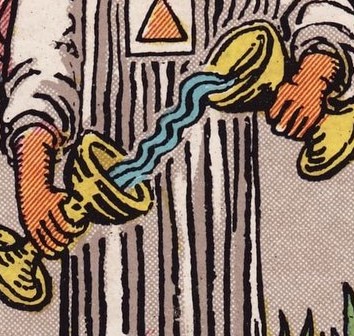
Never the subject. What is inside it is.
In plain words Two cups, and water passing between them in a slanting stream that defies gravity. Waite says the angel is pouring the essences of life from chalice to chalice. The card is about mixture, and the cups are the mixing.
Waite, 1911 “It is held to be pouring the essences of life from chalice to chalice.”
Waite, 1911 “It has one foot upon the earth and one upon waters, thus illustrating the nature of the essences.”
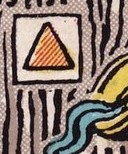
A number made visible. Count the points and then find what else in the picture comes in threes.
In plain words On the angel's breast is a triangle inside a square. Waite calls it the square and triangle of the septenary, that is, four plus three, seven, the number that the old philosophy used for completeness.
Waite, 1911 “A winged angel, with the sign of the sun upon his forehead and on his breast the square and triangle of the septenary.”
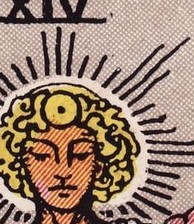
Gold, the perfected metal, and the illuminated intellect. The most overloaded symbol in the tradition.
In plain words The disc on the angel's forehead is the sign of the sun, Waite says, though he insists the figure is not the sun's spirit, only the likeness of solar light in the third part of the human being.
Waite, 1911 “A winged angel, with the sign of the sun upon his forehead and on his breast the square and triangle of the septenary.”
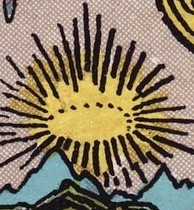
Completion, and in the Kabbalistic reading the first sephirah, the point at which the work is no longer yours.
In plain words At the end of the path that goes up between the mountains there is a great light, and in the light, Waite says, a crown is seen vaguely. He calls it some part of the Secret of Eternal Life.
Waite, 1911 “A direct path goes up to certain heights on the verge of the horizon, and above there is a great light, through which a crown is seen vaguely. Hereof is some part of the Secret of Eternal Life, as it is possible to man in his incarnation.”
Also carrying the Angel and the Wing
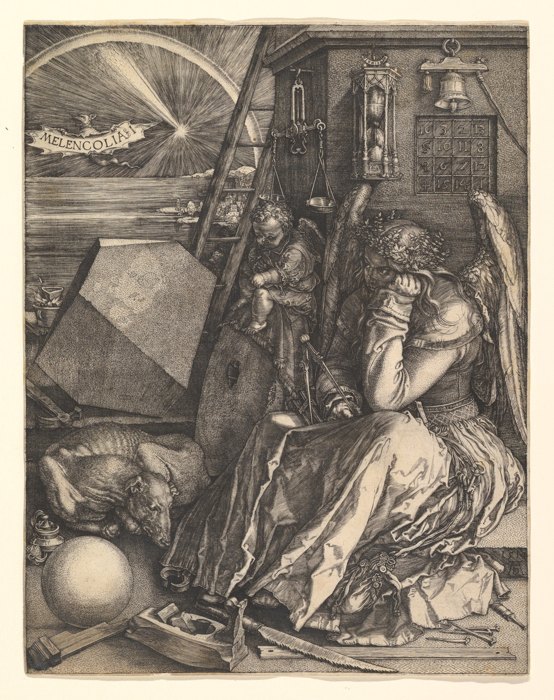
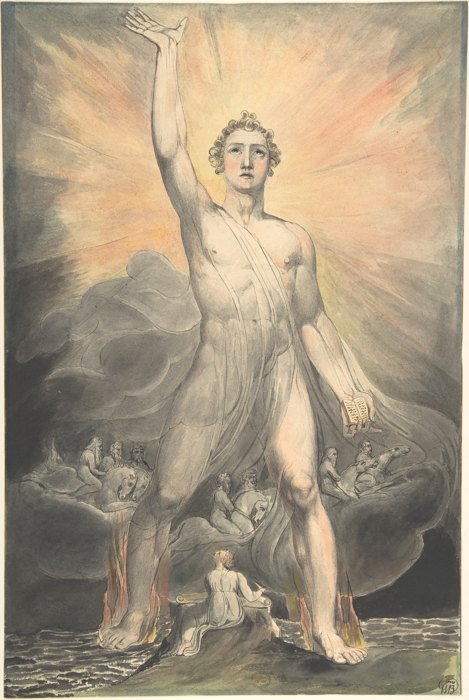
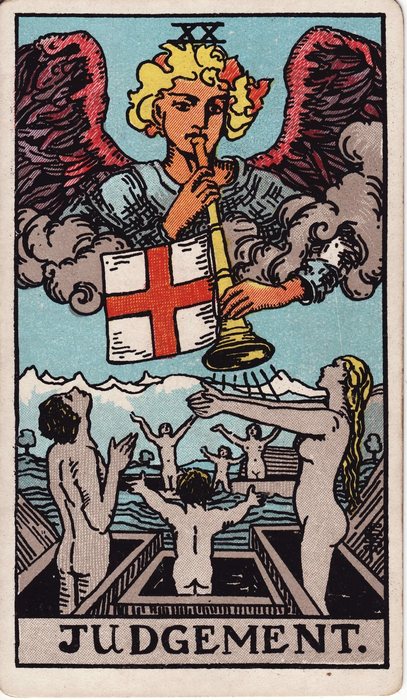
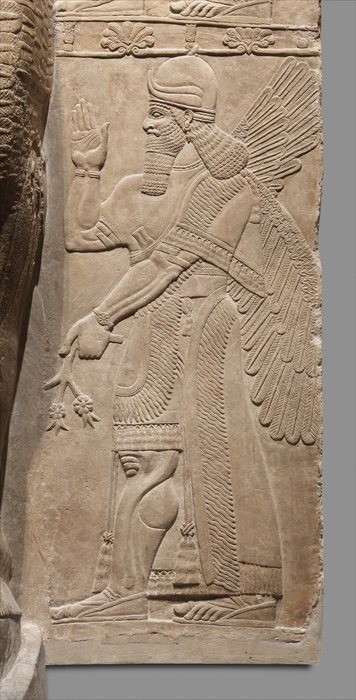
42 works carry it. The 6 where it is the central motif are here. The symbol.
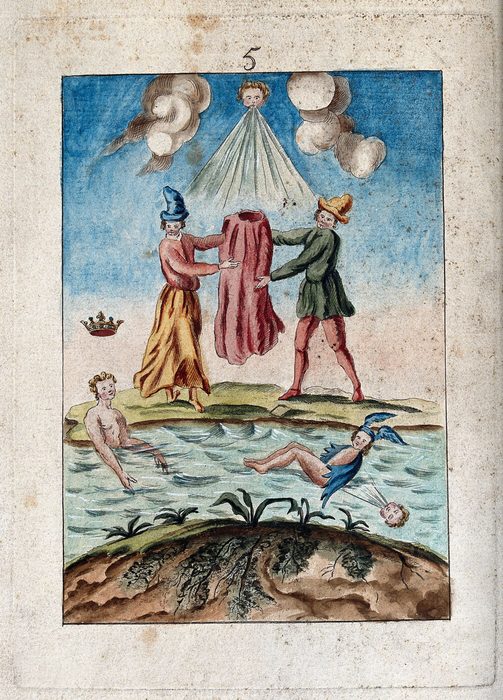
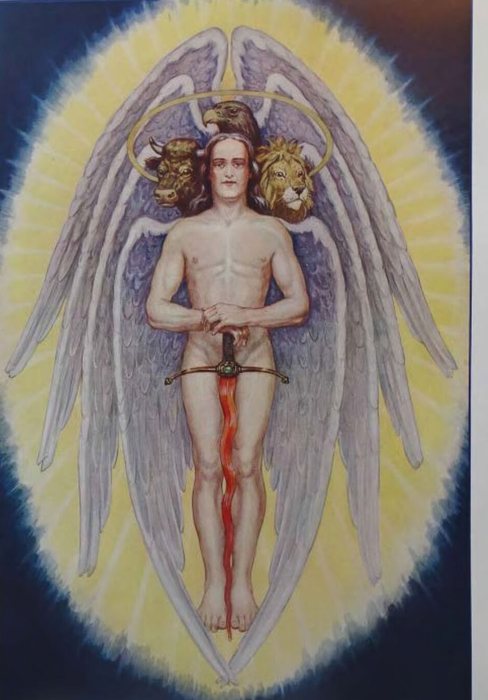
Where the detail is the subject
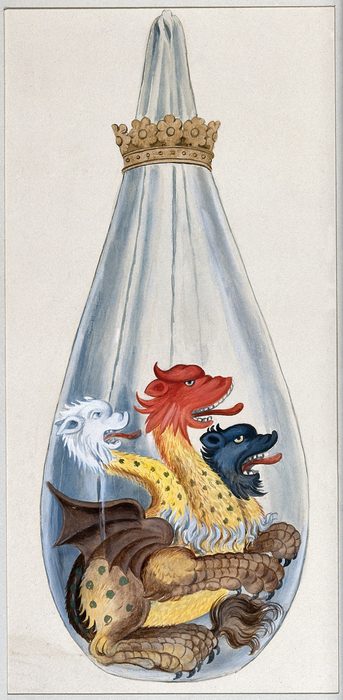
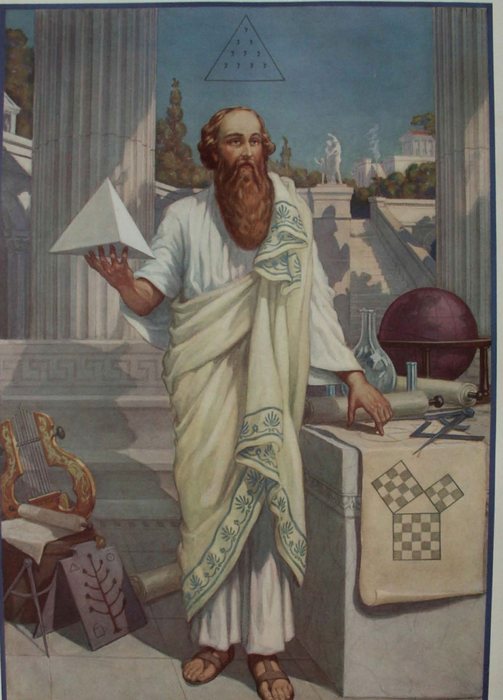
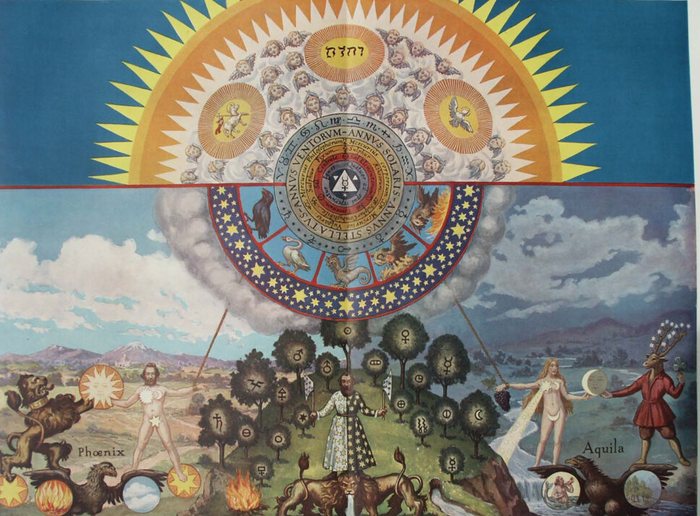
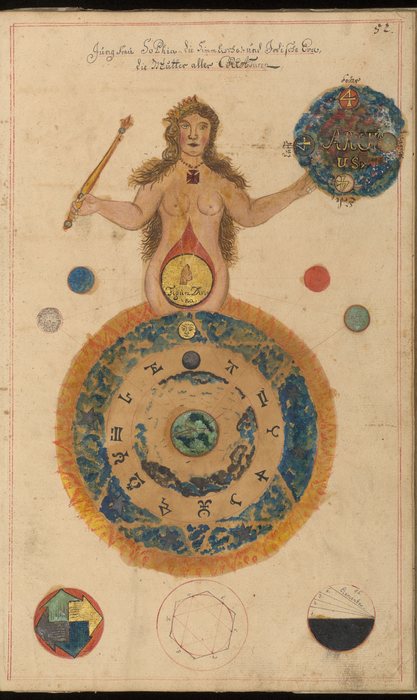
the Vessel · the Triangle and the Pyramid · the Sun and the Moon · the Crown · the Water
Each of these is in the picture without being what it is about. Below, one work that is about each.
In the same series
Record
One symbol a week, decoded.
This picture is free at full size from its source, linked above. What an address gets is the Sunday letter: one picture, one symbol marked on it, what it meant and who said so, and the master files of the decoded plates as they are verified. Leave any time.
Free, one letter a week, unsubscribe in one click. How the address is used.
Scroll or pinch to zoom · drag to move · double-tap for 1:1 · 806 by 1400 pixel web copy; the source file is linked under Record