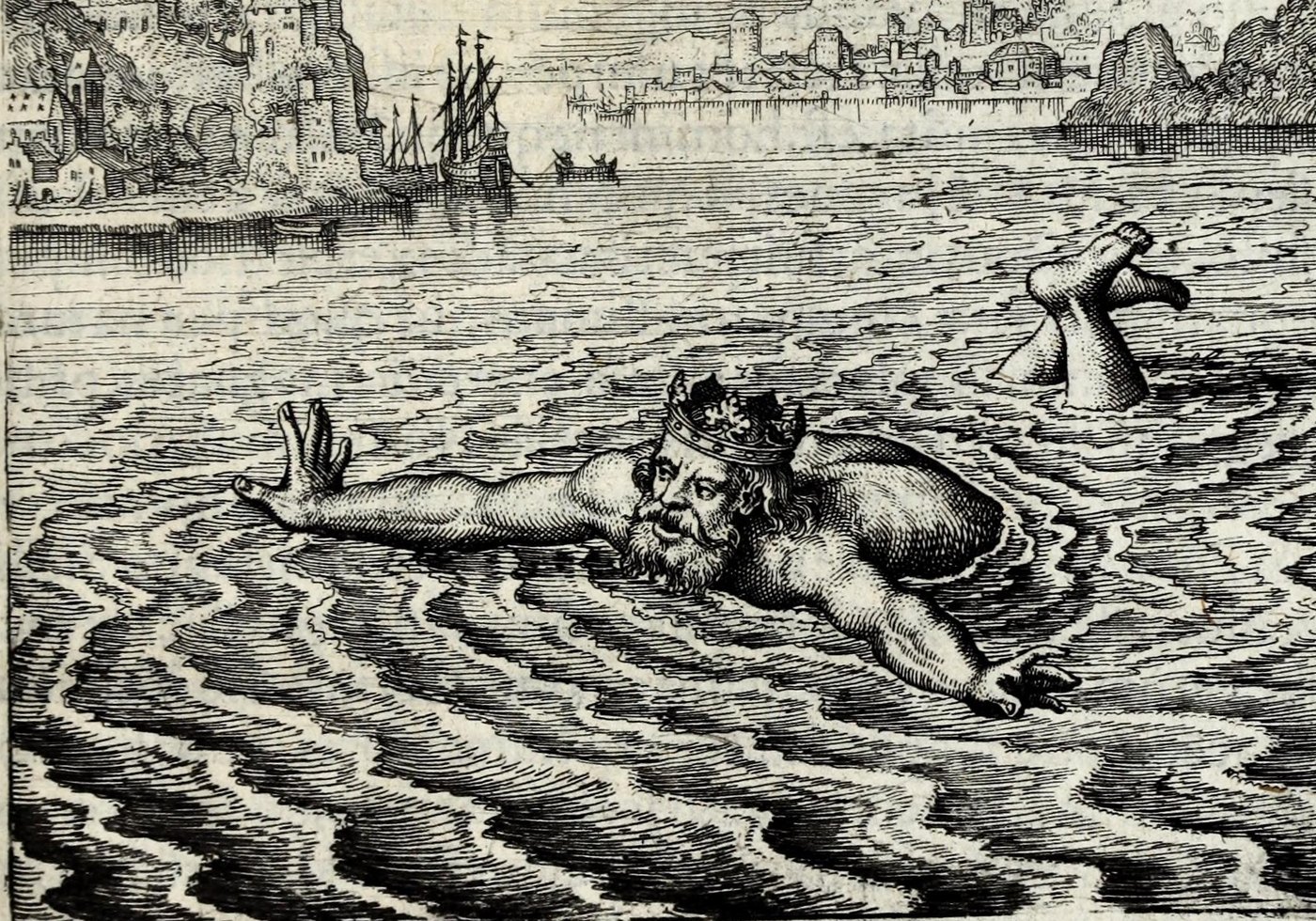
Rex natans in mari, clamans altâ voce: Qui me eripiet, ingens præmium habebit
The Water as the central motif, with the King and the Queen, and the Crown in a secondary part. From Atalanta Fugiens.
What is happening
Michael Maier, 1618 “Rex natans in mari, clamans altâ voce: Qui me eripiet, ingens præmium habebit.”
Symbolica, 2026 Maier’s Latin, put into English here: The king swims in the sea crying out, whoever saves me shall have a great reward.
Michael Maier, 1618 “Rex Diadema caput cui praegravat, aequore vasto
Innatat, atque altis vocibus usus ait:
Cur non fertis opem? Cur non accurritis omnes,
Quos ereptus aquis sorte beare queo?
In mea, si sapitis, me regna reducite, nec vos
Pauperies premet aut corporis ulla lues.”
Symbolica, 2026 Maier’s epigram, put into English here: A King whose head is weighed down by his crown swims in a vast sea, and calls out in a loud voice: Why do you bring no help? Why do you not all run to me, whom I could enrich if I were drawn from the water? If you have any sense, bring me back into my kingdom, and neither poverty nor any sickness of the body will press on you.
Key · 3 motifs
Tap a motif on the picture, or a line below. Its note opens under the line, with the reading its author gave it.
- Primary motif
- Secondary motifs · 2
The picture
The crowned king swimming and calling, ships and a town on the shore. By eye
The reading
The picture read whole, in the archive's words, from the sources quoted on the marks. Read on, and the picture follows: the motif under discussion keeps its colour.
‘Rex natans in mari, clamans altâ voce: Qui me eripiet, ingens præmium habebit’: the king swims in the sea, crying out in a loud voice, whoever saves me shall have a great reward. Ships stand off the shore and a town watches from the far side, and nobody is coming.
‘Rex Diadema caput cui praegravat, aequore vasto / Innatat’, a king whose head is weighed down by his crown swims in a vast sea, and he shouts: ‘Cur non fertis opem? Cur non accurritis omnes’, why do you bring no help, why do you not all run to me, ‘Quos ereptus aquis sorte beare queo’, whom I could enrich if I were drawn from the water? ‘In mea, si sapitis, me regna reducite’, if you have any sense, bring me back into my kingdom, and neither poverty nor any sickness of the body will press on you.
The crown stays on. It is the weight that is sinking him and the sign of what he is worth, and Maier makes both points in one word, praegravat.
The sea is where the king is dissolved, and the emblem is about the moment before the rescue. In the pictures of this book water dissolves and does not kill, and the king in it is a reward waiting for whoever has the sense to fish him out.
Decoded: every motif is marked, and each mark carries the reading its author gave it, quoted from the text, or says that it is observed on the picture and not read. The reading above is the archive's own, made from those sources and no others.
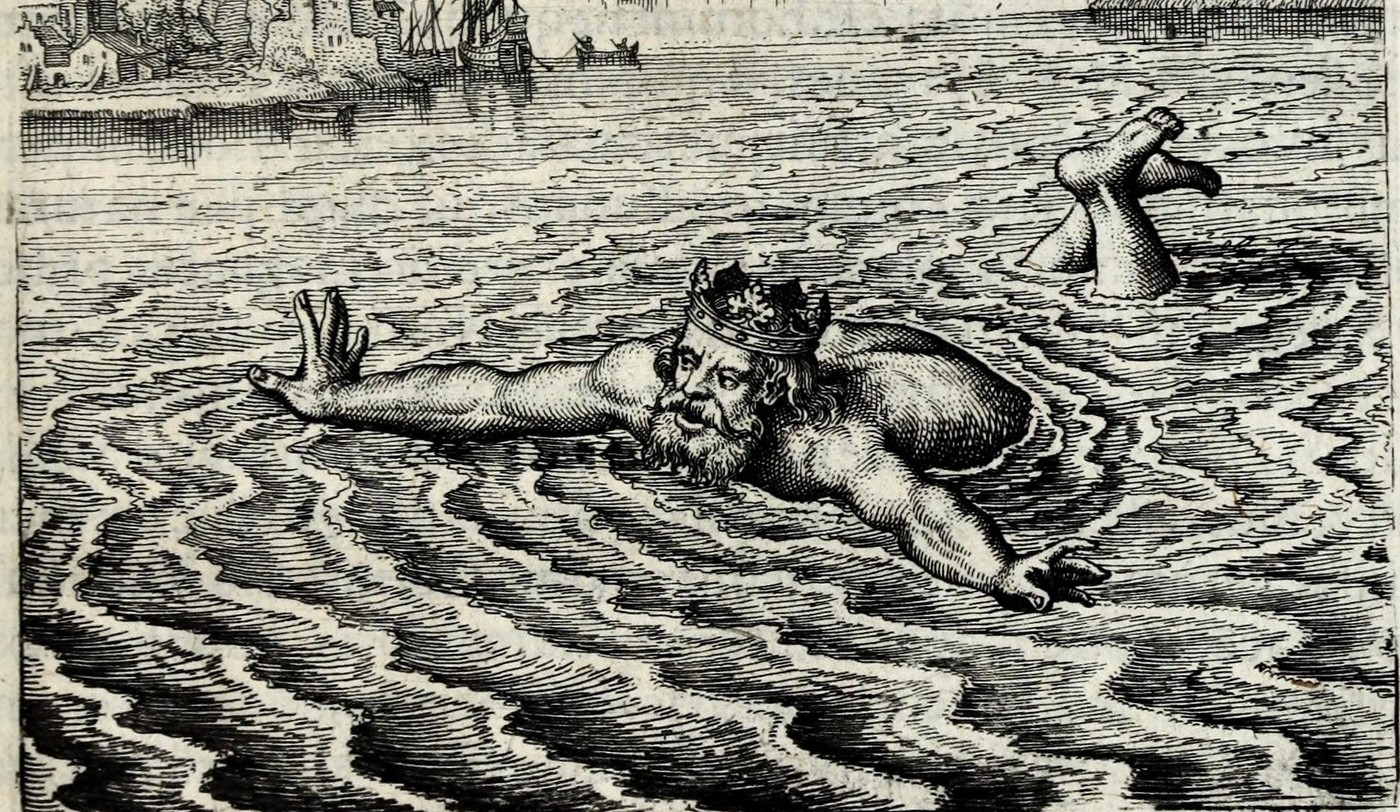
Where a thing is taken apart rather than destroyed. Note whether the figure is in the water, on it, or pouring it.
In plain words The sea fills the plate, and a crowned man swims in it, shouting. He is a king weighed down by his own crown, and the water is what he has to be pulled out of. It is not killing him; it is where he is stuck.
Michael Maier, 1618 “Rex Diadema caput cui praegravat, aequore vasto / Innatat, atque altis vocibus usus ait:”
Symbolica Maier's Latin, put into English here: A King whose head is weighed down by his crown swims in a vast sea, and calls out in a loud voice:
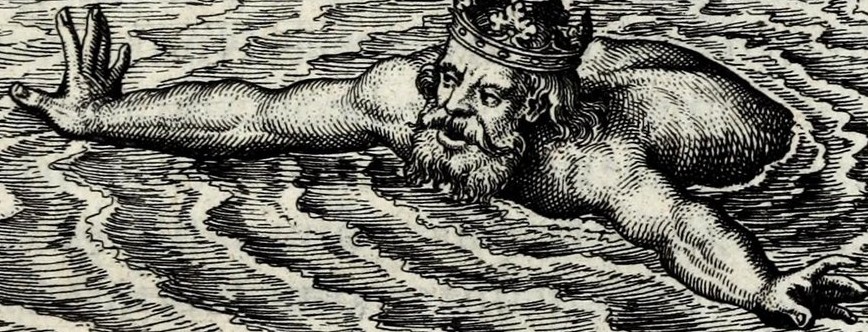
A rank rather than a person. Read the robe, the throne and what comes out of the mouth before you read the face.
In plain words The king does the talking, and what he offers is a bargain: pull me out and I will make you rich; put me back on my throne and neither poverty nor sickness will touch you. The metal in solution, asking to be recovered.
Michael Maier, 1618 “Cur non fertis opem? Cur non accurritis omnes, / Quos ereptus aquis sorte beare queo?”
Symbolica Maier's Latin, put into English here: Why do you bring no help? Why do you not all run to me, whom I could enrich if I were drawn from the water?
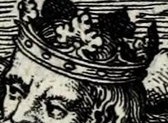
Completion, and in the Kabbalistic reading the first sephirah, the point at which the work is no longer yours.
In plain words The crown is what makes him a king and what is drowning him: Maier says it weighs his head down. It is kept on in the water, so that whoever rescues him knows what he is rescuing.
Michael Maier, 1618 “Rex Diadema caput cui praegravat”
Symbolica Maier's Latin, put into English here: A King whose head is weighed down by his crown
Also carrying the Water
38 works carry it. The 5 where it is the central motif are here. The symbol.
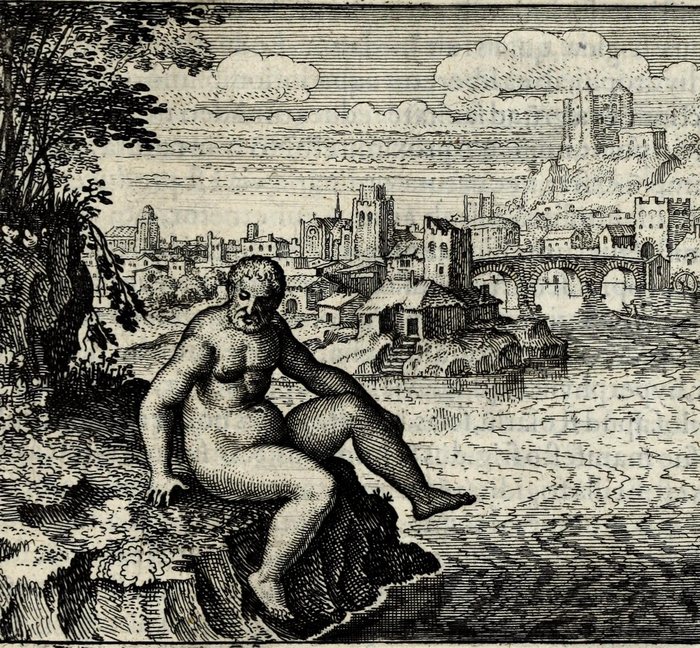
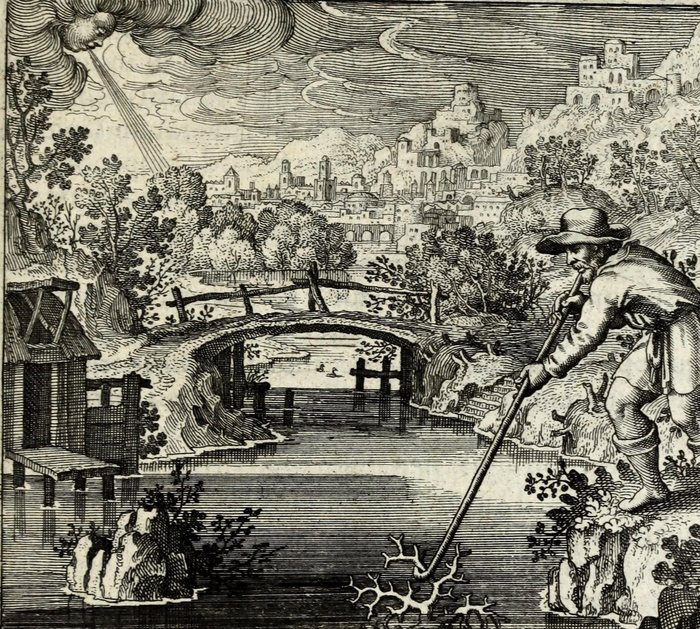
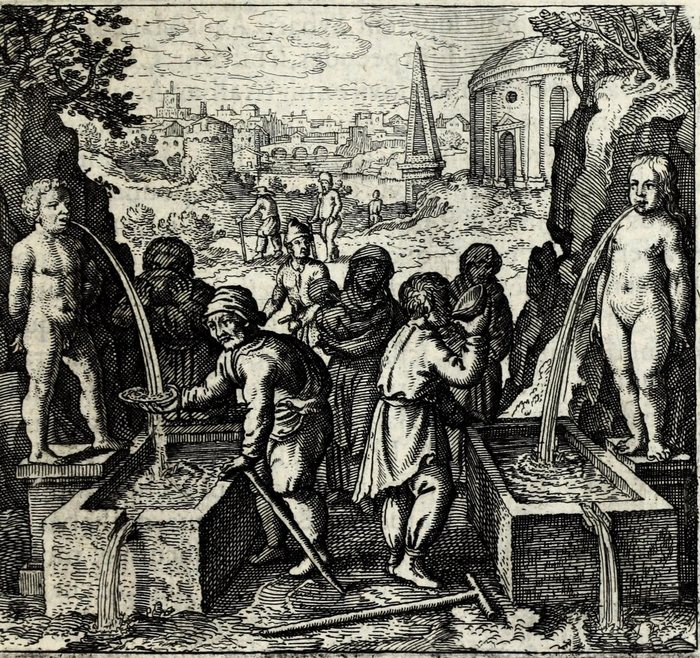
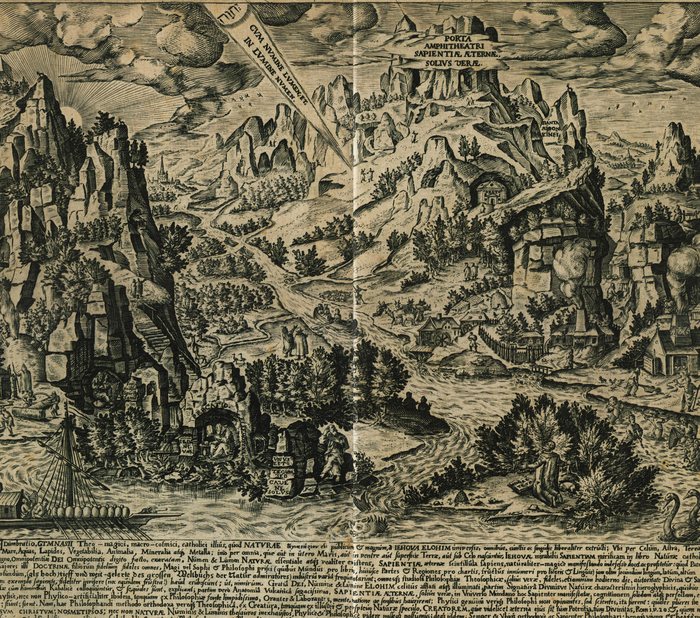
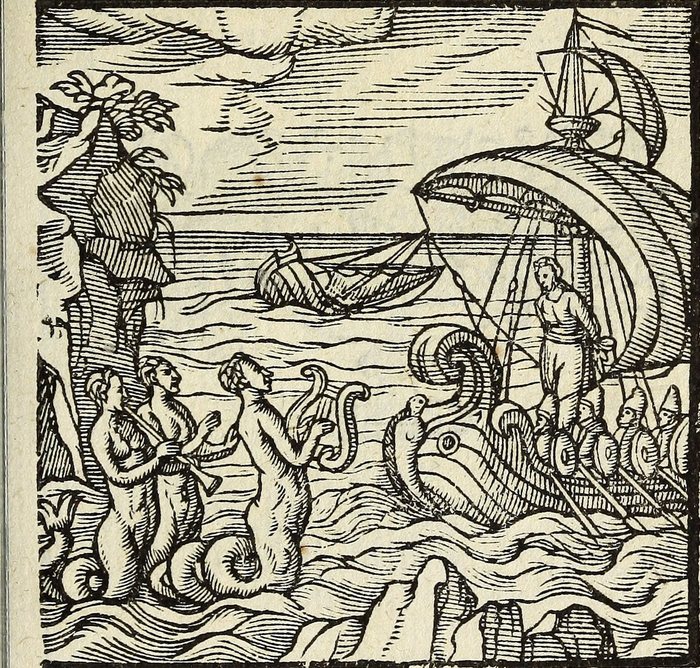
Where the detail is the subject
the King and the Queen · the Crown
Each of these is in the picture without being what it is about. Below, one work that is about each.
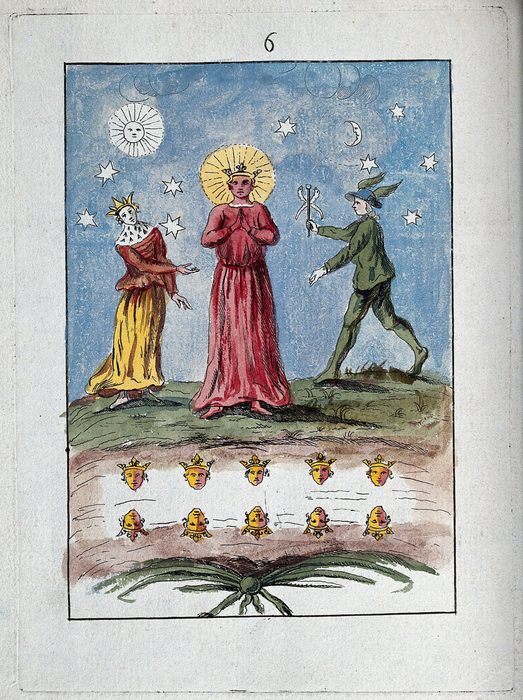
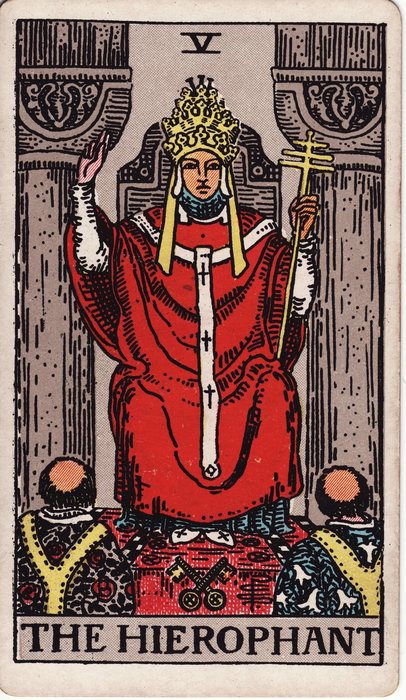
In the same series
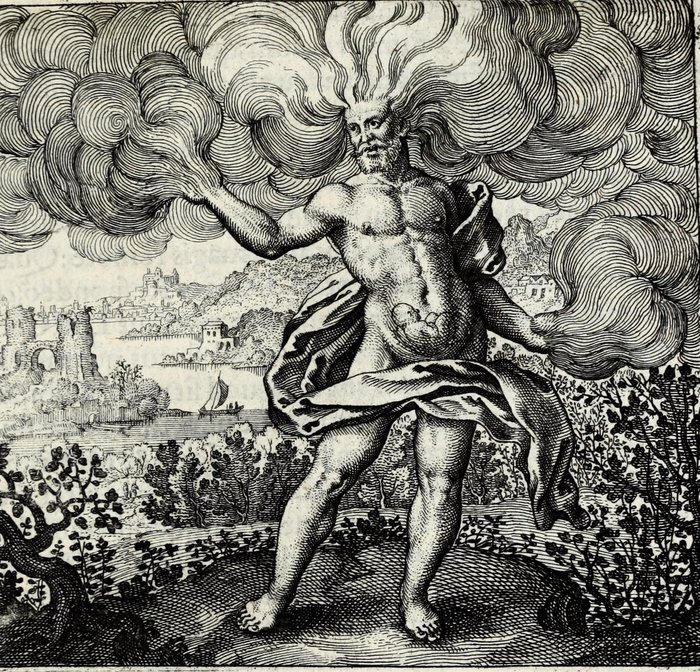 Portavit eum ventus in ventre suo
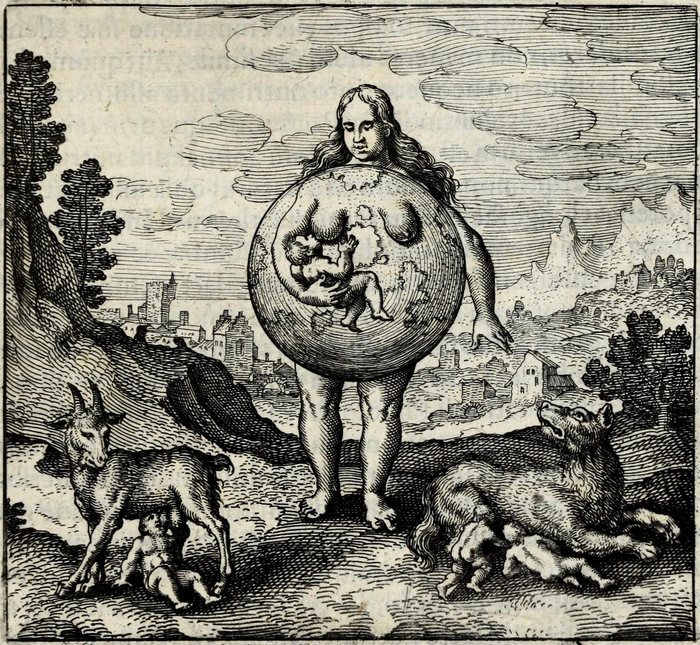 Nutrix ejus terra est
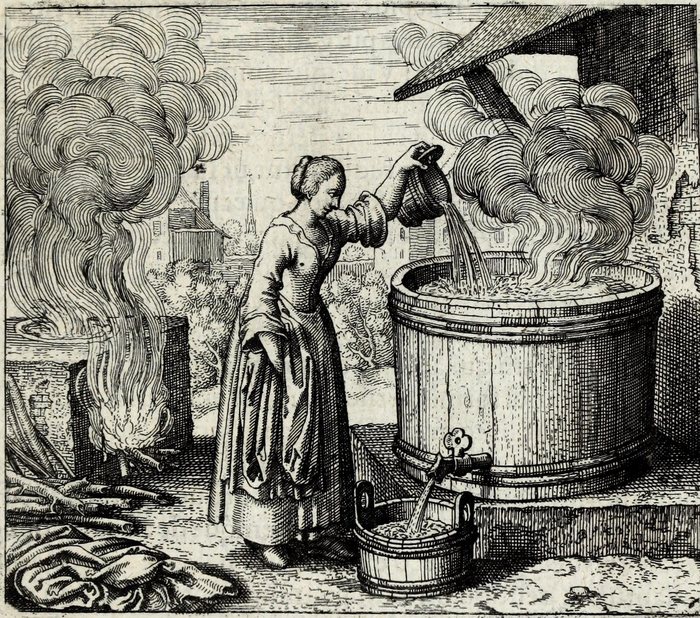 Vade ad mulierem lavantem pannos, tu fac similiter
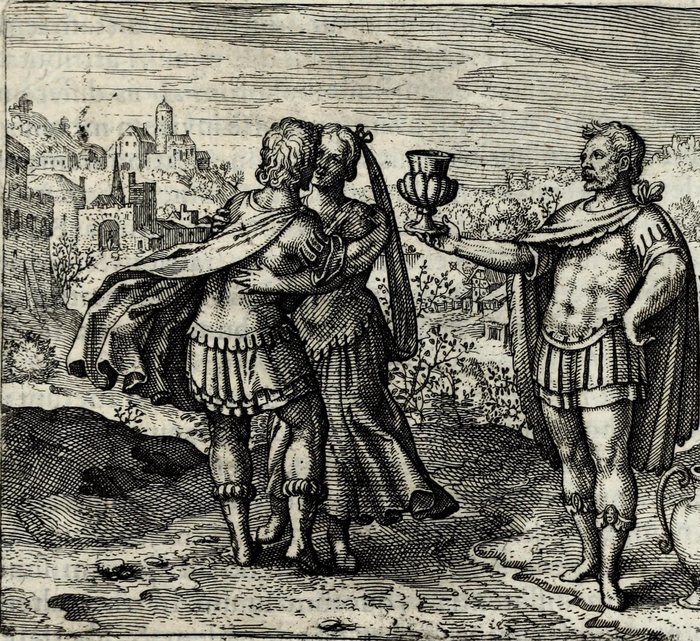 Conjunge fratrem cum sorore & propina illis poculum amoris
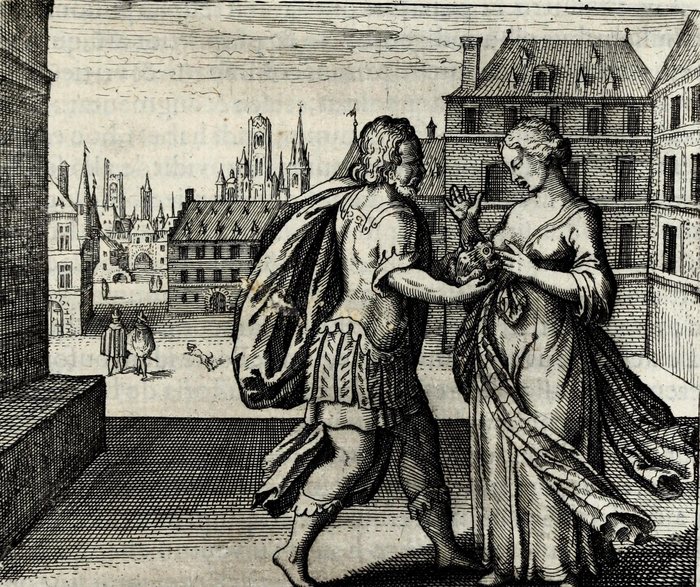 Appone mulieri super mammas bufonem, ut ablactet eum, & moriatur mulier, sitque bufo grossus de lacte
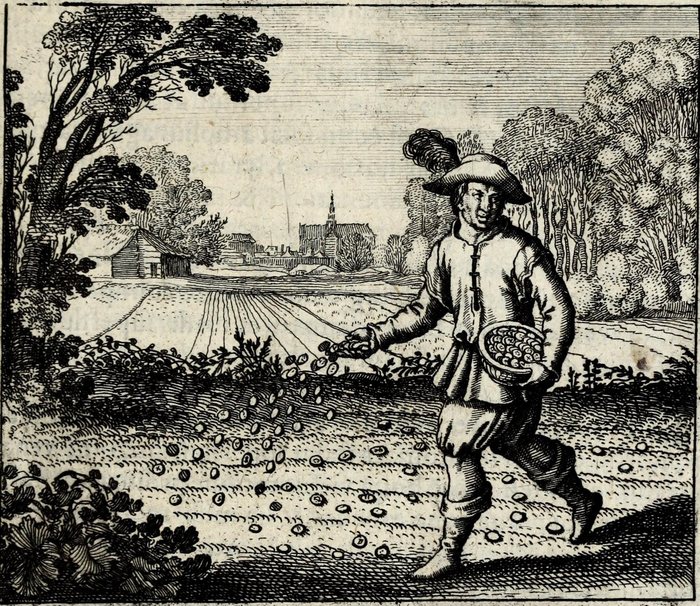 Seminate aurum vestrum in terram albam foliatam
Record
One symbol a week, decoded.
This picture is free at full size from its source, linked above. What an address gets is the Sunday letter: one picture, one symbol marked on it, what it meant and who said so, and the master files of the decoded plates as they are verified. Leave any time.
Free, one letter a week, unsubscribe in one click. How the address is used.
Scroll or pinch to zoom · drag to move · double-tap for 1:1 · 1400 by 1231 pixel web copy; the source file is linked under Record