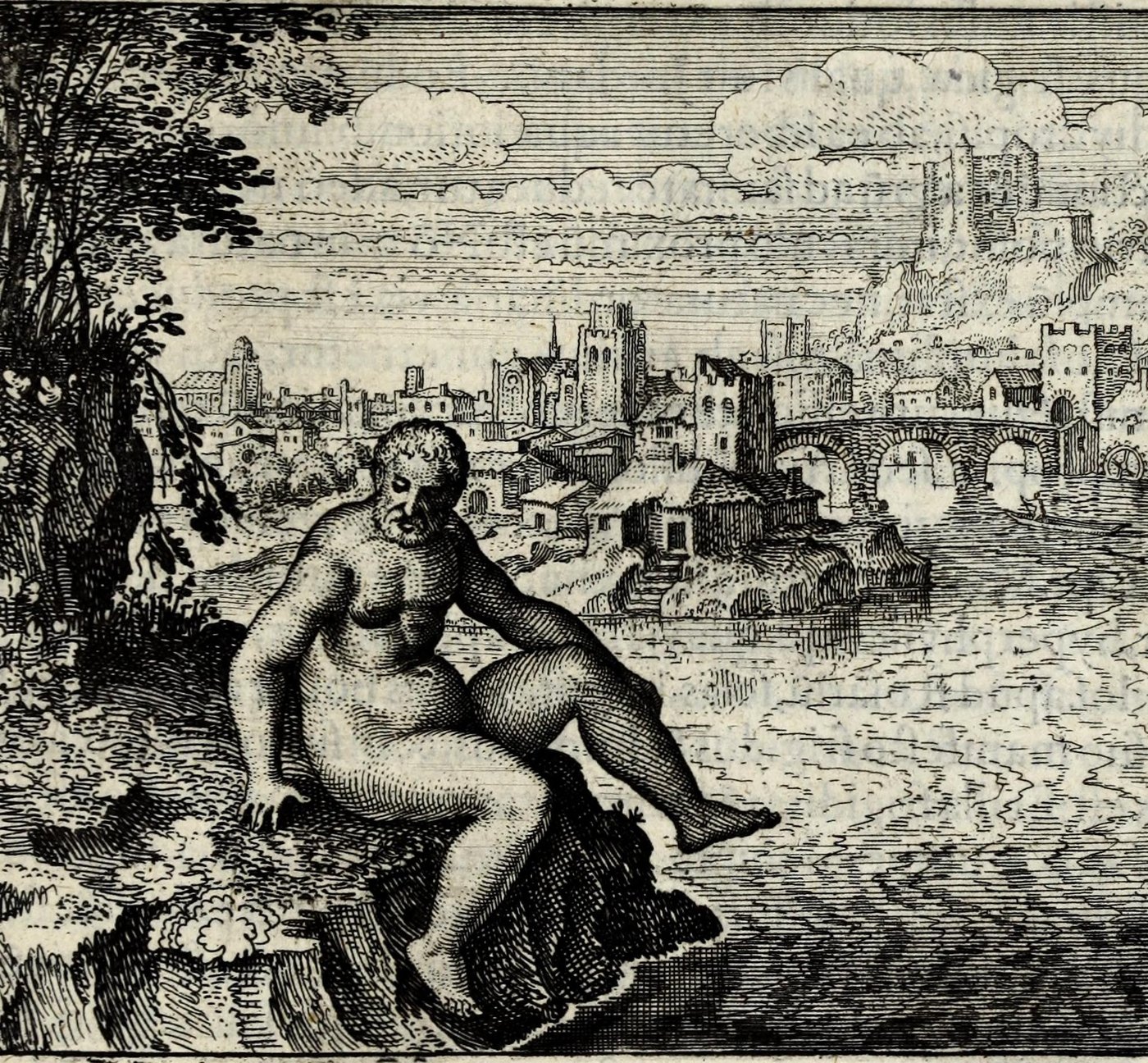
Æs Philosophorum hydropicum est, & vult lavari septies in fluvio, ut Naaman leprosus in Jordane
The Water as the central motif. From Atalanta Fugiens.
What is happening
Michael Maier, 1618 “Æs Philosophorum hydropicum est, & vult lavari septies in fluvio, ut Naaman leprosus in Jordane.”
Symbolica, 2026 Maier’s Latin, put into English here: The philosophers' brass wants washing seven times in the river.
Michael Maier, 1618 “Prae tumido languens aes turget hydrope Sophorum,
Inde salutiferas appetit illud aquas.
Utque Naman Jordane leprae contagia movit,
Abluitur lymphis terque quaterque suis:
Ergo praecipites in aquam tua corpora dulcem,
Moxque feret morbis illa salutis opem.”
Symbolica, 2026 Maier’s epigram, put into English here: The copper of the Sages, sick, swells with a bloated dropsy, and so it seeks out healing waters. As Naaman drove off the taint of leprosy in the Jordan, and is washed three and four times in its waters, so throw your bodies headlong into the sweet water, and it will soon bring the help of health to their sickness.
Key · 1 motif
Tap a motif on the picture, or a line below. Its note opens under the line, with the reading its author gave it.
- Primary motif
The picture
The bather in the river, a walled town on the far bank. By eye
The reading
The picture read whole, in the archive's words, from the sources quoted on the marks. Read on, and the picture follows: the motif under discussion keeps its colour.
‘Æs Philosophorum hydropicum est, & vult lavari septies in fluvio, ut Naaman leprosus in Jordane’: the philosophers' brass is dropsical and wants washing seven times in the river, as Naaman the leper did in the Jordan. Merian drew a heavy naked man on a rock at the water's edge, with a bridge and a town across the river.
The metal is sick with water and is cured by water. ‘Prae tumido languens aes turget hydrope Sophorum’, the copper of the sages, sick, swells with a bloated dropsy, ‘Inde salutiferas appetit illud aquas’, and so it seeks out healing waters. Naaman is the model, washed in the Jordan ‘terque quaterque’, three and four times, which makes the seven of the motto. ‘Ergo praecipites in aquam tua corpora dulcem’, so throw your bodies headlong into the sweet water, and it will bring the help of health to their sickness.
The bather has not gone in yet. The picture is the moment before the cure, and the river is drawn wide enough to hold the whole town's reflection.
Decoded: every motif is marked, and each mark carries the reading its author gave it, quoted from the text, or says that it is observed on the picture and not read. The reading above is the archive's own, made from those sources and no others.
Where a thing is taken apart rather than destroyed. Note whether the figure is in the water, on it, or pouring it.
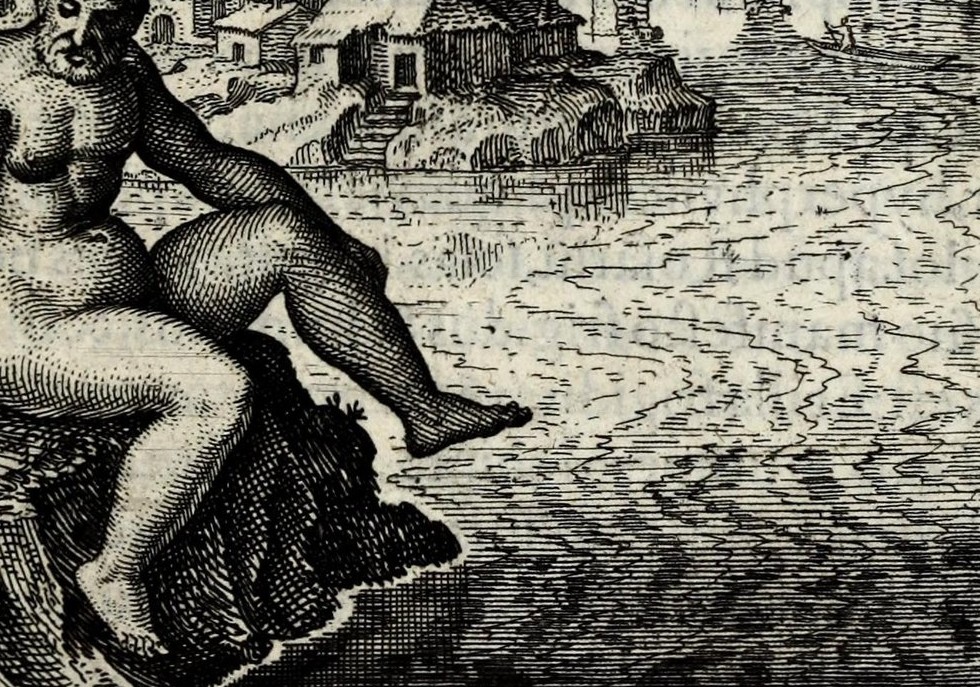
In plain words A man sits on a rock at the river's edge, about to go in. The water is the cure: the swollen copper of the sages has to be washed in it seven times, as Naaman washed his leprosy away in the Jordan, and Maier's order is to throw your bodies headlong into the sweet water.
Michael Maier, 1618 “Ergo praecipites in aquam tua corpora dulcem, / Moxque feret morbis illa salutis opem.”
Symbolica Maier's Latin, put into English here: so throw your bodies headlong into the sweet water, and it will soon bring the help of health to their sickness.
Also carrying the Water
38 works carry it. The 5 where it is the central motif are here. The symbol.
In the same series
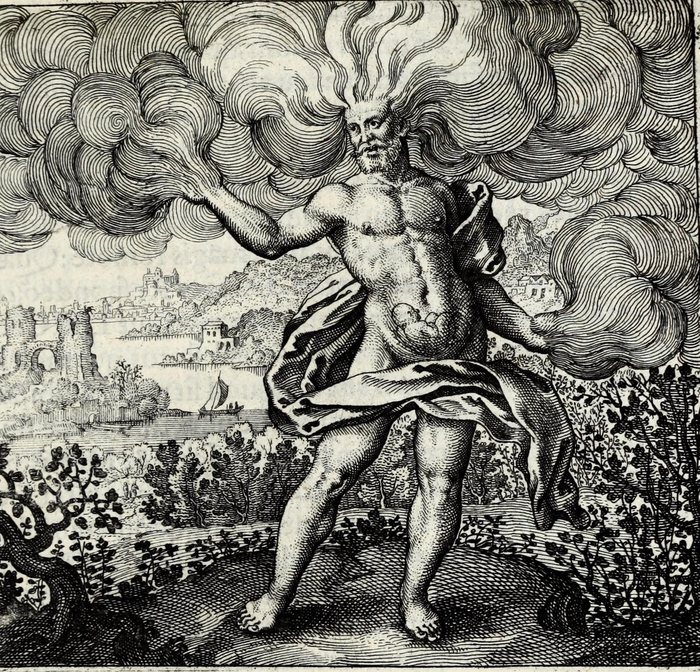 Portavit eum ventus in ventre suo
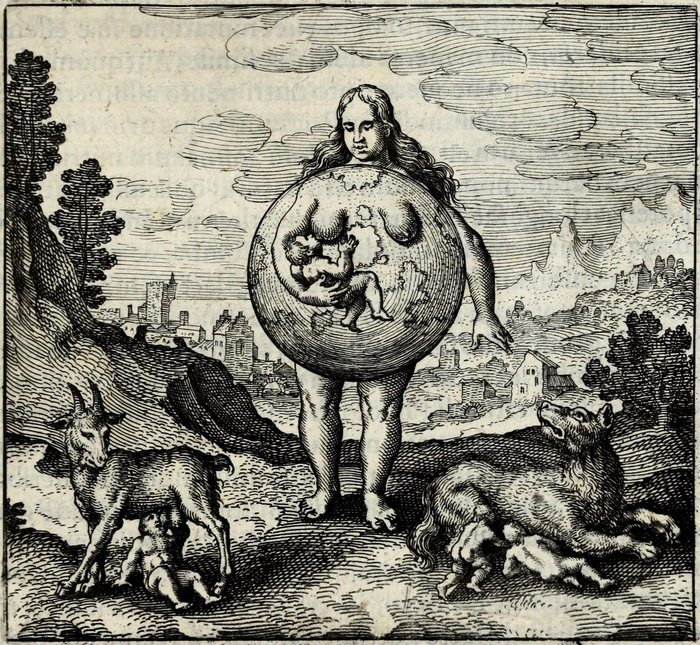 Nutrix ejus terra est
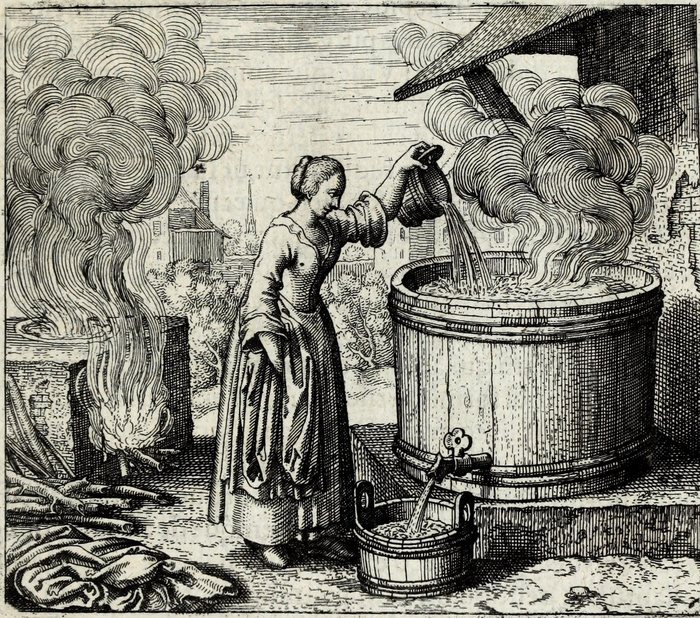 Vade ad mulierem lavantem pannos, tu fac similiter
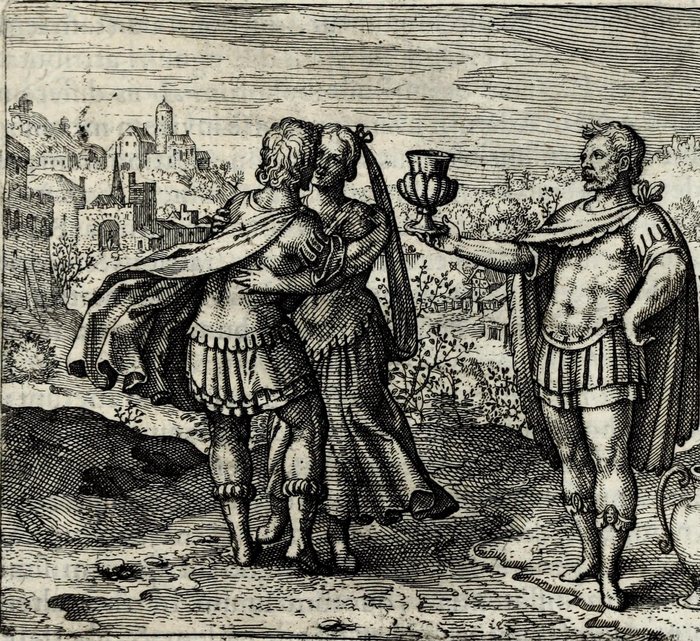 Conjunge fratrem cum sorore & propina illis poculum amoris
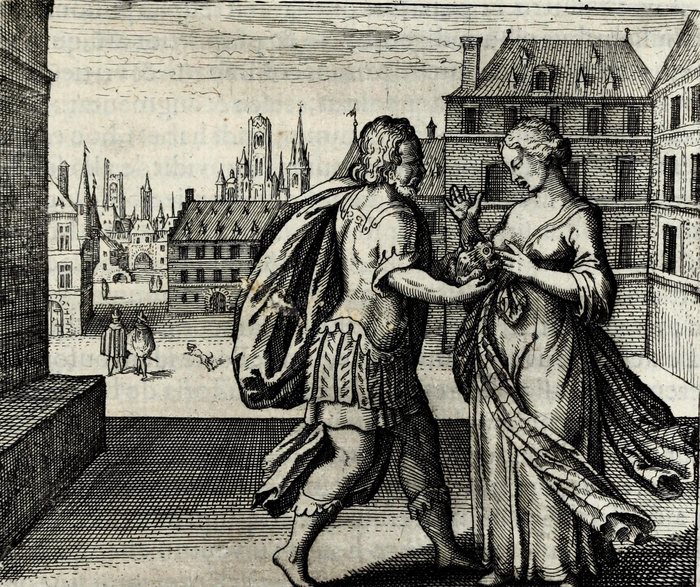 Appone mulieri super mammas bufonem, ut ablactet eum, & moriatur mulier, sitque bufo grossus de lacte
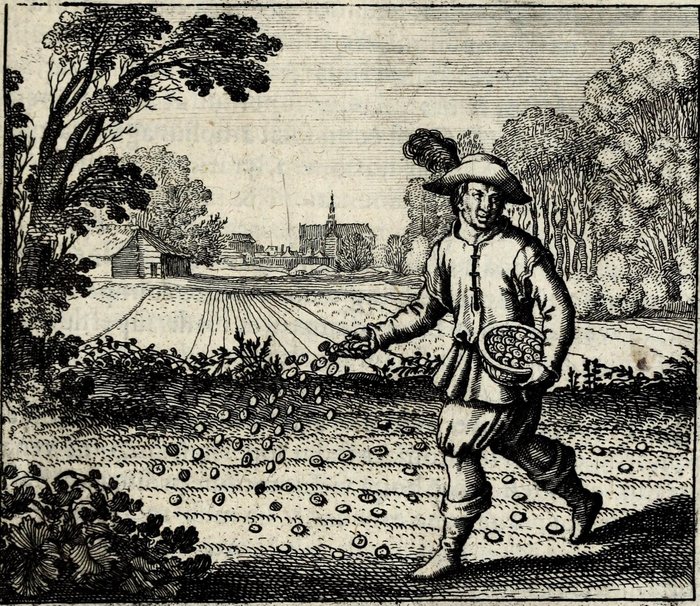 Seminate aurum vestrum in terram albam foliatam
Record
One symbol a week, decoded.
This picture is free at full size from its source, linked above. What an address gets is the Sunday letter: one picture, one symbol marked on it, what it meant and who said so, and the master files of the decoded plates as they are verified. Leave any time.
Free, one letter a week, unsubscribe in one click. How the address is used.
Scroll or pinch to zoom · drag to move · double-tap for 1:1 · 1400 by 1296 pixel web copy; the source file is linked under Record