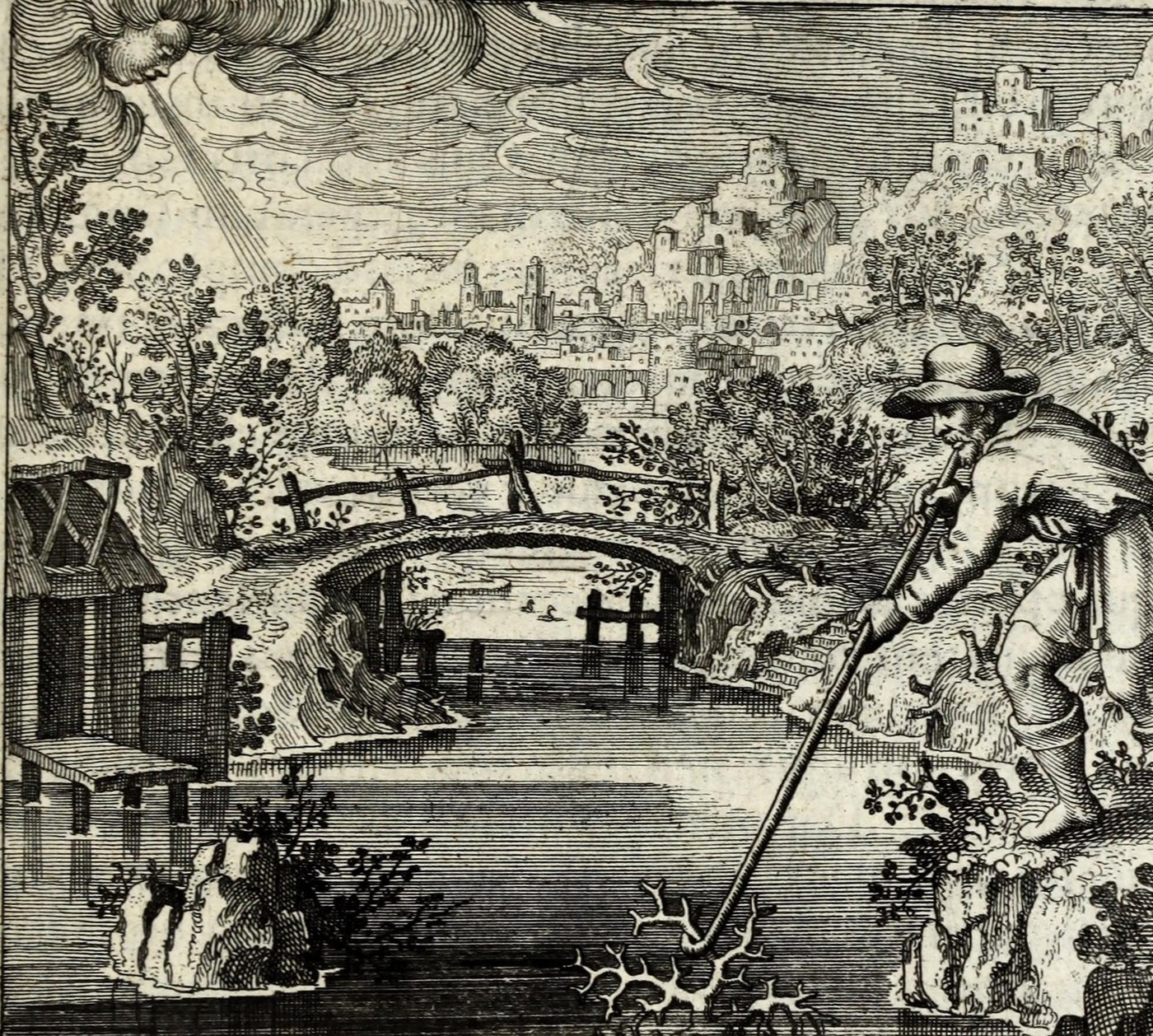
Corallus sub aquis ut crescit & aëre induratur, sic lapis
The Water as the central motif. From Atalanta Fugiens.
What is happening
Michael Maier, 1618 “Corallus sub aquis ut crescit & aëre induratur, sic lapis.”
Symbolica, 2026 Maier’s Latin, put into English here: As coral grows under the water and hardens in the air, so does the stone.
Michael Maier, 1618 “Planta maris vegetans Siculi sub fluctibus uda
Ramos sub tepidis multiplicavit aquis.
Illa, CORALLUS, habet nomen sibi, durior exit,
Cum Boreas rigido mittit ab axe gelu:
Fit lapis, & rubeum multa cum fronte colorem
Possidet: haec Physicae est apta figura Petrae.”
Symbolica, 2026 Maier’s epigram, put into English here: A living sea plant, wet beneath the Sicilian waves, multiplied its branches under the warm waters. Its name is CORAL. It comes out harder when the north wind sends its frost down from the rigid pole. It becomes a stone, and takes on a red colour over much of its surface. This is a fitting figure of the Philosophers' Stone.
Key · 1 motif
Tap a motif on the picture, or a line below. Its note opens under the line, with the reading its author gave it.
- Primary motif
The picture
The man lifting coral from the river on a line, the bridge and the town behind. By eye
The reading
The picture read whole, in the archive's words, from the sources quoted on the marks. Read on, and the picture follows: the motif under discussion keeps its colour.
‘Corallus sub aquis ut crescit & aëre induratur, sic lapis’: as coral grows under the water and hardens in the air, so does the stone. A man in a hat stands on the bank with a long pole, drawing a branch of coral up out of the river, and the north wind blows from a cloud at the upper left.
‘Planta maris vegetans Siculi sub fluctibus uda’, a living sea plant, wet beneath the Sicilian waves, ‘Ramos sub tepidis multiplicavit aquis’, multiplied its branches under the warm waters. ‘Illa, CORALLUS, habet nomen sibi’, its name is coral, and it comes out harder ‘Cum Boreas rigido mittit ab axe gelu’, when the north wind sends its frost down from the rigid pole. ‘Fit lapis’, it becomes a stone, and takes on a red colour: ‘haec Physicae est apta figura Petrae’, this is a fitting figure of the philosophers' stone.
Maier took his coral from the natural histories, where it was a plant that petrified on leaving the sea, and the emblem is the whole work in one specimen: soft and growing in the water, fixed and red in the air. The wind in the cloud is Boreas again, the same wind that carried the child in the first emblem, now doing the hardening.
Decoded: every motif is marked, and each mark carries the reading its author gave it, quoted from the text, or says that it is observed on the picture and not read. The reading above is the archive's own, made from those sources and no others.
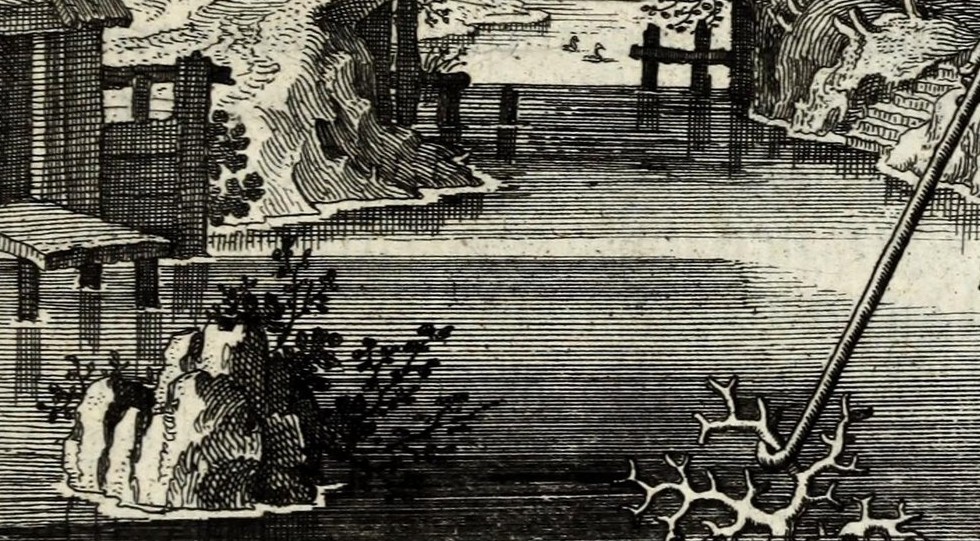
Where a thing is taken apart rather than destroyed. Note whether the figure is in the water, on it, or pouring it.
In plain words A man on the bank lifts a branch of coral out of the water on a pole. Coral, Maier says, grows soft under the warm waves and turns to red stone when the north wind reaches it in the air. The water is where it grows; the air is where it hardens; and the stone of the philosophers is made the same way.
Michael Maier, 1618 “Planta maris vegetans Siculi sub fluctibus uda / Ramos sub tepidis multiplicavit aquis.”
Symbolica Maier's Latin, put into English here: A living sea plant, wet beneath the Sicilian waves, multiplied its branches under the warm waters.
Also carrying the Water
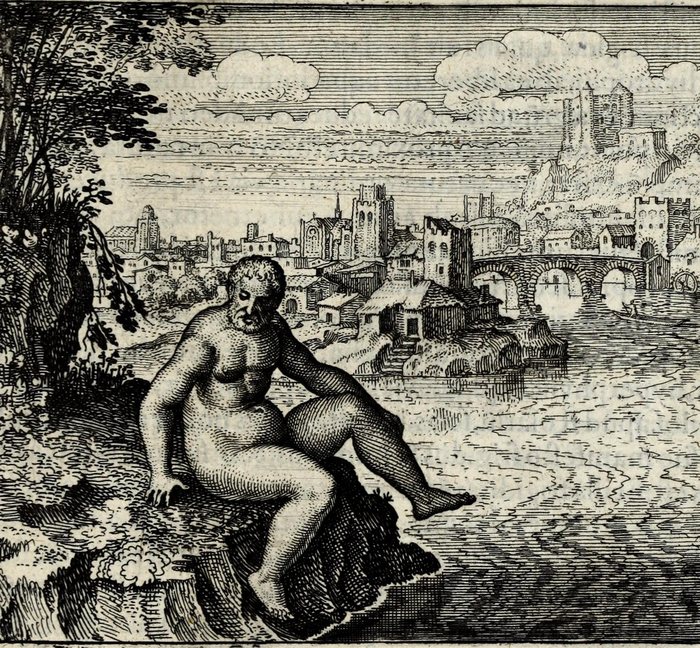
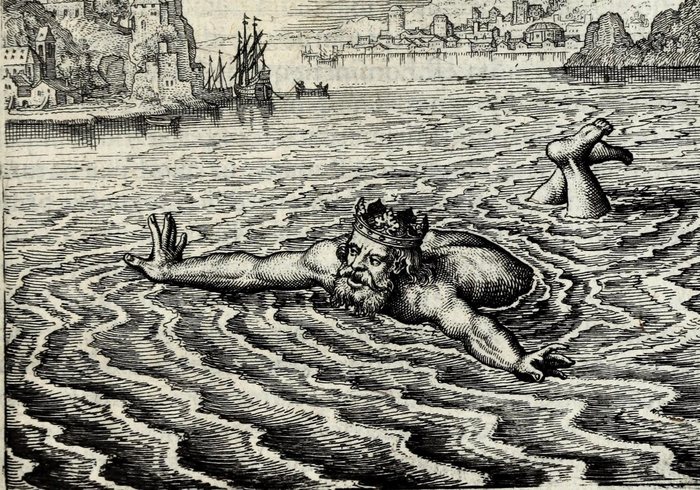
38 works carry it. The 5 where it is the central motif are here. The symbol.
In the same series
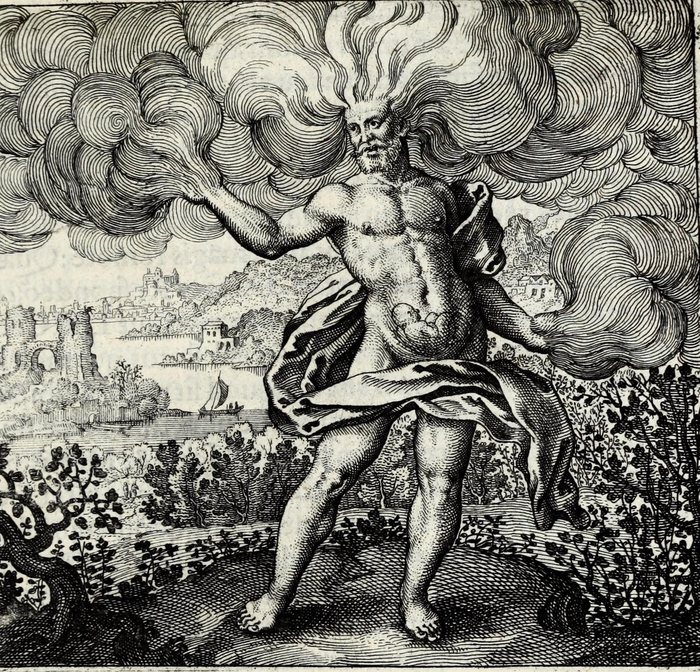 Portavit eum ventus in ventre suo
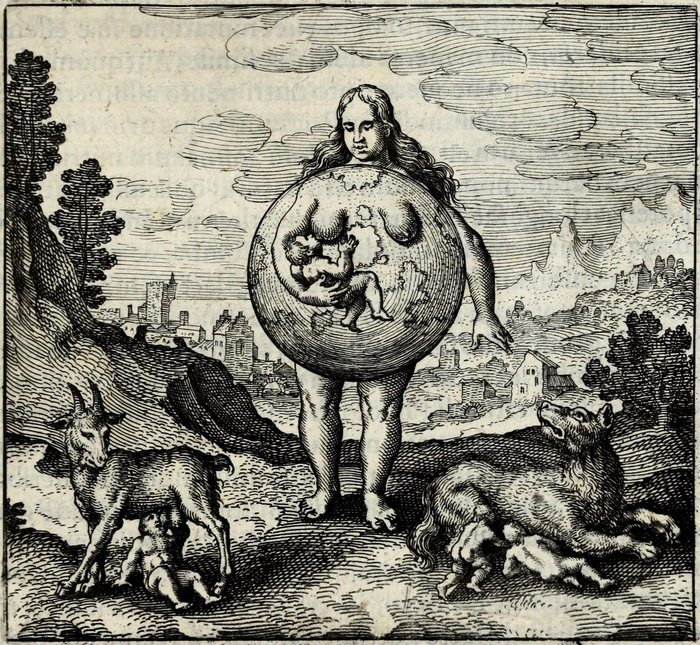 Nutrix ejus terra est
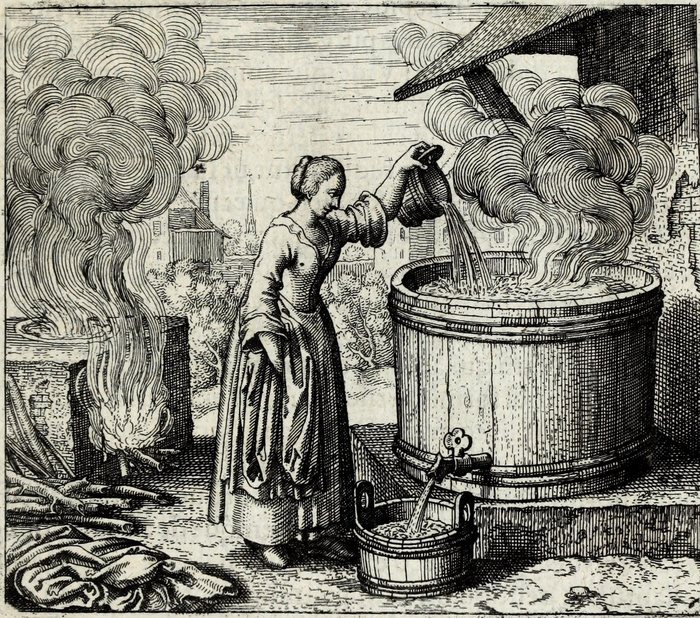 Vade ad mulierem lavantem pannos, tu fac similiter
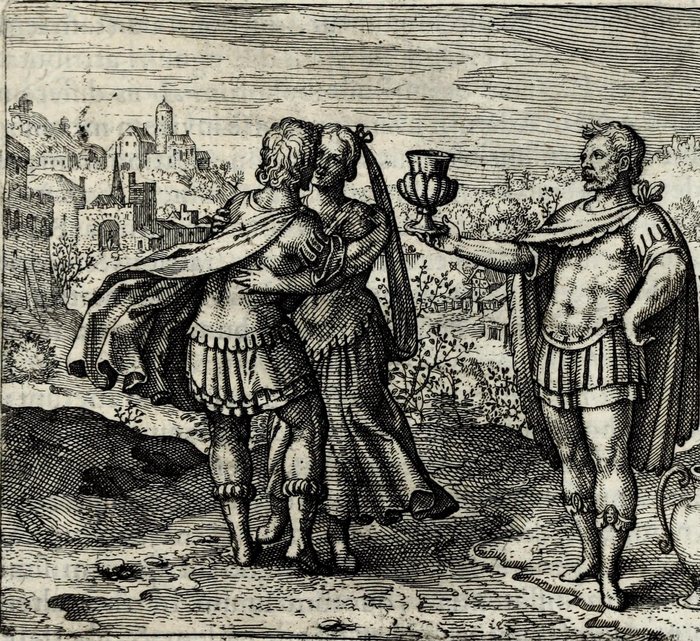 Conjunge fratrem cum sorore & propina illis poculum amoris
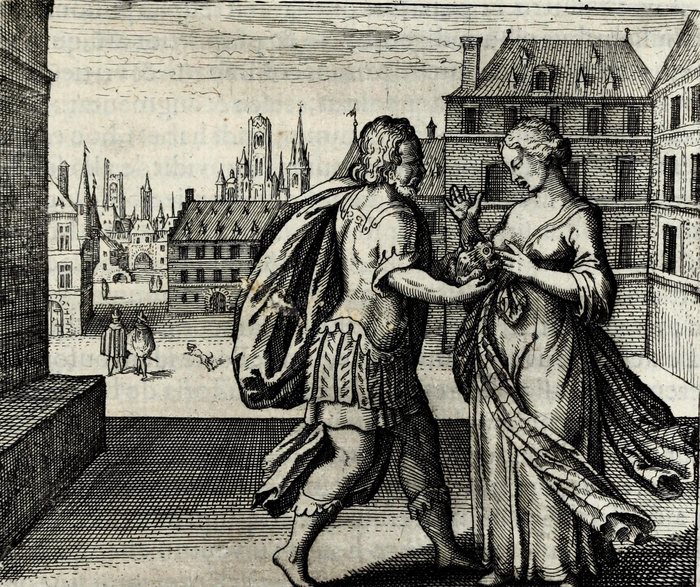 Appone mulieri super mammas bufonem, ut ablactet eum, & moriatur mulier, sitque bufo grossus de lacte
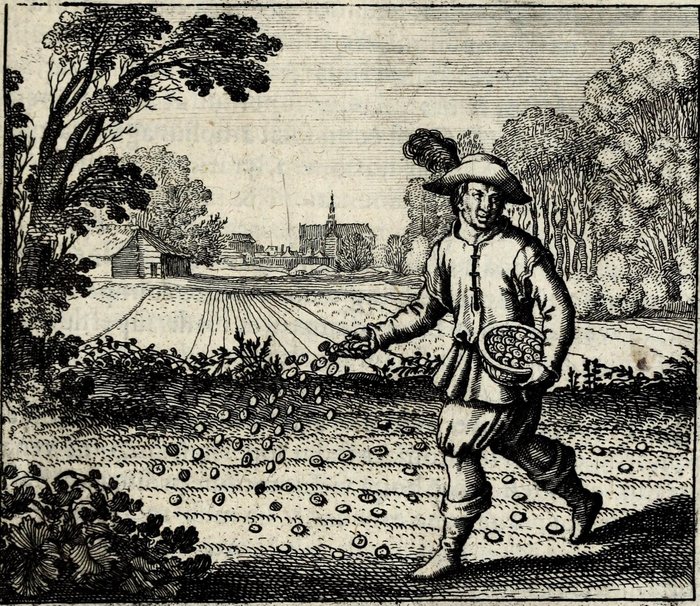 Seminate aurum vestrum in terram albam foliatam
Record
One symbol a week, decoded.
This picture is free at full size from its source, linked above. What an address gets is the Sunday letter: one picture, one symbol marked on it, what it meant and who said so, and the master files of the decoded plates as they are verified. Leave any time.
Free, one letter a week, unsubscribe in one click. How the address is used.
Scroll or pinch to zoom · drag to move · double-tap for 1:1 · 1400 by 1258 pixel web copy; the source file is linked under Record