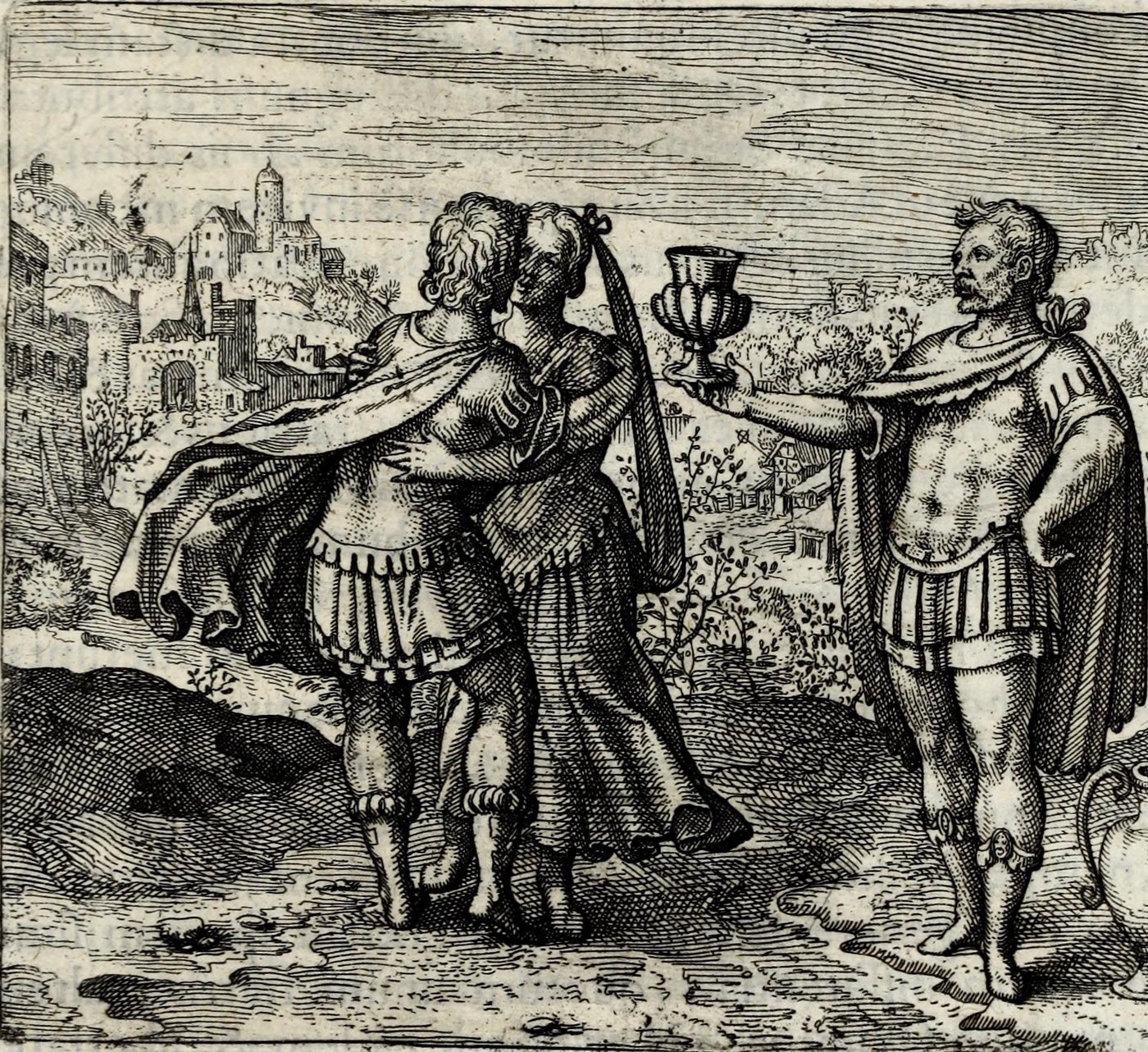
Conjunge fratrem cum sorore & propina illis poculum amoris
The King and the Queen as the central motif, with the Vessel in a secondary part. From Atalanta Fugiens.
What is happening
Michael Maier, 1618 “Conjunge fratrem cum sorore & propina illis poculum amoris:”
Symbolica, 2026 Maier’s Latin, put into English here: Join the brother to the sister and give them the cup of love.
Michael Maier, 1618 “Non hominum foret in mundo nunc tanta propago,
Si fratri conjunx non data prima soror.
Ergo lubens conjunge duos ab utroque parente
Progenitos, ut sint foemina masque toro.
Praebibe nectareo Philothesia pocla liquore
Utrisque, & foetus spem generabit amor.”
Symbolica, 2026 Maier’s epigram, put into English here: There would not now be so great a stock of men in the world if the first sister had not been given to her brother as wife. So join gladly the two begotten of the same two parents, that there be woman and man in one bed. Drink them first a loving cup of nectar, and love will breed the hope of offspring.
Key · 2 motifs
Tap a motif on the picture, or a line below. Its note opens under the line, with the reading its author gave it.
- Primary motif
- Secondary motifs · 1
The picture
A man and a woman embracing while a third holds out a covered cup. By eye
The reading
The picture read whole, in the archive's words, from the sources quoted on the marks. Read on, and the picture follows: the motif under discussion keeps its colour.
‘Conjunge fratrem cum sorore & propina illis poculum amoris’: join the brother to the sister and give them the cup of love. Merian drew the three people the sentence needs, the two who embrace and the one who pours.
Maier defends the marriage by the beginning of the world: ‘Non hominum foret in mundo nunc tanta propago’, there would not now be so great a stock of men in the world, ‘Si fratri conjunx non data prima soror’, if the first sister had not been given to her brother as wife. So join them, ‘ut sint foemina masque toro’, that there be woman and man in one bed.
The cup is the last line: ‘Praebibe nectareo Philothesia pocla liquore’, drink them first a loving cup of nectar, ‘& foetus spem generabit amor’, and love will breed the hope of offspring. In the alchemical pictures a marriage is a stage of the work and a child is its product; this emblem is the wedding, and the cup is the toast.
Decoded: every motif is marked, and each mark carries the reading its author gave it, quoted from the text, or says that it is observed on the picture and not read. The reading above is the archive's own, made from those sources and no others.
A rank rather than a person. Read the robe, the throne and what comes out of the mouth before you read the face.
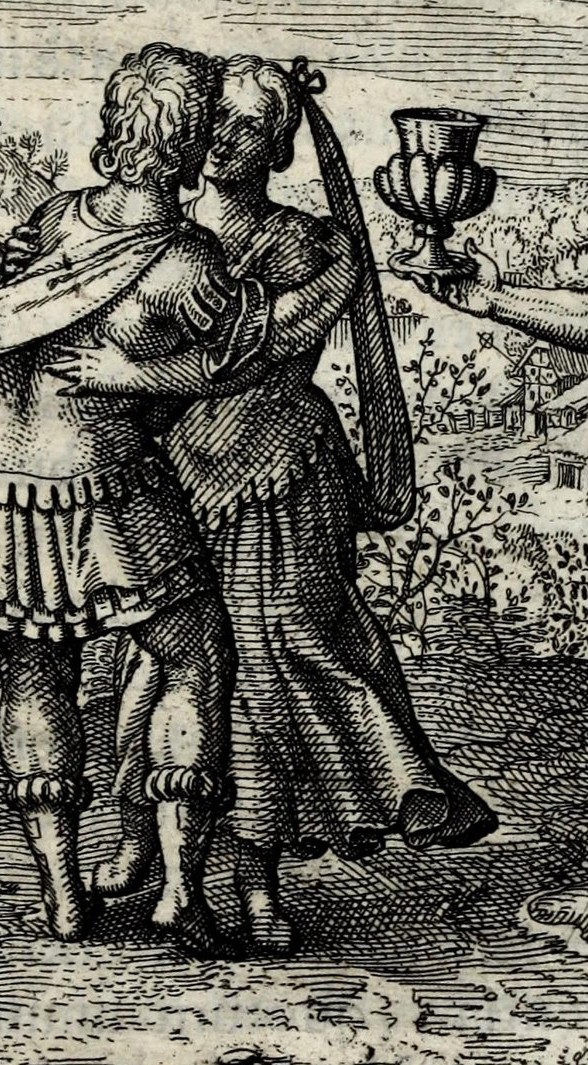
In plain words A man and a woman embrace, and Maier calls them brother and sister. The pair here is the two halves of the work, born of the same parents, and the emblem orders their marriage.
Michael Maier, 1618 “Ergo lubens conjunge duos ab utroque parente / Progenitos, ut sint foemina masque toro.”
Symbolica Maier's Latin, put into English here: So join gladly the two begotten of the same two parents, that there be woman and man in one bed.
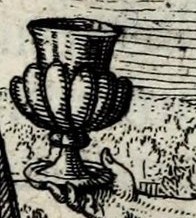
Never the subject. What is inside it is.
In plain words A third figure holds out a covered cup. It is the cup of love of the motto, and the epigram says what it is for: drink it to them both, and love will breed the hope of a child.
Michael Maier, 1618 “Praebibe nectareo Philothesia pocla liquore / Utrisque, & foetus spem generabit amor.”
Symbolica Maier's Latin, put into English here: Drink them first a loving cup of nectar, and love will breed the hope of offspring.
Also carrying the King and the Queen
35 works carry it. The 6 where it is the central motif are here. The symbol.
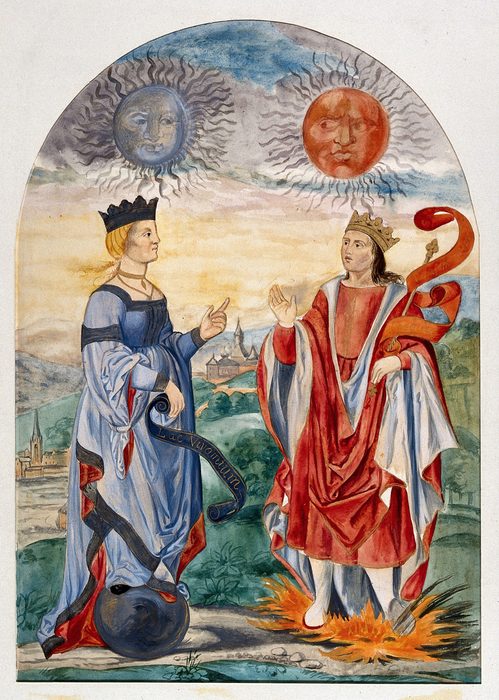
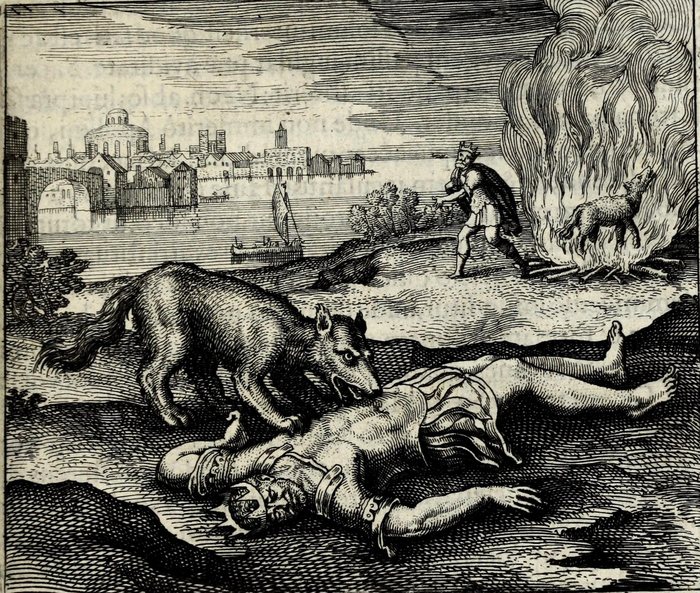
Where the detail is the subject
This is in the picture without being what it is about. Below, one work that is about it.
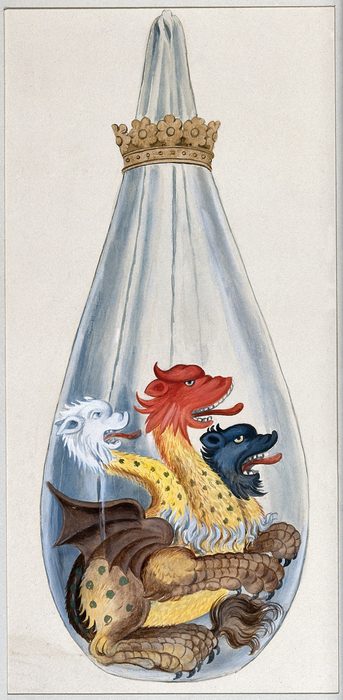
In the same series
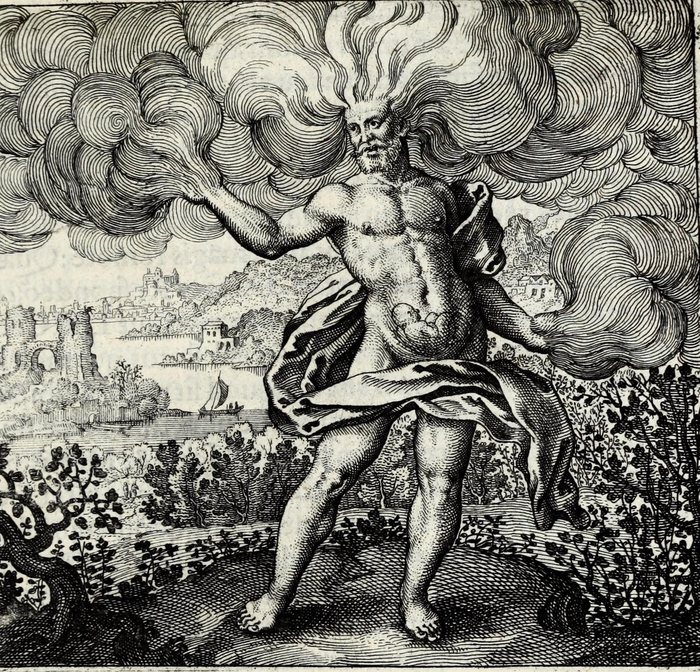 Portavit eum ventus in ventre suo
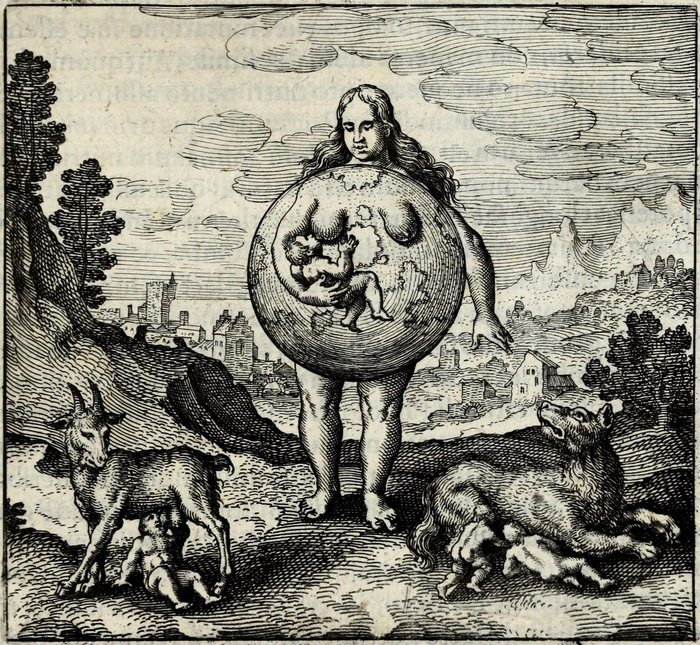 Nutrix ejus terra est
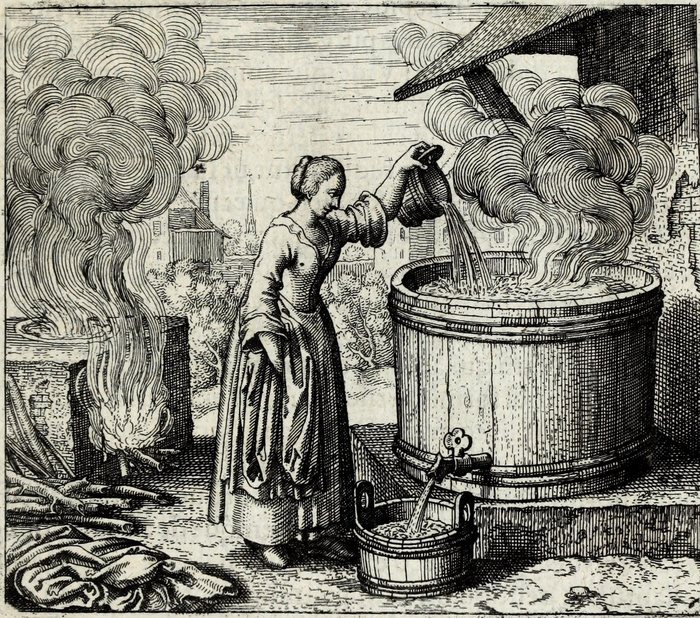 Vade ad mulierem lavantem pannos, tu fac similiter
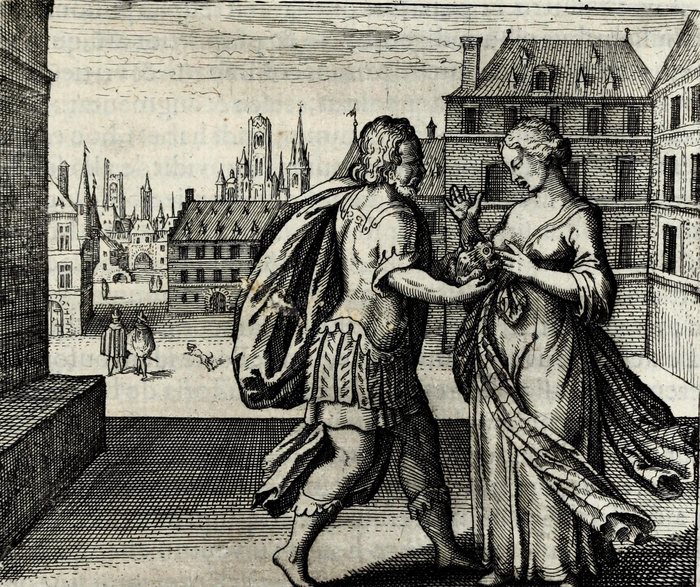 Appone mulieri super mammas bufonem, ut ablactet eum, & moriatur mulier, sitque bufo grossus de lacte
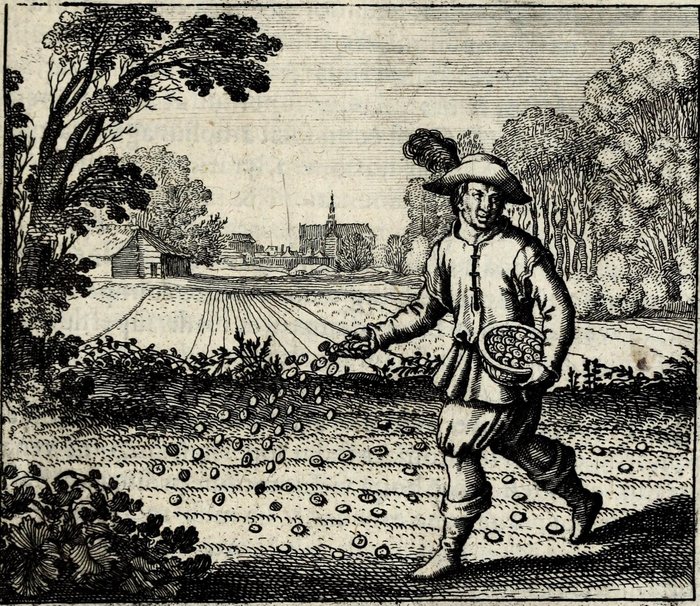 Seminate aurum vestrum in terram albam foliatam
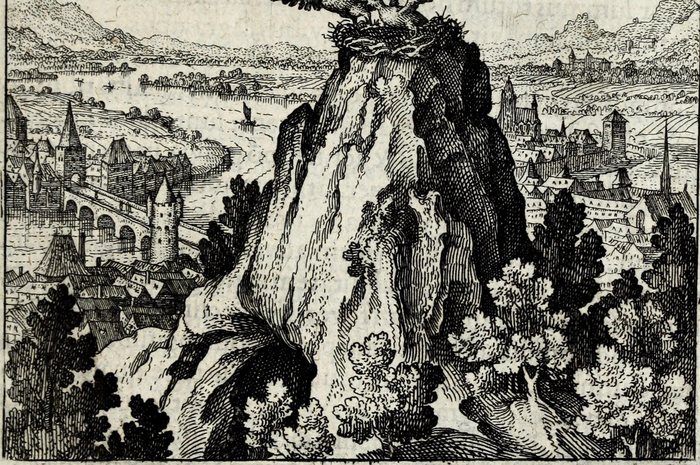 Fit pullus à nido volans, qui iterùm cadit in nidum
Record
One symbol a week, decoded.
This picture is free at full size from its source, linked above. What an address gets is the Sunday letter: one picture, one symbol marked on it, what it meant and who said so, and the master files of the decoded plates as they are verified. Leave any time.
Free, one letter a week, unsubscribe in one click. How the address is used.
Scroll or pinch to zoom · drag to move · double-tap for 1:1 · 1400 by 1283 pixel web copy; the source file is linked under Record