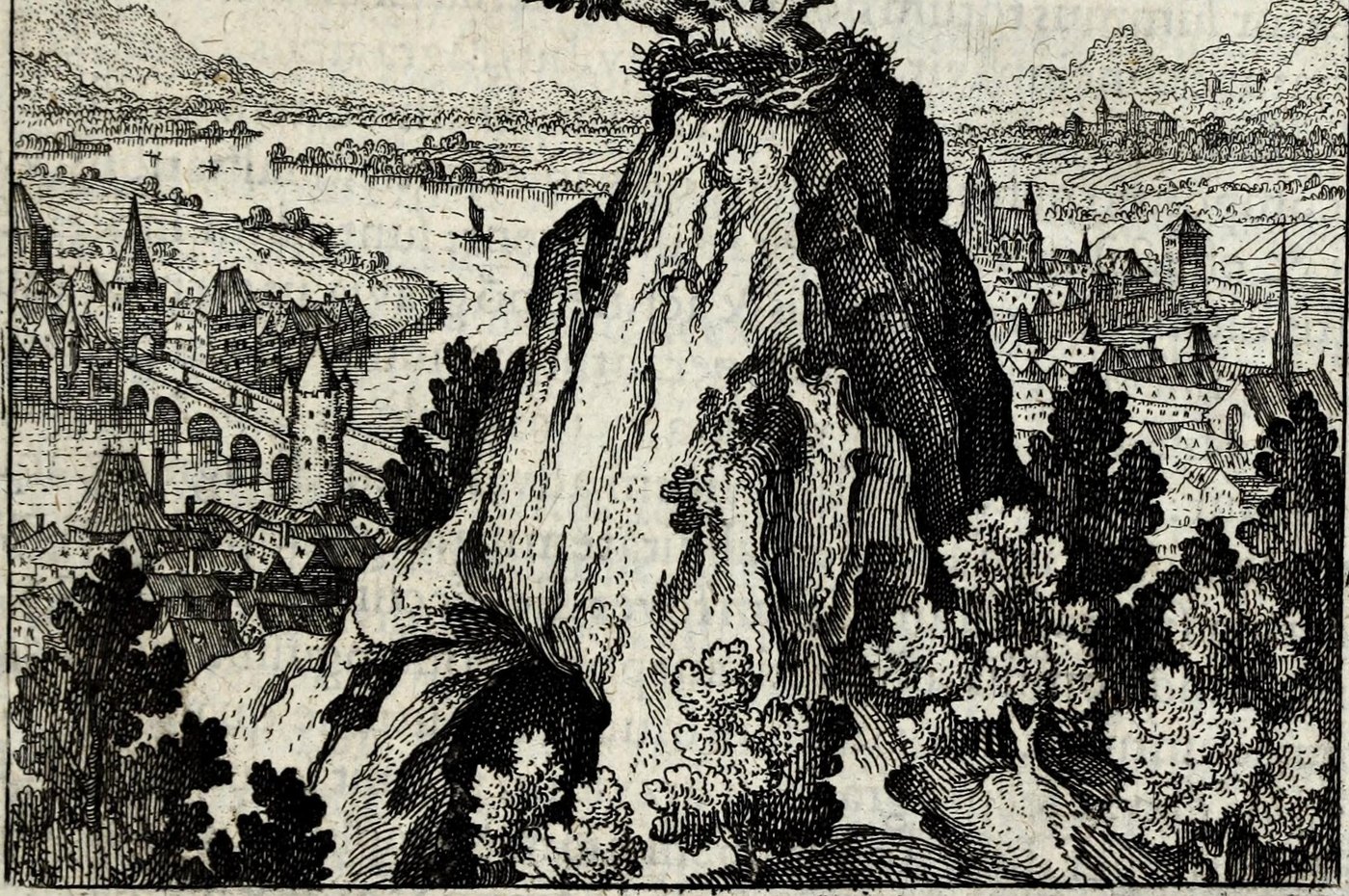
Fit pullus à nido volans, qui iterùm cadit in nidum
The Bird as the central motif. From Atalanta Fugiens.
What is happening
Michael Maier, 1618 “Fit pullus à nido volans, qui iterùm cadit in nidum.”
Symbolica, 2026 Maier’s Latin, put into English here: The chick flies from the nest and falls back into it.
Michael Maier, 1618 “Rupe cava nidum Jovis ALES struxerat, in quo
Delituit, pullos enutriitque suos:
Horum unus levibus voluit se tollere pennis,
At fuit implumi fratre retentus ave.
Inde volans redit in nidum, quem liquerat, illis
Junge caput caudae, tum nec inanis eris.”
Symbolica, 2026 Maier’s epigram, put into English here: The Bird of Jove had built its nest in a hollow rock, where it hid and reared its young. One of them wanted to lift itself on light feathers, but was held back by its unfledged brother. Flying from there it returns to the nest it had left. Join the head to the tail in these, and you will not come away empty.
Key · 1 motif
Tap a motif on the picture, or a line below. Its note opens under the line, with the reading its author gave it.
- Primary motif
The picture
The rock with the nest at its top and the bird between the two, a river town below. By eye
The reading
The picture read whole, in the archive's words, from the sources quoted on the marks. Read on, and the picture follows: the motif under discussion keeps its colour.
‘Fit pullus à nido volans, qui iterùm cadit in nidum’: the chick flies from the nest and falls back into it. The picture is almost all rock, with the nest on the summit and a river town spread out below, so that the eye has to climb to find the birds.
‘Rupe cava nidum Jovis ALES struxerat’, the bird of Jove had built its nest in a hollow rock, and reared its young there. ‘Horum unus levibus voluit se tollere pennis’, one of them wanted to lift itself on light feathers, ‘At fuit implumi fratre retentus ave’, but was held back by its unfledged brother. The flier comes back to the nest it left, and Maier draws the lesson as an instruction: ‘Junge caput caudae, tum nec inanis eris’, join the head to the tail, and you will not come away empty.
What goes up in the work must come down again, or nothing is finished: the fledged bird and the one that cannot yet fly have to be joined. Merian put the whole argument in a nest the size of a thumbnail and gave the rest of the plate to the view.
Decoded: every motif is marked, and each mark carries the reading its author gave it, quoted from the text, or says that it is observed on the picture and not read. The reading above is the archive's own, made from those sources and no others.
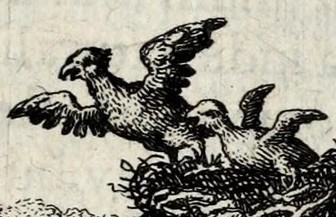
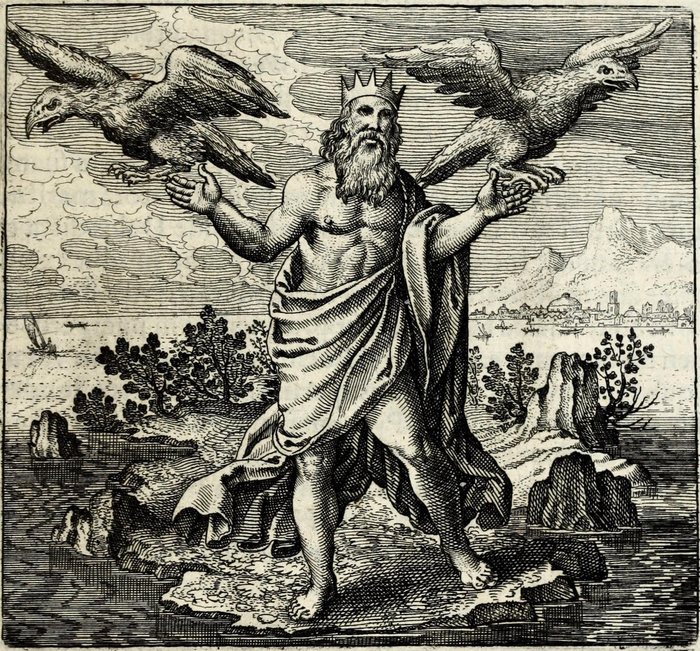
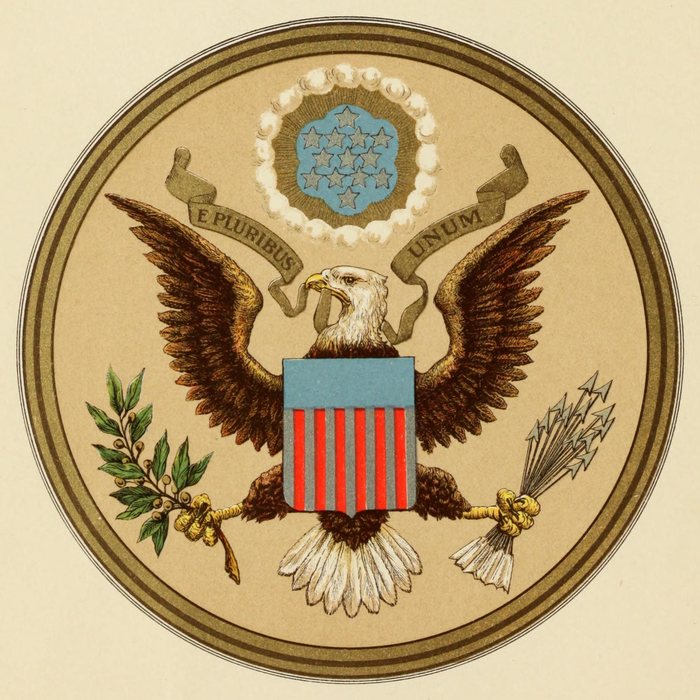
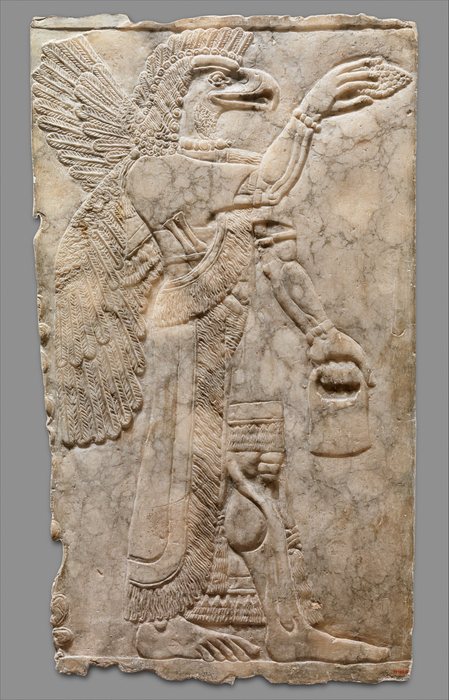
What rises and what comes back down. Note whether the bird is flying, caught, or paired with a second one.
In plain words At the top of the rock is the nest of Jove's bird, the eagle, with its young in it. One chick tries to fly and is held back by its brother, who has no feathers yet, and so it falls back into the nest. Maier's instruction follows: join the head to the tail, what rises to what stays.
Michael Maier, 1618 “Horum unus levibus voluit se tollere pennis, / At fuit implumi fratre retentus ave.”
Symbolica Maier's Latin, put into English here: One of them wanted to lift itself on light feathers, but was held back by its unfledged brother.
Also carrying the Bird
24 works carry it. The 6 where it is the central motif are here. The symbol.
In the same series
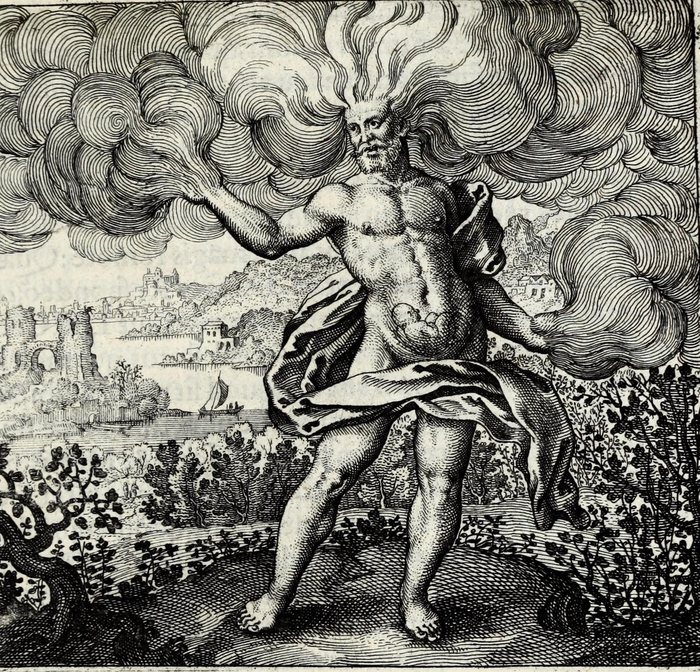 Portavit eum ventus in ventre suo
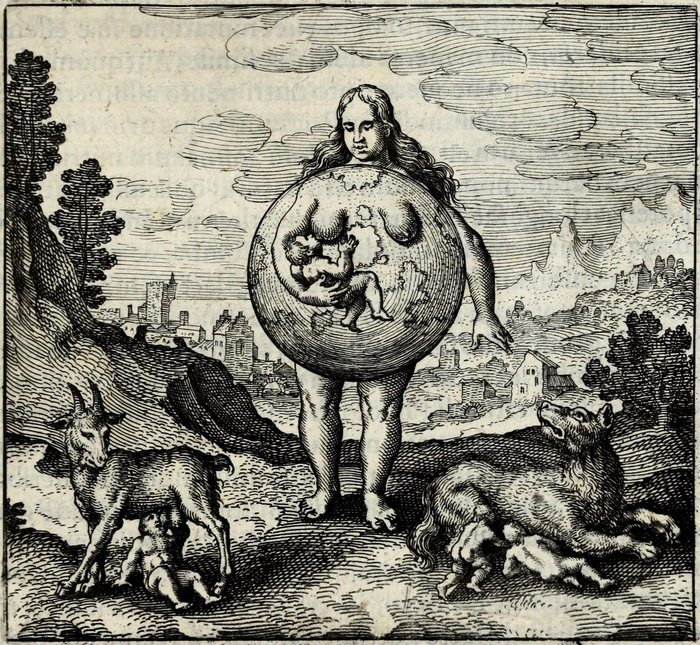 Nutrix ejus terra est
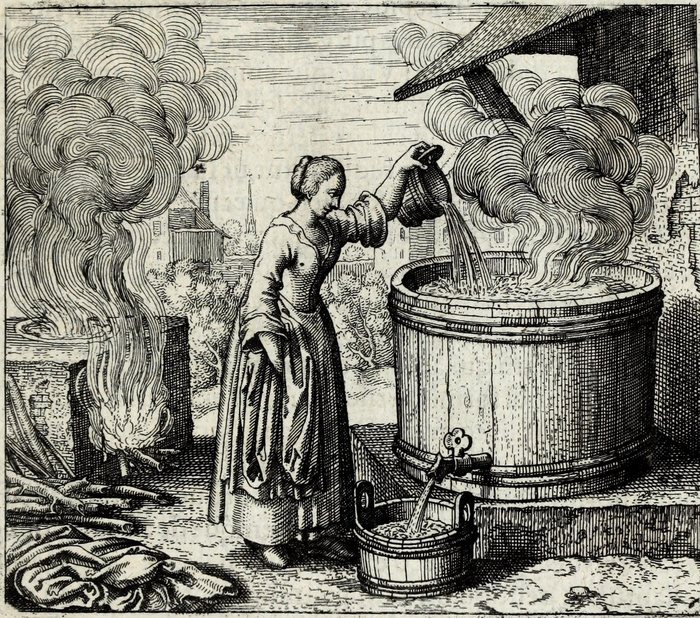 Vade ad mulierem lavantem pannos, tu fac similiter
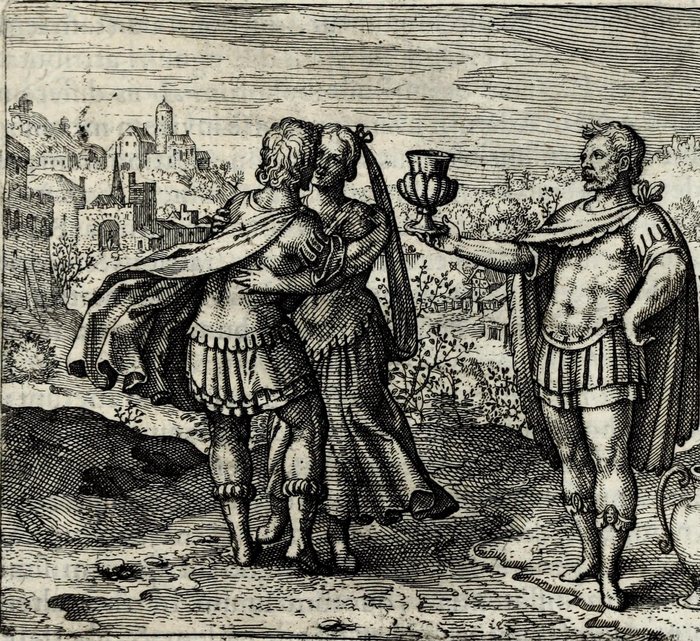 Conjunge fratrem cum sorore & propina illis poculum amoris
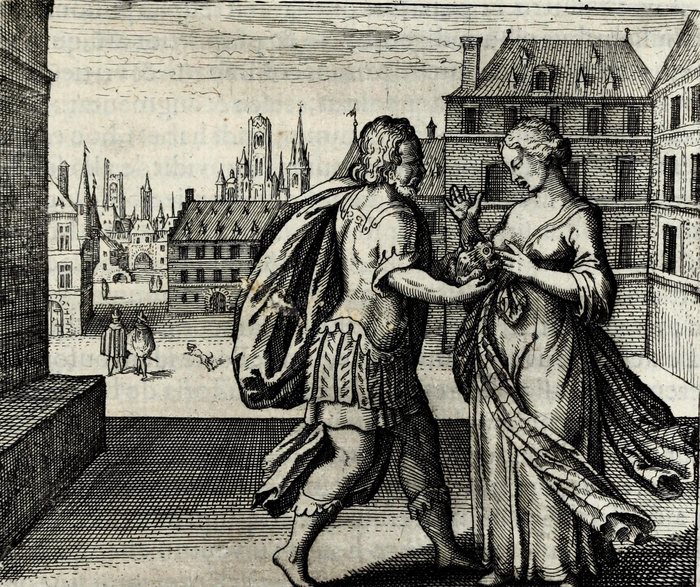 Appone mulieri super mammas bufonem, ut ablactet eum, & moriatur mulier, sitque bufo grossus de lacte
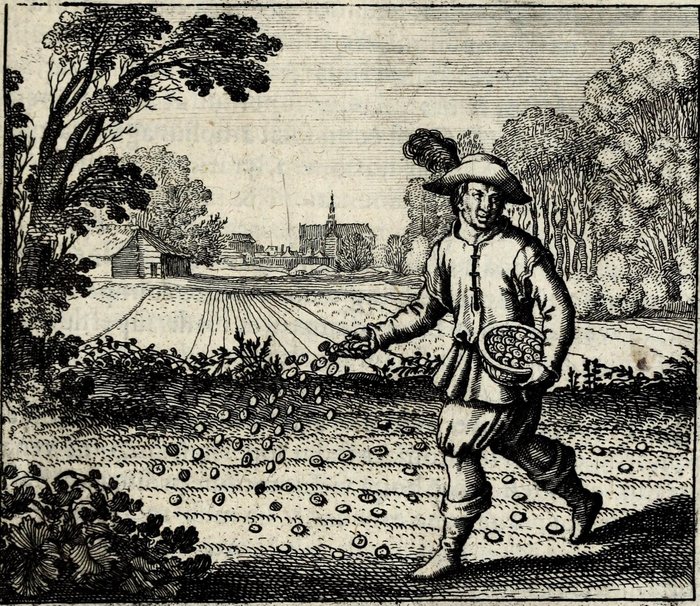 Seminate aurum vestrum in terram albam foliatam
Record
One symbol a week, decoded.
This picture is free at full size from its source, linked above. What an address gets is the Sunday letter: one picture, one symbol marked on it, what it meant and who said so, and the master files of the decoded plates as they are verified. Leave any time.
Free, one letter a week, unsubscribe in one click. How the address is used.
Scroll or pinch to zoom · drag to move · double-tap for 1:1 · 1400 by 1207 pixel web copy; the source file is linked under Record