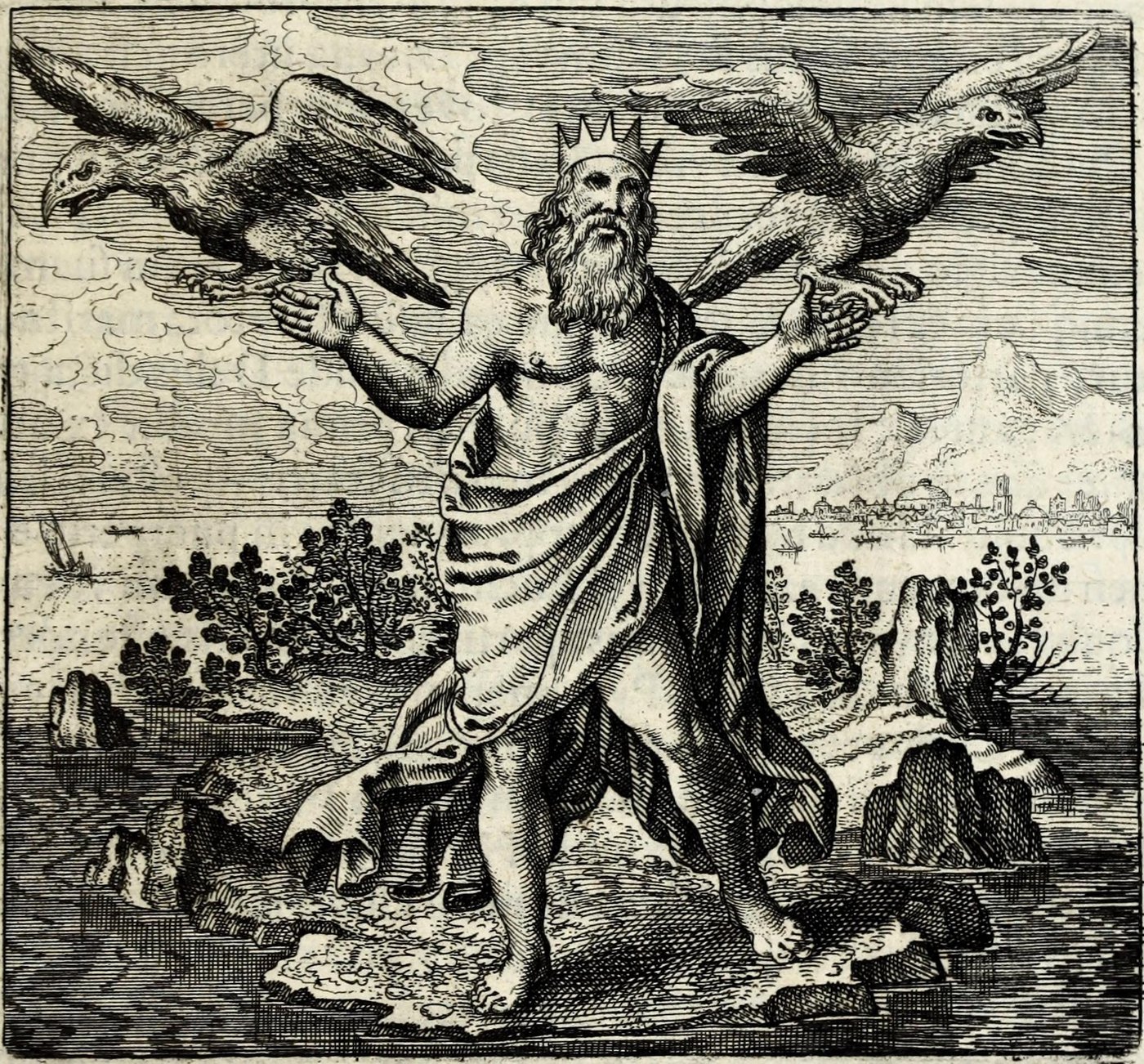
Aquilæ duæ, una ab ortu, altera ab occasu conveniunt
The Bird as the central motif, with the Divine in a secondary part. From Atalanta Fugiens.
What is happening
Michael Maier, 1618 “Aquilæ duæ, una ab ortu, altera ab occasu conveniunt.”
Symbolica, 2026 Maier’s Latin, put into English here: Two eagles meet, one from the east and one from the west.
Michael Maier, 1618 “Jupiter e DELPHIS aquilas misisse gemellas
Fertur ad Eoas Occiduasque plagas:
Dum medium explorare locum desiderat Orbis,
(Fama ut habet) Delphos hae rediere simul.
Ast illae lapides bini sunt, unus ab ortu,
Alter ab occasu, qui bene conveniunt.”
Symbolica, 2026 Maier’s epigram, put into English here: Jupiter is said to have sent twin eagles from DELPHI to the eastern and the western regions, wanting to find the middle place of the World; and, as the story has it, they came back to Delphi together. But those two are two stones, one from the rising and one from the setting, which agree well together.
Key · 2 motifs
Tap a motif on the picture, or a line below. Its note opens under the line, with the reading its author gave it.
- Primary motif
- Secondary motifs · 1
The picture
The two eagles alighting on the hands of the bearded figure between them. By eye
The reading
The picture read whole, in the archive's words, from the sources quoted on the marks. Read on, and the picture follows: the motif under discussion keeps its colour.
‘Aquilæ duæ, una ab ortu, altera ab occasu conveniunt’: two eagles, one from the east and one from the west, meet. A crowned figure stands on a rock with an eagle coming down onto each hand, and the sea behind him.
‘Jupiter e DELPHIS aquilas misisse gemellas / Fertur’, Jupiter is said to have sent twin eagles from Delphi, ‘ad Eoas Occiduasque plagas’, to the eastern and the western regions, wanting to find the middle place of the world; ‘Delphos hae rediere simul’, they came back to Delphi together. The story is the ancient one that made Delphi the navel of the earth, and Merian drew the return.
Then Maier says what the birds are: ‘Ast illae lapides bini sunt, unus ab ortu, / Alter ab occasu’, but those two are two stones, one from the rising and one from the setting, ‘qui bene conveniunt’, which agree well together. The god between them is where they agree. The two eagles are the pair of the other emblems again, sun and moon, brother and sister, warm water and cold, here as two things that fly apart and come back to the same hand.
Decoded: every motif is marked, and each mark carries the reading its author gave it, quoted from the text, or says that it is observed on the picture and not read. The reading above is the archive's own, made from those sources and no others.
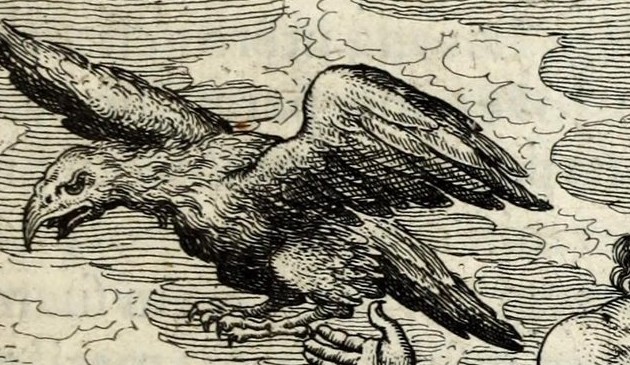
What rises and what comes back down. Note whether the bird is flying, caught, or paired with a second one.
In plain words Two eagles come down onto the hands of a crowned, bearded man. They are the twin eagles Jupiter sent out from Delphi to east and west to find the middle of the world, and they came back to Delphi together. Maier says what they are: two stones, one from the east and one from the west, which agree.
Michael Maier, 1618 “Jupiter e DELPHIS aquilas misisse gemellas / Fertur ad Eoas Occiduasque plagas:”
Symbolica Maier's Latin, put into English here: Jupiter is said to have sent twin eagles from DELPHI to the eastern and the western regions,
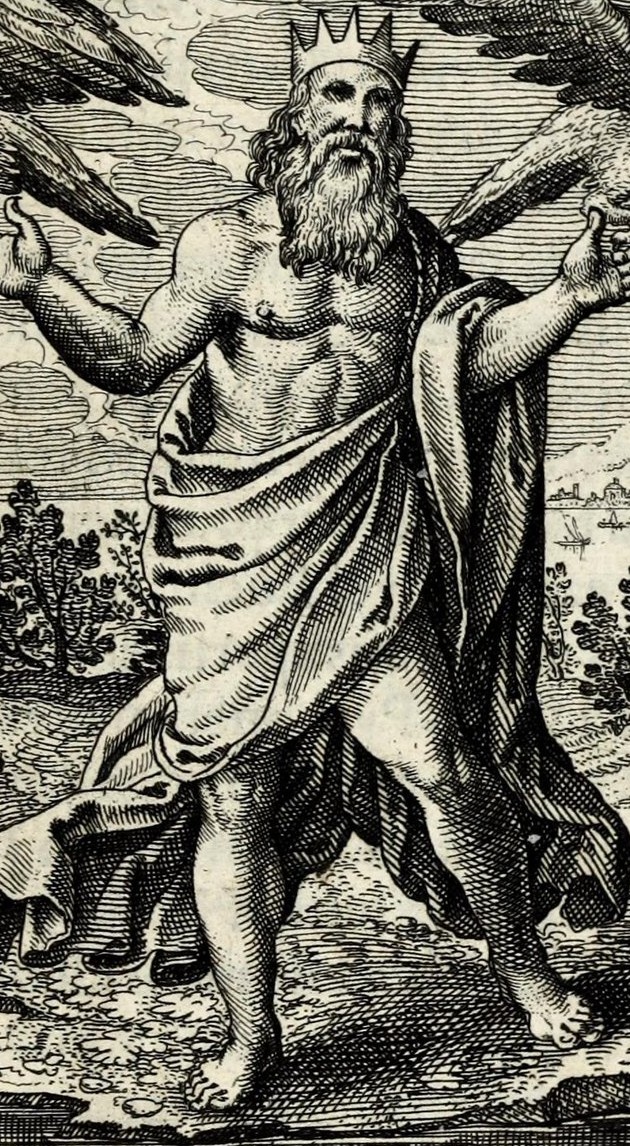
God shown, or pointed at. Look for what stands where a face would be: a name in a cloud, a circle above the top of a diagram, a ring of verses, a sign over a head.
In plain words The man the eagles land on is Jupiter, crowned, standing on a rock in the sea. He sent the birds out and receives them back, and what returns to him, Maier says, is a pair of stones that agree. The god is the point the two meet at.
Michael Maier, 1618 “Ast illae lapides bini sunt, unus ab ortu, / Alter ab occasu, qui bene conveniunt.”
Symbolica Maier's Latin, put into English here: But those two are two stones, one from the rising and one from the setting, which agree well together.
Also carrying the Bird
24 works carry it. The 6 where it is the central motif are here. The symbol.
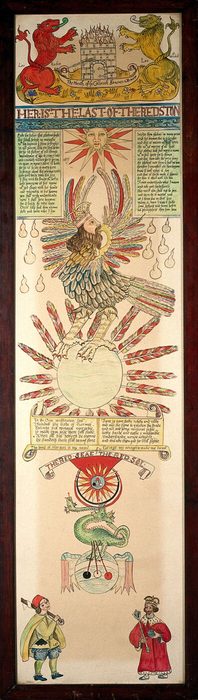
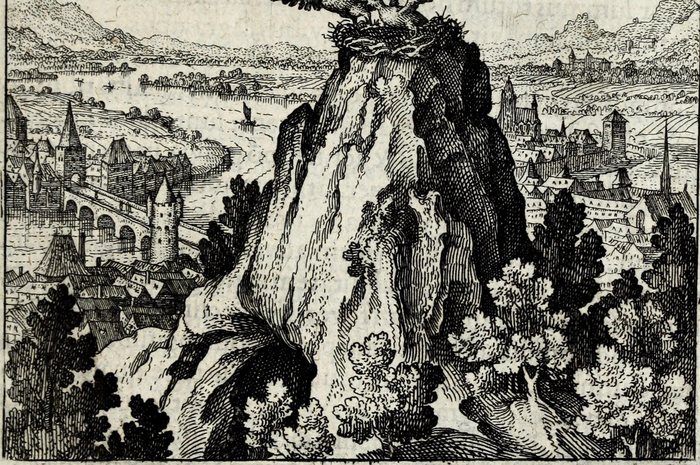
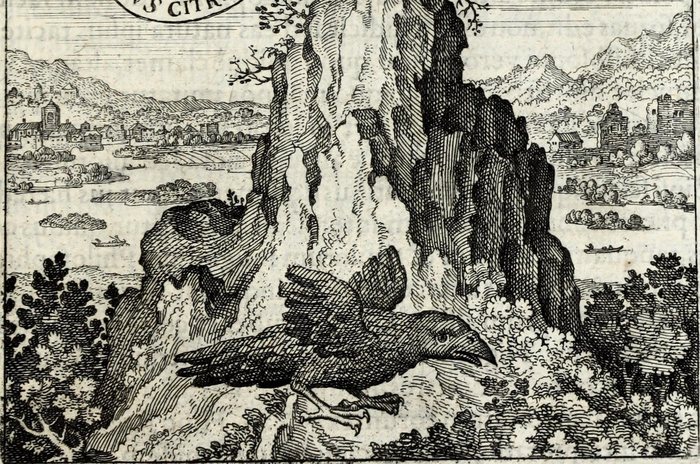
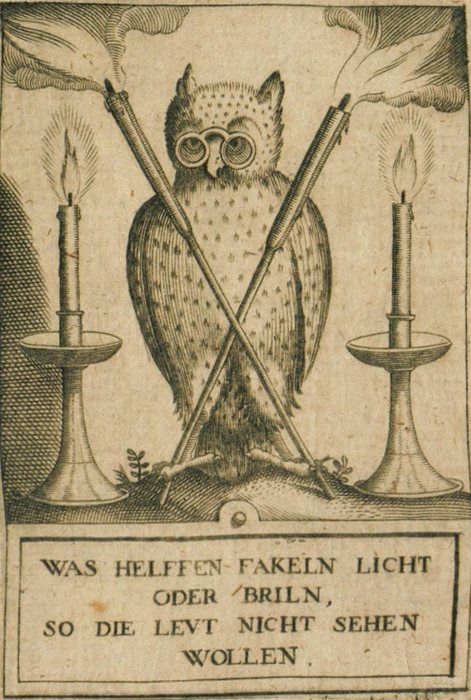
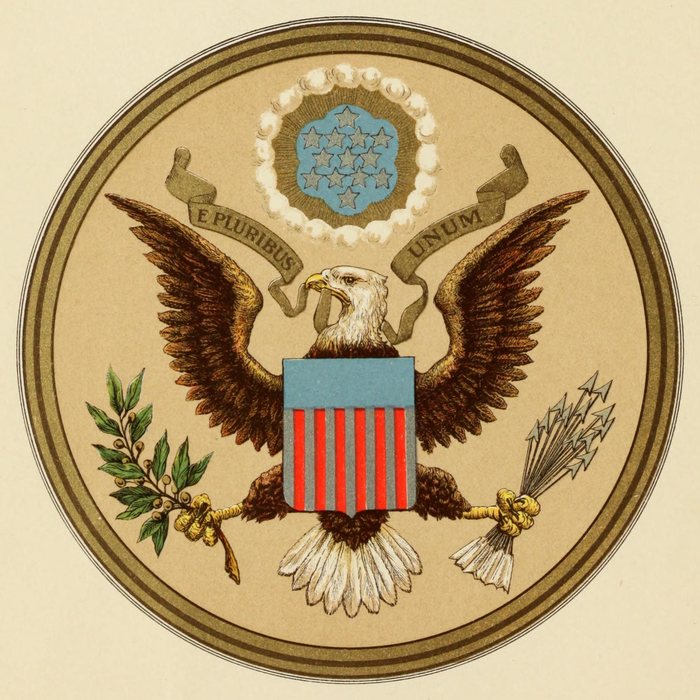
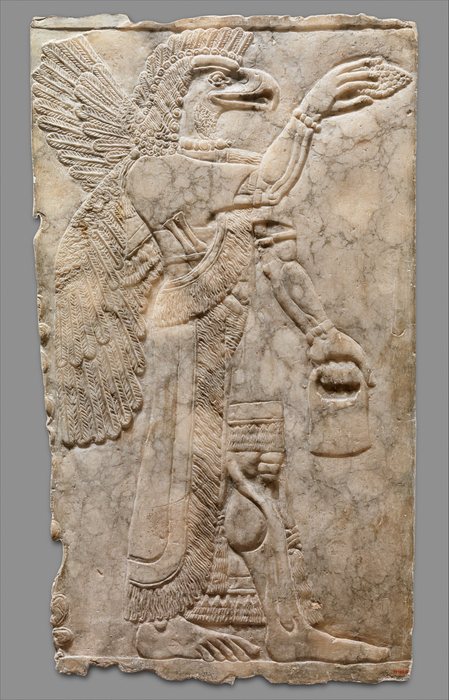
Where the detail is the subject
This is in the picture without being what it is about. Below, one work that is about it.
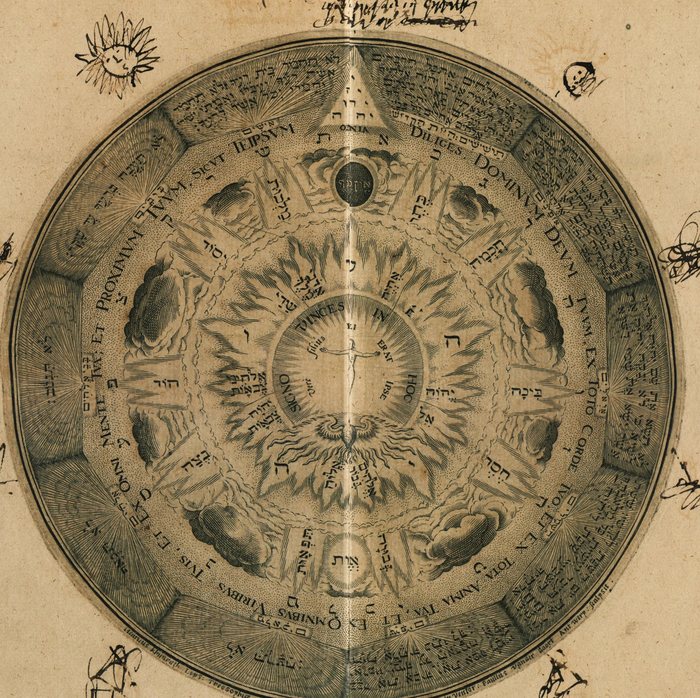
In the same series
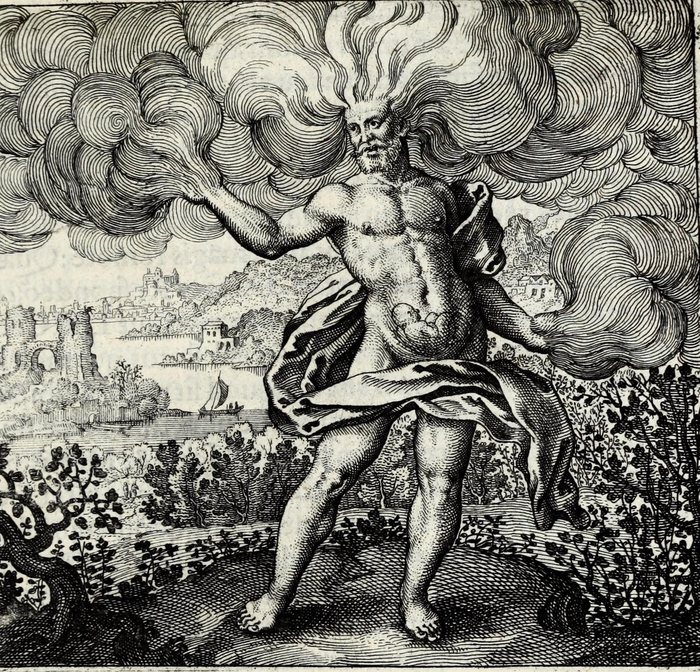 Portavit eum ventus in ventre suo
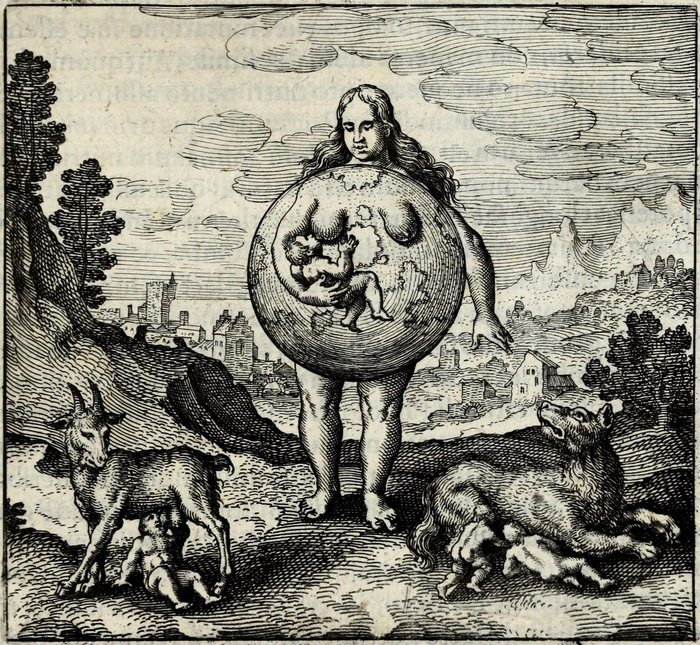 Nutrix ejus terra est
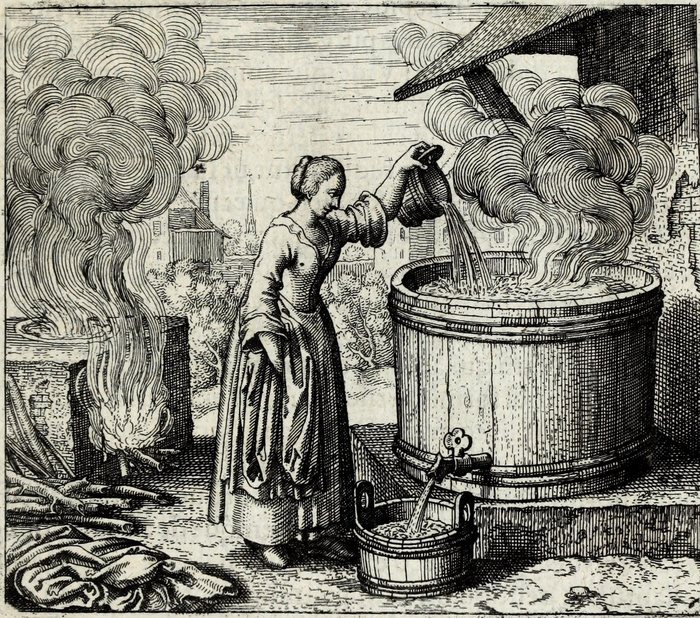 Vade ad mulierem lavantem pannos, tu fac similiter
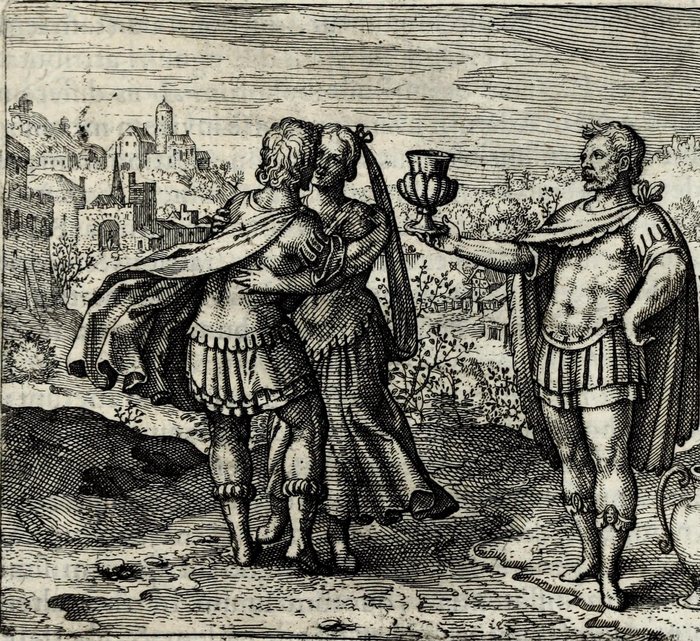 Conjunge fratrem cum sorore & propina illis poculum amoris
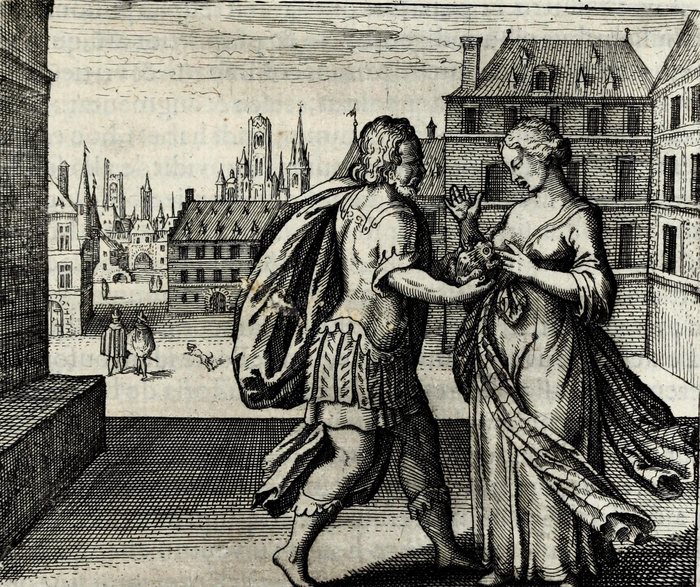 Appone mulieri super mammas bufonem, ut ablactet eum, & moriatur mulier, sitque bufo grossus de lacte
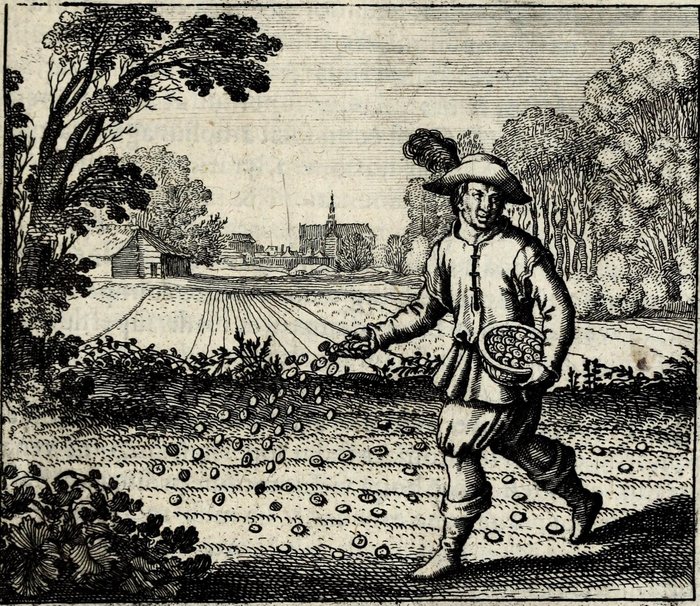 Seminate aurum vestrum in terram albam foliatam
Record
One symbol a week, decoded.
This picture is free at full size from its source, linked above. What an address gets is the Sunday letter: one picture, one symbol marked on it, what it meant and who said so, and the master files of the decoded plates as they are verified. Leave any time.
Free, one letter a week, unsubscribe in one click. How the address is used.
Scroll or pinch to zoom · drag to move · double-tap for 1:1 · 1400 by 1302 pixel web copy; the source file is linked under Record