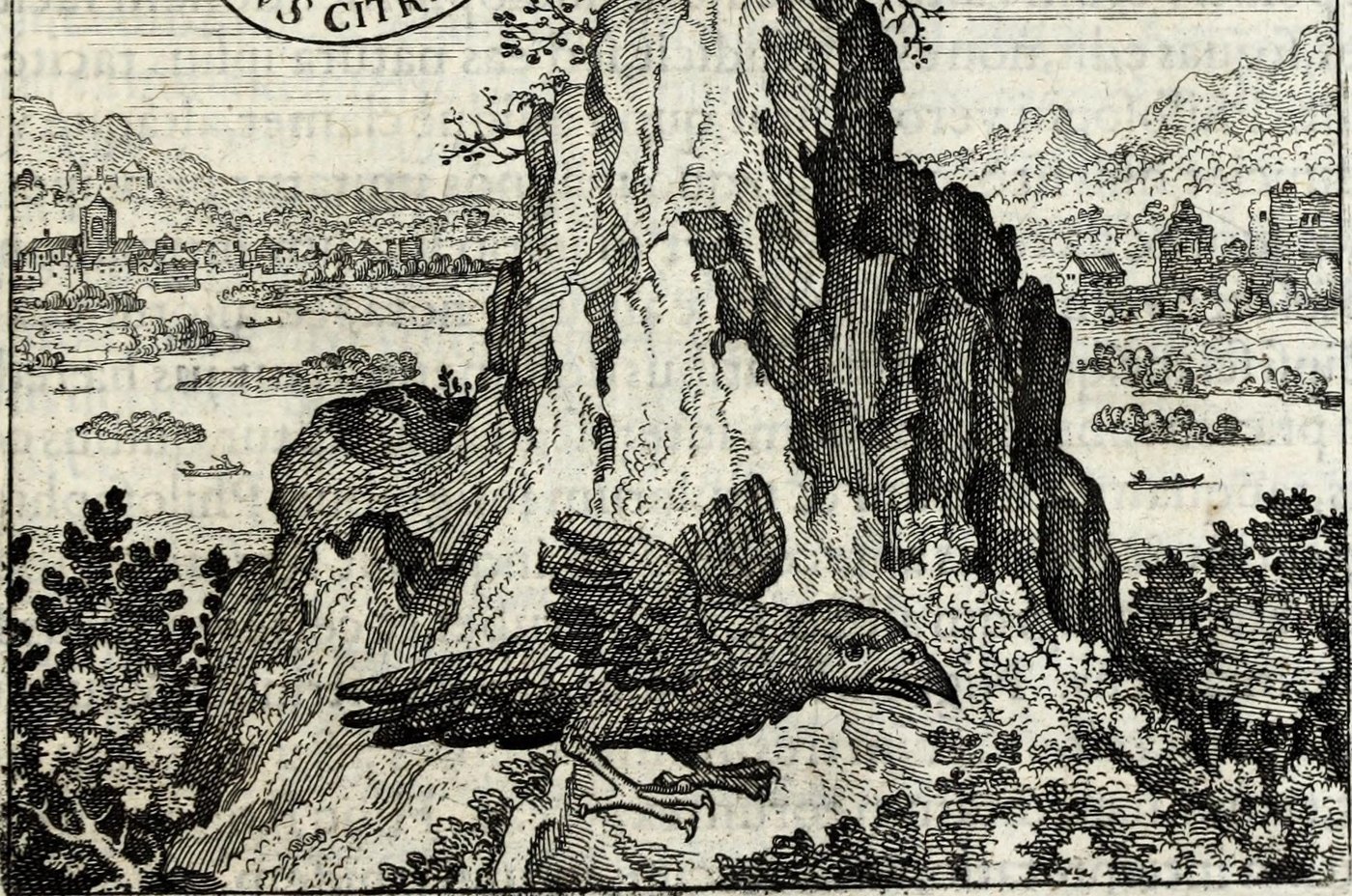
Audi loquacem vulturem, qui neutiquam te decipit
The Bird as the central motif. From Atalanta Fugiens.
What is happening
Michael Maier, 1618 “Audi loquacem vulturem, qui neutiquam te decipit.”
Symbolica, 2026 Maier’s Latin, put into English here: Hear the talkative vulture, who does not deceive you at all.
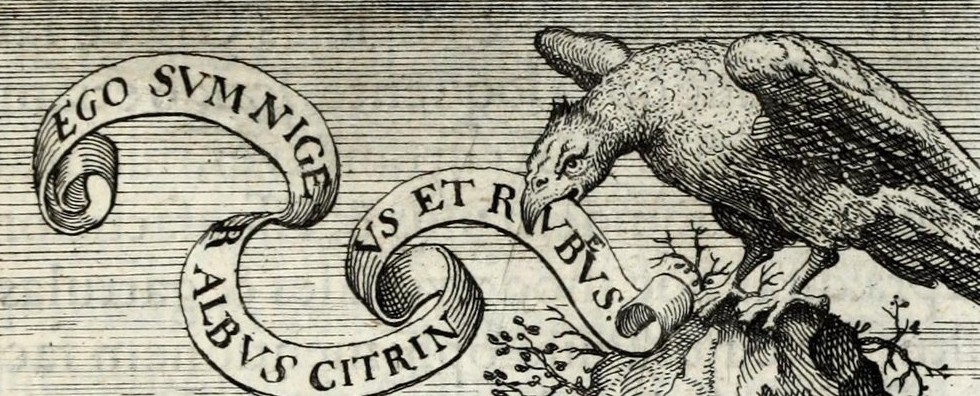
Symbolica The banner's Latin, put into English here: I am black, white, yellow and red.
Michael Maier, 1618 “Montis in excelso consistit vertice vultur
Assidue clamans; Albus ego atque niger,
Citrinus, rubeusque feror nil mentior: idem est
Corvus, qui pennis absque volare solet
Nocte tenebrosa, mediaque in luce diei,
Namque artis caput est ille vel iste tuae.”
Symbolica, 2026 Maier’s epigram, put into English here: On the high summit of the mountain stands a vulture, crying without stopping: I am white and black, I am carried as yellow and as red, and I tell no lie. The same is the Raven, who is used to flying without feathers in the dark of night and in the middle of the light of day, for that one, or this one, is the head of your art.
Key · 1 motif
Tap a motif on the picture, or a line below. Its note opens under the line, with the reading its author gave it.
- Primary motif
The picture
The vulture on the summit of the rock with a banner from its beak lettered I am black, white, yellow and red, and the raven on the rock below it, a river town behind. By eye
The reading
The picture read whole, in the archive's words, from the sources quoted on the marks. Read on, and the picture follows: the motif under discussion keeps its colour.
‘Audi loquacem vulturem, qui neutiquam te decipit’: hear the talkative vulture, who does not deceive you at all. A great bird stands on the summit of a crag with a banner unrolling from its beak, and a second, darker bird sits on the rock below it, over a river landscape.
The banner says what the vulture says, and the epigram repeats it. ‘Montis in excelso consistit vertice vultur / Assidue clamans’, on the high summit of the mountain stands a vulture, crying without stopping: ‘Albus ego atque niger, / Citrinus, rubeusque feror nil mentior’, I am white and black, I am carried as yellow and as red, and I tell no lie. The ribbon from its beak is lettered EGO SVM NIGER, ALBVS, CITRINVS ET RVBVS, with three of its letters lost in the folds. Four colours, which are the four colours of the work in the order the alchemists gave them. Then the identification, which explains the second bird: ‘idem est / Corvus, qui pennis absque volare solet’, the same is the raven, who is used to flying without feathers in the dark of night and in the middle of the light of day, ‘Namque artis caput est ille vel iste tuae’, for that one, or this one, is the head of your art.
The bird names itself, which no other creature in the book does, and what it names is the sequence of colours the matter passes through. Merian drew it twice, the speaking vulture above and the silent raven below, because Maier's sentence says they are one. The archive files the pair with the black crow, the raven's head that begins the work, because Maier says in so many words that the vulture and the raven are one bird.
Decoded: every motif is marked, and each mark carries the reading its author gave it, quoted from the text, or says that it is observed on the picture and not read. The reading above is the archive's own, made from those sources and no others.
Nigredo, the blackening. The first stage, and the one everyone wants to skip.
In plain words Two birds. The vulture stands on the summit with a banner unrolling from its beak, lettered with its four colours: I am black, white, yellow and red. Below it on the rock sits a dark raven. Maier's epigram says they are the same bird, and that this bird is the head of the art; the archive files it with the black crow for that.
The plate, 1618 “EGO SVM NIGER, ALBVS, CITRINVS ET RVBVS.”
Symbolica The banner's Latin, put into English here: I am black, white, yellow and red.
Michael Maier, 1618 “Montis in excelso consistit vertice vultur / Assidue clamans; Albus ego atque niger,”
Symbolica Maier's Latin, put into English here: On the high summit of the mountain stands a vulture, crying without stopping: I am white and black,
Also carrying the Bird
24 works carry it. The 6 where it is the central motif are here. The symbol.
In the same series
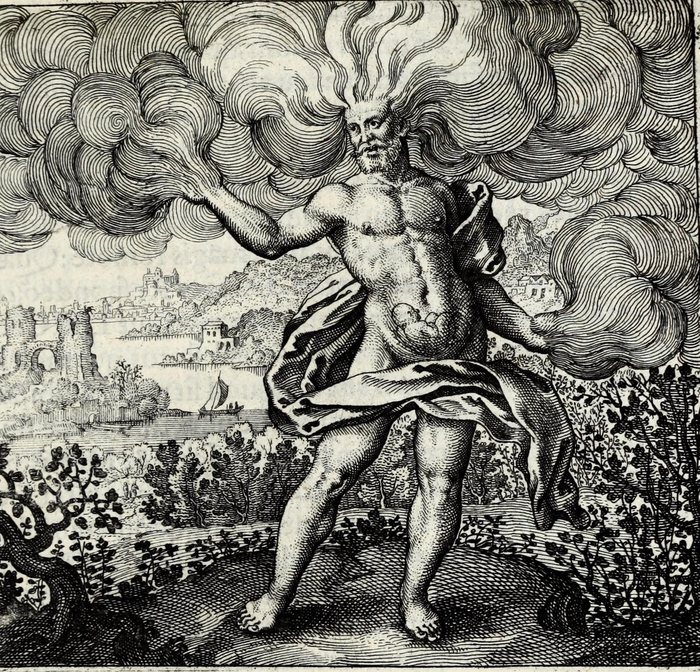 Portavit eum ventus in ventre suo
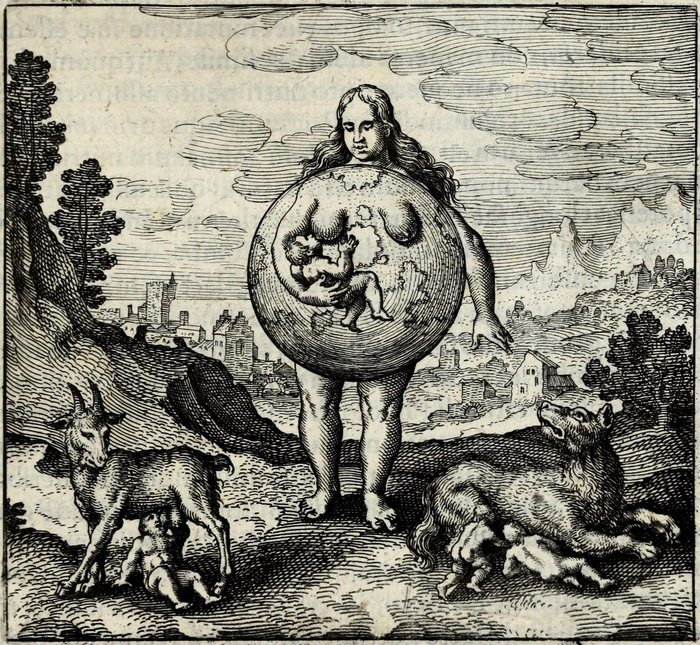 Nutrix ejus terra est
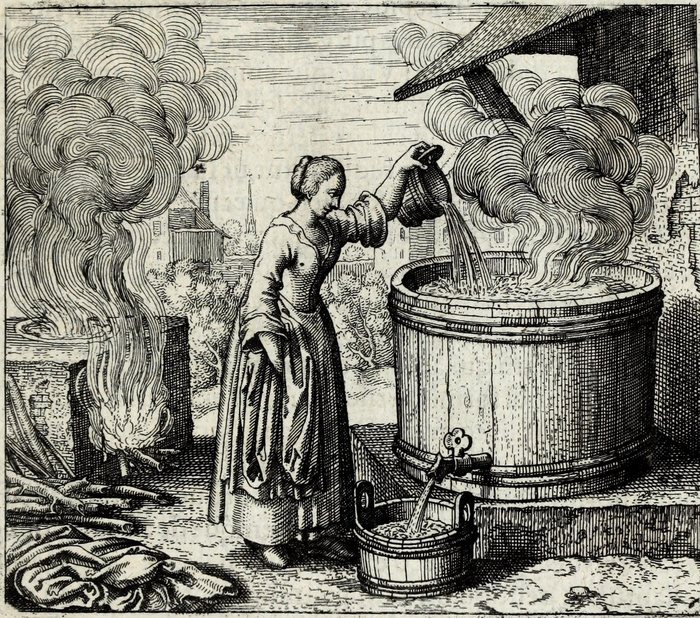 Vade ad mulierem lavantem pannos, tu fac similiter
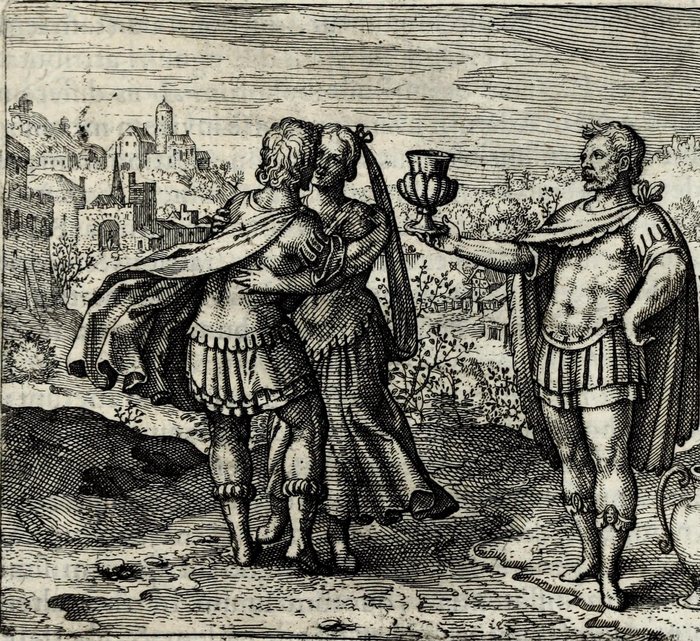 Conjunge fratrem cum sorore & propina illis poculum amoris
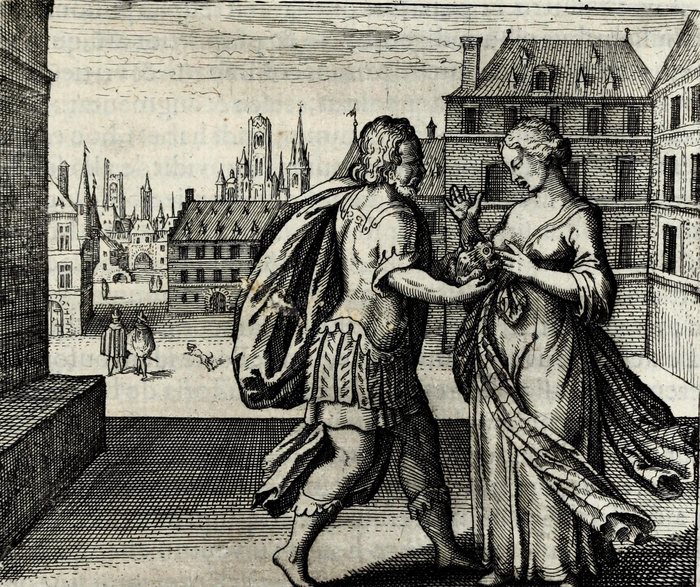 Appone mulieri super mammas bufonem, ut ablactet eum, & moriatur mulier, sitque bufo grossus de lacte
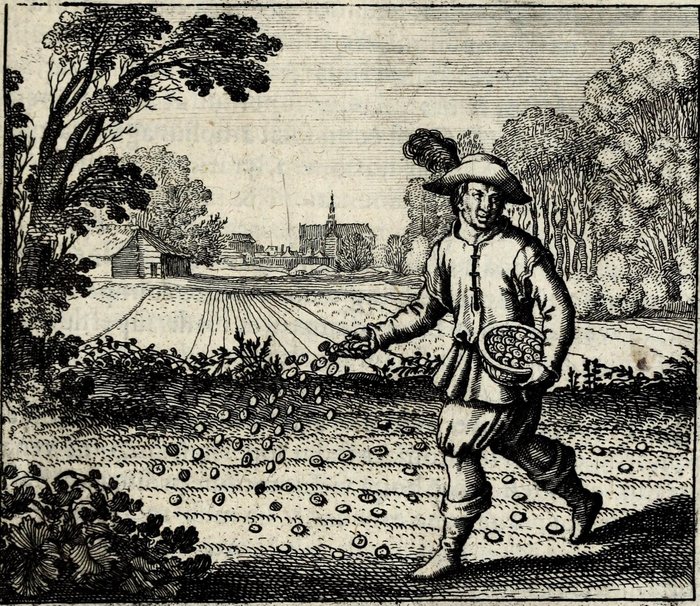 Seminate aurum vestrum in terram albam foliatam
Record
One symbol a week, decoded.
This picture is free at full size from its source, linked above. What an address gets is the Sunday letter: one picture, one symbol marked on it, what it meant and who said so, and the master files of the decoded plates as they are verified. Leave any time.
Free, one letter a week, unsubscribe in one click. How the address is used.
Scroll or pinch to zoom · drag to move · double-tap for 1:1 · 1400 by 1318 pixel web copy; the source file is linked under Record