The Bird
the eagle, the vulture, the fowl
What rises and what comes back down. Note whether the bird is flying, caught, or paired with a second one.
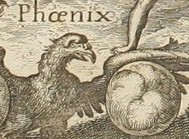
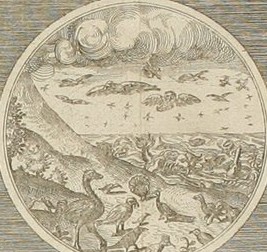
Twenty-five works here carry a bird, and in the alchemical plates the bird is doing one job above all others: it is the part of the work that goes up.
Maier is the plainest voice on it. His seventh emblem states the whole difficulty in a sentence: “Fit pullus à nido volans, qui iterùm cadit in nidum.” The chick flies from the nest and falls back into it. What rises has to come down again or nothing is finished, and the picture gives you the rock, the nest and the bird between the two with nothing else in it to distract from that.
When there are two birds they are opposed and then reconciled. “Aquilæ duæ, una ab ortu, altera ab occasu conveniunt”, two eagles, one from the east and one from the west, meeting. And the pairing runs down into the barnyard without losing its point: “Sol indiget lunâ, ut gallus gallinâ”, the Sun needs the Moon as the cock needs the hen.
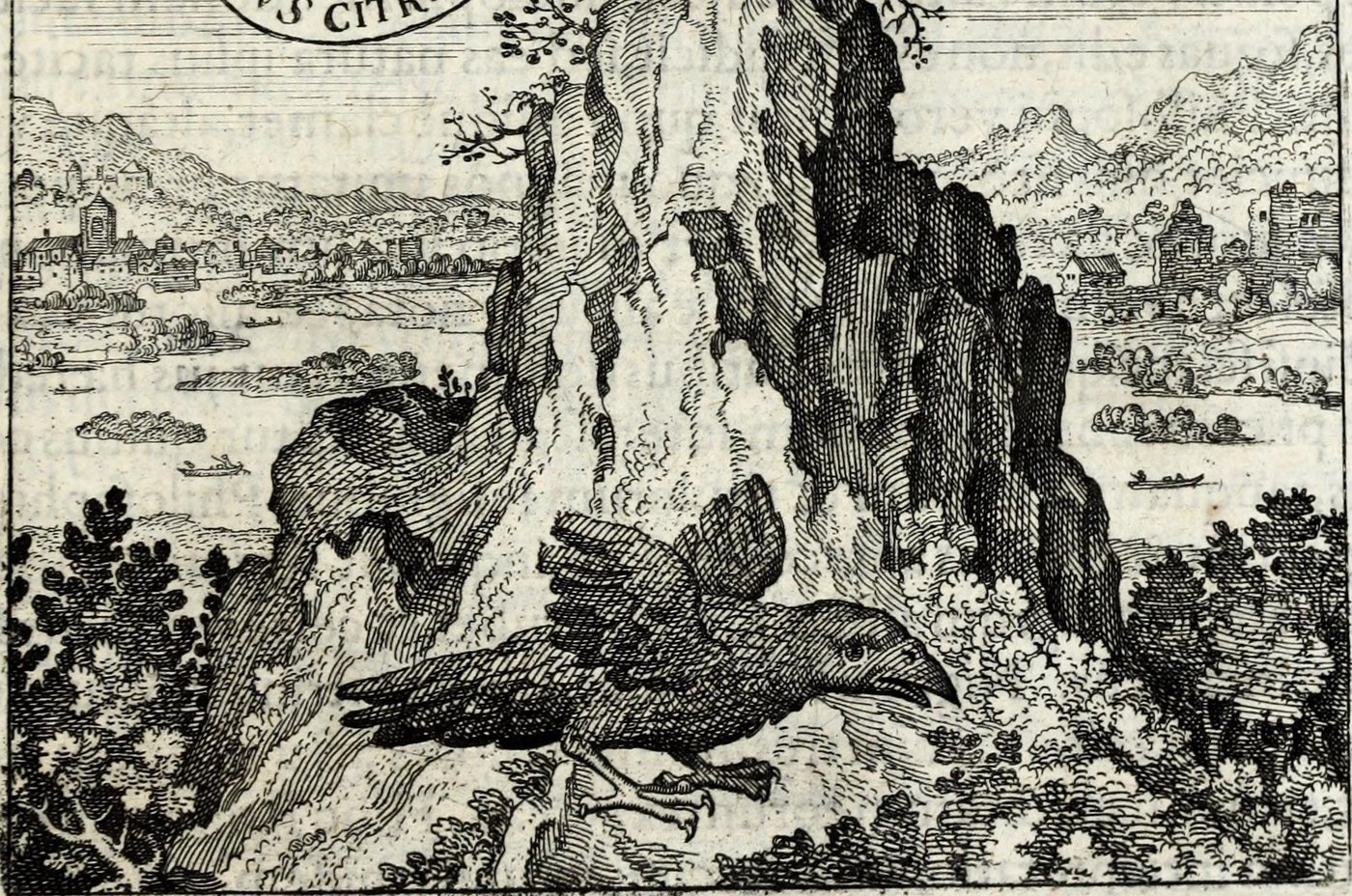
One bird in this archive speaks. The vulture of Maier's forty-third emblem stands on its rock with banners running out of its mouth, and the motto tells you to listen: “Audi loquacem vulturem, qui neutiquam te decipit.” The banner from its beak is lettered with its four colours, black, white, yellow and red, and a second bird, the raven the epigram says it is, sits on the rock below. It is the only picture in the archive where the creature is captioned in its own voice. Maier adds that it is also the raven, “idem est / Corvus”, and the archive gives that bird an entry of its own.
One bird refuses to see. Khunrath's owl of 1609 stands between two lit candles and two burning torches with spectacles on its beak, and the tablet beneath it says “Was helffen Fackeln, Licht oder Brilln, so die Leut nicht sehen wollen.”, what use are torches, light or spectacles, if people will not see. The bird of night, which sees where others cannot, is given every help a day creature could want, and the plate is Khunrath's portrait of the readers who would not read him. It neither rises nor comes down; it stands, and that is the joke.
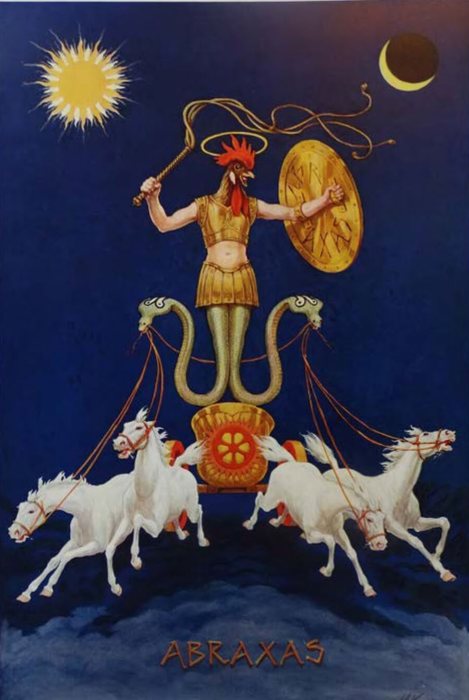
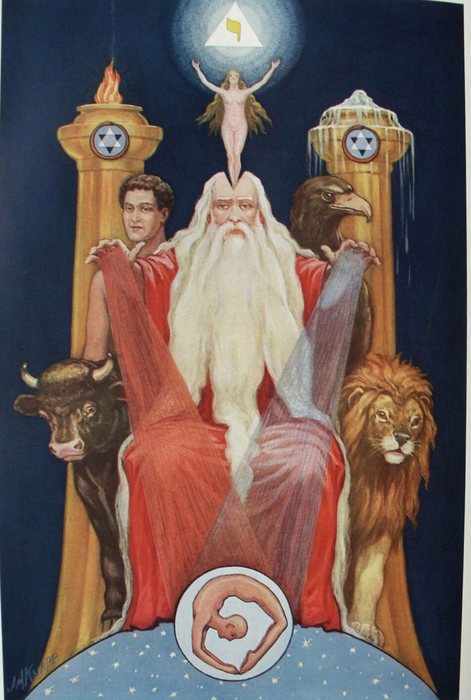
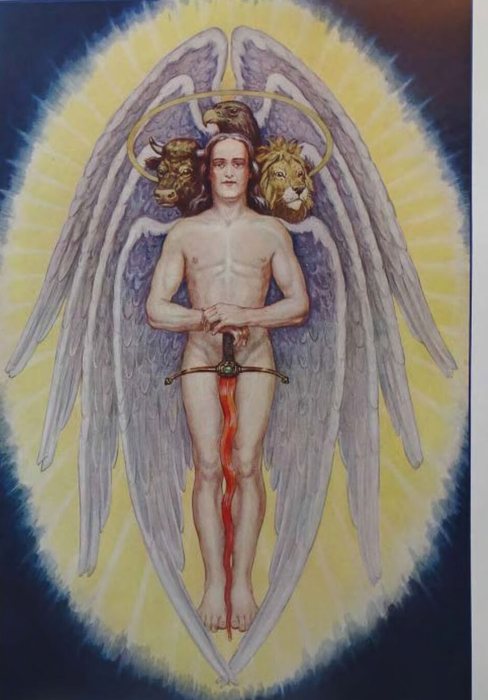
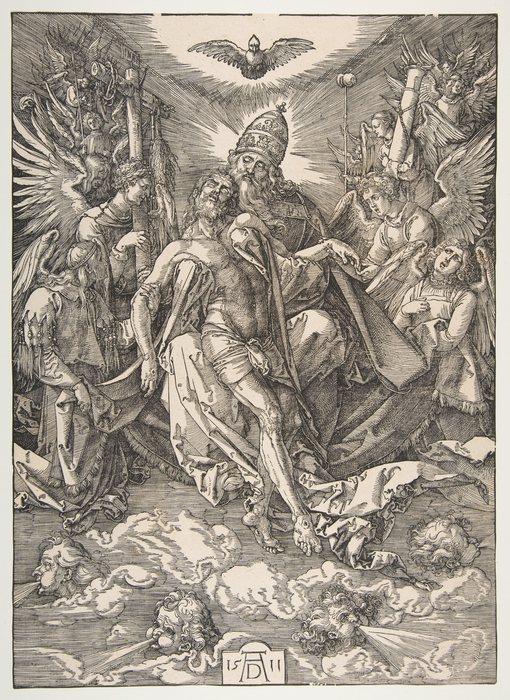
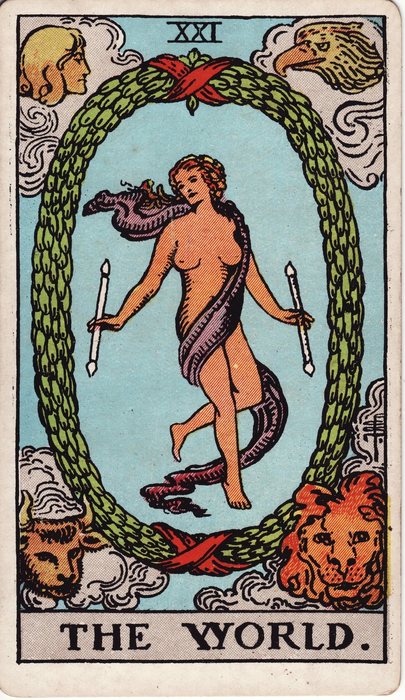
Elsewhere the bird is a part rather than a whole. Hall's Abraxas has “the head of a rooster” on a human body. Dürer sets the dove above the Father and the dead Christ. Waite's four living creatures put an eagle in a corner of the World. And Goya's are the exception that proves what the others assume: “Bats and owls fly round a sleeping man, and place a pencil in his hand wherewith to reproduce his vision.” His birds do not rise. They arrive.
Contested
The birds are marked on their records, Maier's eagles, cock and hen and vulture and the ibis on Hall's Hermes, which his text says the candidate's heart “changed into”. Maier's mottoes and epigrams are quoted from the 1618 printing; his own discourse, where he explains each picture at length, is not yet transcribed, so his birds speak through mottoes and epigrams. Khunrath's owl is read from its own motto, in his German, put into English by the archive. Hall's caption is not yet read against a printed folio, and Calvert is a cataloguer describing the Capricho rather than Goya explaining it.
Sources
- Michael Maier, Atalanta Fugiens, 1618: The motto printed over each engraving, read off the 1618 Oppenheim printing rather than off the scan's machine reading.
- Manly P. Hall, The Secret Teachings of All Ages: Hall's text and plate captions, 1928. Transcribed here, not yet read against a printed folio.
- Arthur Edward Waite, The Pictorial Key to the Tarot: Waite commissioned the 1909 designs and wrote the key to them.
- Albert F. Calvert, Goya, an Account of His Life and Works: An English account of the Caprichos. A cataloguer describing the plate, not Goya explaining it.
- Heinrich Khunrath, Amphitheatrum Sapientiae Aeternae, 1609: The lettering of the plates of the Amphitheatrum, Hanau 1609, read off the page images of the Wellcome and Paris copies at the size of the archive's own images; the Hebrew and Greek are given in transliteration and the English is the archive's.
On the same plate
Where it appears · 25
25 works in the archive carry the Bird. First the 17 where it has been read, with the Bird itself picked out.
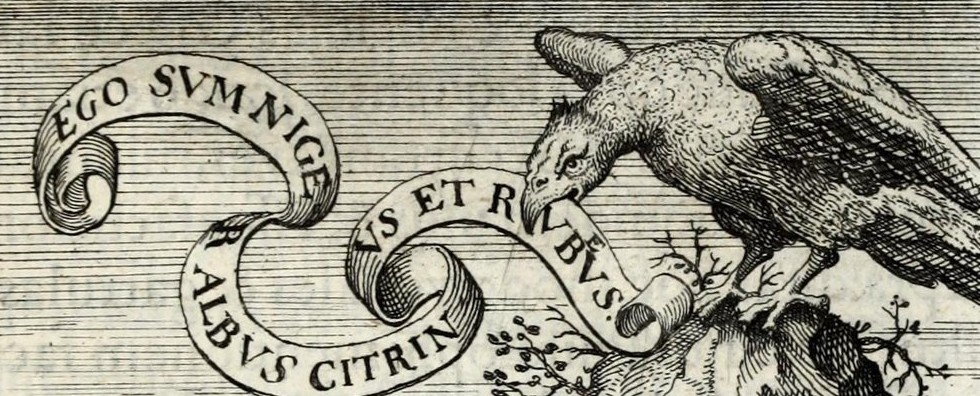
Audi loquacem vulturem, qui neutiquam te decipit
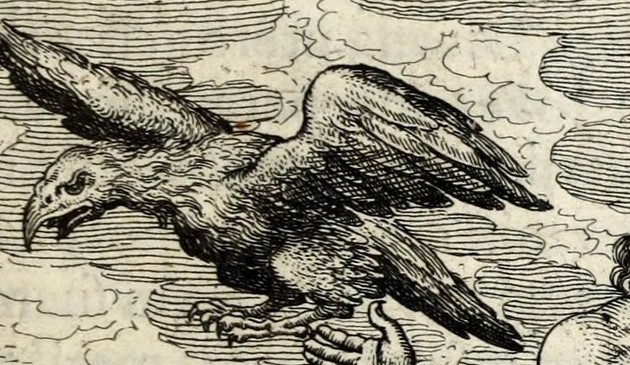
Aquilæ duæ, una ab ortu, altera ab occasu conveniunt
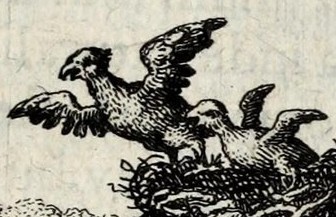
Fit pullus à nido volans, qui iterùm cadit in nidum
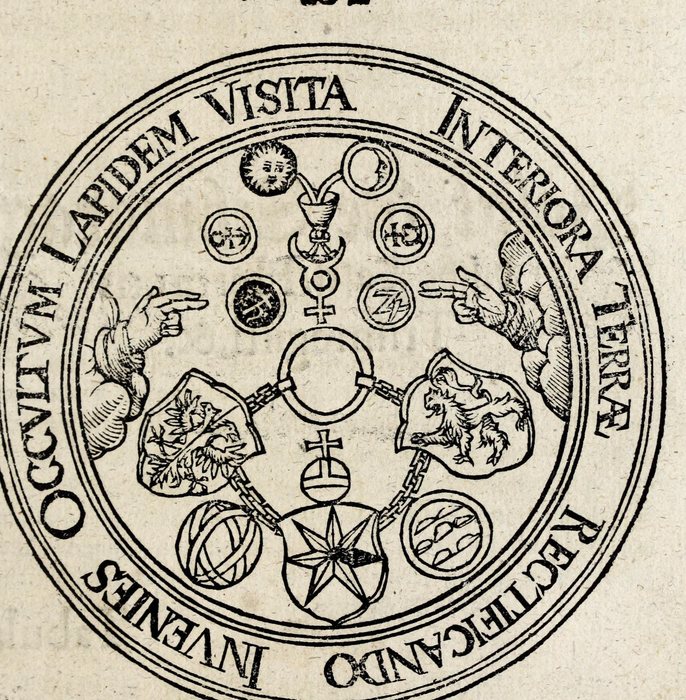
Occultum Lapidem, the Philosopher's Stone
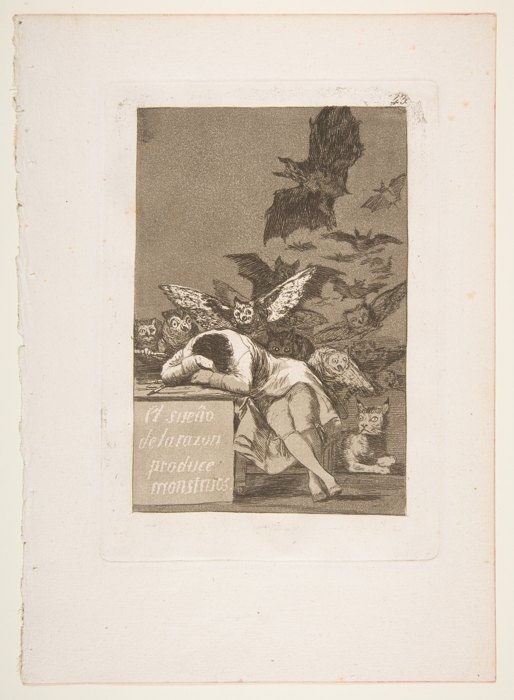
The Sleep of Reason Produces Monsters
Hermes Standing upon the Back of Typhon
Sol indiget lunâ, ut gallus gallinâ
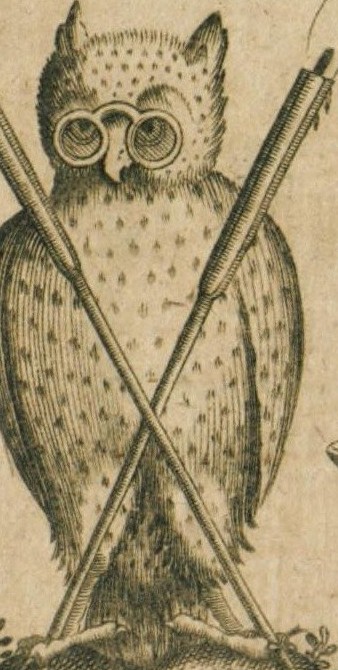
Was helffen Fackeln, Licht oder Brilln, so die Leut nicht sehen wollen
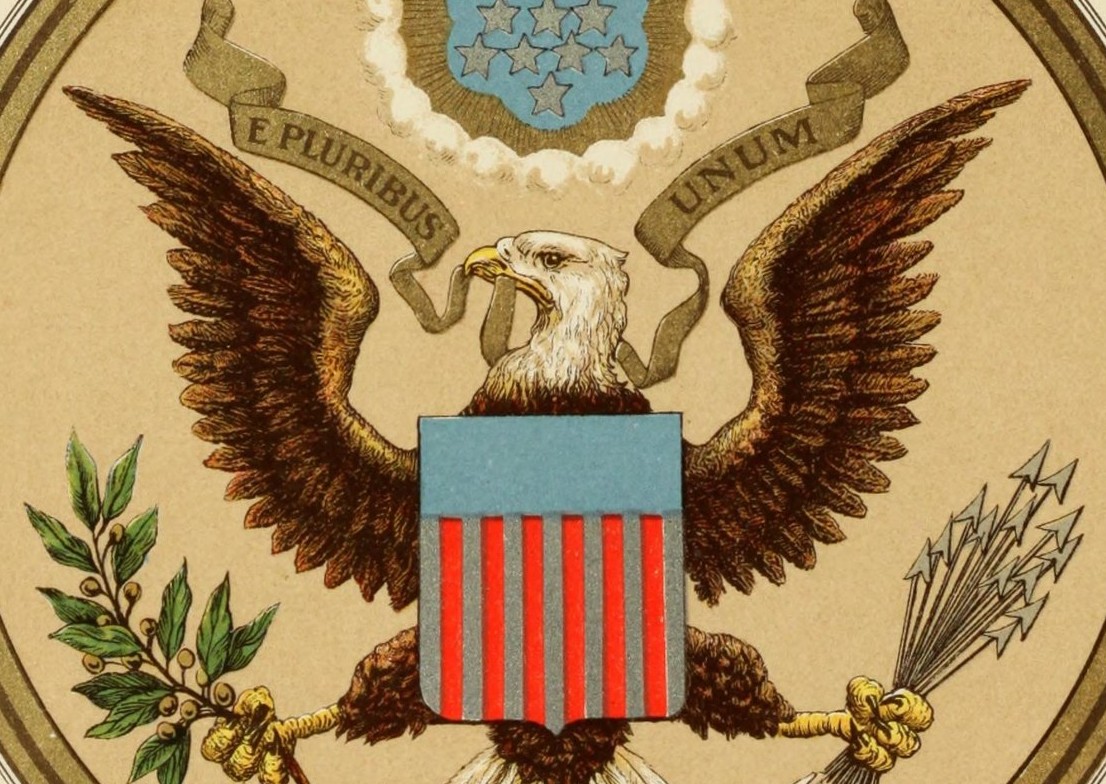
The Great Seal of the United States, the obverse
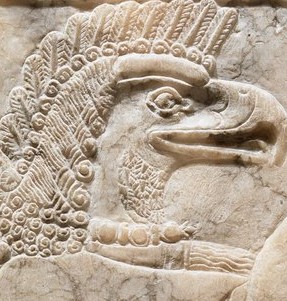
Eagle-headed figure with the bucket and the cone
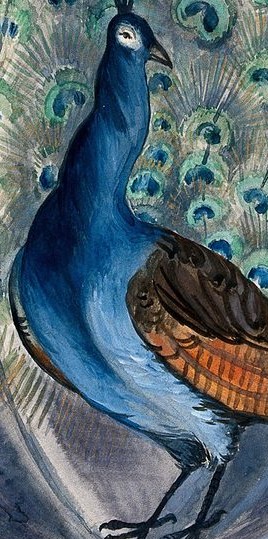
The Peacock in the Flask
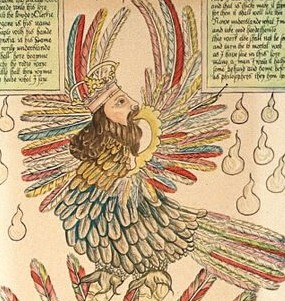
The Bird of Hermes
The man in the boiling bath with the dove on his head
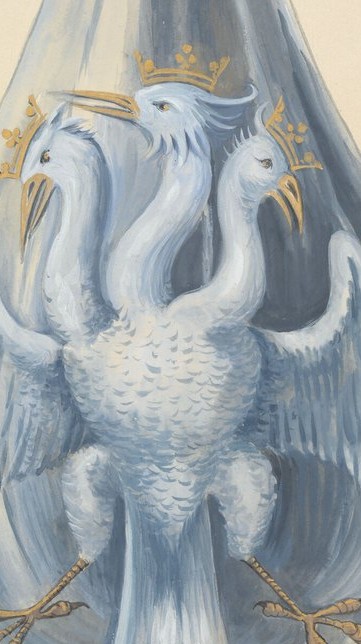
The three-headed bird in the crowned flask
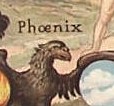
Grand Rosicrucian Alchemical Formula
The operation of the sun, with the Emerald Tablet under it
Creation in ten roundels, with Ripley’s prologue beneath
As a detail in 8 more
In these the Bird is somewhere in the picture, tagged by eye, and nobody has read it yet. When one of them is read, it goes out on a Sunday.