The Heavens
the cosmos, the spheres
A diagram of everything, drawn so that a person can be found inside it. Note where the human figure stands in the scheme.
Sixty-two works here draw the heavens, and almost all the ones the archive has read are really drawing a correspondence.
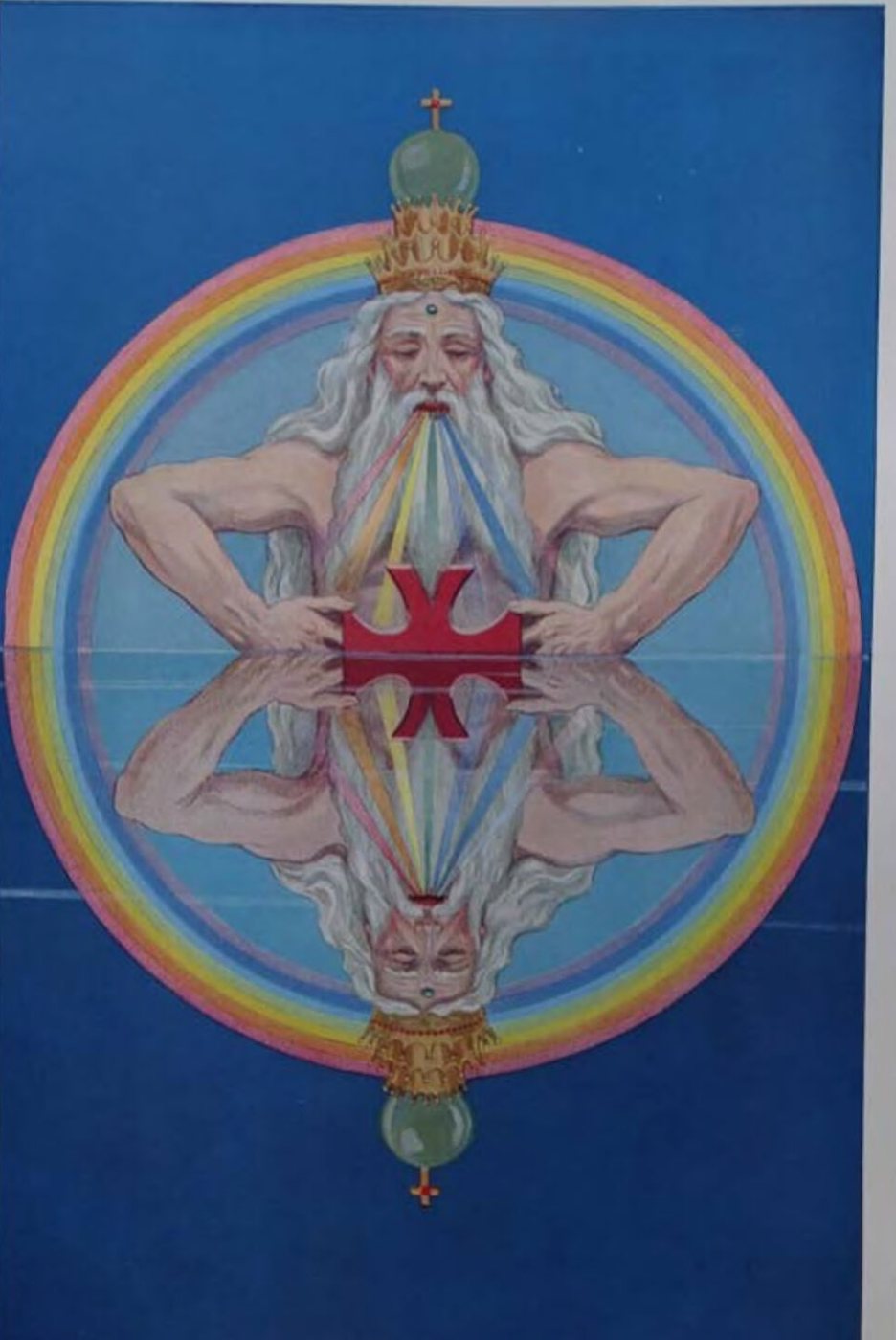
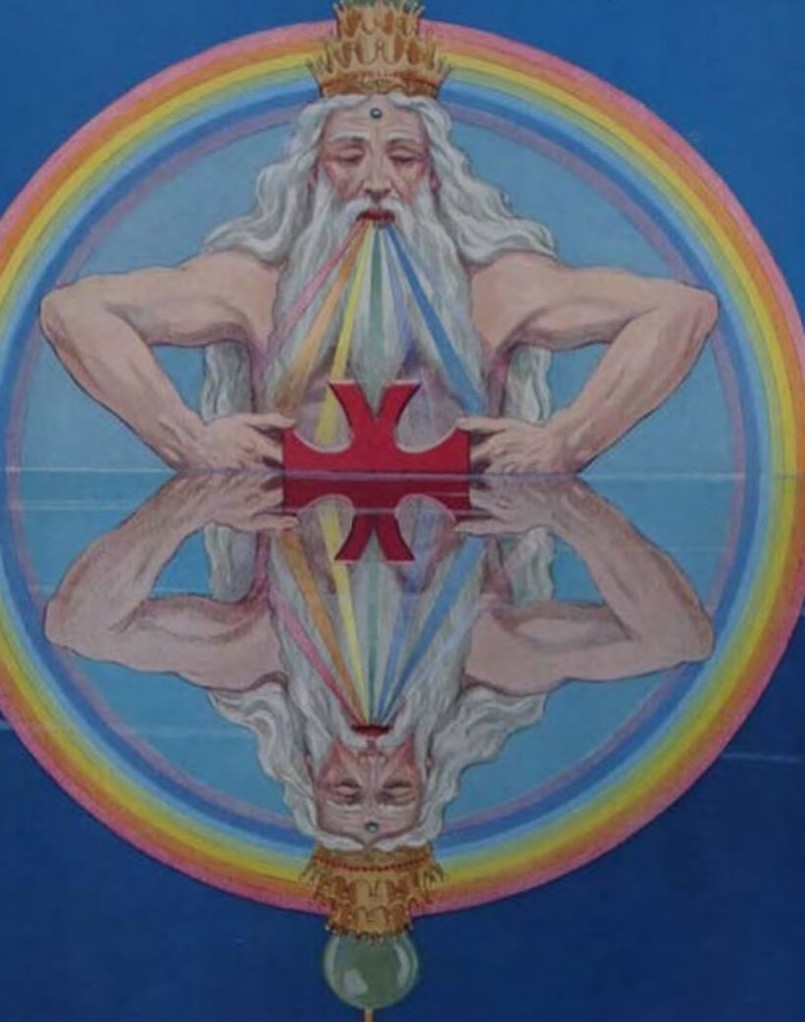
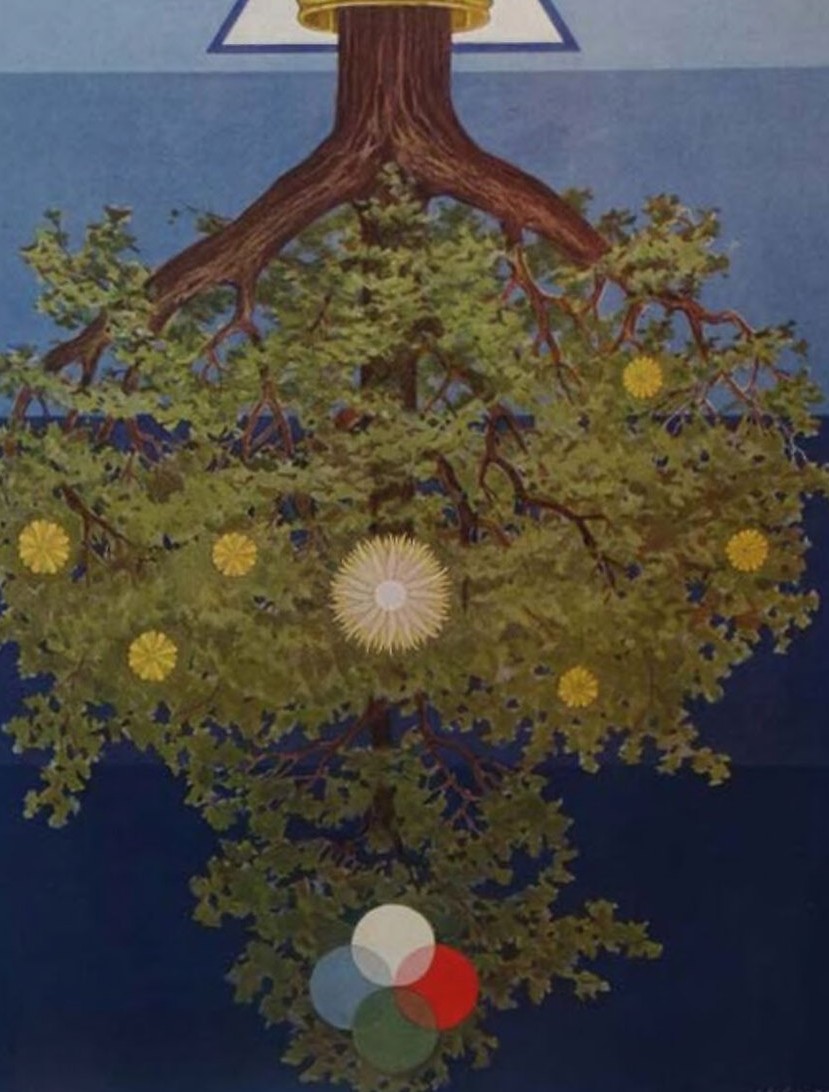
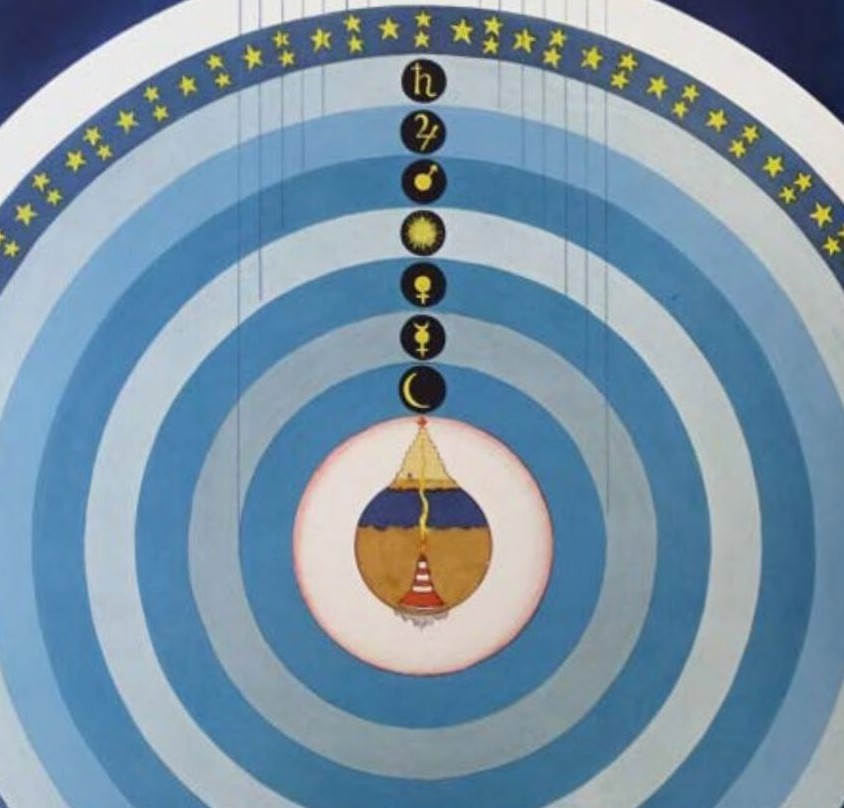
Hall states it as a rule in the plate of the macrocosm and the microcosm: “As the universe is the reflection of the Ancient One, so the human body is the reflection, or inverted image, of man's spirit.” Once that is granted, a cosmology becomes a description of a person, and the plates behave accordingly. The chakras run up a spine rather than across a sky. The key to the Divine Comedy sets the soul climbing: “As the soul climbs the seven steps of Purgatory it is cleansed of the seven mortal sins, and it then ascends through the seven spheres of the Ptolemaic universe.” The Tree of the Sephiroth is a cosmos drawn as a plant, “ten globes of luminous splendor arranged in three vertical columns”.
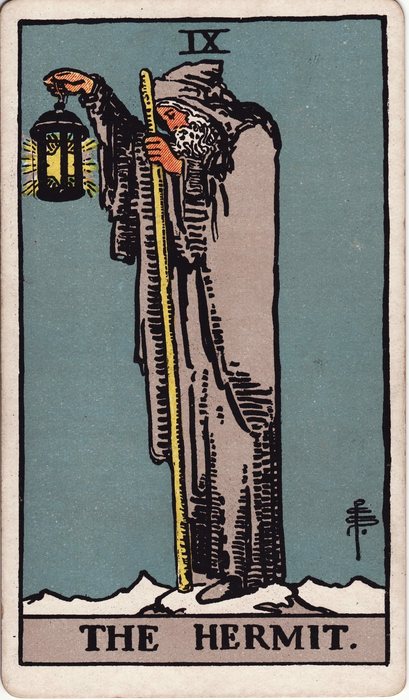
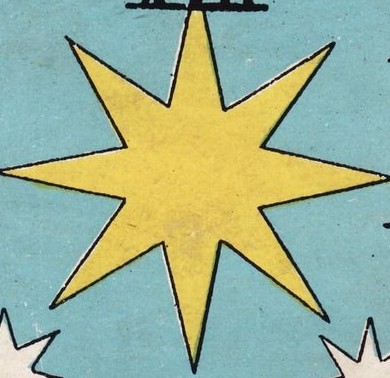
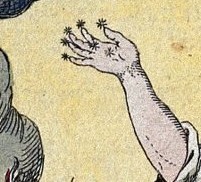
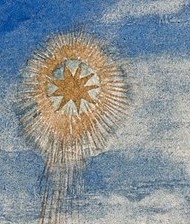
The number that keeps returning is seven, and it is not always the same seven. Seven spheres in Dante. Seven wheels on the spine. Seven stars in the hand of the figure between the candlesticks, which the Apocalypse itself glosses without ambiguity: “The seven stars are the angels of the seven churches.” The tarot puts eight rays on a star and then surrounds it with seven more, and Waite counts them precisely: “A great, radiant star of eight rays, surrounded by seven lesser stars--also of eight rays.”
Maier's heavens of 1618 are diagrams of the work too. Four spheres of fire are stacked in the sky over a river, “Orbita quadruplex hoc regit ignis opus”, a fourfold orbit governs this work of fire; the globe of the earth throws its shadow across the stars, “Sol & ejus umbra perficiunt opus”, the sun and its shadow complete the work; a geometer sets his compass to a circle with a man and a woman at its centre. In every case the sky is standing in for the vessel.
Dee's Monas of 1564 draws the heavens twice as parts of his glyph. The thirteenth theorem's grid sets the signs of the seven planets in a cross of squares, each made of the pieces of the one sign, with the monad hatched in the middle, and the label down its margin reads “Totius astronomiae inferioris anatomia Monadica principalis.”, the principal monadic anatomy of the whole of inferior astronomy, which is his name for alchemy. The eighteenth draws an egg with the orbits of the planets inside it as dotted rings and the glyph down its axis, and opens by saying that “Caelestem Astronomiam, inferioris esse quasi Parentem et Magistram”, celestial astronomy is as it were the parent and mistress of the inferior: the sky drawn inside the vessel, which is Maier's habit stated as a theorem fifty years before Maier. On the title the frame of the glyph is lettered “Ignis. Aer. Terra. Aqua.” at its corners, with a sun and a moon at the top and roundels of earth and sea at the foot. Khunrath's school of Nature of 1609 has no diagram at all: a landscape of mountains, lake and town with the learned walking in it, which his caption calls “des grossen Weltbuchs der Natur”, the great World-Book of Nature, and lists what it is written in, “Mare, Aquas, Lapides, Vegetabilia, Animalia, Mineralia atque Metalla.” The macrocosm as a place to go for a walk with a book.
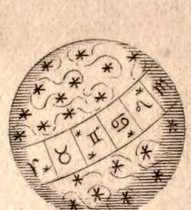
Cross's chart of 1819 puts the heavens on a globe, and the monitor reads the globe as an instrument: on its surface are “the face of the heavens, the planetary revolutions, and other particulars”, and its use is to “illustrate and explain the phenomena arising from the annual revolution, and the diurnal rotation, of the earth round its own axis”. His point within a circle is the same habit turned to conduct, a man drawn as a dot inside the line he must not cross; and his ladder climbs into a cloud of seven stars, where the monitor's one sentence on the subject puts Charity, “beyond the grave, through the boundless realms of eternity”.
What the archive can say is that these pictures use the sky as a way of arranging things that are not in the sky. What it cannot say is that any two of them mean the same seven.
Contested
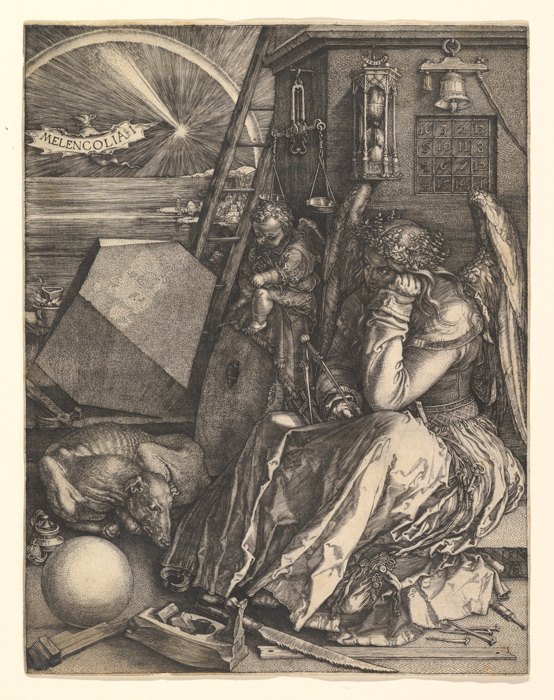
Hall is writing in 1928 about traditions he is describing rather than transmitting, and his plates were drawn to his instructions, so a plate and its caption are one voice and not two. The comet and rainbow in Melencolia I are marked here as observed: Conway names neither. Dee's Latin and Khunrath's Latin and German are read off their pages and put into English by the archive.
Sources
- Manly P. Hall, The Secret Teachings of All Ages: Hall's text and plate captions, 1928. Transcribed here, not yet read against a printed folio.
- Arthur Edward Waite, The Pictorial Key to the Tarot: Waite commissioned the 1909 designs and wrote the key to them, so his account is the closest thing the deck has to an author's statement.
- The Apocalypse of Saint John, Douay Rheims, Challoner revision: Quoted from the Challoner revision, the English text the archive uses for the Apocalypse throughout.
- William Martin Conway, Literary Remains of Albrecht Durer: Conway's translations and commentary. A nineteenth-century scholar reading the prints, not Durer explaining himself.
- Robert Fludd, Utriusque cosmi historia, 1617: The first tractate of the first volume, Oppenheim 1617, read in the Latin of the Getty Research Institute copy with the archive's English beside it: Fludd's own explanations of the mirror of nature, the black square of the first matter and the world monochord.
- J. B. Craven, Doctor Robert Fludd, the English Rosicrucian, 1902: An Orkney clergyman's book-by-book account of Fludd, which describes the plates in English. A reader of 1902 looking at the pages, not Fludd explaining himself.
- Jeremy L. Cross, The True Masonic Chart, or Hieroglyphic Monitor, 1826: The printed lectures of Cross's monitor, New Haven 1826, read against the page images of the Library of Congress copy; each emblem's sentence is quoted where the monitor carries it, and the plates whose lectures went unprinted say so.
- Michael Maier, Atalanta Fugiens, 1618: The mottoes and epigrams of the fifty emblems, Oppenheim 1618, read against the page images of the Getty Research Institute copy; the English is the archive's own and is marked as such on every record. Maier's discourses, in which he explains each emblem at length, are not yet transcribed.
- John Dee, Monas Hieroglyphica, 1564: The lettering of the figures and the theorems beside them in the Frankfurt printing of 1591, read off the page images of the Getty Research Institute copy; the English is the archive's.
- Heinrich Khunrath, Amphitheatrum Sapientiae Aeternae, 1609: The lettering of the plates of the Amphitheatrum, Hanau 1609, read off the page images of the Wellcome and Paris copies at the size of the archive's own images; the Hebrew and Greek are given in transliteration and the English is the archive's.
On the same plate
Where it appears · 62
62 works in the archive carry the Heavens. First the 47 where it has been read, with the Heavens itself picked out.
The Macrocosm and the Microcosm
The Tree of the Sephiroth
The Key to Dante's Divine Comedy
The Star (XVII)
Christ Between Seven Candlesticks

The Grand Man of the Zohar
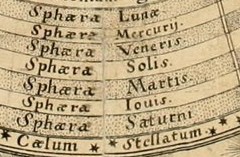
Integrae Naturae Speculum Artisque Imago

Monochordum Mundanum, the Divine Monochord
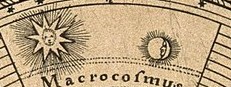
Man the Microcosm, the title page of Utriusque Cosmi Historia

Et sic in infinitum

Systema Sephiroticum, the Tree of the Sephiroth
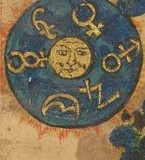
Figura Divina: Theosophia, Cabalia, Chimia
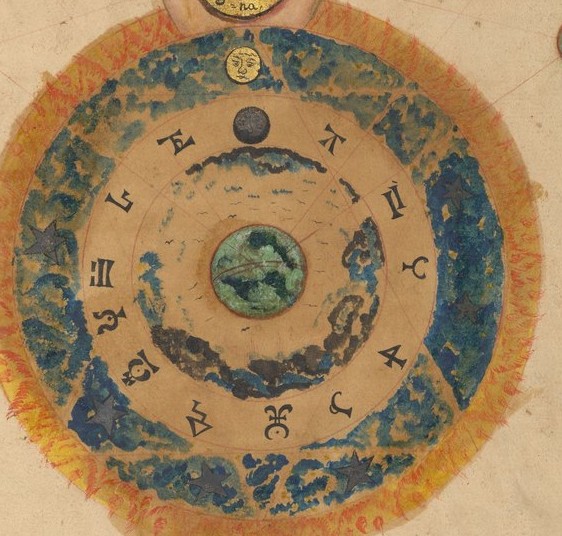
Jungfrau Sophia, the Virgin Wisdom
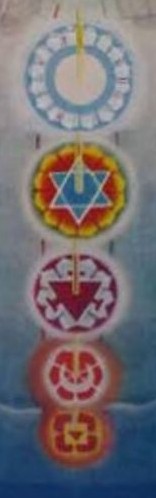
The Seven Spinal Chakras
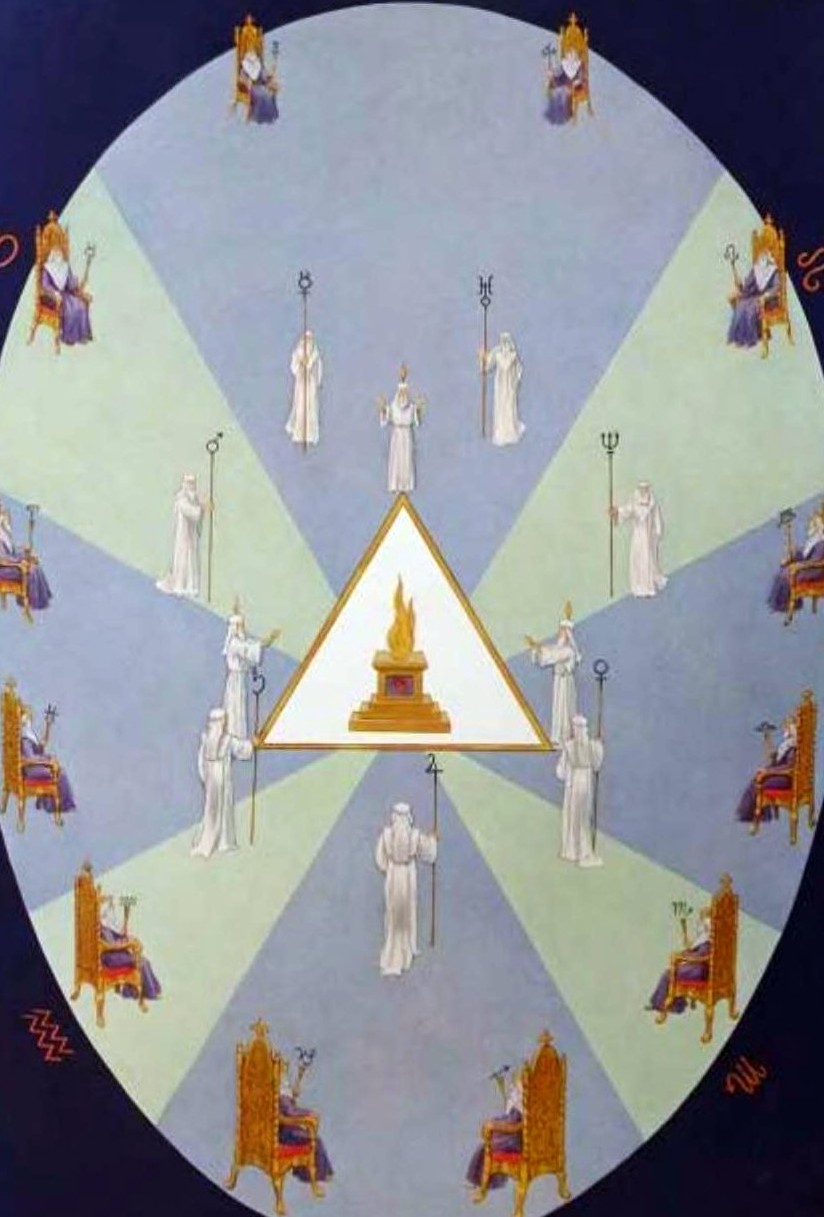
The Contents of the Zodiacal Egg
Angel of the Revelation (Book of Revelation, chapter 10)
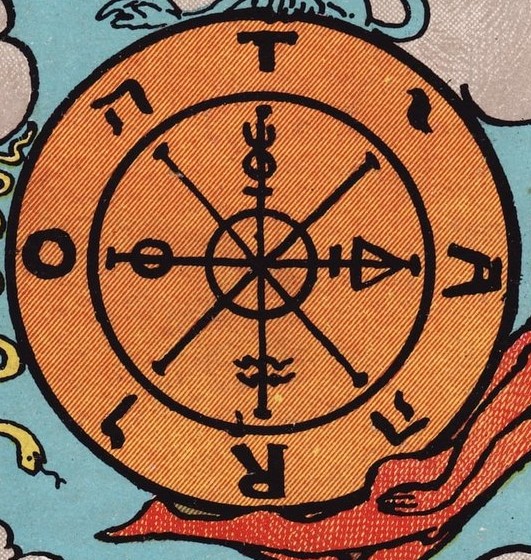
Wheel of Fortune (X)
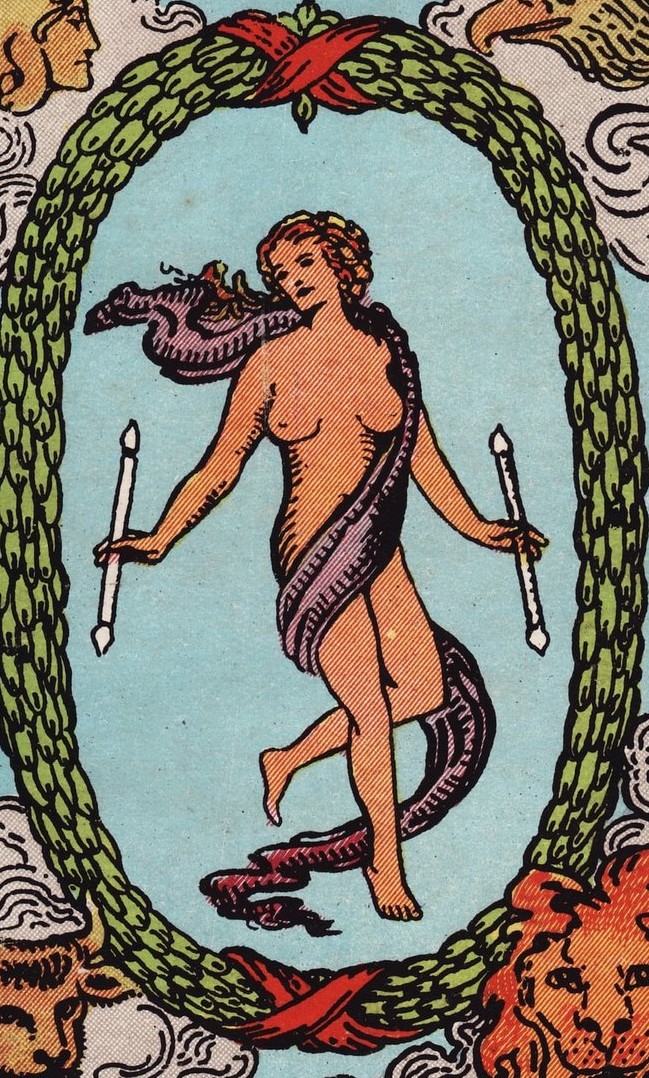
The World (XXI)
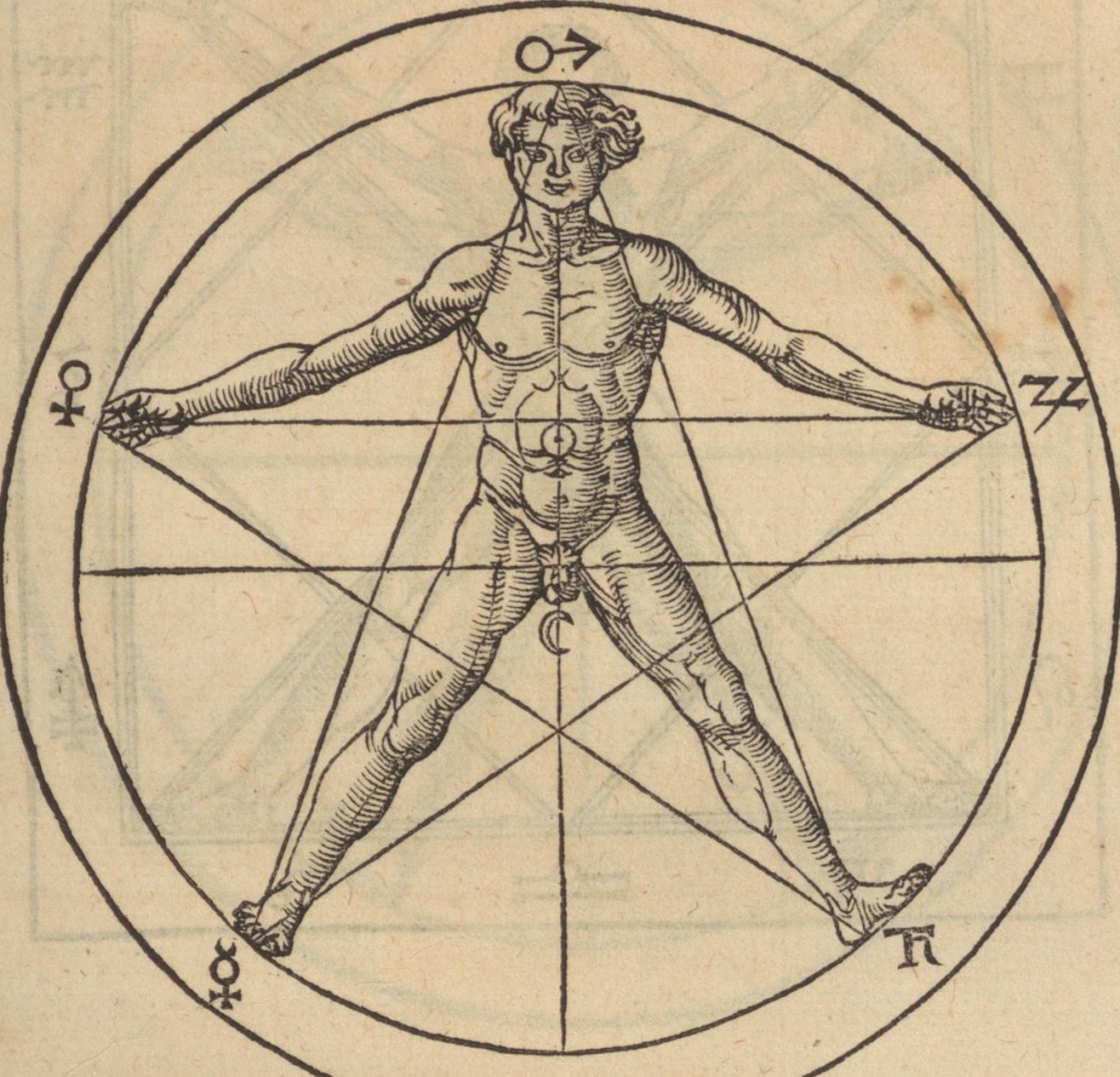
The Man in the Pentagram
Caracteres de Chymie, plate II
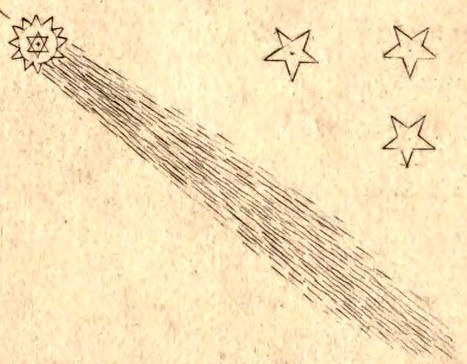
The All-Seeing Eye, the Sun, the Moon, the Comet and the Heart
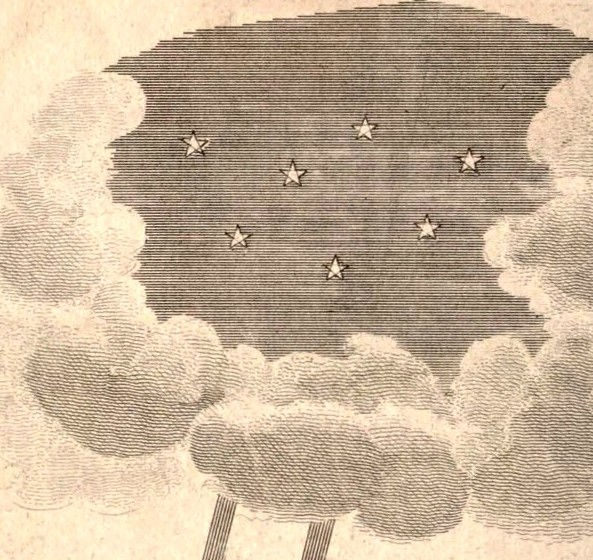
Jacob's Ladder
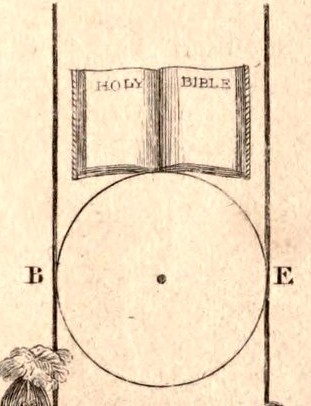
The Point within a Circle
The Two Pillars
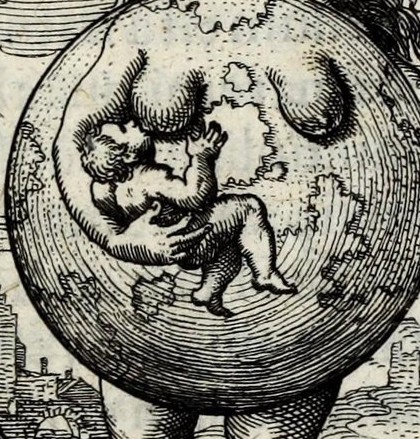
Nutrix ejus terra est
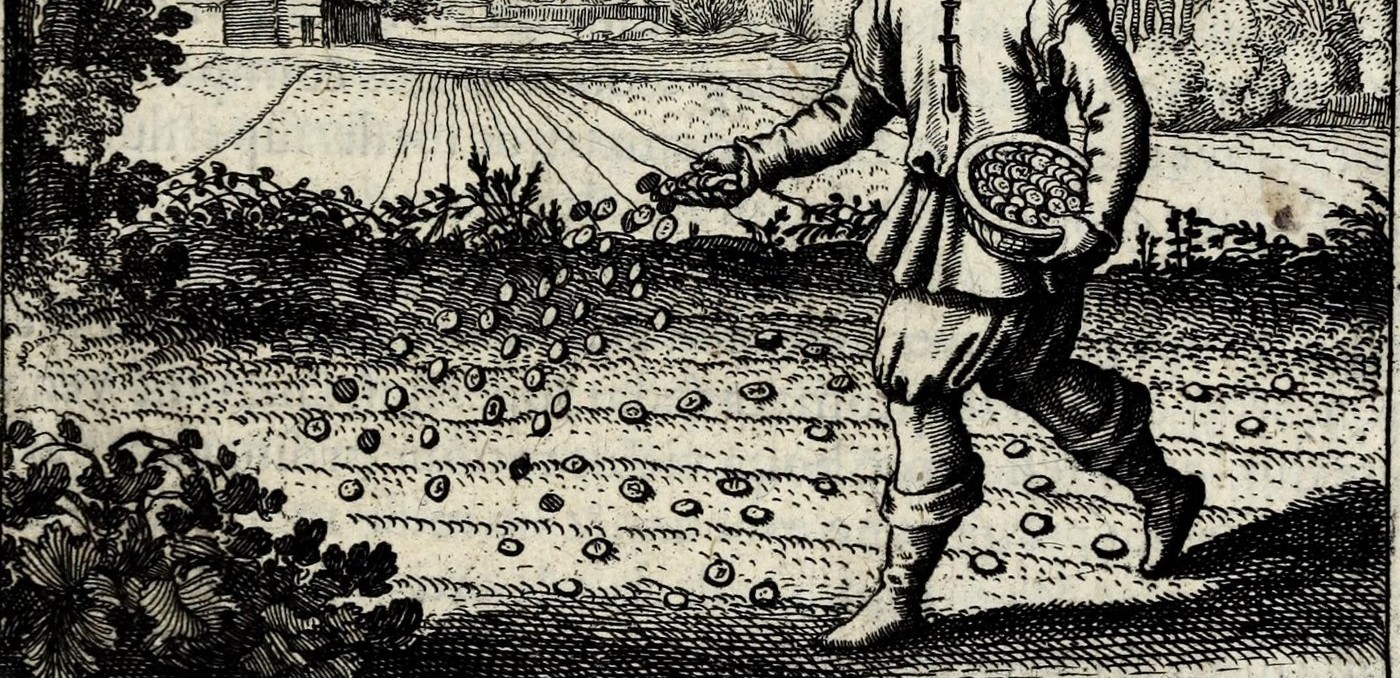
Seminate aurum vestrum in terram albam foliatam
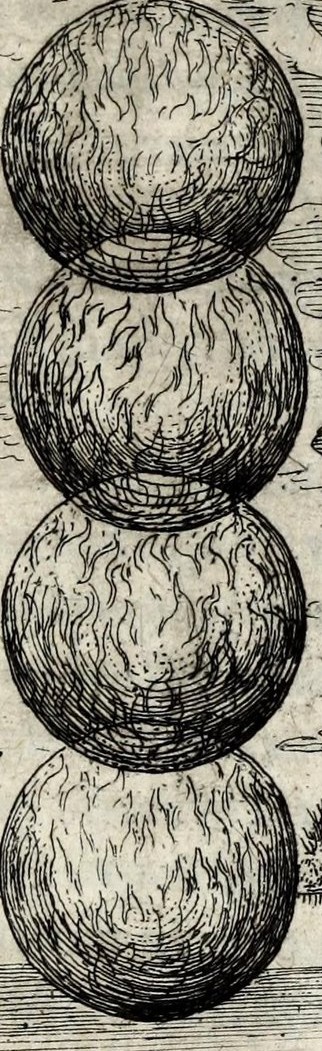
Orbita quadruplex hoc regit ignis opus
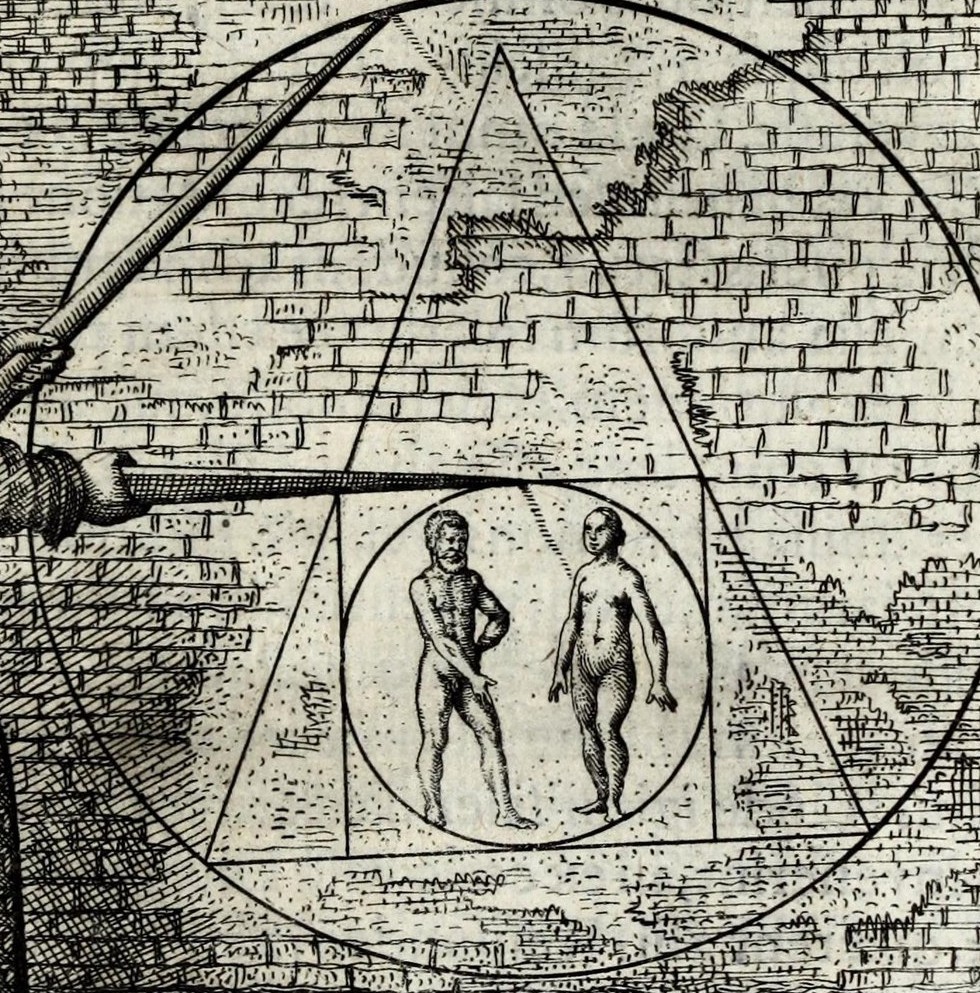
Fac ex mare & fœmina circulum, inde quadrangulum, hinc triangulum, fac circulum & habebis lap. Philosophorum
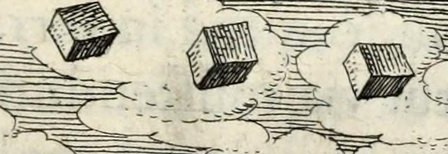
Lapis projectus est in terras, & in montibus exaltatus, & in aëre habitat, & in flumine pascitur, id est, Mercurius
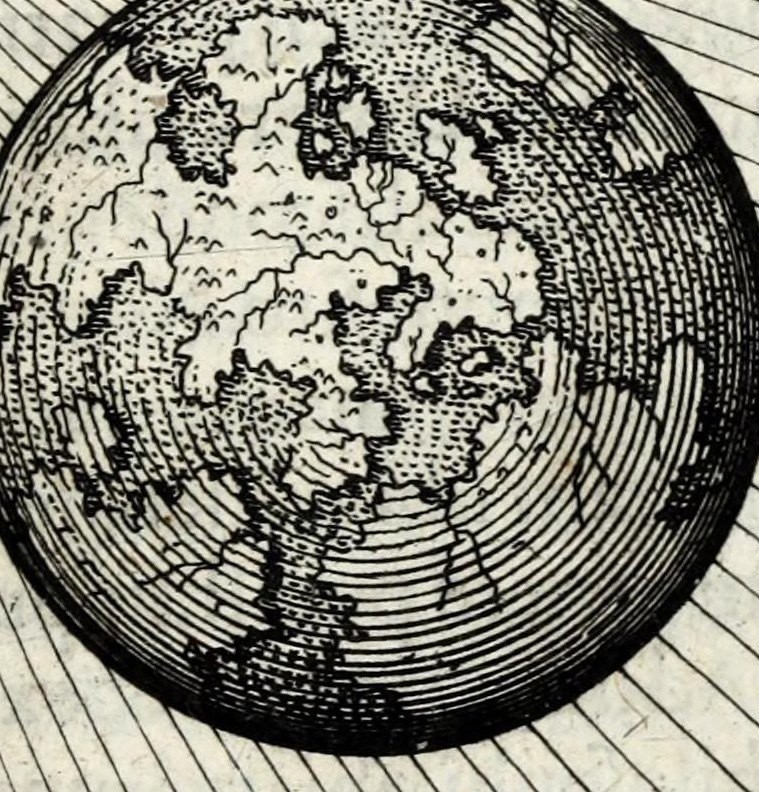
Sol & ejus umbra perficiunt opus
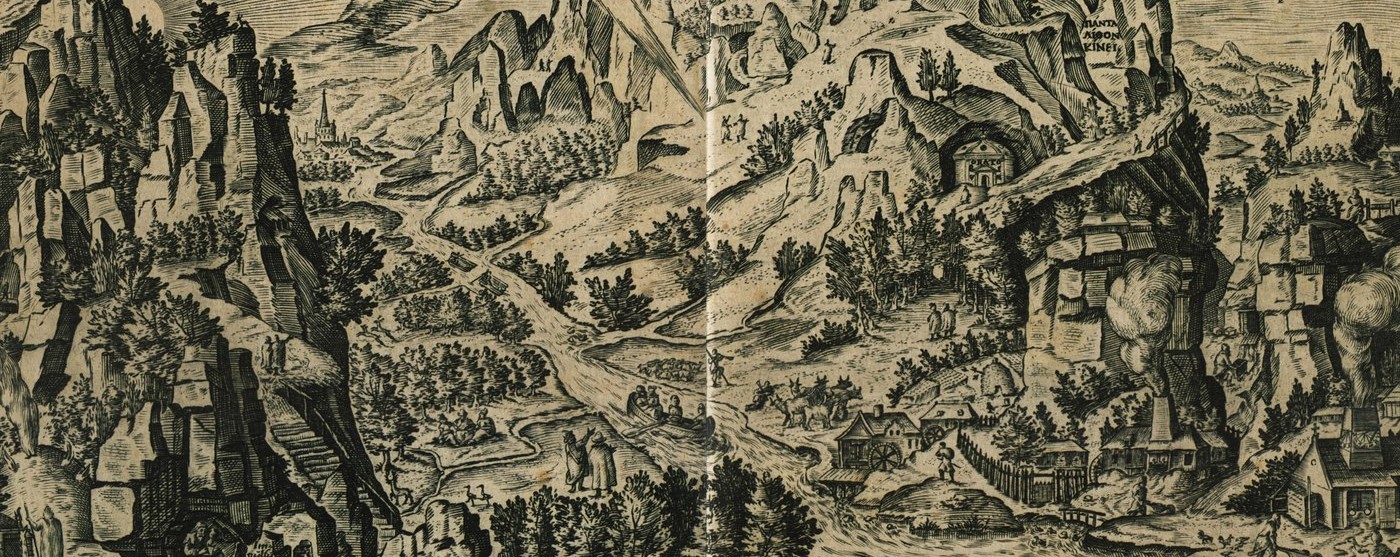
Adumbratio Gymnasii Theo-magici, macro-cosmici, catholici
Monas Hieroglyphica, the hieroglyphic monad on the title
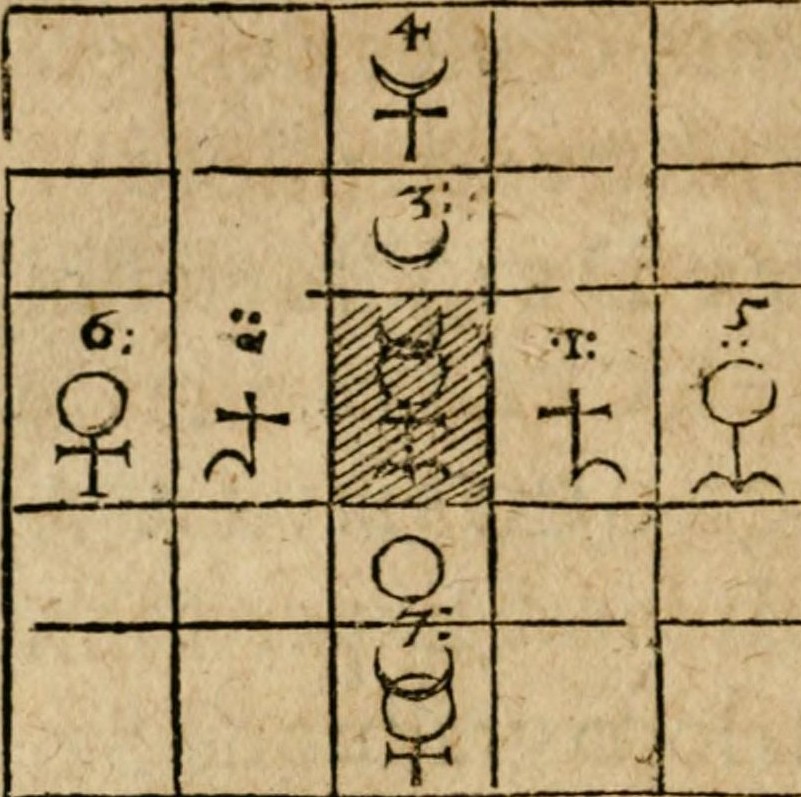
Theorem XIV: the anatomy of the monad, the planets drawn out of it
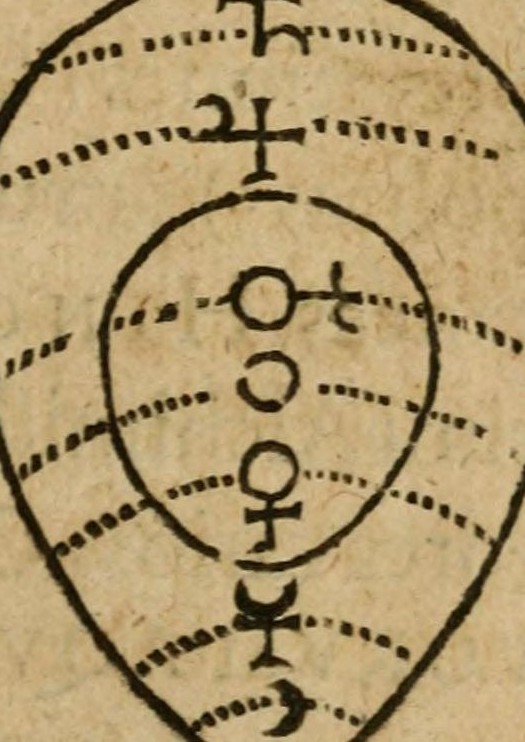
Theorem XVIII: the monad within the egg
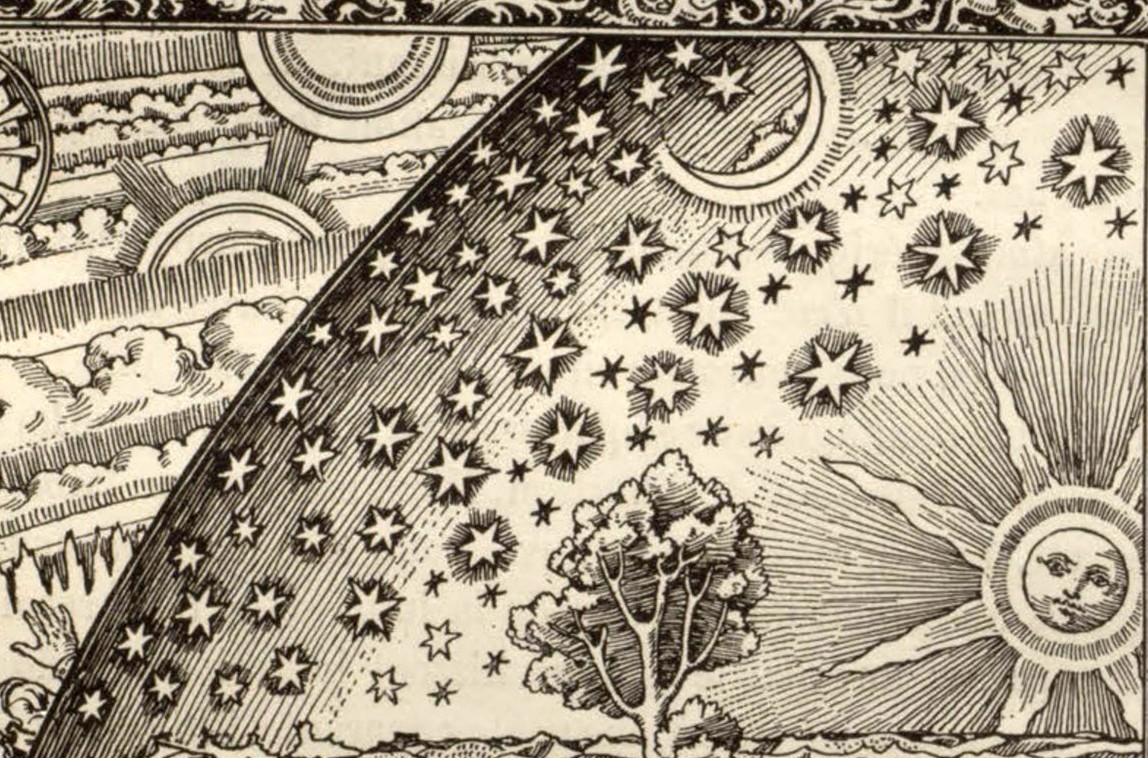
The Point Where the Sky and the Earth Touch

Master's Carpet
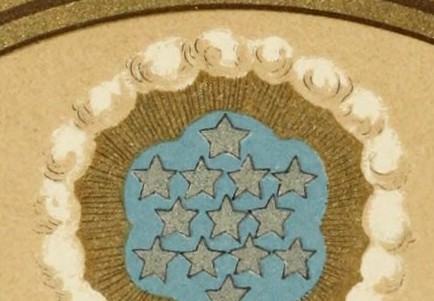
The Great Seal of the United States, the obverse
Verity
When the morning Stars sang together
Tabula Smaragdina Hermetis Trismegisti
The tree of the sun and the tree of the moon
The young king with the sceptre of seven stars

The archetypal world and the nine orders of angels
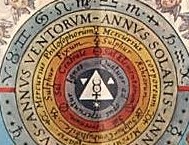
Grand Rosicrucian Alchemical Formula
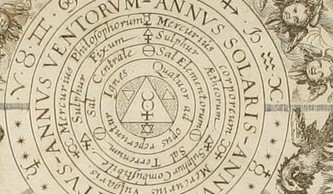
The operation of the sun, with the Emerald Tablet under it
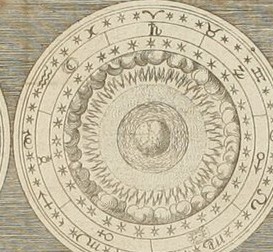
Creation in ten roundels, with Ripley’s prologue beneath
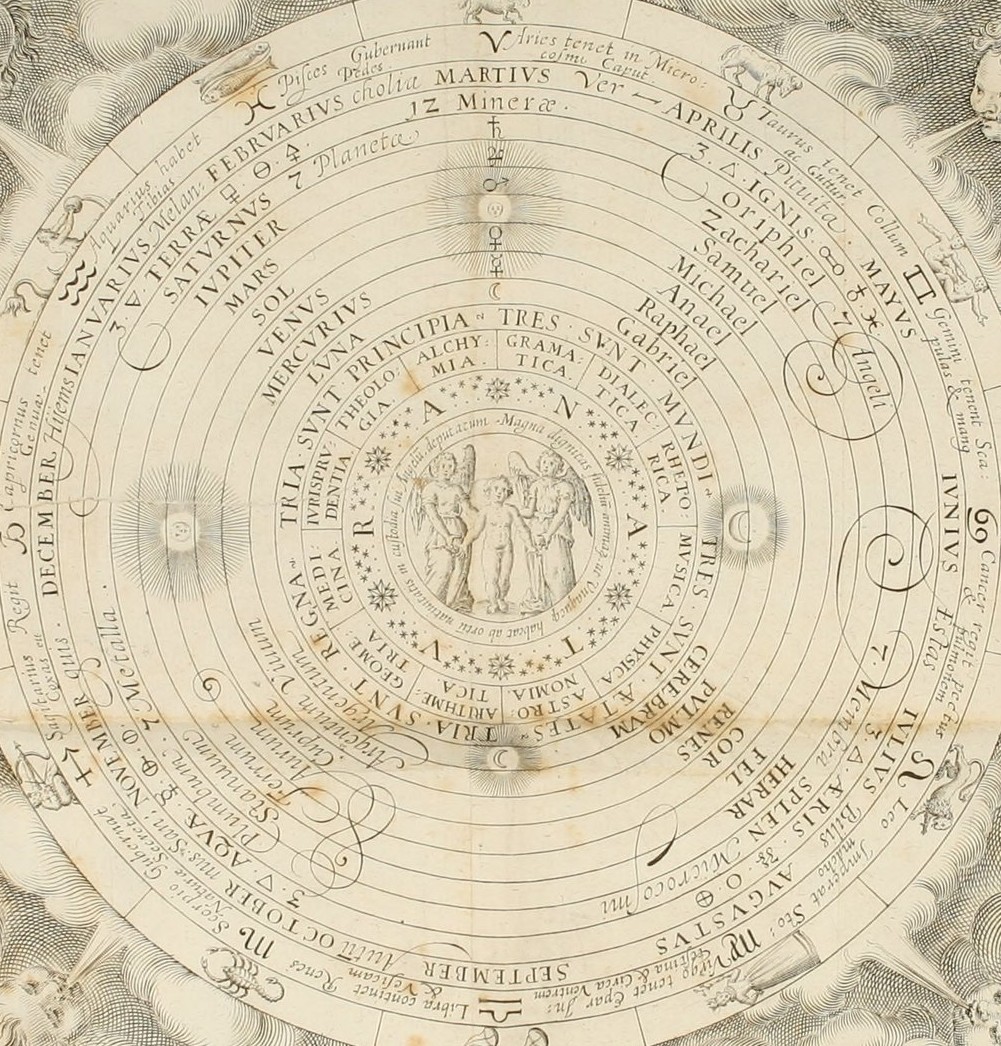
Mundus Elementaris, the world under the moon as a wheel
As the subject · 9
Works filed under the Heavens as their central motif, not yet read symbol by symbol.
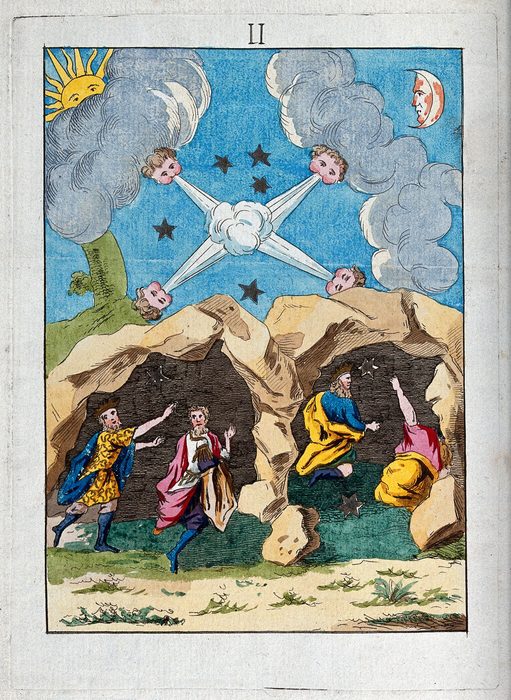 The Magi Sheltering in a Cave
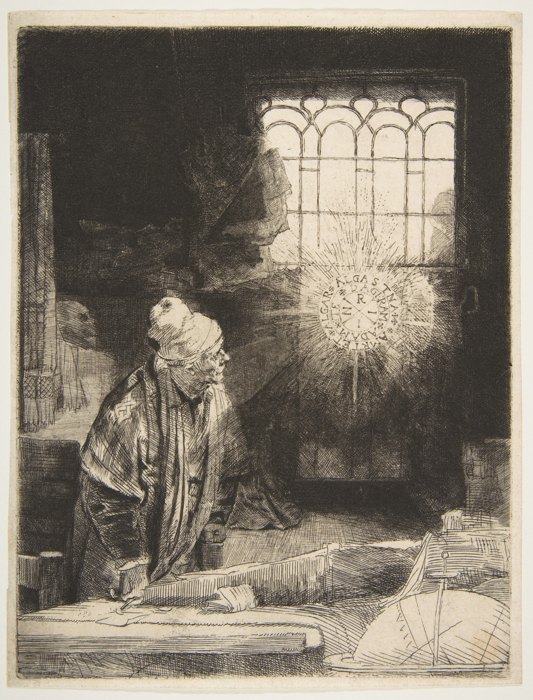 A Scholar in His Study ('Faust')
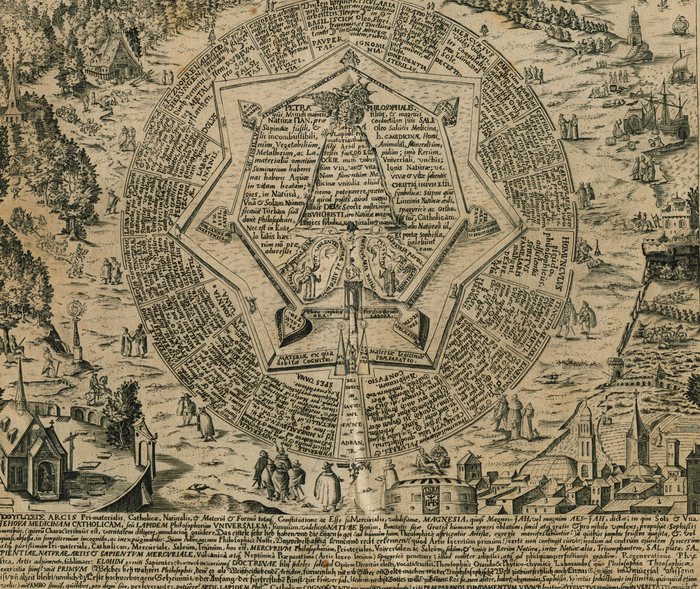 Typosis Arcis Pri-materialis
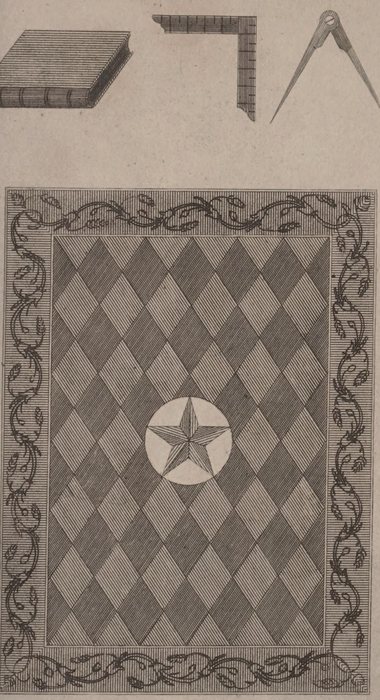 The Mosaic Pavement and the Blazing Star
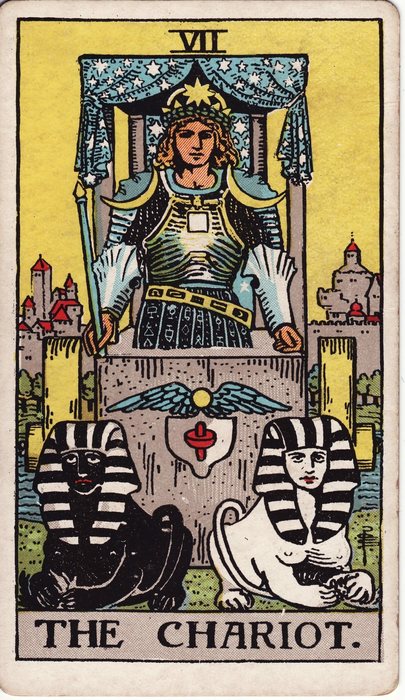 The Chariot (VII)
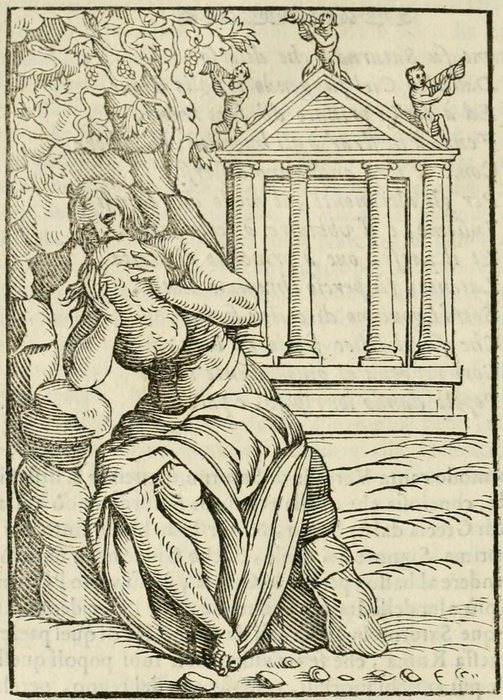 Imagine di Saturno, ò del Tempo divoratore de suoi figliuoli
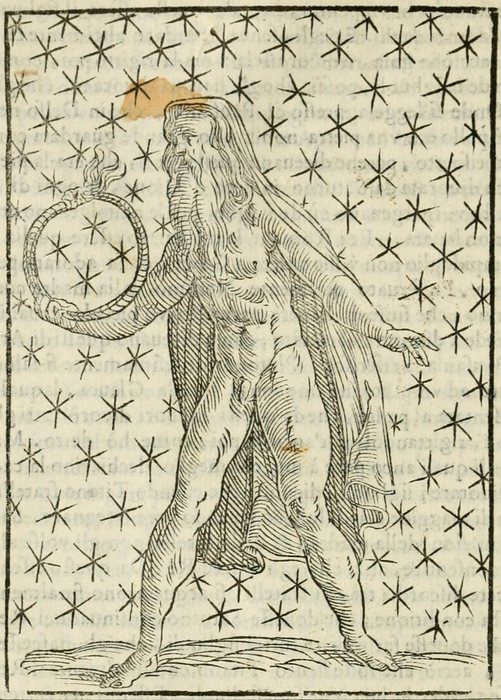 Imagine di Saturno, del Tempo, & dell'Anno
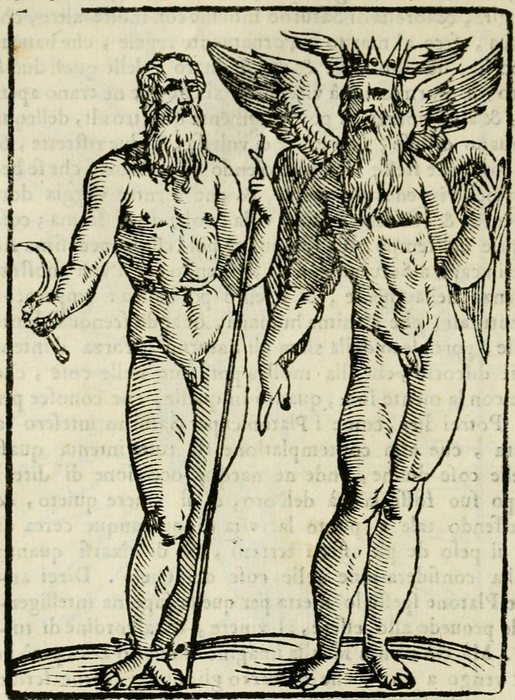 Imagine di Saturno, & del Tempo, che co' piedi legati di fil di lana
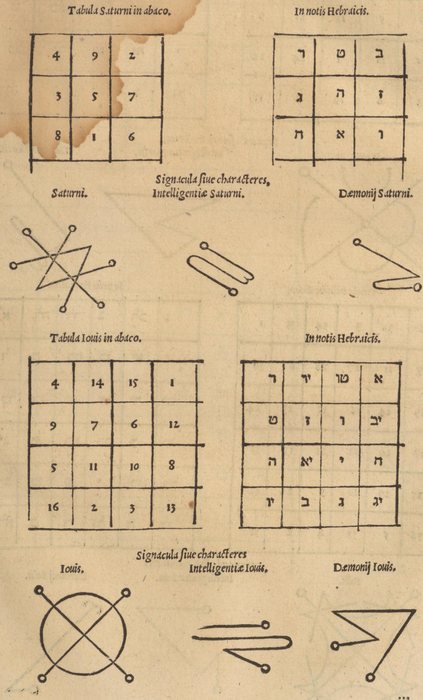 The Tables of Saturn and Jupiter
As a detail in 6 more
In these the Heavens is somewhere in the picture, tagged by eye, and nobody has read it yet. When one of them is read, it goes out on a Sunday.