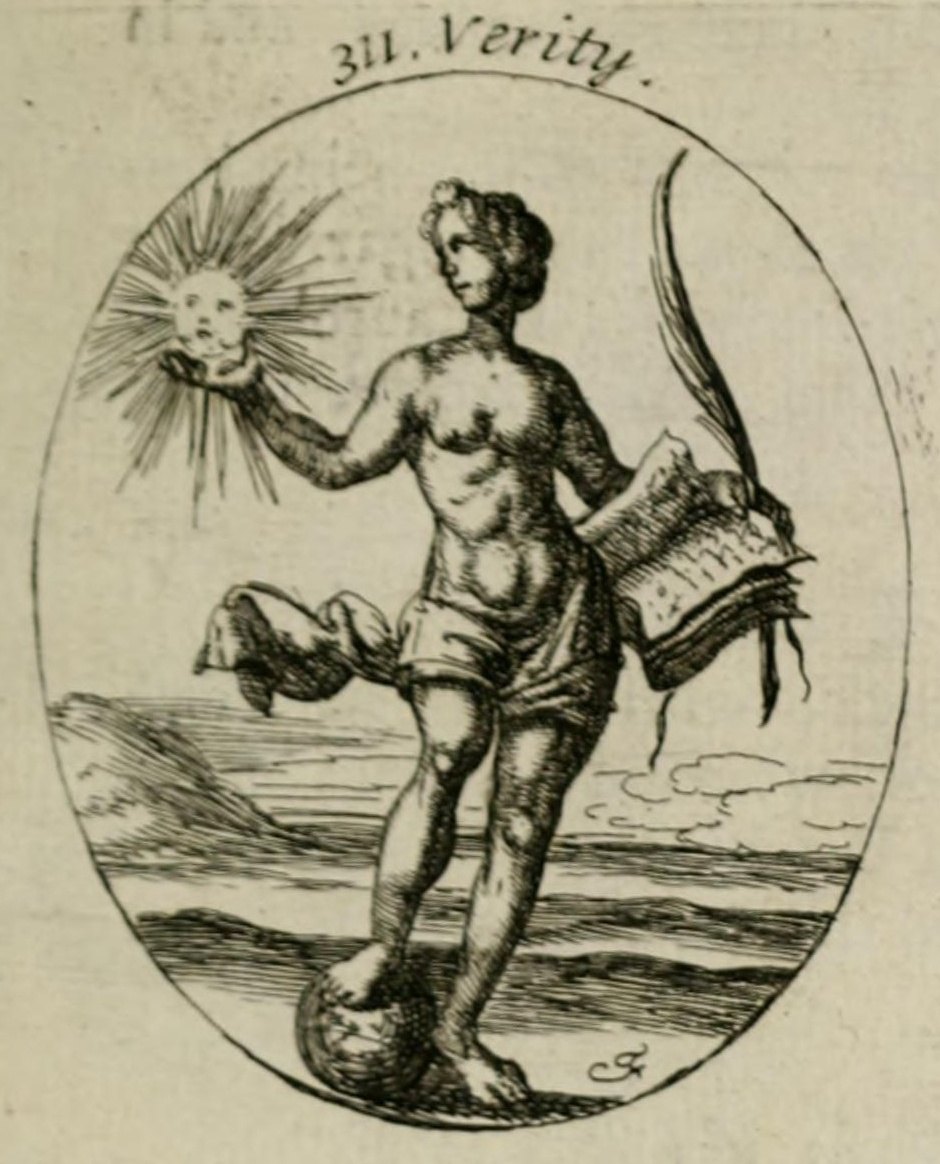
Verity
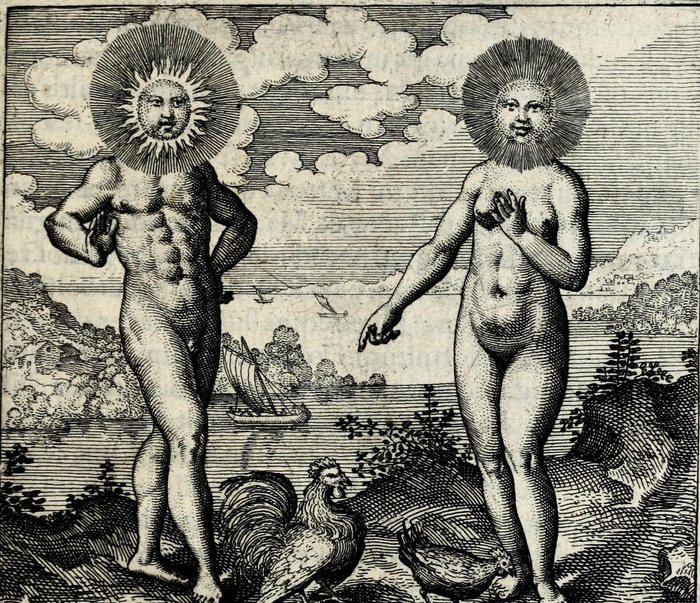
The Sun and the Moon as the central motif, with the Heavens in a secondary part. From Iconologia.
What is happening
Cesare Ripa, 1709 “This naked Beauty, holds a Sun in her right Hand; in her left, a Book open, with a Palm; under one Foot the Globe of the World.”
Key · 2 motifs
Tap a motif on the picture, or a line below. Its note opens under the line, with the reading its author gave it.
- Primary motif
- Secondary motifs · 1
The picture
A naked woman holding up a blazing sun with a face in it, an open book and a palm branch in her other hand, one foot on the globe of the world. By eye
The reading
The picture read whole, in the archive's words, from the sources quoted on the marks. Read on, and the picture follows: the motif under discussion keeps its colour.
Ripa drew abstract ideas as human figures and printed his own written key beside each one, which is why so much Western art can be read at all. Painters, engravers, sculptors and architects worked from the book for two hundred years, and nearly every allegorical figure on a courthouse, a bank or a town hall in Europe or America descends from one of its pages. This one carries the number 311.
‘This naked Beauty, holds a Sun in her right Hand; in her left, a Book open, with a Palm; under one Foot the Globe of the World.’ Ripa then reads every part in turn, which is the habit that makes him useful. He strips her because ‘downright Simplicity is natural to her’. The sun ‘shews her great Delight in Clearness’. The book sends the reader to good authors for the truth of things. The palm rises the harder it gets pressed down.
And she does not stand on the globe for scenery. ‘The Globe, that being immortal, she is the strongest of all Things in the World, and therefore tramples upon it.’ Ripa accounts for every element in one sentence each: the man who wrote the specification, explaining his own.
Ripa hands this archive a second reading of the same signs. Maier and Khunrath make the sun gold, the king, the active principle of the work. Ripa makes it clarity and gives it to a woman with nothing to hide. Neither tradition borrowed from the other and neither got it wrong. Two traditions took one picture in two directions, and setting them on the same motif page with a name against each does the job this archive exists for.
Decoded: every motif is marked, and each mark carries the reading its author gave it, quoted from the text, or says that it is observed on the picture and not read. The reading above is the archive's own, made from those sources and no others.
Gold, the perfected metal, and the illuminated intellect. The most overloaded symbol in the tradition.
In plain words She holds a small sun in her raised hand, a disc with a face and rays all round it, and it is the brightest thing in the oval. Ripa gives it one job and it is not warmth or life or rule: 'The Sun shews her great Delight in Clearness.' Truth likes to be seen. In this archive the sun is usually gold, or the king, or the active principle of the work; here it is simply the light you cannot hide anything in.
Cesare Ripa, 1709 “Naked, because downright Simplicity is natural to her. The Sun shews her great Delight in Clearness. The Book, that the Truth of Things may be found in good Authors. The Palm, her Rising the more she is depress'd. The Globe, that being immortal, she is the strongest of all Things in the World, and therefore tramples upon it.”
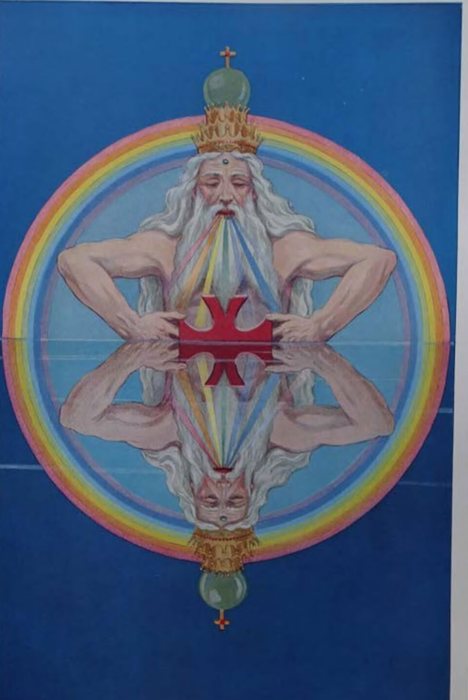
A diagram of everything, drawn so that a person can be found inside it. Note where the human figure stands in the scheme.
In plain words A globe lies on the ground and she has put her foot on it. Ripa is precise about why, and the verb is his: being immortal, she is the strongest of all things in the world, 'and therefore tramples upon it'. The world is not her subject or her setting. It is the thing she outlasts.
Cesare Ripa, 1709 “Naked, because downright Simplicity is natural to her. The Sun shews her great Delight in Clearness. The Book, that the Truth of Things may be found in good Authors. The Palm, her Rising the more she is depress'd. The Globe, that being immortal, she is the strongest of all Things in the World, and therefore tramples upon it.”
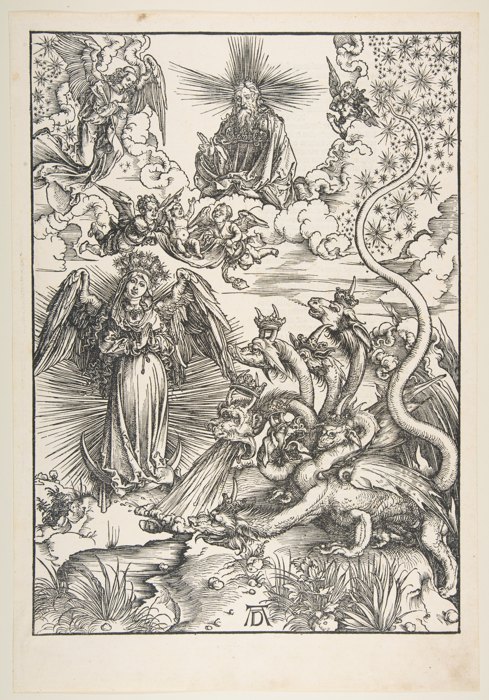
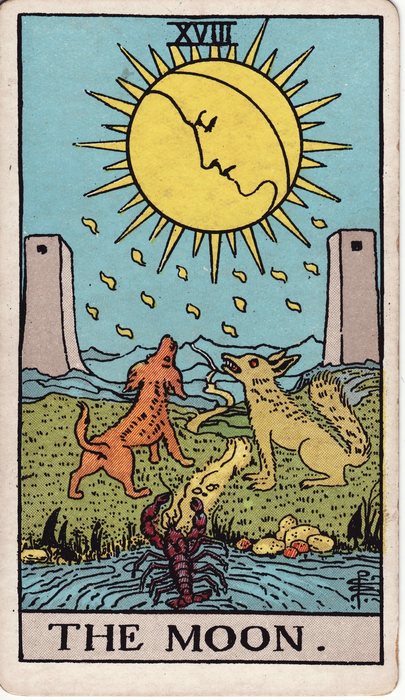
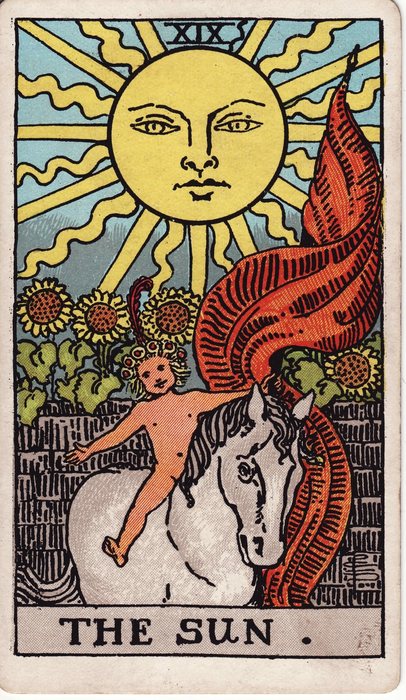
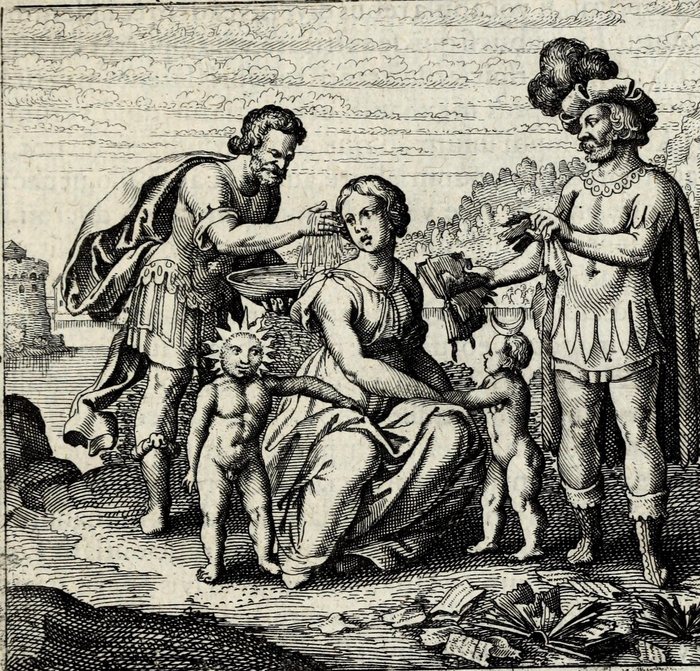
Also carrying the Sun and the Moon
59 works carry it. The 6 where it is the central motif are here. The symbol.
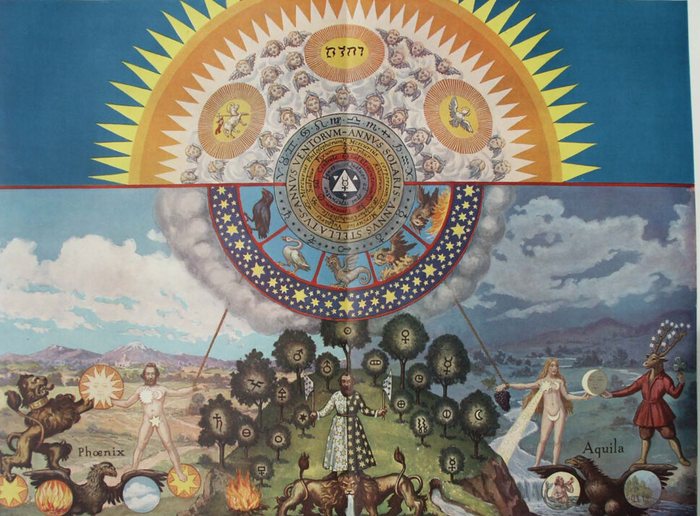
Where the detail is the subject
This is in the picture without being what it is about. Below, one work that is about it.
In the same series
Record
One symbol a week, decoded.
This picture is free at full size from its source, linked above. What an address gets is the Sunday letter: one picture, one symbol marked on it, what it meant and who said so, and the master files of the decoded plates as they are verified. Leave any time.
Free, one letter a week, unsubscribe in one click. How the address is used.
Scroll or pinch to zoom · drag to move · double-tap for 1:1 · 940 by 1164 pixel web copy; the source file is linked under Record