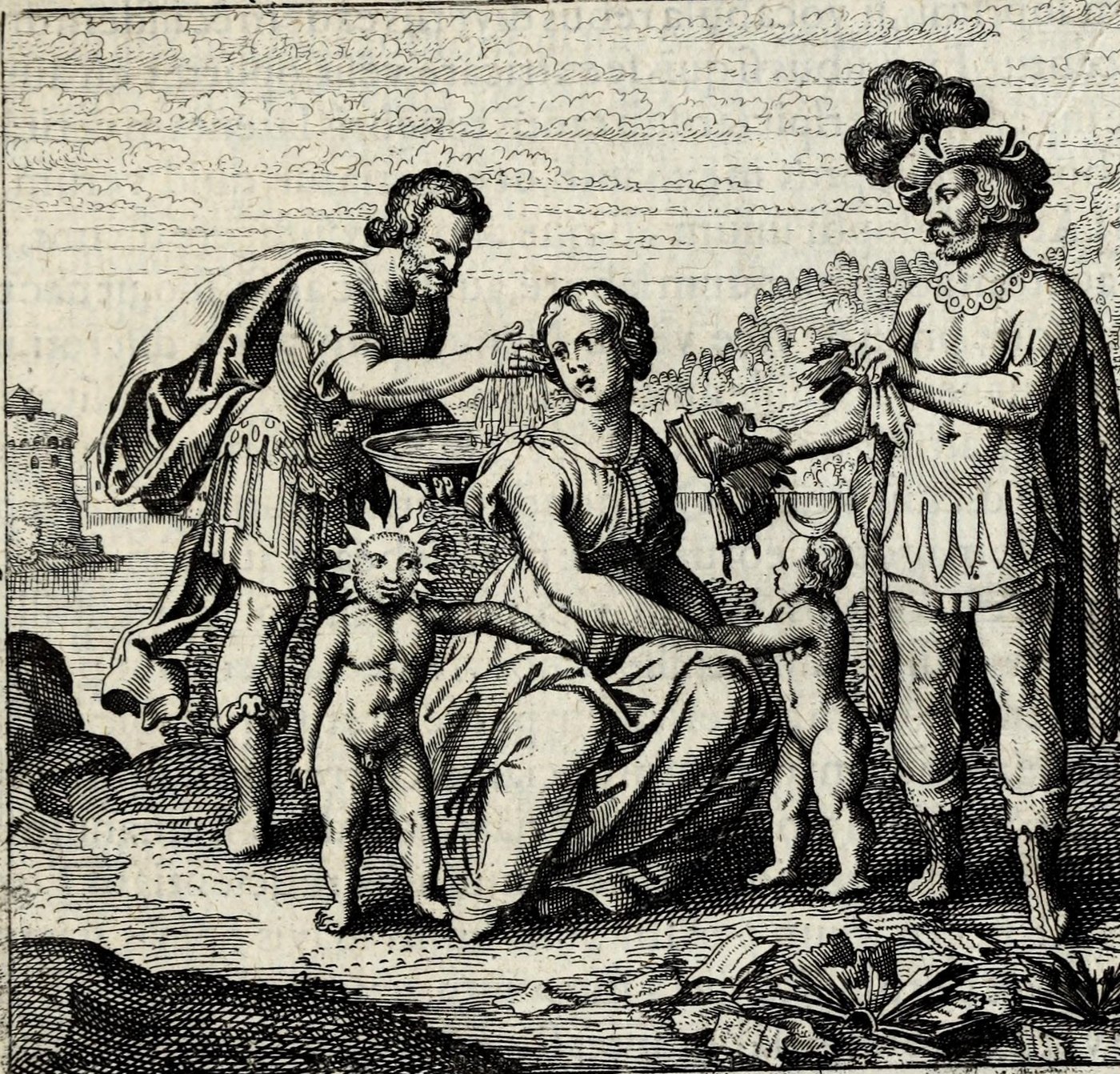
Dealbate Latonam & rumpite libros
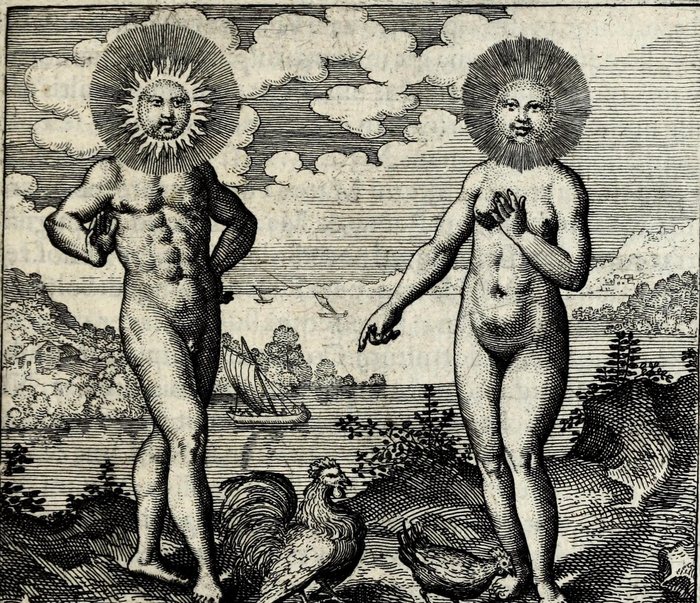
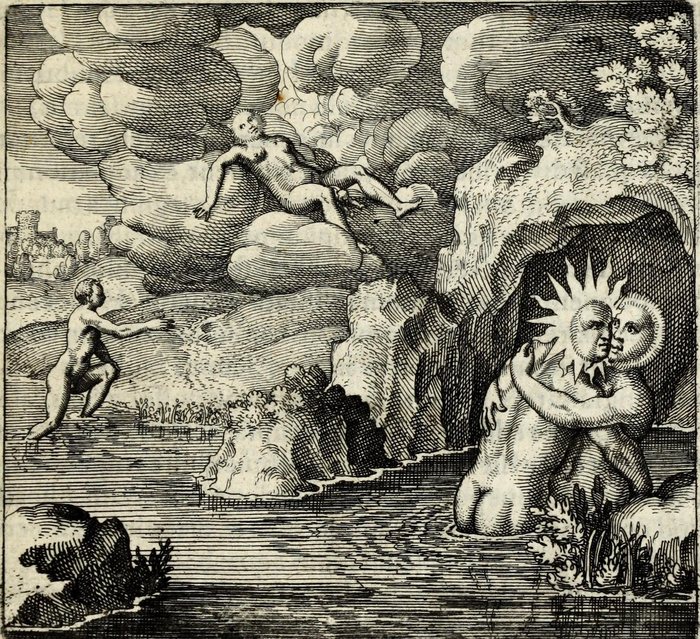
The Sun and the Moon as the central motif, with the King and the Queen in a secondary part. From Atalanta Fugiens.
What is happening
Michael Maier, 1618 “Dealbate Latonam & rumpite libros.”
Symbolica, 2026 Maier’s Latin, put into English here: Whiten Latona and tear up the books.
Michael Maier, 1618 “Latonae sobolem non novit nemo gemellam,
(Ceu fert fama vetus) quae Jove nata fuit.
Hanc alii tradunt cum luna lumina solis
Mixta, nigrae cui sint in facie maculae.
Latonam ergo pares albescere, damnaque dantes
Ambiguos, adsit nec mora, rumpe libros.”
Symbolica, 2026 Maier’s epigram, put into English here: There is no one who does not know Latona's twin offspring, born of Jove, as the old story has it. Others hand down that she is the light of the sun mixed with the moon, the one with black spots on her face. So make Latona whiten, and break the books that deal in ambiguity and do harm. Do it without delay.
Key · 2 motifs
Tap a motif on the picture, or a line below. Its note opens under the line, with the reading its author gave it.
- Primary motif
- Secondary motifs · 1
The picture
Latona seated between her children, the sun-headed Apollo and Diana, the books torn on the ground. By eye
The reading
The picture read whole, in the archive's words, from the sources quoted on the marks. Read on, and the picture follows: the motif under discussion keeps its colour.
‘Dealbate Latonam & rumpite libros’: whiten Latona and tear up the books. A woman sits between two children, one with the sun for a head and one with the moon, while a man pours water over her hair and books lie torn on the ground.
Everyone knows the story, Maier says, ‘Latonae sobolem non novit nemo gemellam’, of Latona's twin offspring born of Jove. Then the reading the alchemists give her: ‘Hanc alii tradunt cum luna lumina solis’, others hand down that she is the light of the sun mixed with the moon, ‘nigrae cui sint in facie maculae’, the one with black spots on her face. The twins with the sun and the crescent are the two lights, and their mother is the mixture.
The order follows from the spots. ‘Latonam ergo pares albescere’, so make Latona whiten: the water poured over her is the whitening of the mixed body. And ‘rumpe libros’, tear up the books, ‘damnaque dantes / Ambiguos’, the ones that deal in ambiguity and do harm. Maier, who wrote fifty riddles, tells his reader to destroy the riddling books, and Merian drew them torn at the mother's feet.
Decoded: every motif is marked, and each mark carries the reading its author gave it, quoted from the text, or says that it is observed on the picture and not read. The reading above is the archive's own, made from those sources and no others.
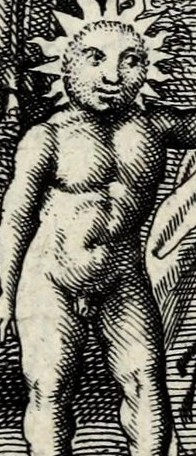
Gold, the perfected metal, and the illuminated intellect. The most overloaded symbol in the tradition.
In plain words Latona's twins are Apollo and Diana, and Merian gives one a sun for a head and the other a crescent. Maier reports the other reading of the mother: she is the sun's light mixed with the moon's, the spotted moon, and the spots are what the whitening removes.
Michael Maier, 1618 “Hanc alii tradunt cum luna lumina solis / Mixta, nigrae cui sint in facie maculae.”
Symbolica Maier's Latin, put into English here: Others hand down that she is the light of the sun mixed with the moon, the one with black spots on her face.
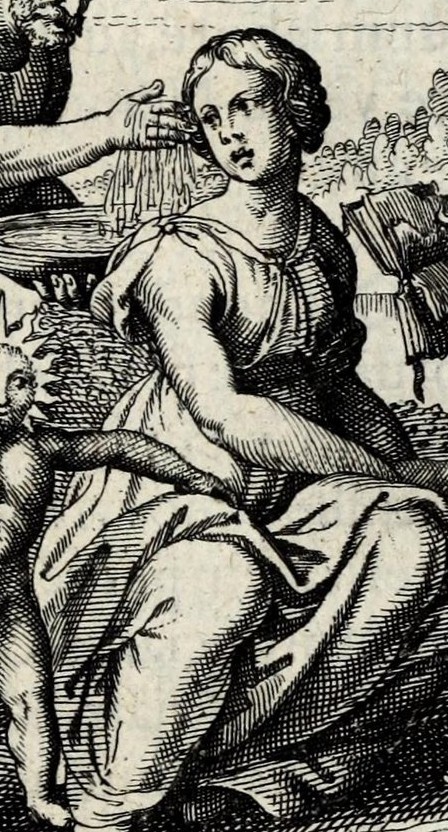
A rank rather than a person. Read the robe, the throne and what comes out of the mouth before you read the face.
In plain words The mother in the middle is Latona, and a man is whitening her, pouring water over her head from a bowl. She is filed with the king and the queen as the mother of the two lights. The torn books at her feet are the second half of the order: whiten her, and tear up the books that talk in riddles.
Michael Maier, 1618 “Latonam ergo pares albescere, damnaque dantes / Ambiguos, adsit nec mora, rumpe libros.”
Symbolica Maier's Latin, put into English here: So make Latona whiten, and break the books that deal in ambiguity and do harm. Do it without delay.
Also carrying the Sun and the Moon
59 works carry it. The 6 where it is the central motif are here. The symbol.
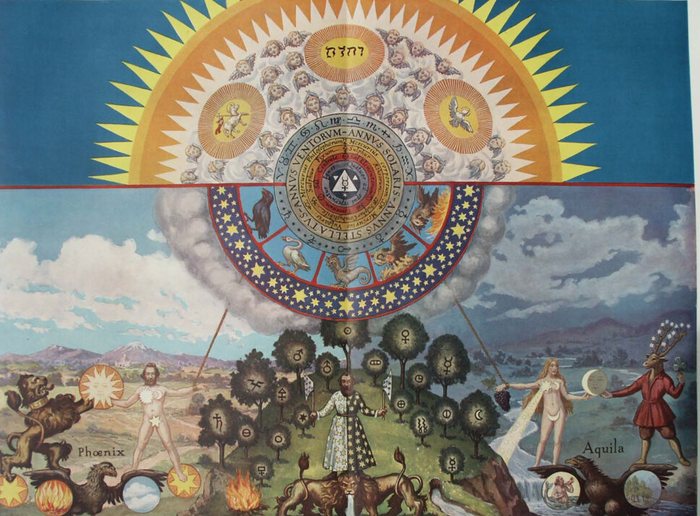
Where the detail is the subject
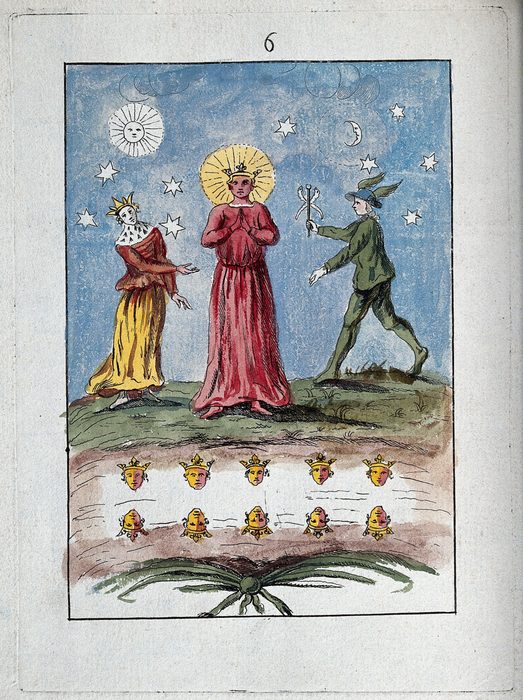
This is in the picture without being what it is about. Below, one work that is about it.
In the same series
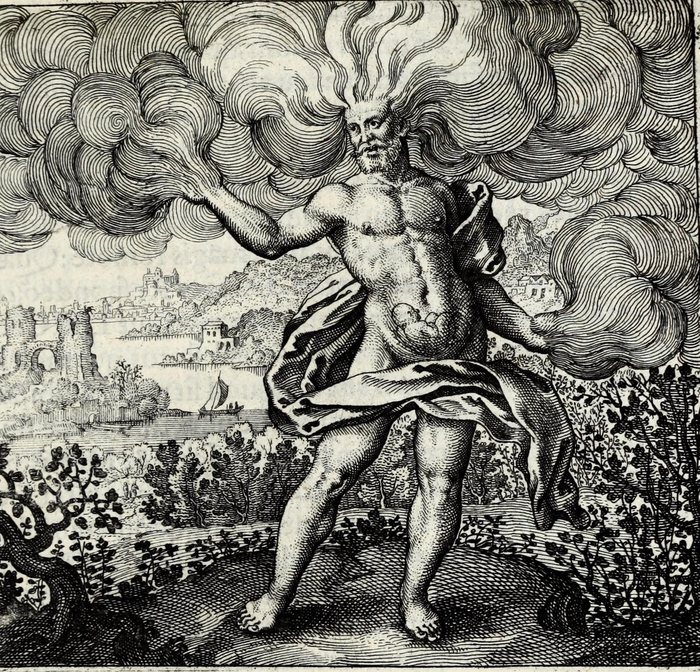 Portavit eum ventus in ventre suo
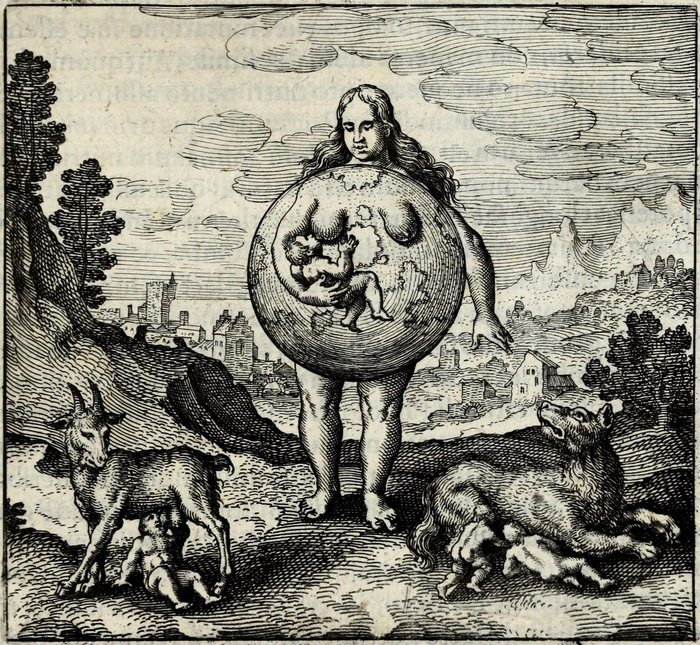 Nutrix ejus terra est
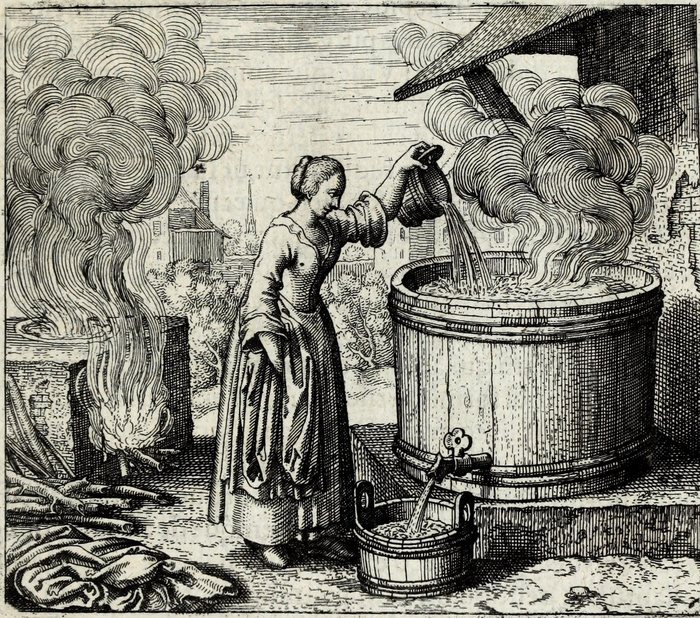 Vade ad mulierem lavantem pannos, tu fac similiter
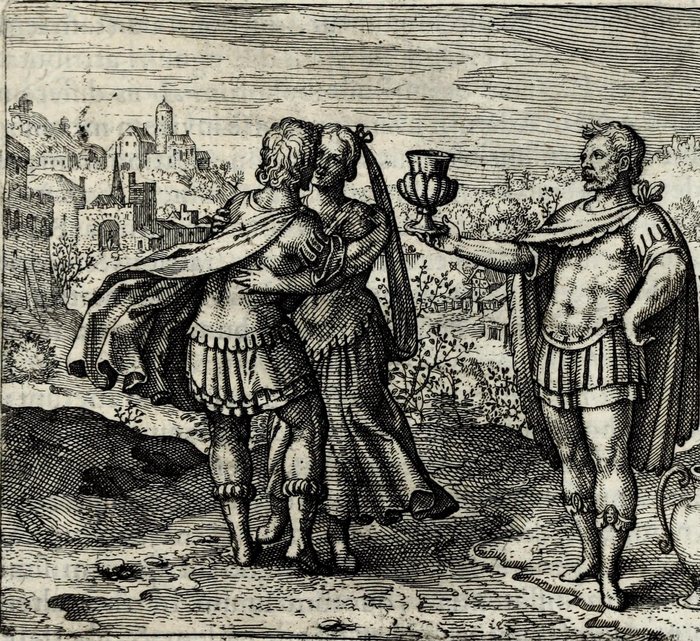 Conjunge fratrem cum sorore & propina illis poculum amoris
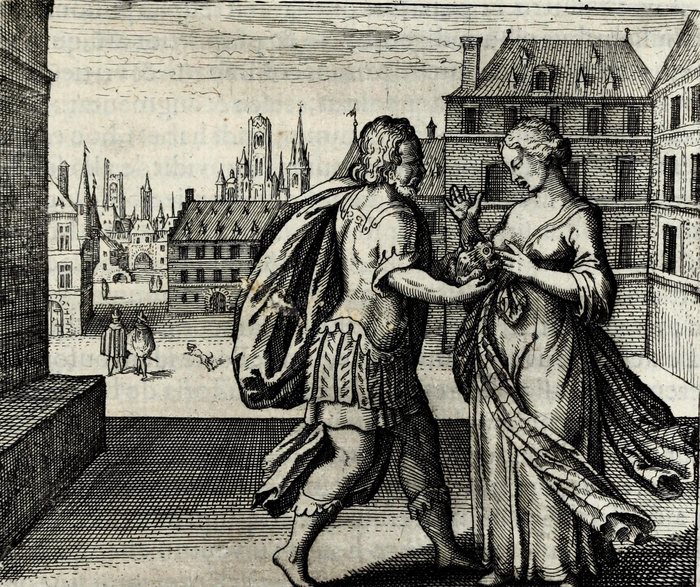 Appone mulieri super mammas bufonem, ut ablactet eum, & moriatur mulier, sitque bufo grossus de lacte
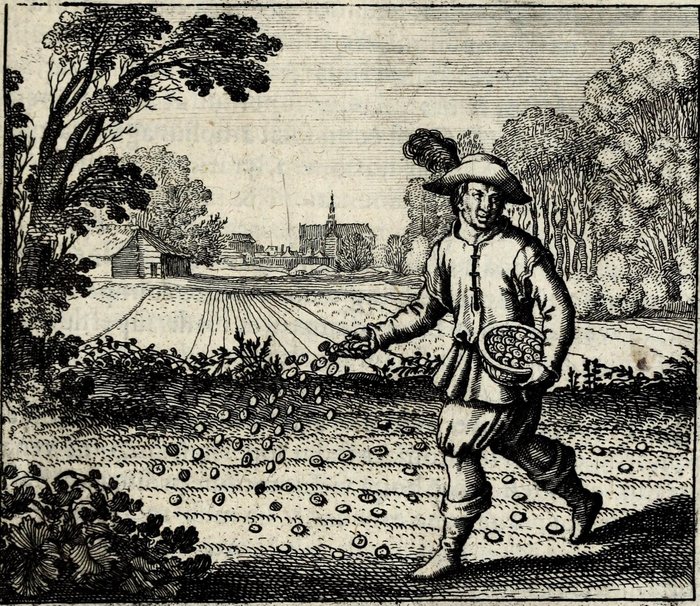 Seminate aurum vestrum in terram albam foliatam
Record
One symbol a week, decoded.
This picture is free at full size from its source, linked above. What an address gets is the Sunday letter: one picture, one symbol marked on it, what it meant and who said so, and the master files of the decoded plates as they are verified. Leave any time.
Free, one letter a week, unsubscribe in one click. How the address is used.
Scroll or pinch to zoom · drag to move · double-tap for 1:1 · 1400 by 1342 pixel web copy; the source file is linked under Record