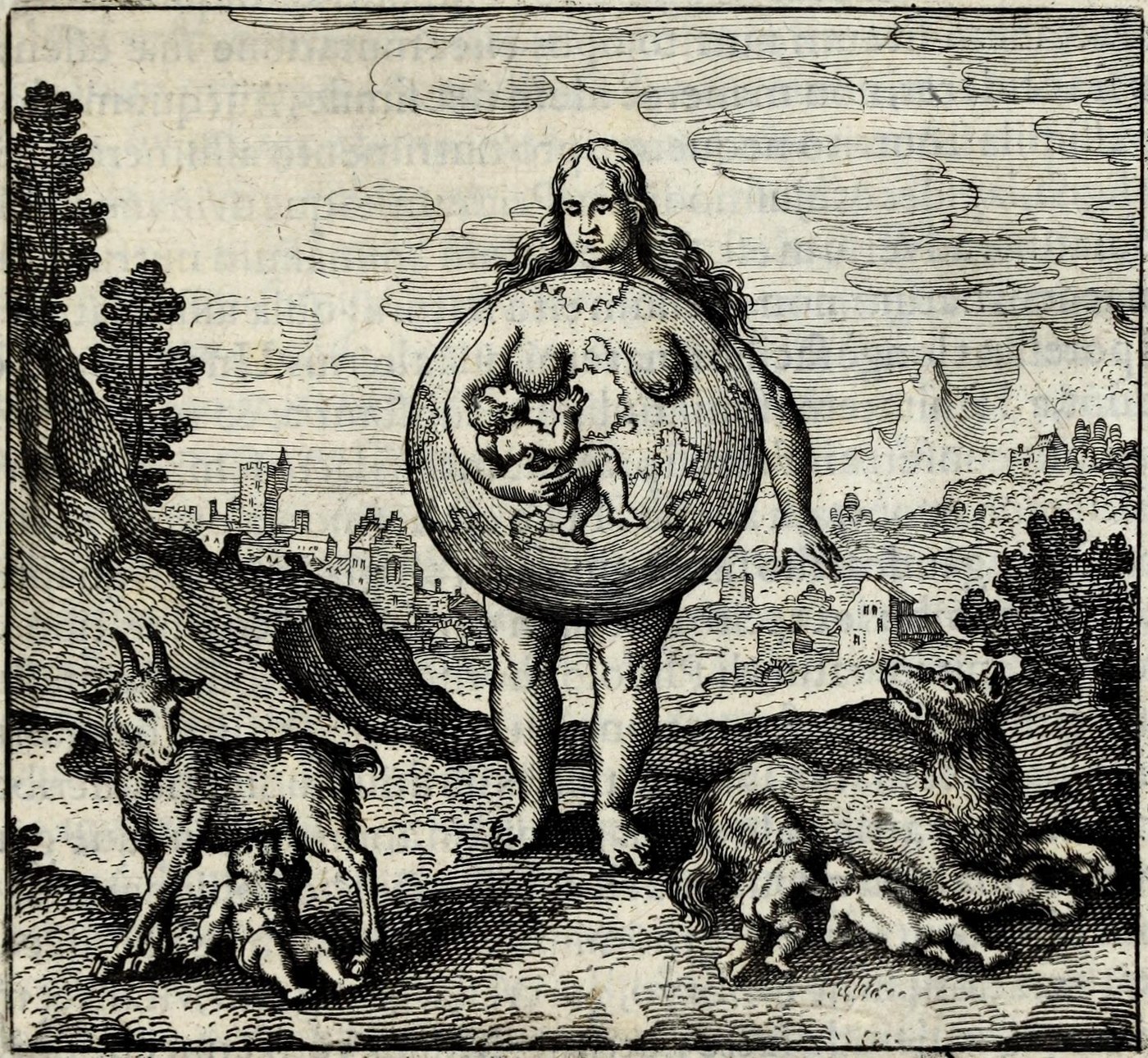
Nutrix ejus terra est
The Heavens as the central motif, with the King and the Queen in a secondary part. From Atalanta Fugiens.
What is happening
Michael Maier, 1618 “Nutrix ejus terra est.”
Symbolica, 2026 Maier’s Latin, put into English here: The earth is his nurse.
Michael Maier, 1618 “Romulus hirta lupae pressisse, sed ubera caprae
Jupiter, & factis, fertur, adesse fides:
Quid mirum, tenerae SAPIENTUM viscera PROLIS
Si ferimus TERRAM lacte nutrisse suo?
Parvula si tantas Heroas bestia pavit,
QUANTUS, cui NUTRIX TERREUS ORBIS, erit?”
Symbolica, 2026 Maier’s epigram, put into English here: Romulus is said to have pressed the shaggy teats of a she-wolf, and Jupiter those of a goat, and the deeds bear the story out. What wonder then, if we say the Earth nursed with her own milk the tender flesh of the Sages' Child? If so small a beast fed heroes so great, how great will he be whose Nurse is the Earthly Globe?
Key · 2 motifs
Tap a motif on the picture, or a line below. Its note opens under the line, with the reading its author gave it.
- Primary motif
- Secondary motifs · 1
The picture
The earth as a woman with the globe at her waist and the infant inside it, a goat suckling its kid and a she-wolf her twins. By eye
The reading
The picture read whole, in the archive's words, from the sources quoted on the marks. Read on, and the picture follows: the motif under discussion keeps its colour.
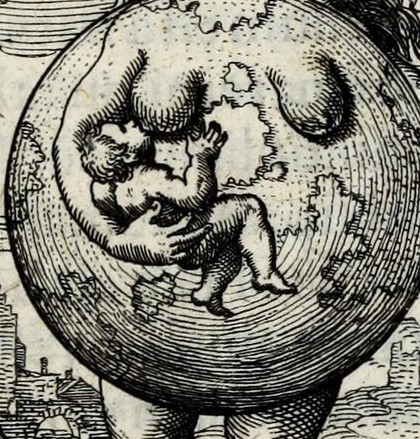
‘Nutrix ejus terra est’, the earth is his nurse, and Merian drew the sentence as a body: the earth is a woman, the globe sits at her waist, and the child is inside the globe with its mouth at her breast.
Maier argues by animals. ‘Romulus hirta lupae pressisse, sed ubera caprae’: Romulus is said to have pressed the shaggy teats of a she-wolf, and Jupiter those of a goat, and both animals are in the picture, the goat with its kid at the left and the wolf with her twins at the right. If so small a beast fed heroes so great, ‘QUANTUS, cui NUTRIX TERREUS ORBIS, erit?’, how great will he be whose nurse is the earthly globe?
The child is the ‘SAPIENTUM viscera PROLIS’, the tender flesh of the Sages' Child, and Maier prints the words in capitals so that the reader does not mistake it for a baby. It is the product of the work, and the emblem says where it gets its food.
Decoded: every motif is marked, and each mark carries the reading its author gave it, quoted from the text, or says that it is observed on the picture and not read. The reading above is the archive's own, made from those sources and no others.
A diagram of everything, drawn so that a person can be found inside it. Note where the human figure stands in the scheme.
In plain words The earth is a woman with the globe where her belly would be, and the child is inside the globe, suckling. Maier's point is scale: if a she-wolf could rear Romulus and a goat rear Jupiter, what will a child be whose nurse is the whole earth?
Michael Maier, 1618 “QUANTUS, cui NUTRIX TERREUS ORBIS, erit?”
Symbolica Maier's Latin, put into English here: how great will he be whose Nurse is the Earthly Globe?
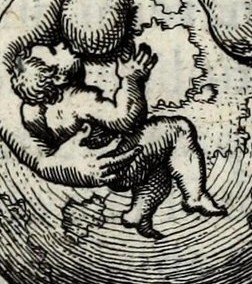
In the alchemical pictures a child is the thing being made. In the Apocalypse it is the thing under attack.
In plain words The child inside the globe is the Sages' Child, the thing the work is making, and the earth is feeding it. The goat and the she-wolf at the woman's feet make the comparison: they nursed heroes, and this nurse is bigger.
Michael Maier, 1618 “Quid mirum, tenerae SAPIENTUM viscera PROLIS / Si ferimus TERRAM lacte nutrisse suo?”
Symbolica Maier's Latin, put into English here: What wonder then, if we say the Earth nursed with her own milk the tender flesh of the Sages' Child?
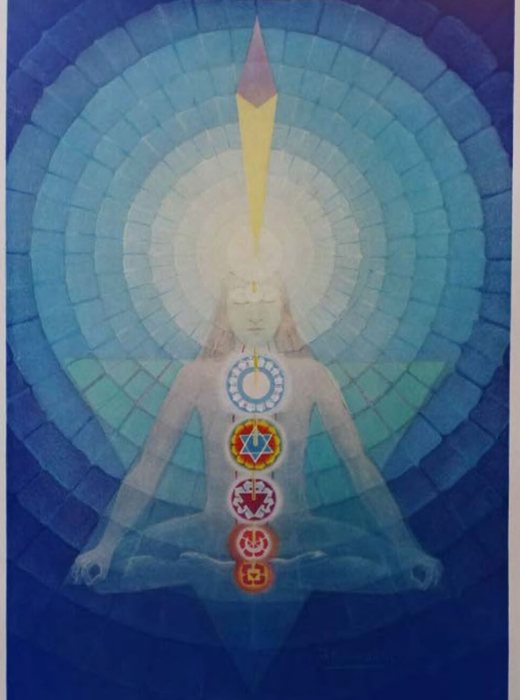
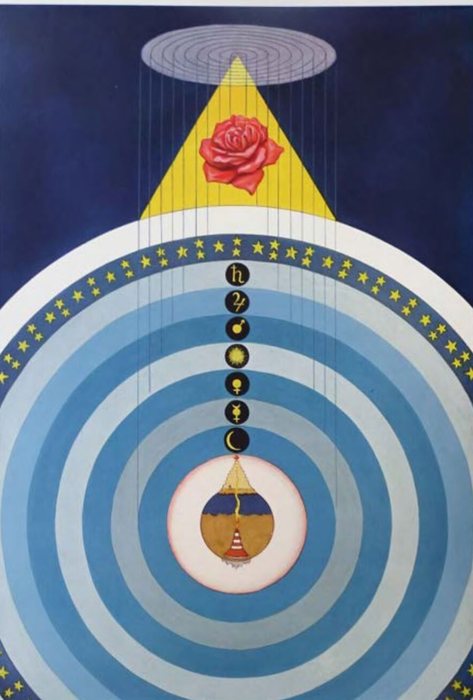
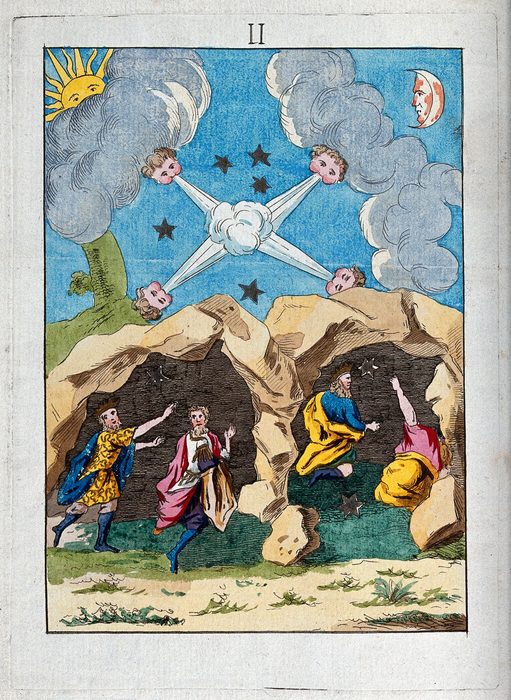
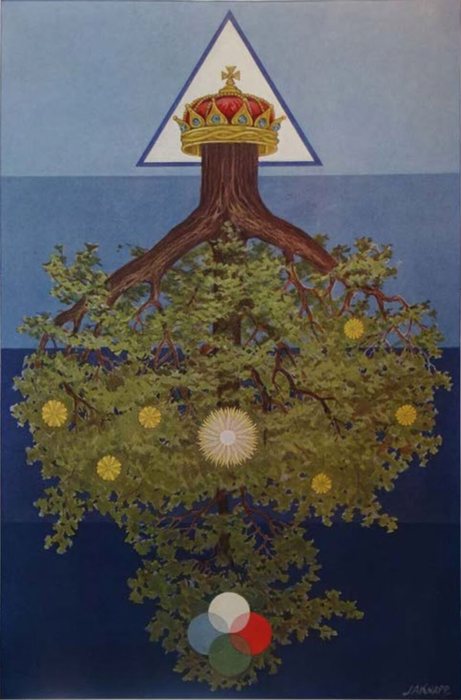
Also carrying the Heavens
61 works carry it. The 6 where it is the central motif are here. The symbol.
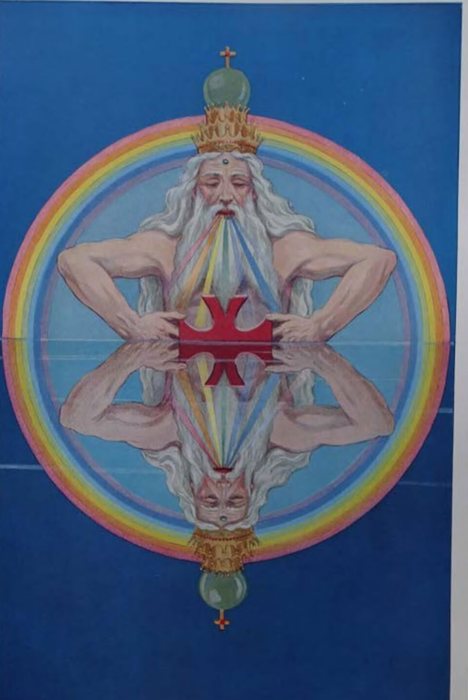
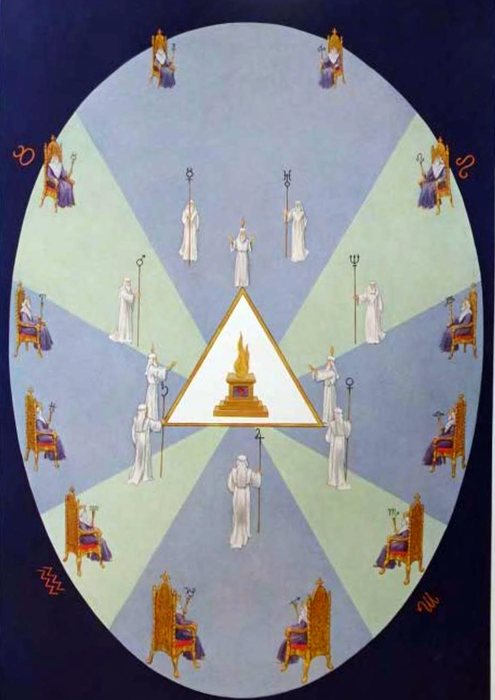
Where the detail is the subject
This is in the picture without being what it is about. Below, one work that is about it.
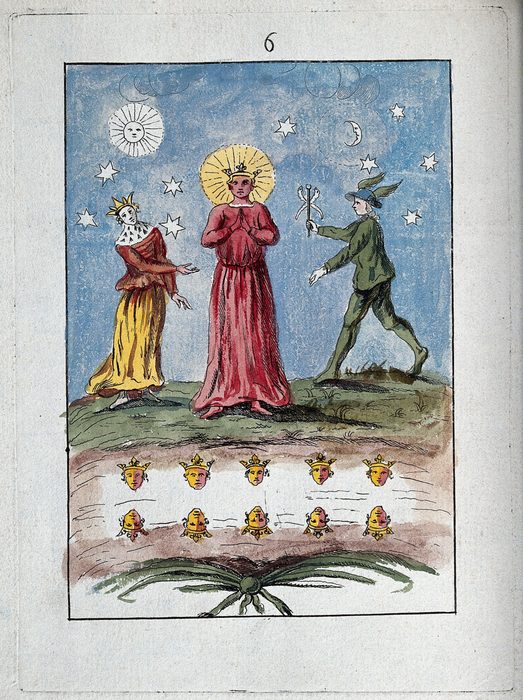
In the same series
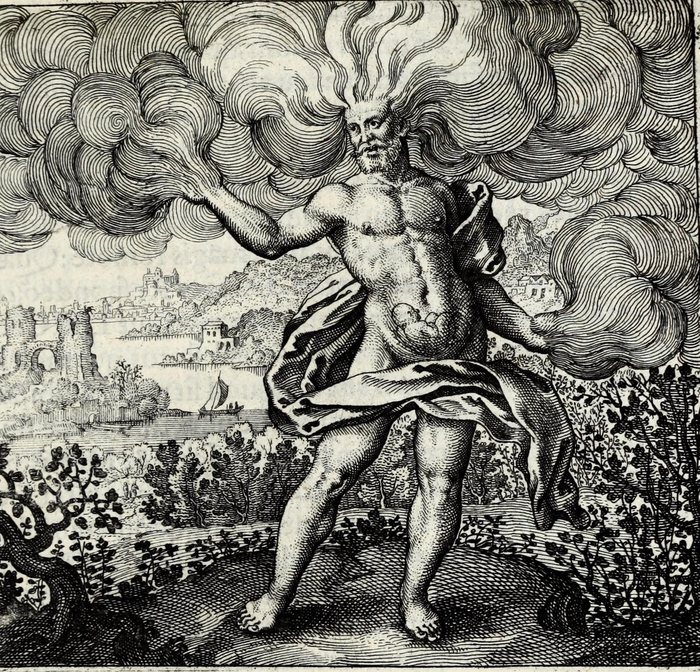 Portavit eum ventus in ventre suo
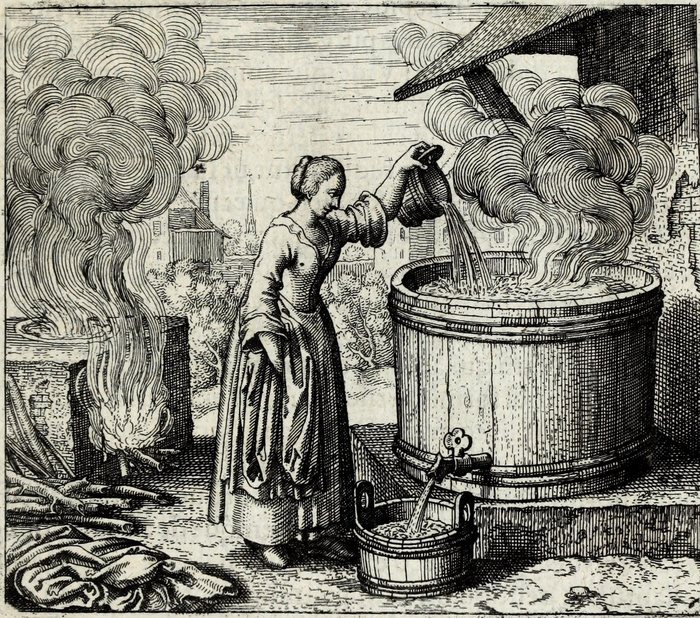 Vade ad mulierem lavantem pannos, tu fac similiter
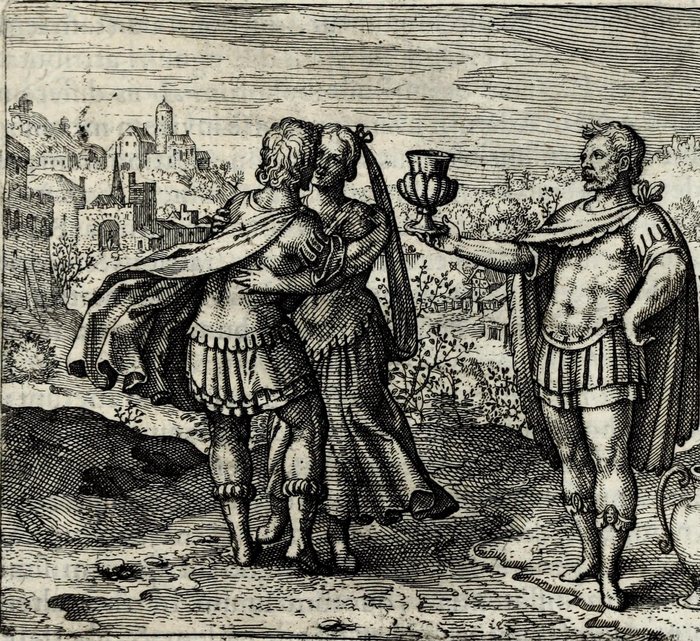 Conjunge fratrem cum sorore & propina illis poculum amoris
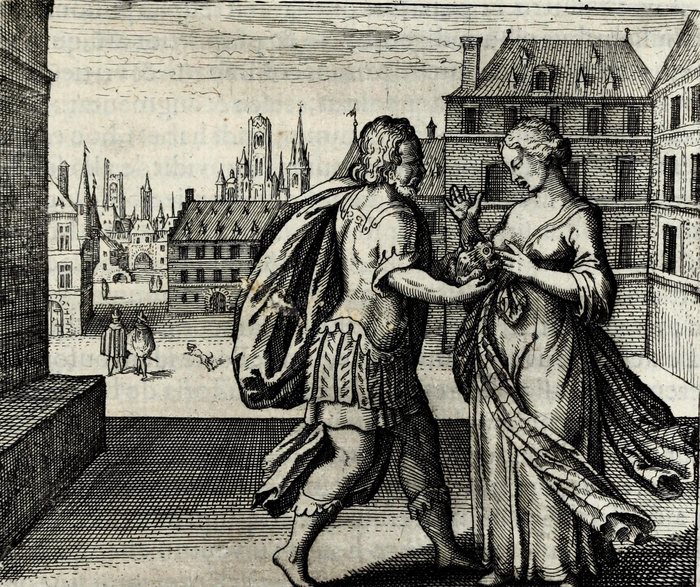 Appone mulieri super mammas bufonem, ut ablactet eum, & moriatur mulier, sitque bufo grossus de lacte
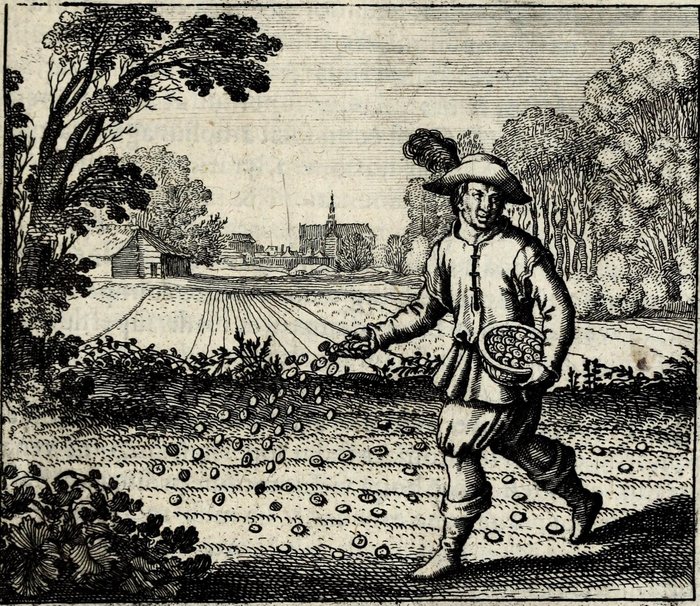 Seminate aurum vestrum in terram albam foliatam
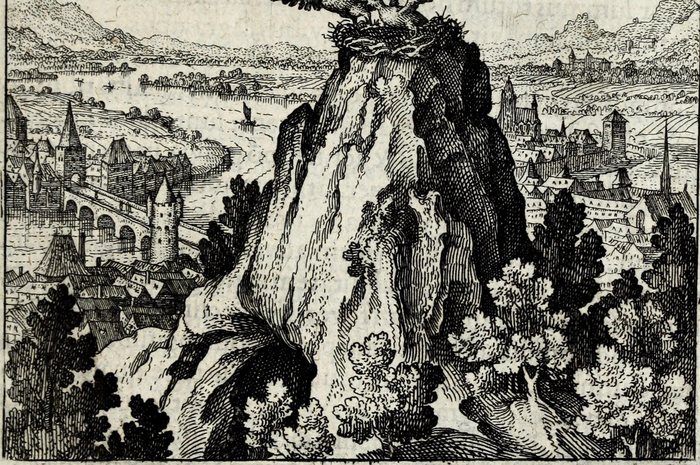 Fit pullus à nido volans, qui iterùm cadit in nidum
Record
One symbol a week, decoded.
This picture is free at full size from its source, linked above. What an address gets is the Sunday letter: one picture, one symbol marked on it, what it meant and who said so, and the master files of the decoded plates as they are verified. Leave any time.
Free, one letter a week, unsubscribe in one click. How the address is used.
Scroll or pinch to zoom · drag to move · double-tap for 1:1 · 1400 by 1290 pixel web copy; the source file is linked under Record