The Point within a Circle
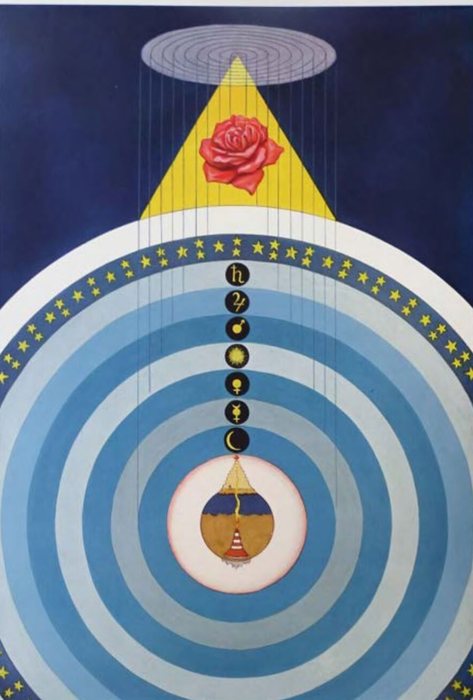
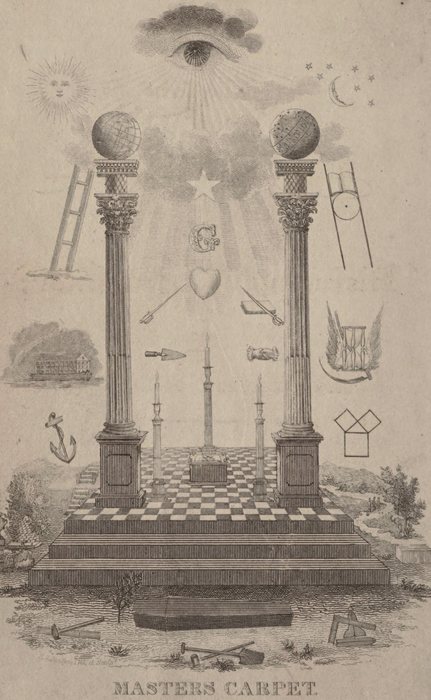
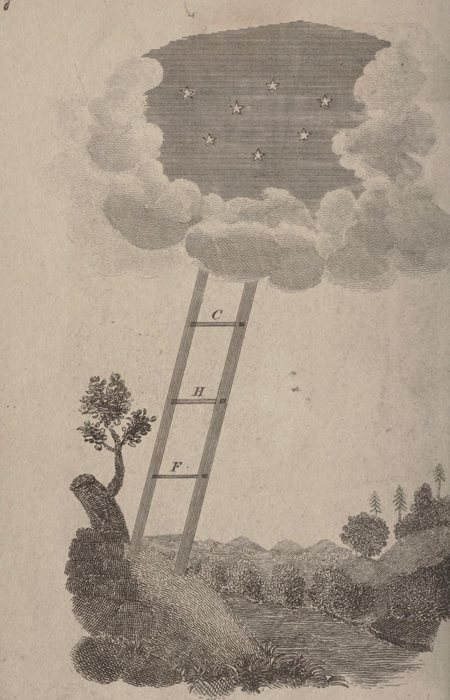
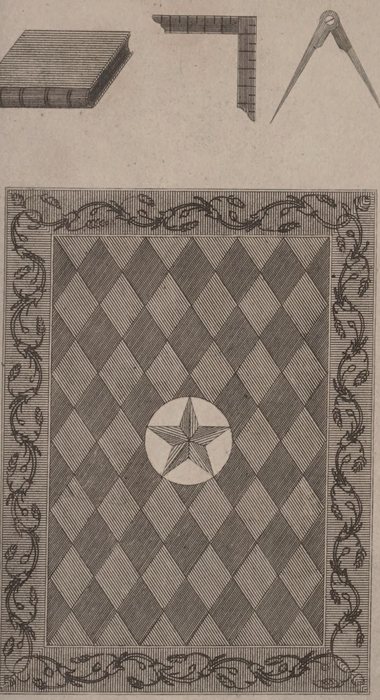
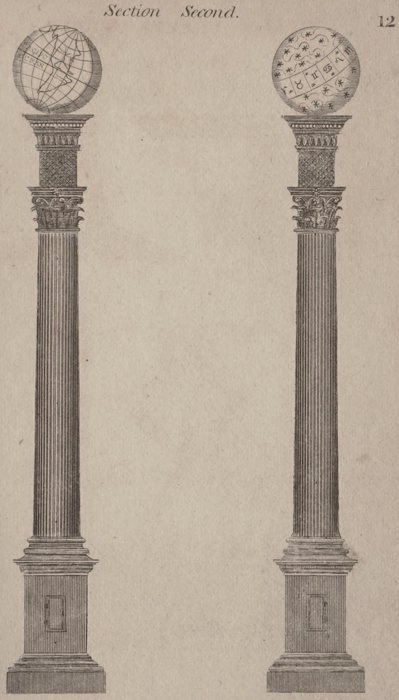
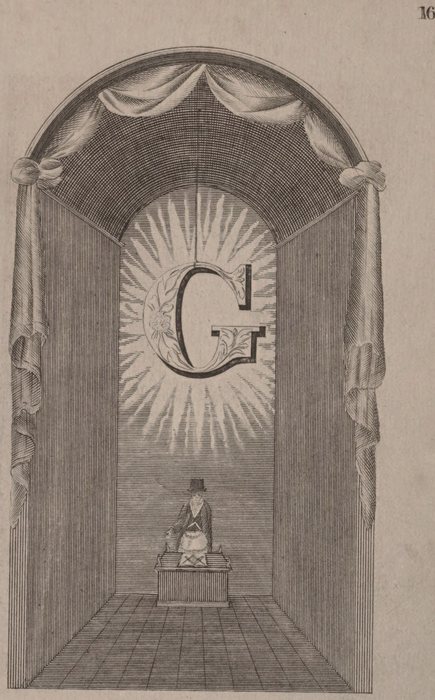
The Heavens as the central motif. From Masonic Chart.
What is happening
Jeremy L. Cross, 1826 “An Explanation of the four Cardinal Virtues; which are, Temperance, Fortitude, Prudence, and Justice.”
Jeremy L. Cross, 1826 “Temperance is that due restraint upon our affections and passions, which renders the body tame and governable, and frees the mind from the allurements of vice.”
Jeremy L. Cross, 1826 “Fortitude is that noble and steady purpose of the mind, whereby we are enabled to undergo any pain, peril, or danger, when prudentially deemed expedient.”
Jeremy L. Cross, 1826 “Prudence teaches us to regulate our lives and actions agreeably to the dictates of reason, and is that habit by which we wisely judge, and prudentially determine, on all things relative to our present as well as to our future happiness.”
Jeremy L. Cross, 1826 “Justice is that standard, or boundary of right, which enables us to render to every man his just due, without distinction.”
Key · 1 motif
Tap a motif on the picture, or a line below. Its note opens under the line, with the reading its author gave it.
- Primary motif
The picture
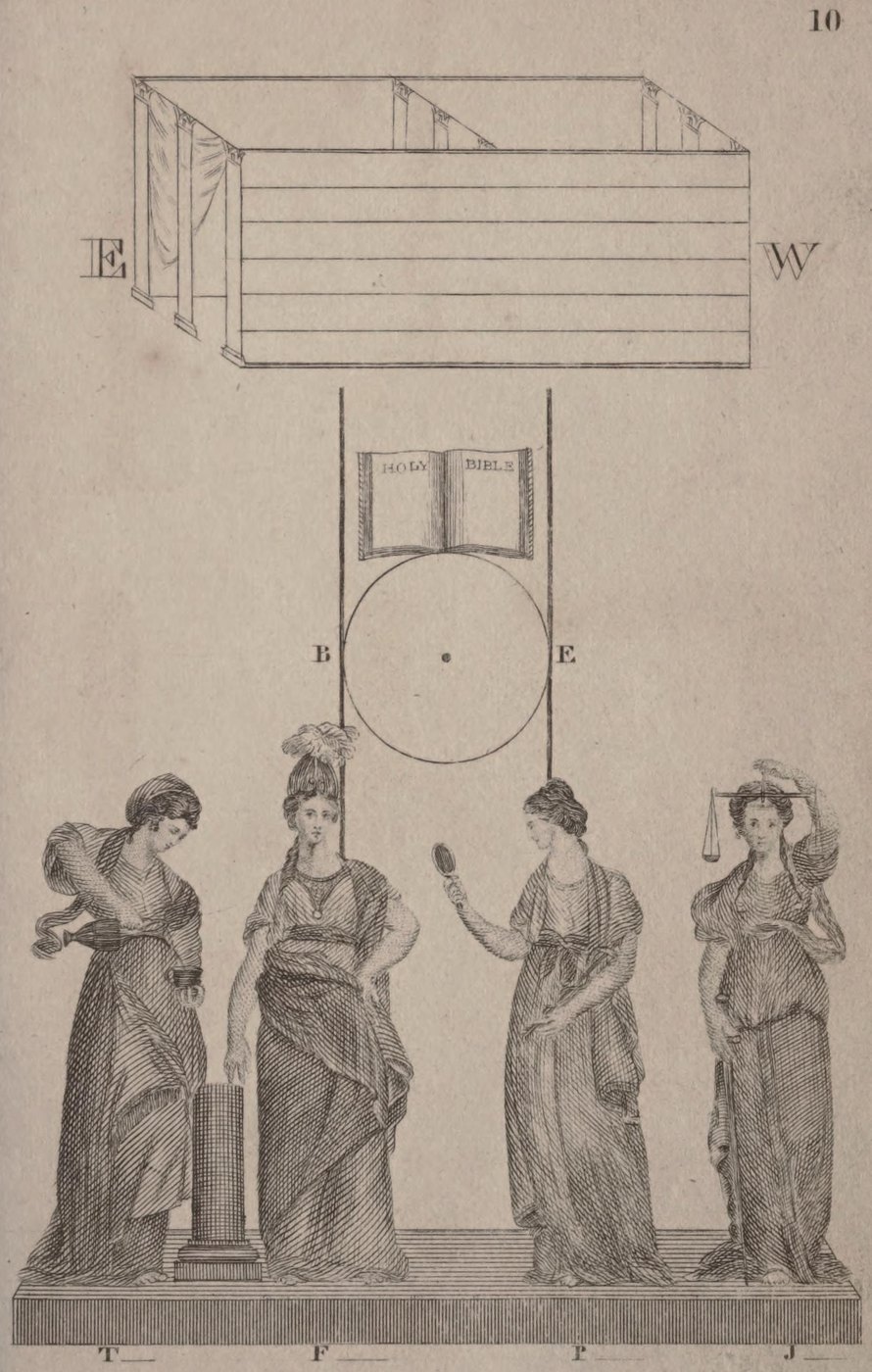
The point within a circle between two upright parallel lines lettered B and E, the book open on top, the plan of a lodge above lettered E and W, and four women lettered T, F, P and J on a pedestal below: one with a ewer, one leaning on a column, one with a mirror, one holding up the scales. By eye
The reading
The picture read whole, in the archive's words, from the sources quoted on the marks. Read on, and the picture follows: the motif under discussion keeps its colour.
Plate 10 is a page of the Entered Apprentice lecture drawn out. At the top is the ground plan of a lodge, lettered E and W; in the middle the point within a circle between two lines lettered B and E, with the Holy Bible open on top; along the foot four women on a pedestal, lettered T, F, P and J. The monitor prints the middle and the bottom on three facing pages, 17 to 19, and leaves the plan unexplained.
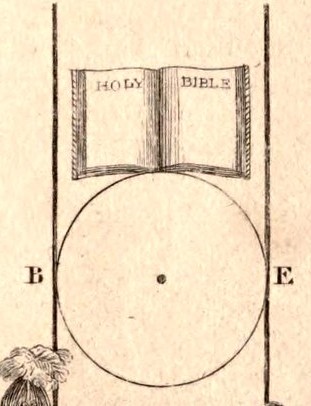
The circle first. ‘There is represented, in every regular and well-governed Lodge, a certain point within a circle, embordered by two perpendicular parallel lines, representing St. John the Baptist and St. John the Evangelist; and upon the top rests the Holy Scriptures.’ The two lines are the B and the E. A footnote makes the figure a diagram of conduct: ‘The point represents an individual brother; the circle is the boundary line, beyond which he is never to suffer his prejudices or passions to betray him.’ A man, the edge of his behaviour, and the two saints and the book that hold the edge in place.
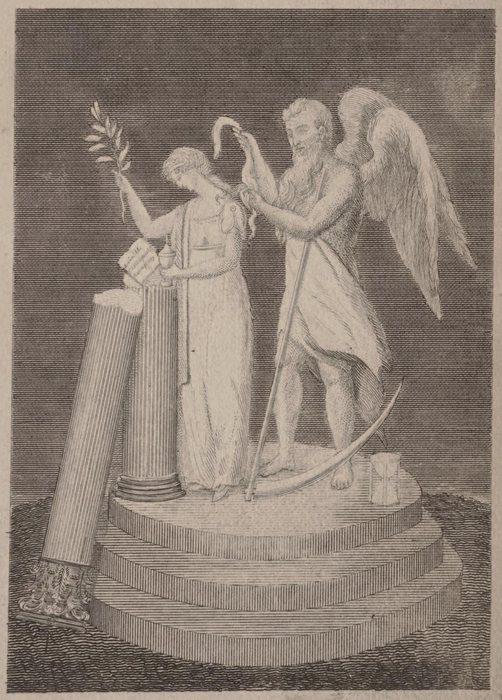
The four women are the cardinal virtues, and the letters are their initials: ‘An Explanation of the four Cardinal Virtues; which are, Temperance, Fortitude, Prudence, and Justice.’ Temperance holds a ewer, ‘that due restraint upon our affections and passions, which renders the body tame and governable’. Fortitude leans on a column, ‘that noble and steady purpose of the mind, whereby we are enabled to undergo any pain, peril, or danger, when prudentially deemed expedient’. Prudence holds up a mirror, and ‘teaches us to regulate our lives and actions agreeably to the dictates of reason’. Justice lifts the scales, a sword at her side, ‘that standard, or boundary of right, which enables us to render to every man his just due, without distinction’. Each definition in the monitor ends in a row of asterisks, where the spoken part of the lecture was left out of print.
So the plate stacks three things a candidate was taught: where he stands, how far he may go, and the four habits that keep him inside the line.
Decoded: every motif is marked, and each mark carries the reading its author gave it, quoted from the text, or says that it is observed on the picture and not read. The reading above is the archive's own, made from those sources and no others.
A diagram of everything, drawn so that a person can be found inside it. Note where the human figure stands in the scheme.
In plain words A dot inside a circle, a straight line either side of it, a book on top. Cross's lecture makes it a diagram of conduct: the dot is one brother, the circle is the line his behaviour must not cross, the two uprights are the two Saints John, and the book is the Scriptures. Go round the circle and you touch all three.
Jeremy L. Cross, 1826 “There is represented, in every regular and well-governed Lodge, a certain point within a circle, embordered by two perpendicular parallel lines, representing St. John the Baptist and St. John the Evangelist; and upon the top rests the Holy Scriptures. In going round this circle, we necessarily touch upon these two lines, as well as the Holy Scriptures; and while a mason keeps himself circumscribed within their precepts, it is impossible that he should materially err.”
Jeremy L. Cross, 1826 “The point represents an individual brother; the circle is the boundary line, beyond which he is never to suffer his prejudices or passions to betray him.”
Also carrying the Heavens
61 works carry it. The 6 where it is the central motif are here. The symbol.
In the same series
Record
One symbol a week, decoded.
This picture is free at full size from its source, linked above. What an address gets is the Sunday letter: one picture, one symbol marked on it, what it meant and who said so, and the master files of the decoded plates as they are verified. Leave any time.
Free, one letter a week, unsubscribe in one click. How the address is used.
Scroll or pinch to zoom · drag to move · double-tap for 1:1 · 890 by 1400 pixel web copy; the source file is linked under Record