Death and the Skull
the skeleton, the reaper
An office, not an ending. Note what Death is holding and who is being made to look at it.
Fourteen works here carry Death or a skull, and the thirteen the archive has read agree on what he is: an office, not a villain.
The Apocalypse gives the figure a name and a mount and nothing else: “And behold a pale horse: and he that sat upon him, his name was Death. And hell followed him.” That is a sentence about office. Death is a rider with a job, and the text does not describe his face.
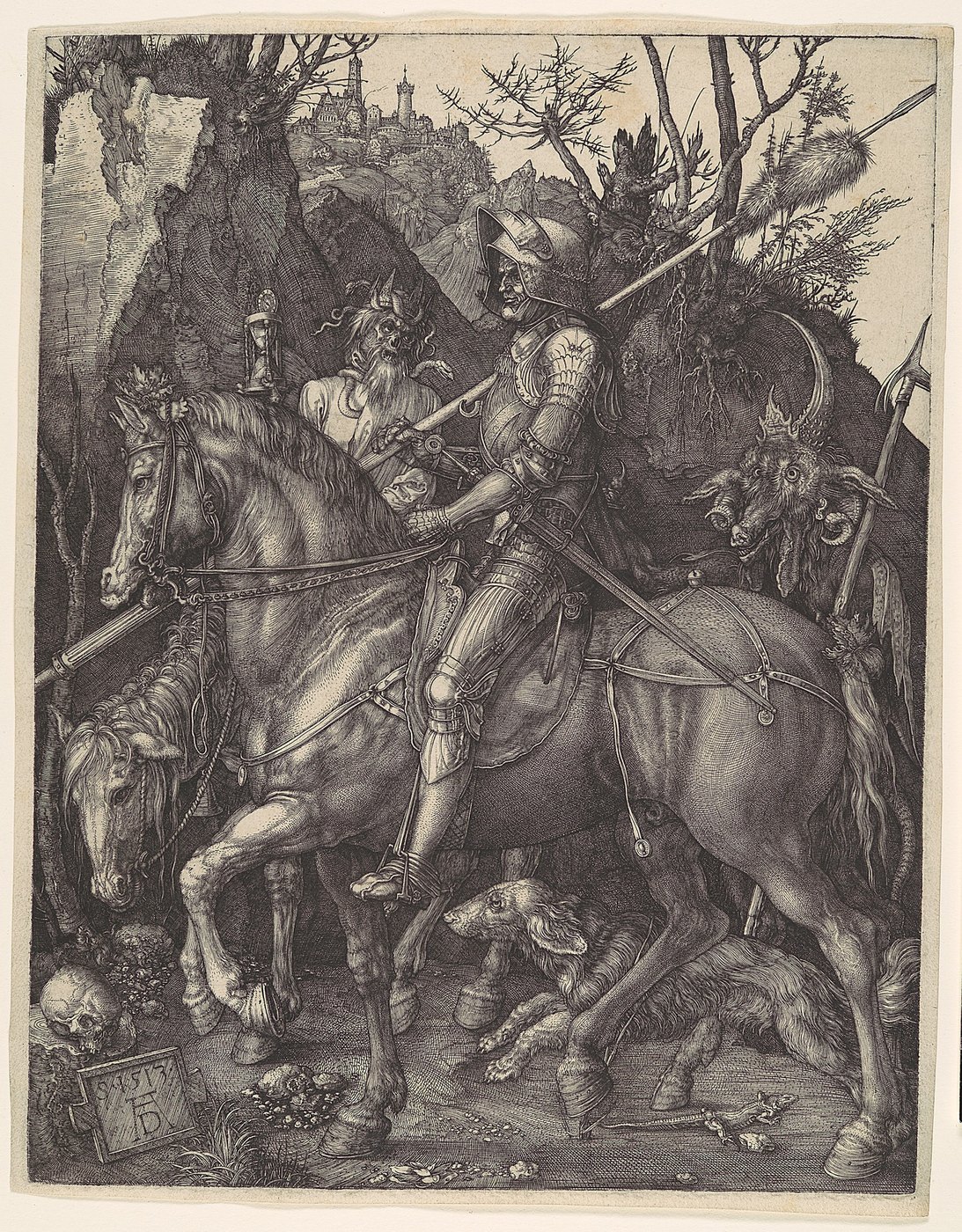
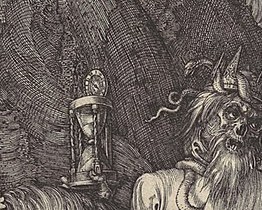
Dürer's engraving of 1513 makes the job specific. Death rides at the knight's left hand and holds up an hourglass, and Conway's reading is the one the archive holds: “Death turns round at the knight, holding up the hour-glass to his view: not in malice, not in wrath, but in sad and solemn warning.” The glass is the point. Death in this print is not attacking, he is informing, and the knight rides on without turning his head.
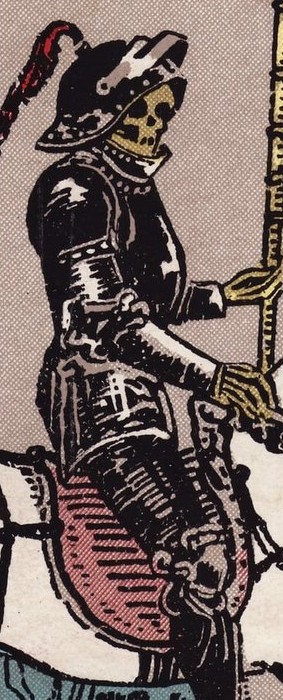
Pamela Colman Smith's card of 1909 keeps the office and drops the malice further still. Waite: “The horseman carries no visible weapon, but king and child and maiden fall before him, while a prelate with clasped hands awaits his end.” No weapon, and the ranks of the world fall anyway. The banner he carries is not a death's head but a rose.
Cross's chart of 1819 draws the office without the figure. On one plate an hour-glass and a scythe, with the monitor's two sentences beside them: “The Hour-Glass is an emblem of human life. Behold! how swiftly the sands run, and how rapidly our lives are drawing to a close!” and “The Scythe is an emblem of time, which cuts the brittle thread of life, and launches us into eternity.” On the next, a coffin with a sprig of acacia at its head and the sentence that closes the lecture, in which death “without revelation, is dark and gloomy” but the sprig is “the ever green and ever living sprig of Faith”. No rider and no skull: a glass, a blade, a box and a plant.
In Maier's Atalanta Fugiens of 1618 death is a stage of the work and never its end. The wolf devours the king of the twenty-fourth emblem, and the epigram promises “sic morte resurget / Rexque Leonino corde superbus erit”, so the king will rise again through death, proud with the heart of a lion. Adonis is killed by the boar so that the white rose can be made red with blood; Osiris is cut apart so that Isis can bind him together, all but one piece; the woman of the last emblem dies in the dragon's coils and the dragon with her, and Maier ends the whole book on it, “Haec operis semita vera tui est”, this is the true path of your work. Six emblems out of fifty put a corpse in the picture, and every one of them is a recipe.
Khunrath keeps death under the table. On his Oratory and Laboratory of 1595 the alchemist kneels at prayer, and in a small vault beneath the table of his open books sit an hourglass and a skull, with “Disce bene mori.”, learn to die well, lettered over the arch. It is the office again, the glass and the skull as furniture, placed where the man's knees almost touch it and out of his line of sight.
What all of them refuse is the reading a modern eye brings, that Death is the villain. In this material he is closer to a functionary of time, and the skull under the roots of Dürer's plate is a fact left lying about rather than a threat.
Contested
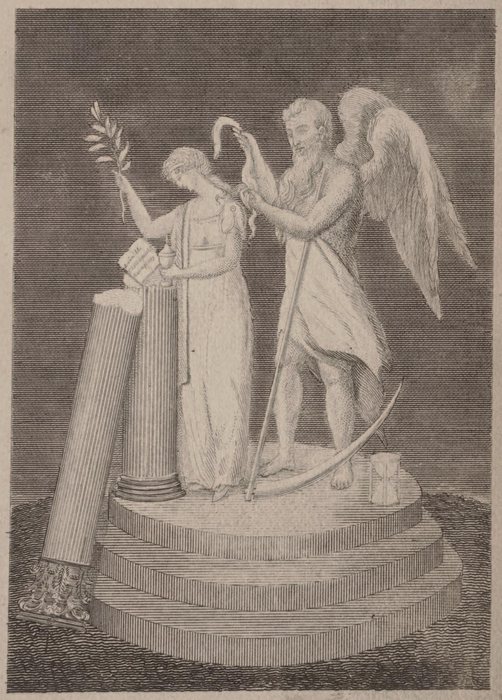
Thirteen works read is a thin base and the entry should be read as thin. Cross's broken column with Time behind it is tagged by eye and unread; the wings on Cross's hour-glass are marked as seen and not read. Maier's dead are read on their records, from his epigrams, and his discourses on them are not yet transcribed. Conway is reading the print long after it was cut. The snakes in Death's hair on the Dürer are marked here as observed: Conway reads Death and the hourglass and does not name them. Khunrath's arch is read from the three words engraved on it.
Sources
- The Apocalypse of Saint John, Douay Rheims, Challoner revision: Quoted from the Challoner revision, the English text the archive uses for the Apocalypse throughout.
- William Martin Conway, Literary Remains of Albrecht Durer: Conway's translations and commentary. A nineteenth-century scholar reading the prints, not Durer explaining himself.
- Arthur Edward Waite, The Pictorial Key to the Tarot: Waite commissioned the 1909 designs and wrote the key to them, so his account is the closest thing the deck has to an author's statement.
- Jeremy L. Cross, The True Masonic Chart, or Hieroglyphic Monitor, 1826: The printed lectures of Cross's monitor, New Haven 1826, read against the page images of the Library of Congress copy; each emblem's sentence is quoted where the monitor carries it, and the plates whose lectures went unprinted say so.
- Michael Maier, Atalanta Fugiens, 1618: The mottoes and epigrams of the fifty emblems, Oppenheim 1618, read against the page images of the Getty Research Institute copy; the English is the archive's own and is marked as such on every record. Maier's discourses, in which he explains each emblem at length, are not yet transcribed.
- Heinrich Khunrath, Amphitheatrum Sapientiae Aeternae, 1609: The lettering of the plates of the Amphitheatrum, Hanau 1609, read off the page images of the Wellcome and Paris copies at the size of the archive's own images; the Hebrew and Greek are given in transliteration and the English is the archive's.
On the same plate
Where it appears · 14
14 works in the archive carry Death and the Skull. First the 13 where it has been read, with Death and the Skull itself picked out.
Knight, Death, and the Devil
Death (XIII)
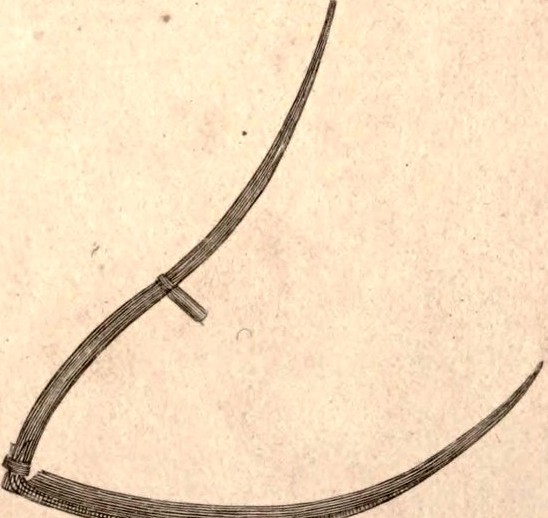
The Anchor and the Ark, the Forty-seventh Problem, the Hourglass and the Scythe
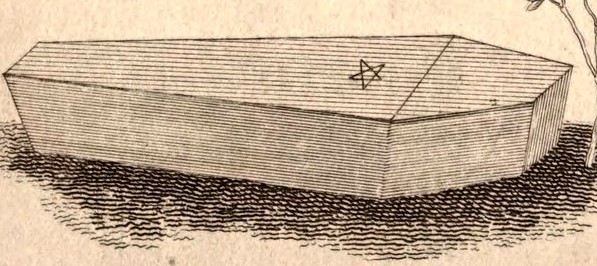
The Setting Maul, the Spade, the Coffin and the Sprig of Acacia
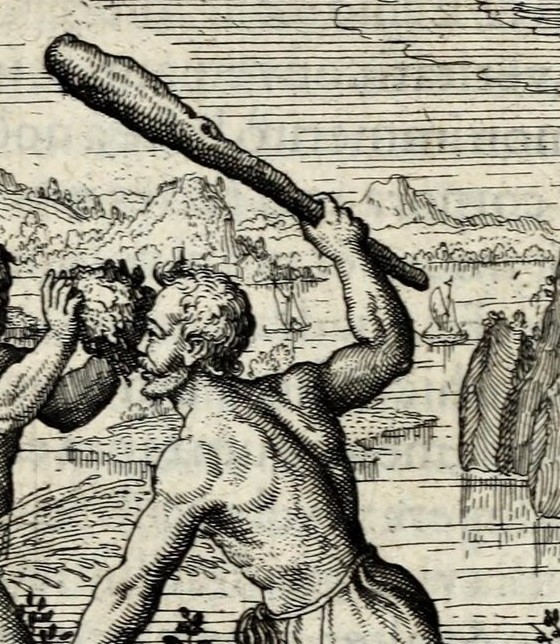
Si de quattuor unum Occidas, subitò mortuus omnis erit
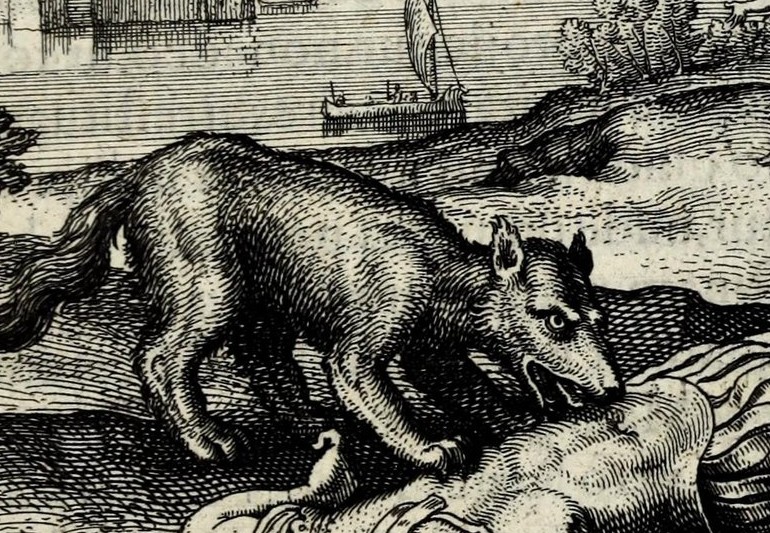
Regem lupus voravit & vitæ crematus reddidit
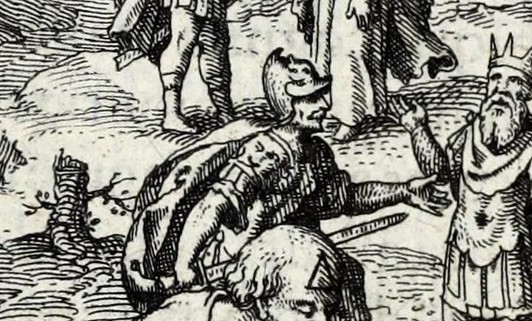
Oedypus Sphynge superata & trucidato Lajo patre matrem ducit in uxorem
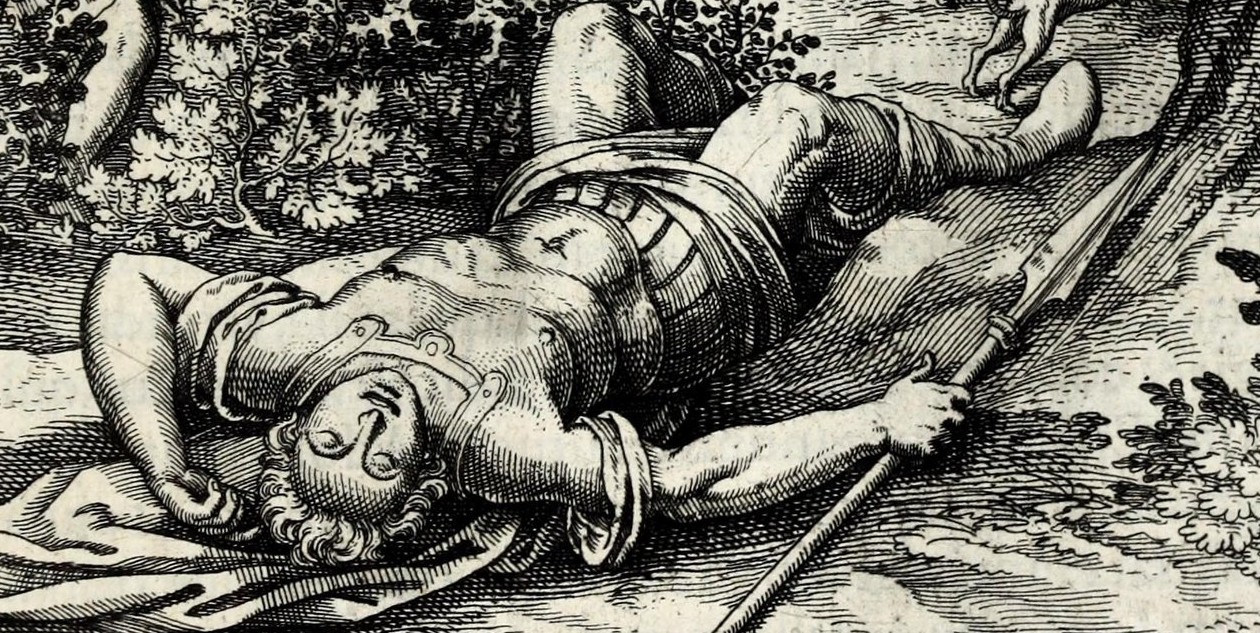
Adonis ab apro occiditur, cui Venus accurrens tinxit Rosas sanguine
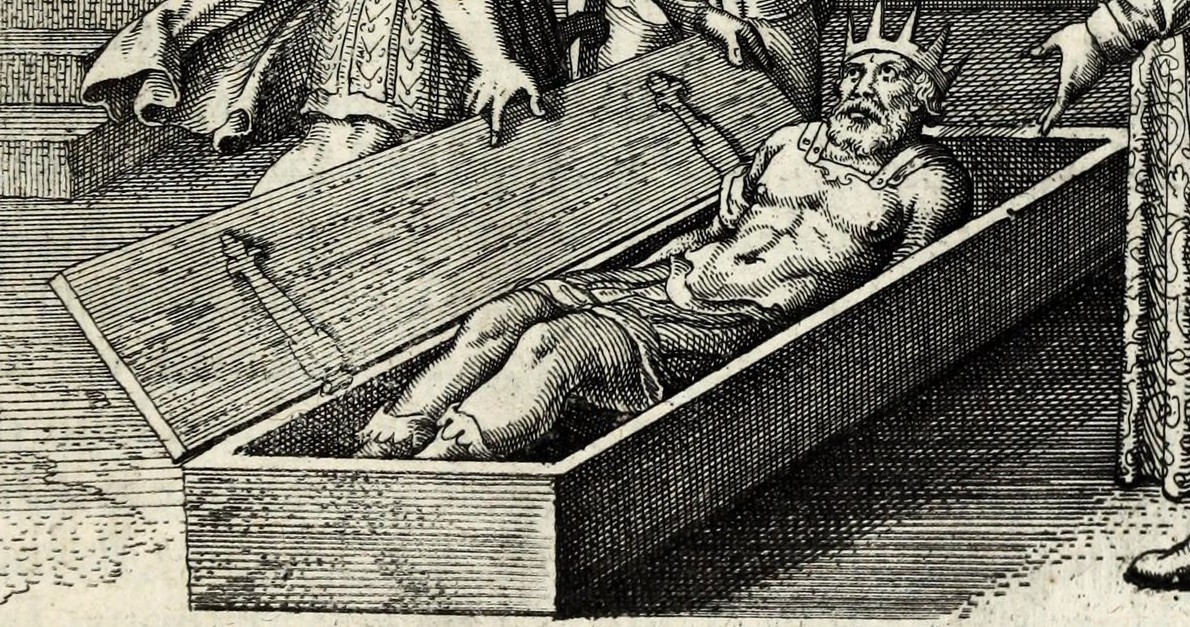
Dolo Typhon Osyridem trucidat, artúsque illius Hinc inde dissipat, sed hos collegit Isis inclyta
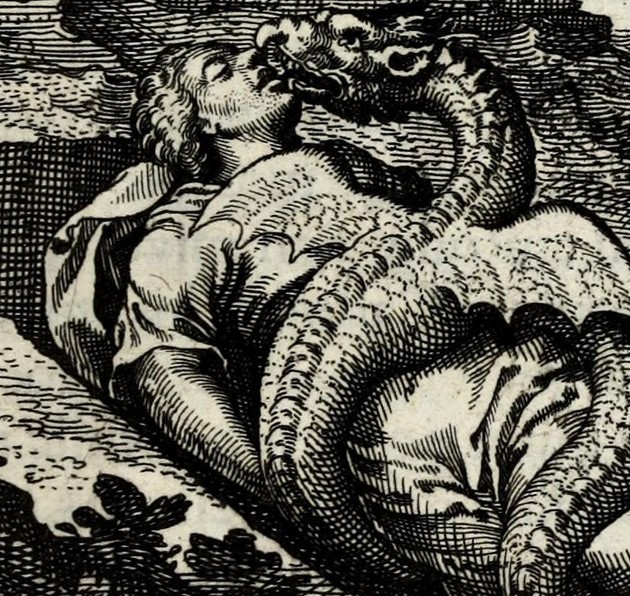
Draco mulierem, & hæc illum interimit, simulque sanguine perfunduntur
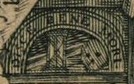
The Oratory and the Laboratory
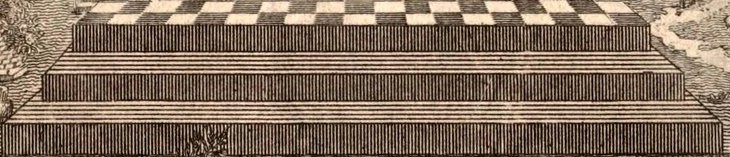
Master's Carpet
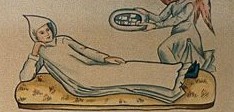
The Buried Stone, the Castle and the Beasts
As the subject · 1
Works filed under Death and the Skull as their central motif, not yet read symbol by symbol.