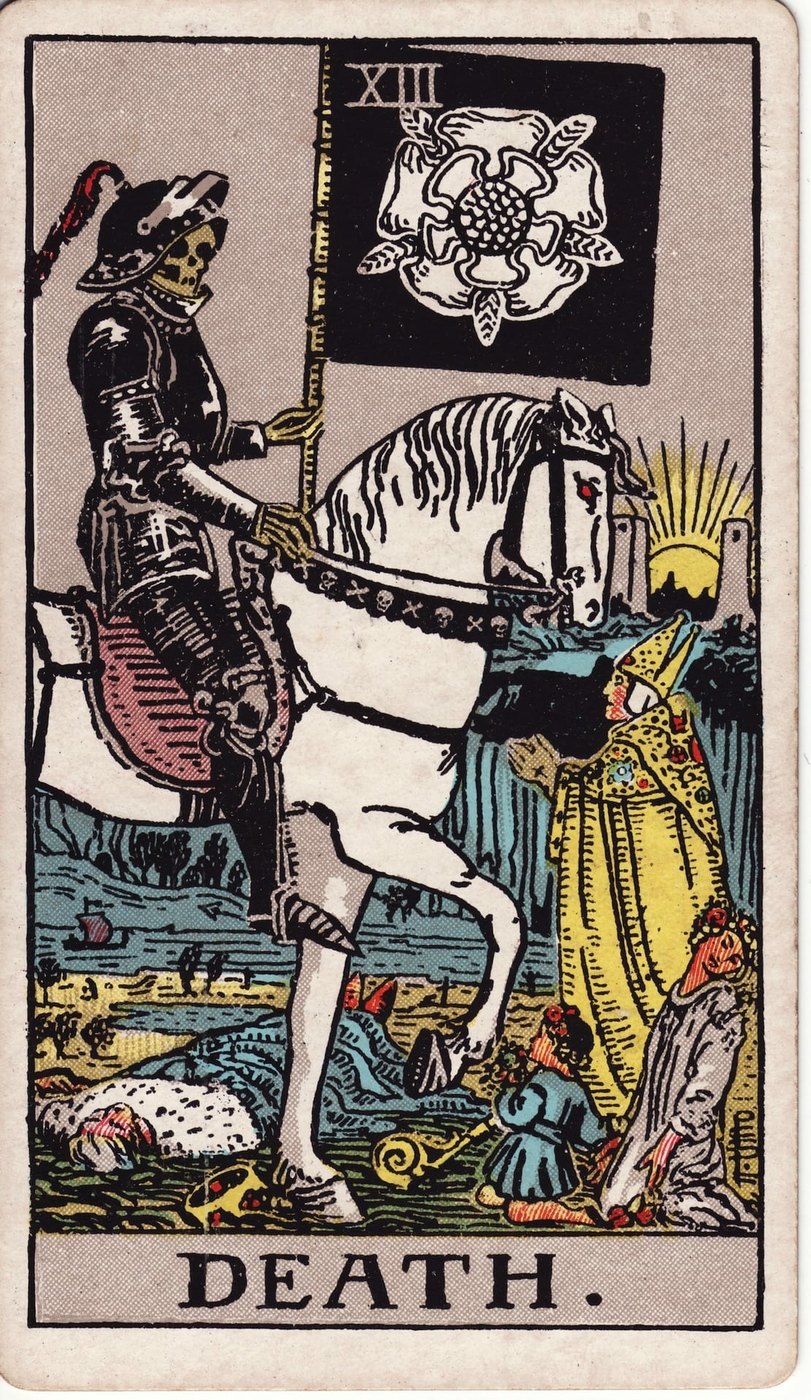
Death (XIII)
Death and the Skull as the central motif, with the Horse, the Sun and the Moon, the Crown, and the Water in a secondary part. From The 1909 tarot.
What is happening
Waite, 1911 “The natural transit of man to the next stage of his being either is or may be one form of his progress, but the exotic and almost unknown entrance, while still in this life, into the state of mystical death is a change in the form of consciousness and the passage into a state to which ordinary death is neither the path nor gate.”
Waite, 1911 “The existing occult explanations of the 13th card are, on the whole, better than usual, rebirth, creation, destination, renewal, and the rest.”
Key · 5 motifs
Tap a motif on the picture, or a line below. Its note opens under the line, with the reading its author gave it.
- Primary motif
- Secondary motifs · 3
The picture
An armoured skeleton on a white horse carries a black banner with a white rose; a king lies fallen with his crown beside him, a child and a maiden kneel, a bishop stands with clasped hands; the sun rises between two towers, a river with a boat behind; Death as the central motif, the Horse, the Sun and the Crown by eye. By eye
The reading
The picture read whole, in the archive's words, from the sources quoted on the marks. Read on, and the picture follows: the motif under discussion keeps its colour.
Waite threw out the scythe. He called the reaping skeleton a crude notion and asked for an apocalyptic vision in its place, and what Pamela Colman Smith gave him is still a skeleton, but armoured, mounted, and carrying no weapon at all.
What it carries is a flag, and the flag reverses the card in one object: a black banner with a white five petalled rose on it, which Waite names the Mystic Rose and glosses as life. Death rides under the sign of life. The people in front of him are not being cut down either. A king lies flat on the ground already; a child kneels and holds up flowers; a young woman turns her face away; and a bishop in his mitre stands with his hands together and waits, the only one who meets the rider. Waite's own line for the group has them falling before him while the prelate awaits his end.
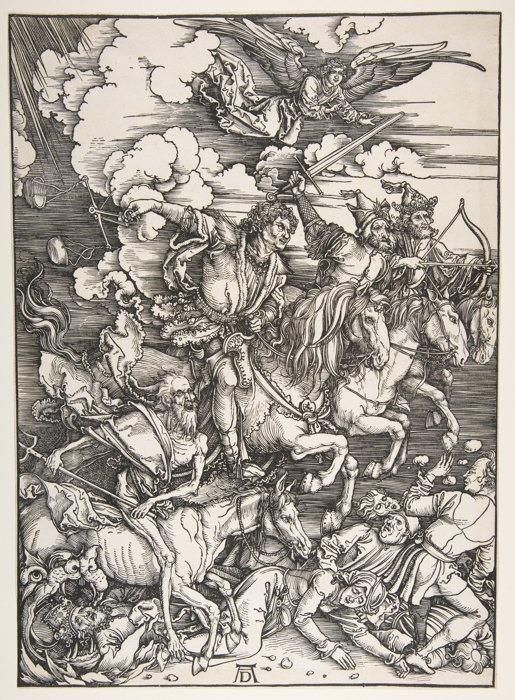
The horse gives the reference away. This is the fourth of the Apocalypse, whose rider is named Death, and Dürer put him on a starved pale nag three centuries earlier in a print this archive also holds. Smith's horse is fed, and it walks. Nothing on the card is being trampled. Everything is being passed.
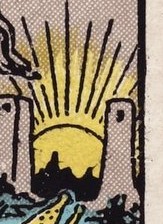
Behind them the sun comes up between two towers at the end of a river, and Waite calls it the sun of immortality. It is the point of the card, and nobody in the picture is looking at it. The reader is. A boat goes down the river below it, which Waite never mentions and which is marked here as seen, though few readers will get past thinking of a ferry.
Then the crown, lying in the dirt where it rolled. Writing about the older design Waite says the card is in its current and patent meaning more especially one of the death of Kings, and Smith kept that: the mighty go down first. It is the one detail on the card that was never rectified.
Waite allows that the usual occult readings of the thirteenth card come out better than usual, rebirth, creation, renewal. The distinction he actually wants is harder than any of them. Ordinary dying is a natural transit to the next stage of being. The other kind is an entrance made while still alive into a state of mystical death, a change of consciousness that ordinary death is neither the path nor the gate to. Smith's picture carries both at once, a dead king's crown in the dirt and a rose on the flag.
Decoded: every motif is marked, and each mark carries the reading its author gave it, quoted from the text, or says that it is observed on the picture and not read. The reading above is the archive's own, made from those sources and no others.
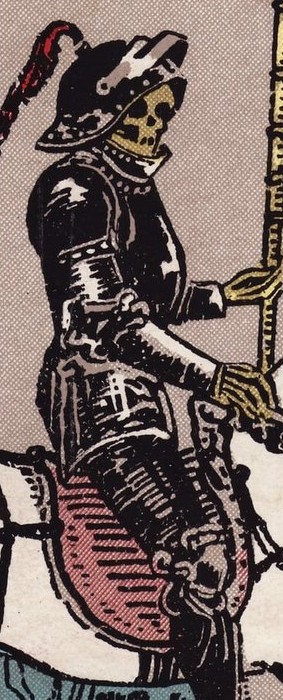
An office, not an ending. Note what Death is holding and who is being made to look at it.
In plain words A skeleton in black armour rides slowly across the card with no weapon in his hands, only a black banner with a white rose on it. Waite says the rose is the Mystic Rose and that it signifies life: the card is not a reaper's card but a picture of passage from one state to a higher one.
Waite, 1911 “The veil or mask of life is perpetuated in change, transformation and passage from lower to higher, and this is more fitly represented in the rectified Tarot by one of the apocalyptic visions than by the crude notion of the reaping skeleton.”
Waite, 1911 “The horseman carries no visible weapon, but king and child and maiden fall before him, while a prelate with clasped hands awaits his end.”
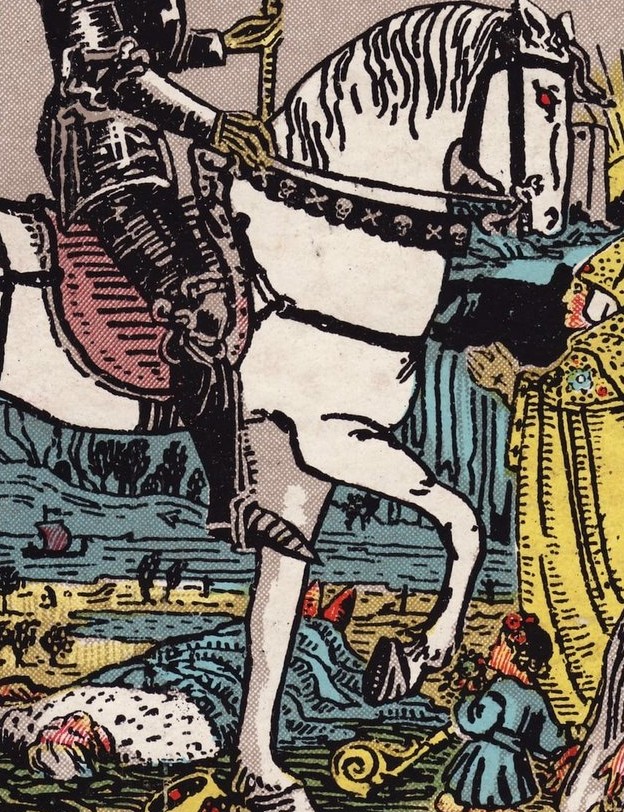
Almost never the subject. Read the rider, then read what the colour of the horse is doing.
In plain words The horse is white, and Waite says the horseman moves slowly. In the Apocalypse the rider named Death sits on a pale horse; Waite says outright that he has replaced the crude notion of the reaping skeleton with one of the apocalyptic visions.
Waite, 1911 “The mysterious horseman moves slowly, bearing a black banner emblazoned with the Mystic Rose, which signifies life.”
Gold, the perfected metal, and the illuminated intellect. The most overloaded symbol in the tradition.
In plain words Far off, between two towers on the horizon, the sun is rising. Waite calls it the sun of immortality. It is the one thing on the card that the fallen figures are not looking at.
Waite, 1911 “Between two pillars on the verge of the horizon there shines the sun of immortality.”
Completion, and in the Kabbalistic reading the first sephirah, the point at which the work is no longer yours.
In plain words The king lies dead with his crown fallen beside him. In Part I of his book Waite says the old card is more especially a card of the death of Kings, and Pamela Colman Smith kept the king and put the crown on the ground.
Waite, 1911 “Other heads have been swept from their place previously, but it is, in its current and patent meaning, more especially a card of the death of Kings.”
Also carrying Death and the Skull
13 works carry it. The 6 where it is the central motif are here. The symbol.
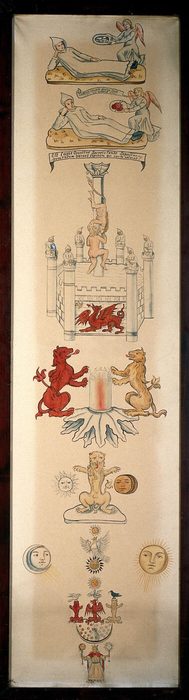 The Buried Stone, the Castle and the Beasts
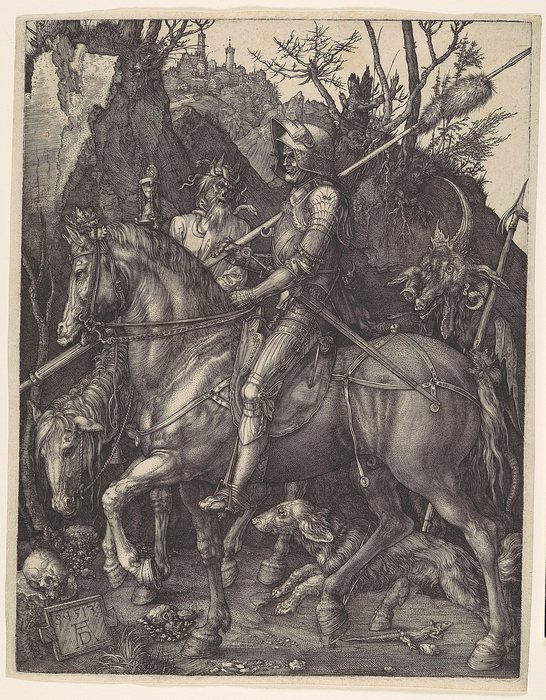 Knight, Death, and the Devil
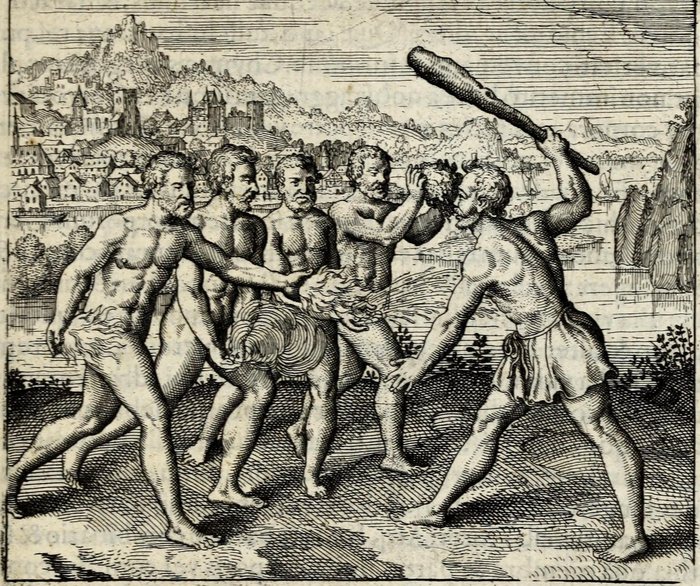 Si de quattuor unum Occidas, subitò mortuus omnis erit
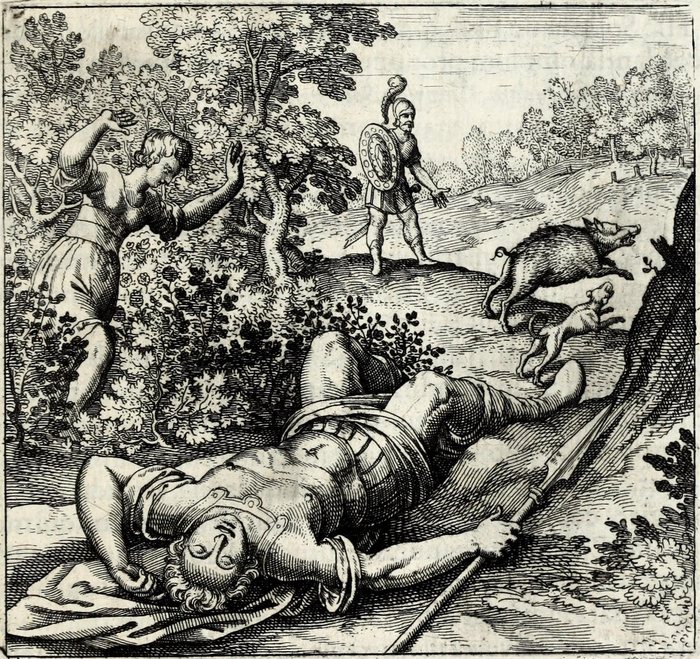 Adonis ab apro occiditur, cui Venus accurrens tinxit Rosas sanguine
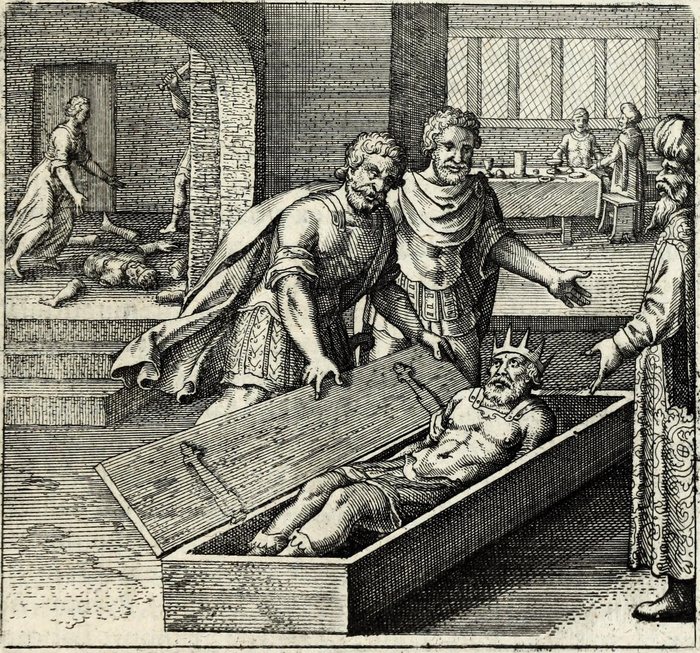 Dolo Typhon Osyridem trucidat, artúsque illius Hinc inde dissipat, sed hos collegit Isis inclyta
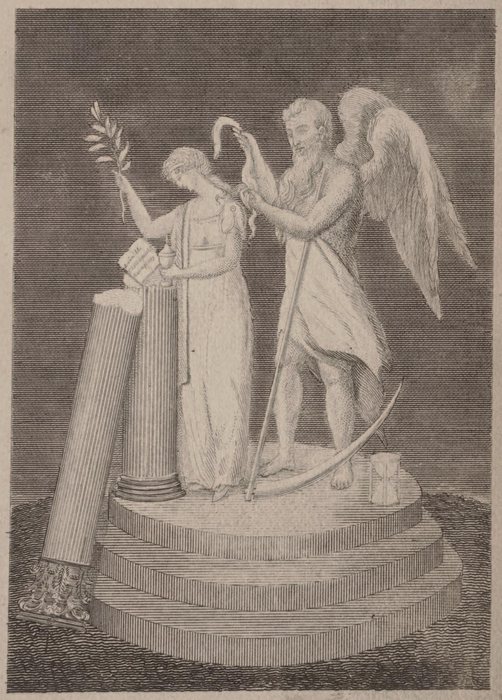 The Weeping Virgin, the Broken Column and Time
Where the detail is the subject
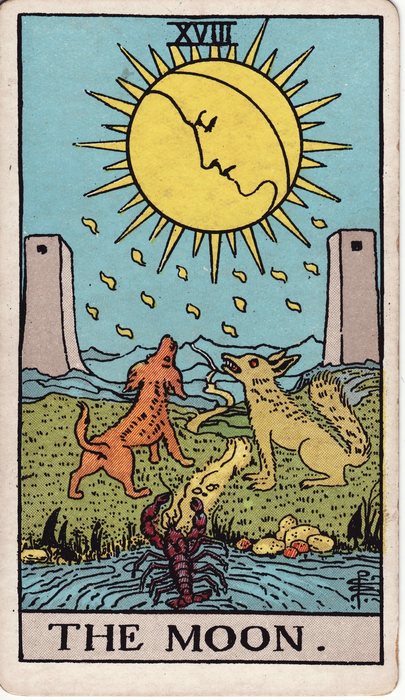
the Horse · the Sun and the Moon · the Crown · the Water
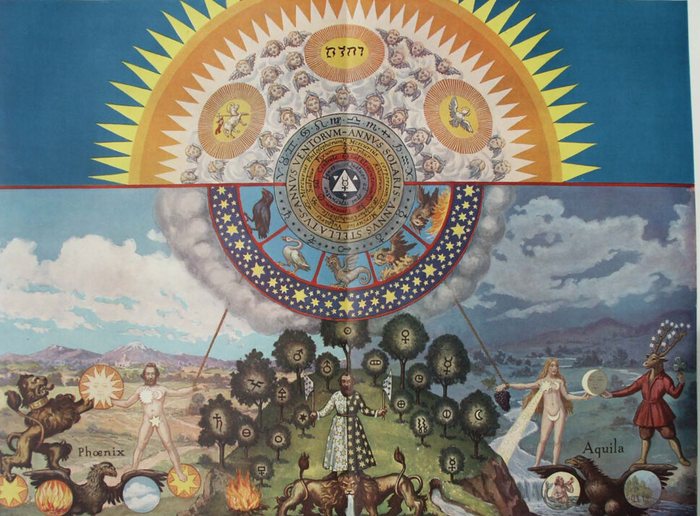
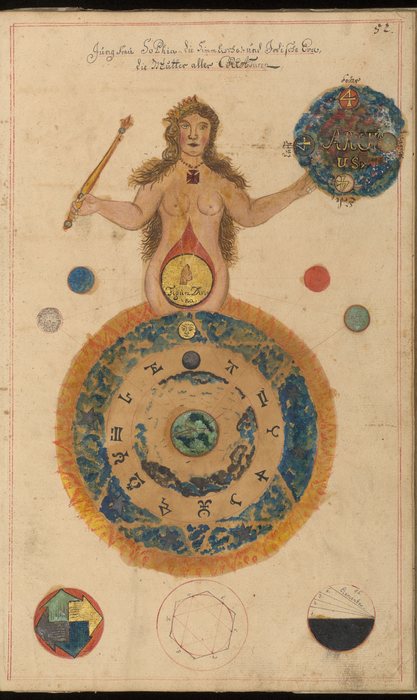
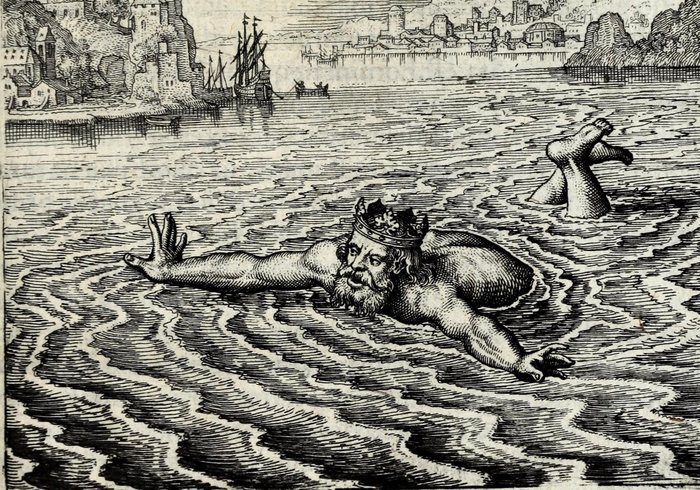
Each of these is in the picture without being what it is about. Below, one work that is about each.
In the same series
Record
One symbol a week, decoded.
This picture is free at full size from its source, linked above. What an address gets is the Sunday letter: one picture, one symbol marked on it, what it meant and who said so, and the master files of the decoded plates as they are verified. Leave any time.
Free, one letter a week, unsubscribe in one click. How the address is used.
Scroll or pinch to zoom · drag to move · double-tap for 1:1 · 811 by 1400 pixel web copy; the source file is linked under Record