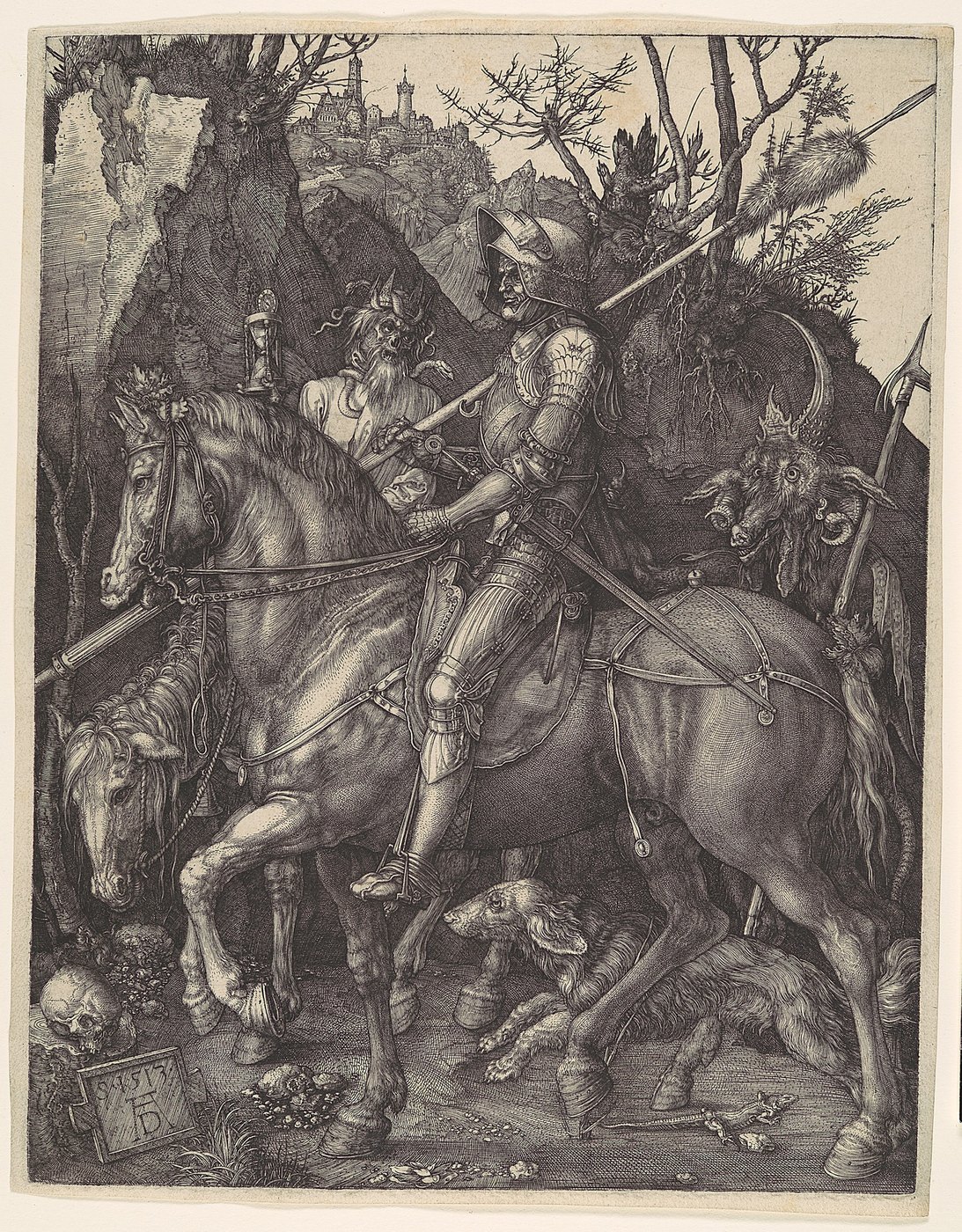
Knight, Death, and the Devil
Death and the Skull as the central motif, with the Horse, the Serpent and the Dragon, the Crown, and the Demon and the Monster in a secondary part. From Single sheets.
What is happening
Conway, 1889 “They were intended to represent the Sanguine and Melancholic temperaments and to shadow forth the religious and intellectual spirits of the day.”
Conway, 1889 “The sombre way is bordered by barren banks and overshadowed by gnarled and leafless trees.”
Key · 5 motifs
Tap a motif on the picture, or a line below. Its note opens under the line, with the reading its author gave it.
- Primary motif
- Secondary motifs · 4
The picture
A knight in armour rides between two figures: Death, crowned and snake-haired, holding up an hourglass from a pale horse, and a horned figure with a pike walking behind. A dog runs at the horse's heels and a skull lies among the roots at the foot of the plate. By eye
The reading
The picture read whole, in the archive's words, from the sources quoted on the marks. Read on, and the picture follows: the motif under discussion keeps its colour.
An armoured knight rides through a ravine on a tall horse, looking straight ahead. At his left, on a thin pale horse, Death rides alongside, crowned, with snakes in his hair, holding up an hourglass; behind him walks a devil with a pig's snout, a goat's horn and a pike. A dog runs under the horse, a lizard scuttles the other way, a skull lies on a stump at the lower left beside a tablet with the date 1513 and Dürer's monogram, and above the trees a castle stands on a hill in the light. Conway, whose account of 1889 the archive holds, reads it as a companion to Melencolia I: the sanguine temperament to her melancholic, the man of action to her thinker, the two together meant, in his words, ‘to shadow forth the religious and intellectual spirits of the day’.
Conway's sentence for the central action is a Victorian's: ‘Death turns round at the Knight, holding up the hour-glass to his view, not in malice, not in wrath, but in sad and solemn warning.’ It is gentler than the print; but it catches the thing that makes the engraving unlike a Dance of Death. Death here does not seize anyone. He rides along and shows the time. The verse Conway quotes at the figure is the pale horse of the Apocalypse: ‘and he that sat upon him, his name was Death, and hell followed him’. On the plate, hell is the devil walking behind. The skull among the roots at the bottom is the argument's footnote, set on the stone where the artist signed his name.
The knight's horse is the point of the picture's pride. Dürer had drawn this animal before, in a Saint George of 1508, and Conway says the knight of the later print is ‘identically the same warrior on the same horse, but in a different position’; he had studied the proportions of horses for years and this is the result, a war-horse with its neck arched and every muscle placed. Death's horse is its opposite, thin, stumbling, head down, the kind of horse a poor man rides. Two horses, two conditions of life, side by side.
The devil is the least frightening thing in the print and the most grotesque: a pig's snout, a single twisted horn, ass's ears, a pike over the shoulder, trudging behind the horse's tail. Conway calls him ‘the Devil that brings all things to their end’, and puts him in the knight's train with Death: the rider goes ‘accompanied by the Timespirit whom men call Death, and followed by the Devil’. The knight does not look at either. Conway's reading of the knight himself, as Saint George the Reformer riding fearlessly ‘through the dark valley of life’, is the reading of 1889, a Protestant Englishman's, and the archive gives it as his; the print has been read as a Christian soldier, a robber knight and a portrait ever since, and none of those readings is the archive's to settle.
Snakes writhe out of Death's hair and one coils round his throat. Conway does not mention them. The archive records them as seen and notes only that snakes in the hair belong to Medusa and to the Furies, and that Dürer knew his classical monsters.
Death is crowned, a spiked crown with the snakes coming through it. Conway does not say so either. A crowned Death is Death as king, the medieval commonplace, and the reader may take the thought that far; the mark stops where the source stops.
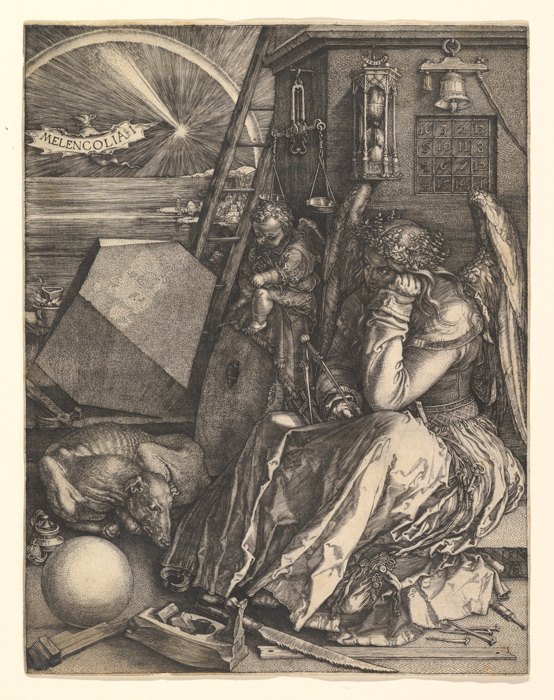
‘The sombre way is bordered by barren banks and overshadowed by gnarled and leafless trees’, Conway writes, and the castle in the light above is the only thing in the picture that is not in shadow. Whether it is the knight's destination or simply the world going on above the ravine, the print does not say. It is one of the three engravings Dürer made in 1513 and 1514 that have been called his master engravings, and this archive holds two of them. The third, Saint Jerome in his study, is a man reading; this one is a man riding; Melencolia is a woman thinking. Conway's pairing of two of the three is one way to read them, and it is given here as his.
Decoded: every motif is marked, and each mark carries the reading its author gave it, quoted from the text, or says that it is observed on the picture and not read. The reading above is the archive's own, made from those sources and no others.
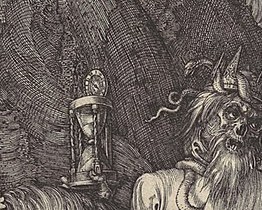
An office, not an ending. Note what Death is holding and who is being made to look at it.
In plain words Death rides beside the knight on a pale, stumbling horse, crowned, with snakes in his hair, and holds up an hourglass so the knight can see it. Conway reads the gesture as a warning, sad and solemn, not a threat; and a skull lies among the roots at the foot of the plate, on the tablet with Dürer's date.
Conway, 1889 “Death turns round at the knight, holding up the hour-glass to his view: not in malice, not in wrath, but in sad and solemn warning.”
Apocalypse 6:8 “And behold a pale horse: and he that sat upon him, his name was Death. And hell followed him.”
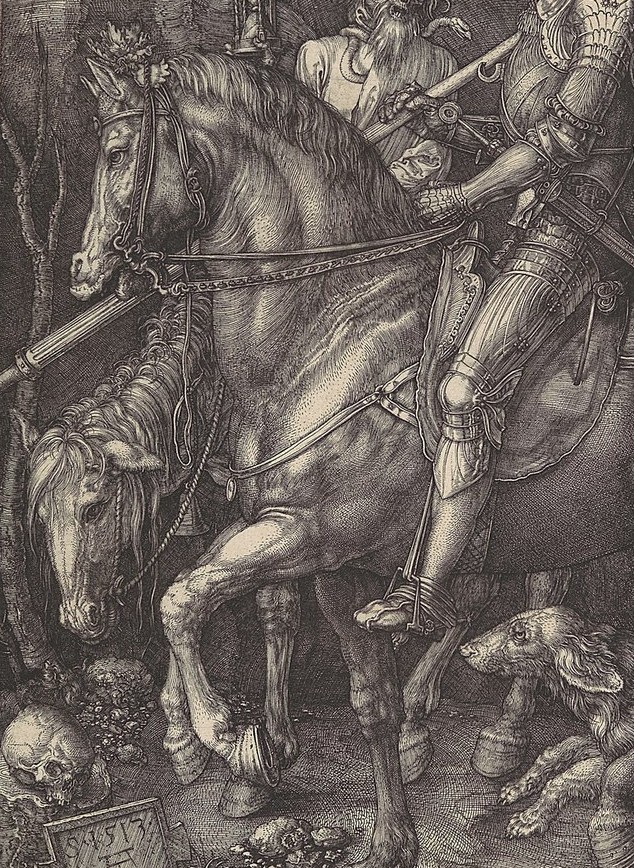
Almost never the subject. Read the rider, then read what the colour of the horse is doing.
In plain words The knight's horse is the big, proud, well-schooled animal Dürer had drawn before, in his Saint George of 1508, and Conway says it is the same horse in a different position. Death's horse, stumbling below it at the left, is its opposite: thin, drooping, head down.
Conway, 1889 “the knight of the later print is identically the same warrior on the same horse, but in a different position”
Conway, 1889 “He is S. George, the Reformer, fearlessly riding through the dark valley of life.”
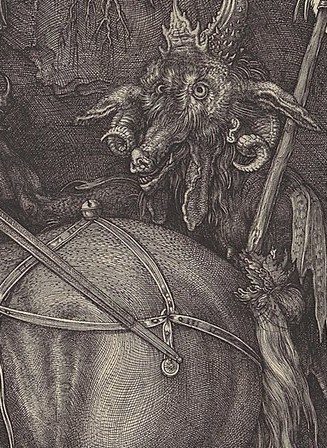
Almost always a composite and almost always subordinate. Note what it is made of and whether it is bound.
In plain words The horned creature with a pig's snout and a pike walks behind the knight, who does not turn. Conway names him the Devil that brings all things to their end, following in the knight's train.
Conway, 1889 “accompanied by the Timespirit whom men call Death, and followed by the Devil that brings all things to their end”
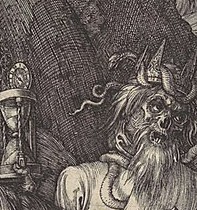
A single creature doing two opposite jobs. Note whether it is bound, killed, or eating itself.
In plain words Snakes coil out of Death's hair and round his throat. Conway reads Death and the hourglass and does not mention them. Observed on the print and left unread.
Symbolica Conway reads Death and the hourglass and does not name the snakes. Observed on the print, and left unread rather than guessed.
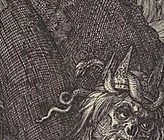
Completion, and in the Kabbalistic reading the first sephirah, the point at which the work is no longer yours.
In plain words Death wears a spiked crown with the snakes coming through it. Conway does not say so. Observed on the print and left unread: a crowned Death is a king, and the reader may take it from there.
Symbolica The rider is crowned. Conway's reading does not say so. Observed on the print, and left unread rather than guessed.
Also carrying Death and the Skull
13 works carry it. The 6 where it is the central motif are here. The symbol.
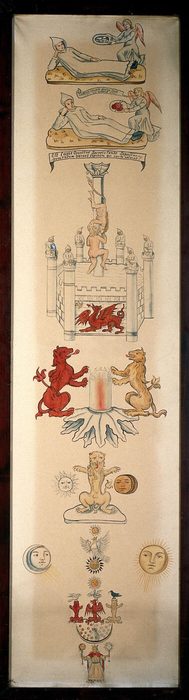 The Buried Stone, the Castle and the Beasts
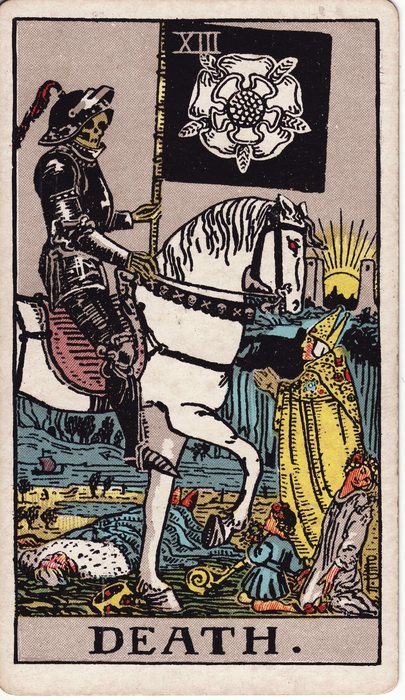 Death (XIII)
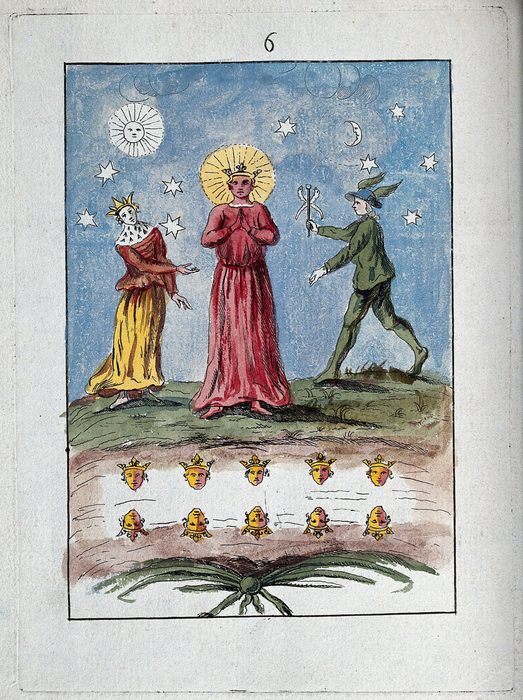
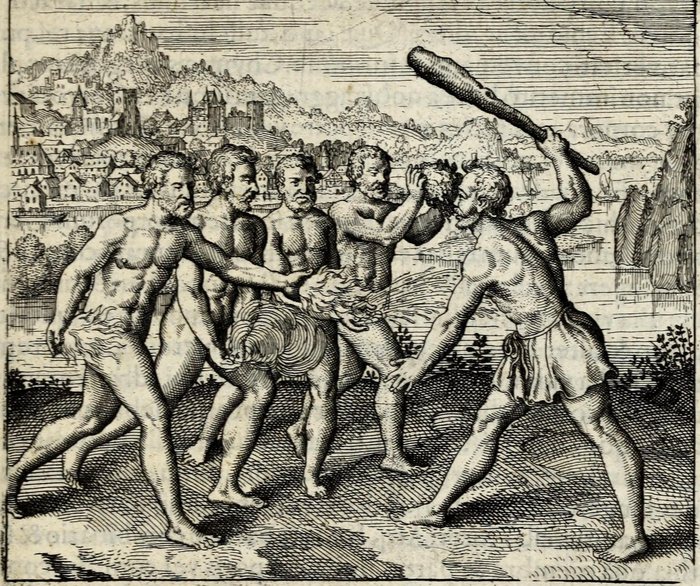 Si de quattuor unum Occidas, subitò mortuus omnis erit
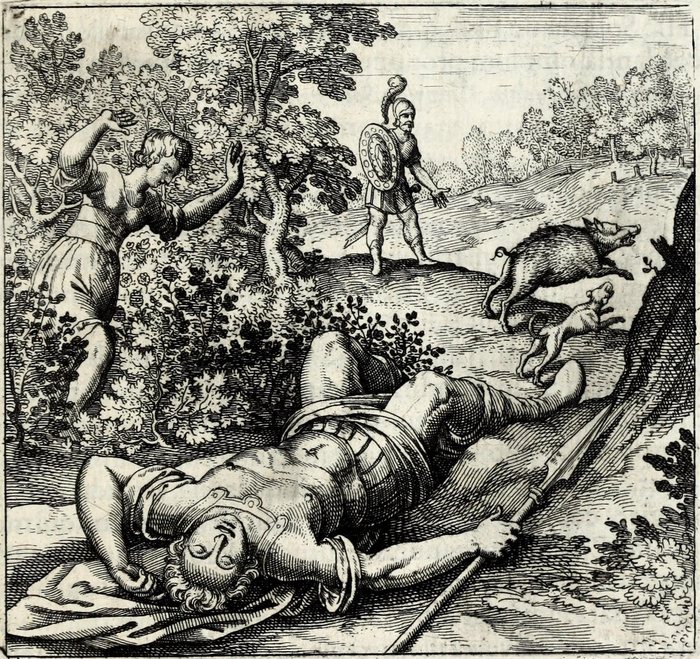 Adonis ab apro occiditur, cui Venus accurrens tinxit Rosas sanguine
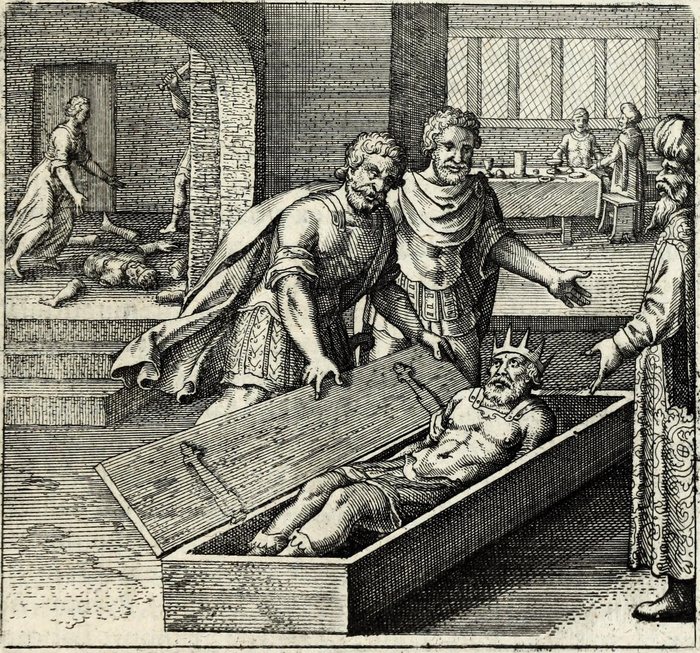 Dolo Typhon Osyridem trucidat, artúsque illius Hinc inde dissipat, sed hos collegit Isis inclyta
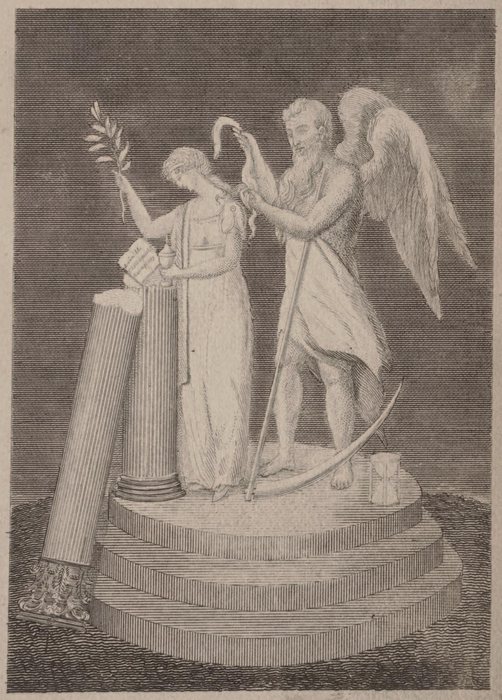 The Weeping Virgin, the Broken Column and Time
Where the detail is the subject
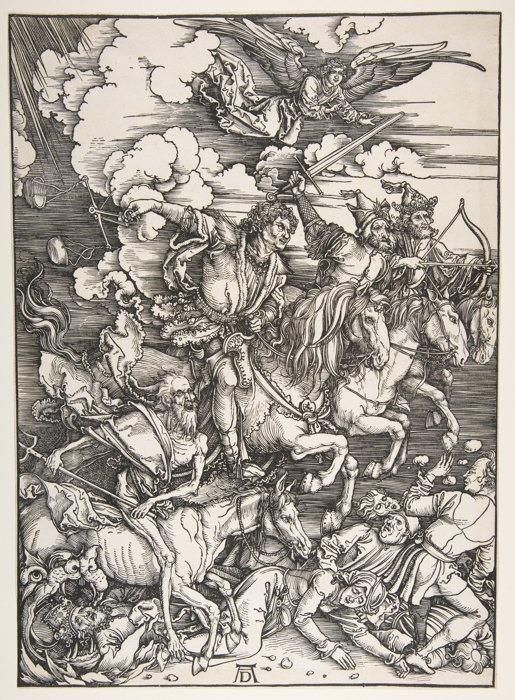
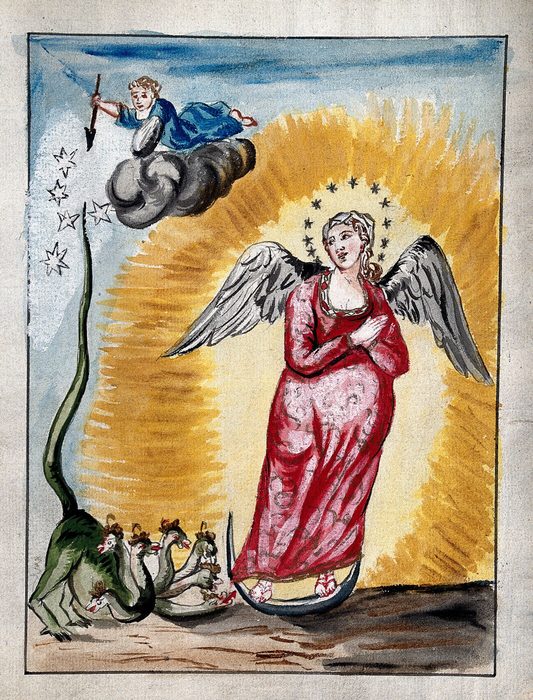
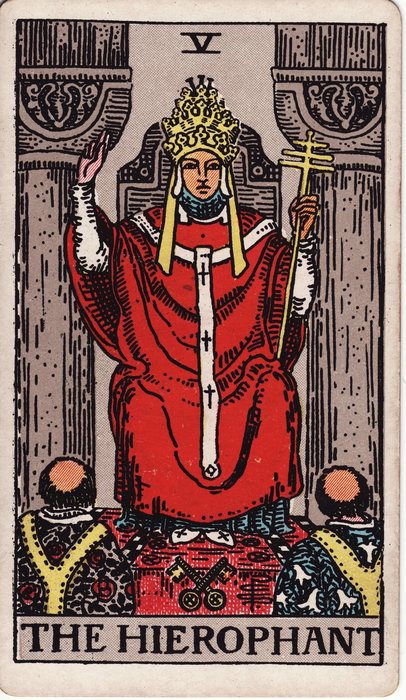
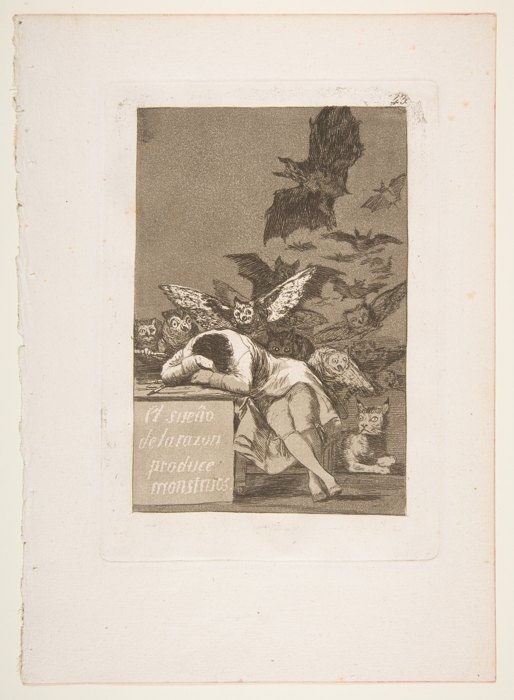
the Horse · the Serpent and the Dragon · the Crown · the Demon and the Monster
Each of these is in the picture without being what it is about. Below, one work that is about each.
By the same hand
In the same series
Record
One symbol a week, decoded.
This picture is free at full size from its source, linked above. What an address gets is the Sunday letter: one picture, one symbol marked on it, what it meant and who said so, and the master files of the decoded plates as they are verified. Leave any time.
Free, one letter a week, unsubscribe in one click. How the address is used.
Scroll or pinch to zoom · drag to move · double-tap for 1:1 · 1093 by 1400 pixel web copy; the source file is linked under Record