The Demon and the Monster
the devil, the composite creature
Almost always a composite and almost always subordinate. Note what it is made of and whether it is bound.
Twenty-four works here carry a demon or a monster, and nearly every one the archive has read obeys two rules: somebody assembled the creature out of parts, and somebody else holds its leash.
Assembly first. Hall describes the god of the Abraxas plate as “a composite creature, with the body of a human being and the head of a rooster, and with each of his legs ending in a serpent”, which reads as a recipe rather than a portrait. The alchemical sheets follow the same logic: a beast sums a set of animals, and the sum carries the meaning.
Subordination second. The Apocalypse binds its monster in a single sentence: “And he laid hold on the dragon, the old serpent, which is the devil and Satan, and bound him for a thousand years.” The painter of the king with three crowns drew exactly that, a horned figure kneeling in chains at the edge of the fire. In the engraving of 1513 the Devil walks behind the knight and does not stop him, and Conway's phrase keeps him in his place: “accompanied by the Timespirit whom men call Death, and followed by the Devil that brings all things to their end”.
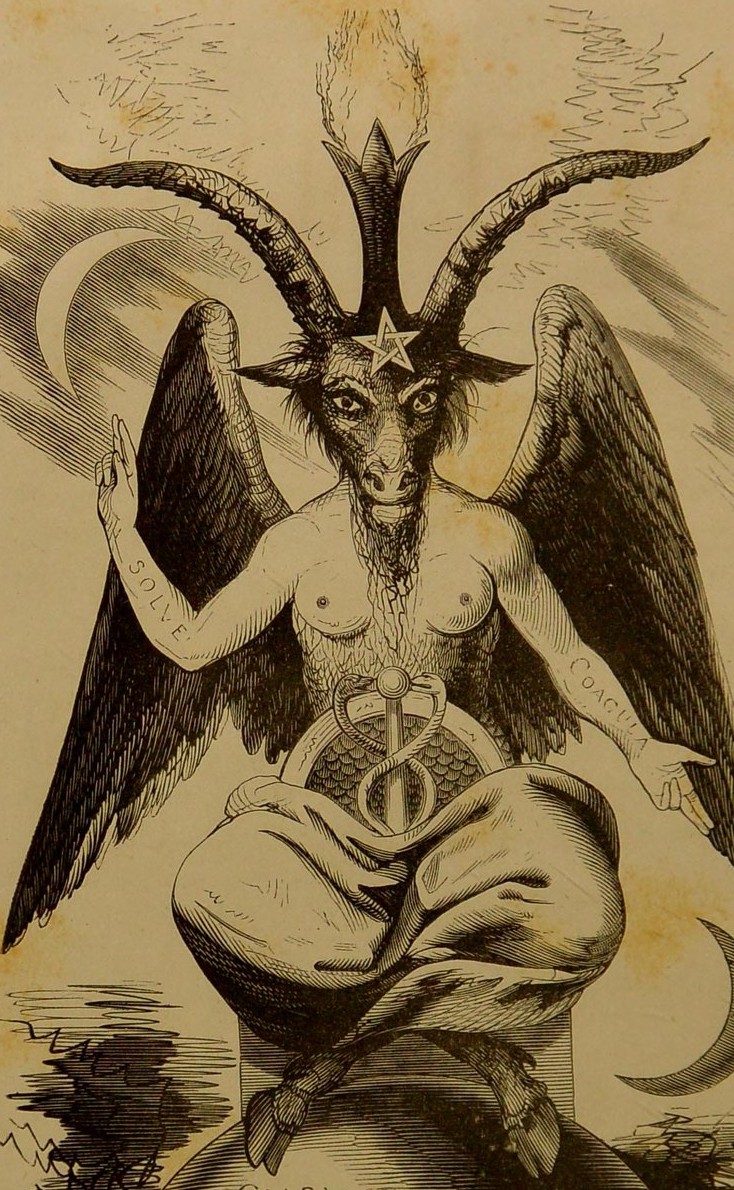
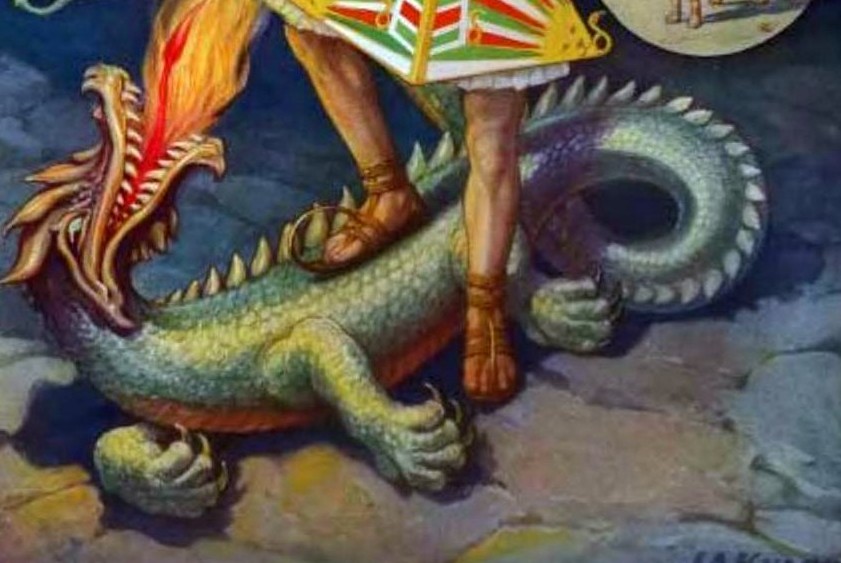
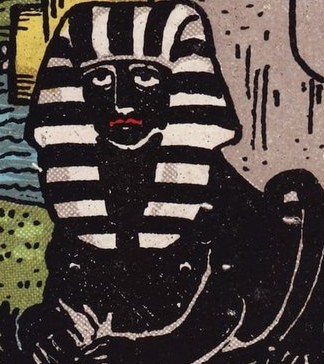
The later additions keep both rules. Hall calls his Typhon “a hideous monster, part serpent, part crocodile, and part hog”, and puts Hermes on top of him: “Hermes placed His foot upon the skull of the vanquished Typhon.” Waite's Devil of 1909, “The Horned Goat of Mendes, with wings like those of a bat”, stands on an altar, and Waite gives him a doorkeeper's title, “the Dweller on the Threshold without the Mystical Garden”. The sphinxes on his Chariot pull in harness: “two sphinxes thus draw his chariot”. Lévi's Baphomet alone gets the last word here, and Lévi uses it to take the horror back: he calls the goat “the terrible emperor of night, with all his attributes and all his characters”, and then, in the same chapter, “only an innocent and even pious hieroglyph”.
Maier's beasts of 1618 work as ingredients. The toad at the woman's breast in the fifth emblem drinks her to death and becomes “medicamen nobile”, a noble medicine; the salamander of the twenty-ninth lives in the fire the stone must learn to live in; the wolf and the dog of the forty-seventh tear each other, and “Sunt gemini hi lapides”, these are the twin stones, given free to everyone. An answer beats the Sphinx of the thirty-ninth, the only monster in the book that loses that way. Nobody binds them and nobody obeys them: the work uses them, and the archive keeps most of them with the beasts for want of a group, and says so.
Khunrath's plate against his detractors, printed at Hanau in 1609, breaks both rules and frightens more for breaking them. Nobody assembled anything in that sky out of borrowed parts and nobody bound anything. The devils there simply swarm: flies, dragonflies, small hatted things, and at their head one wearing a scholar's hat and sprinkling filth from a bucket, with his office lettered across his wings, “PRAEFECTVS DIABOLOGORVM”, prefect of the devil-talkers. A banner at his shoulder passes judgement, “Blasphemat: sit anathema maranatha.” Khunrath does not draw a power that has to be subdued. He draws vermin, because he holds that slander sits beneath argument, and a monster with a body and a name would have paid it too much respect.
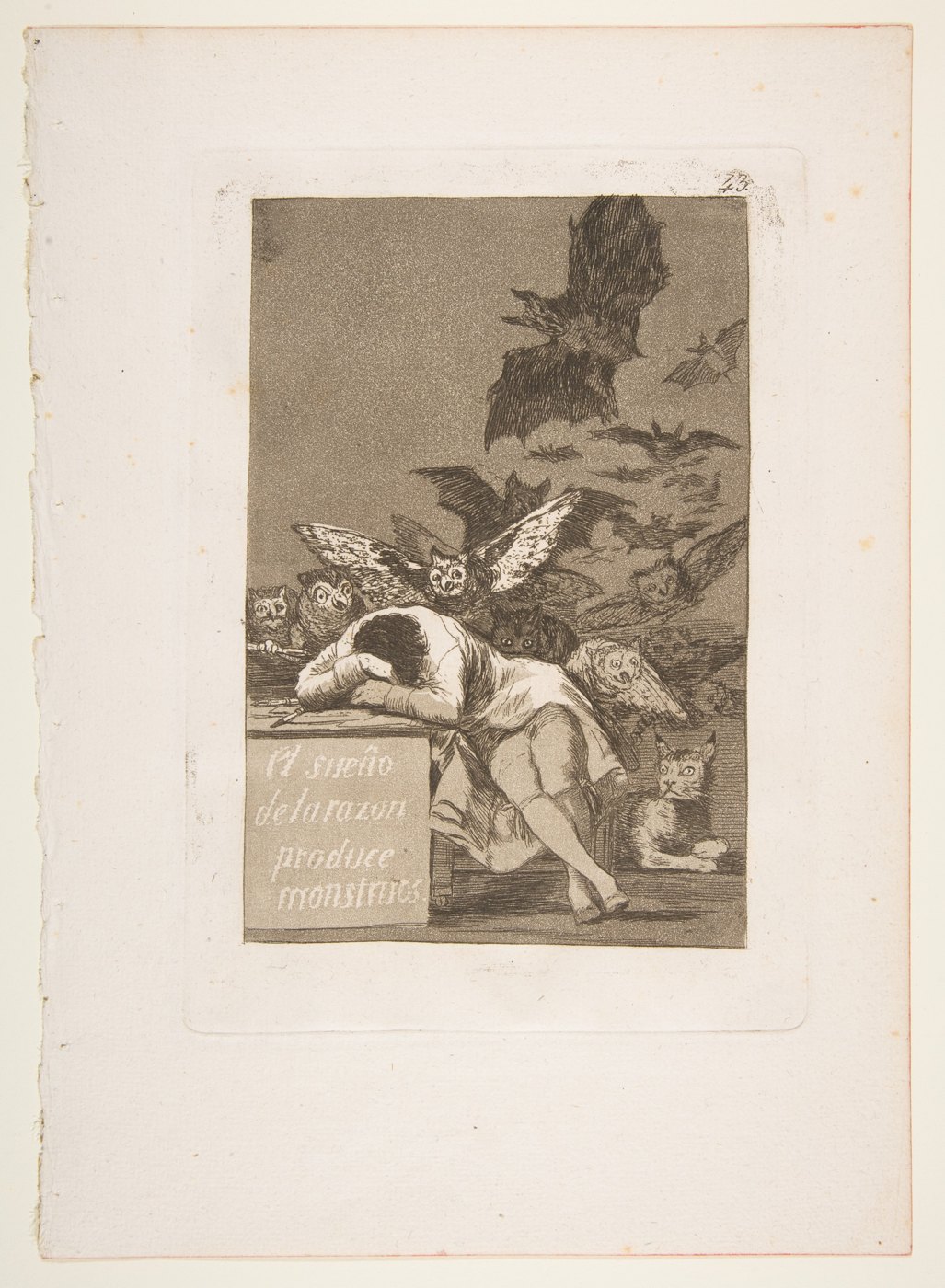
Goya breaks the pattern outright, and earns this motif its place in the archive. In the plate of 1799 nobody binds the creatures and nobody holds them. Calvert's account runs flat and terrible: “Bats and owls fly round a sleeping man, and place a pencil in his hand wherewith to reproduce his vision.” Nobody fights this monster. It collaborates.
Contested
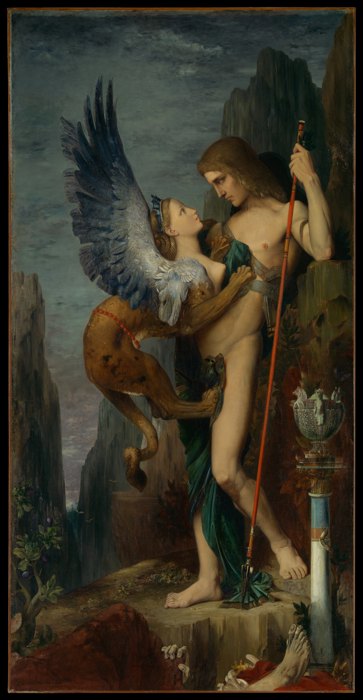
Hall describes a type there rather than his own plate. Calvert catalogues the Capricho; he does not have Goya explaining it. Lévi reaches this page through Waite's translation of 1896, checked against the French of 1861. The winged creature carrying the banner in Melencolia I stands here as observed: Conway names the wings and the fillet and reads no animal. Moreau's sphinx waits, tagged by eye and unread. Maier's toad, salamander, Sphinx, wolf and dog carry readings on their own records, taken from his epigrams; nobody has yet transcribed his discourses.
Sources
- Manly P. Hall, The Secret Teachings of All Ages: Hall's text and plate captions, 1928. Transcribed here, not yet read against a printed folio.
- The Apocalypse of Saint John, Douay Rheims, Challoner revision: Quoted from the Challoner revision, the English text the archive uses for the Apocalypse throughout.
- William Martin Conway, Literary Remains of Albrecht Durer: Conway's translations and commentary. A nineteenth-century scholar reading the prints, not Durer explaining himself.
- Albert F. Calvert, Goya, an Account of His Life and Works: An English account of the Caprichos. A cataloguer describing the plate, not Goya explaining it.
- Éliphas Lévi, Dogme et Rituel de la Haute Magie: The description of the frontispiece in the fifteenth chapter of the Rituel, quoted in Waite's translation of 1896 and checked against the 1861 French printing.
- Michael Maier, Atalanta Fugiens, 1618: The mottoes and epigrams of the fifty emblems, Oppenheim 1618, read against the page images of the Getty Research Institute copy; the English is the archive's own and is marked as such on every record. Maier's discourses, in which he explains each emblem at length, are not yet transcribed.
On the same plate
Where it appears · 24
24 works in the archive carry the Demon and the Monster. First the 23 where it has been read, with the Demon and the Monster itself picked out.
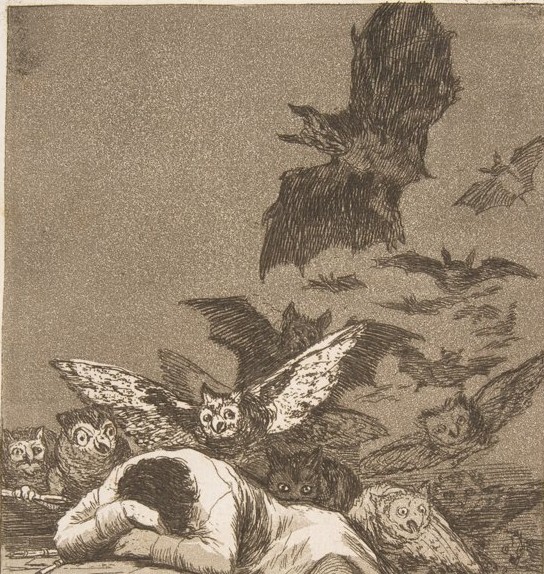
The Sleep of Reason Produces Monsters
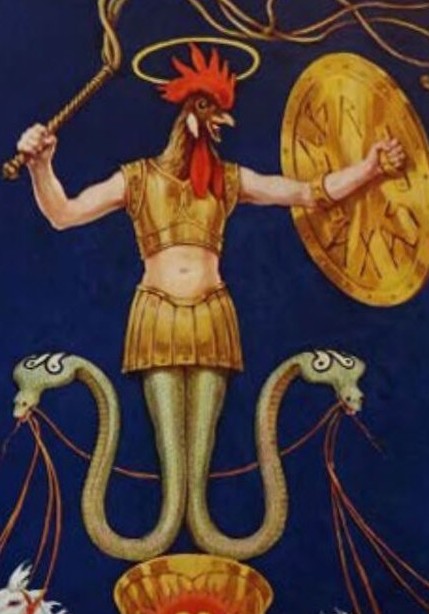
Abraxas, a Gnostic Pantheos
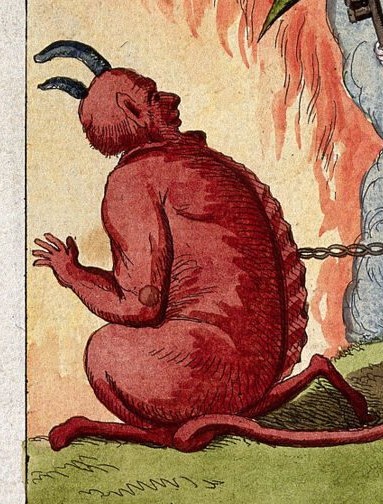
The King with Three Crowns and the Seven-Headed Hydra
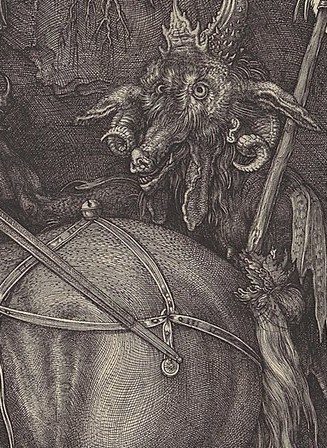
Knight, Death, and the Devil
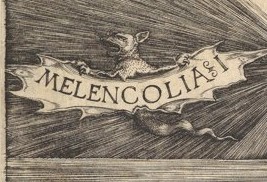
Melencolia I
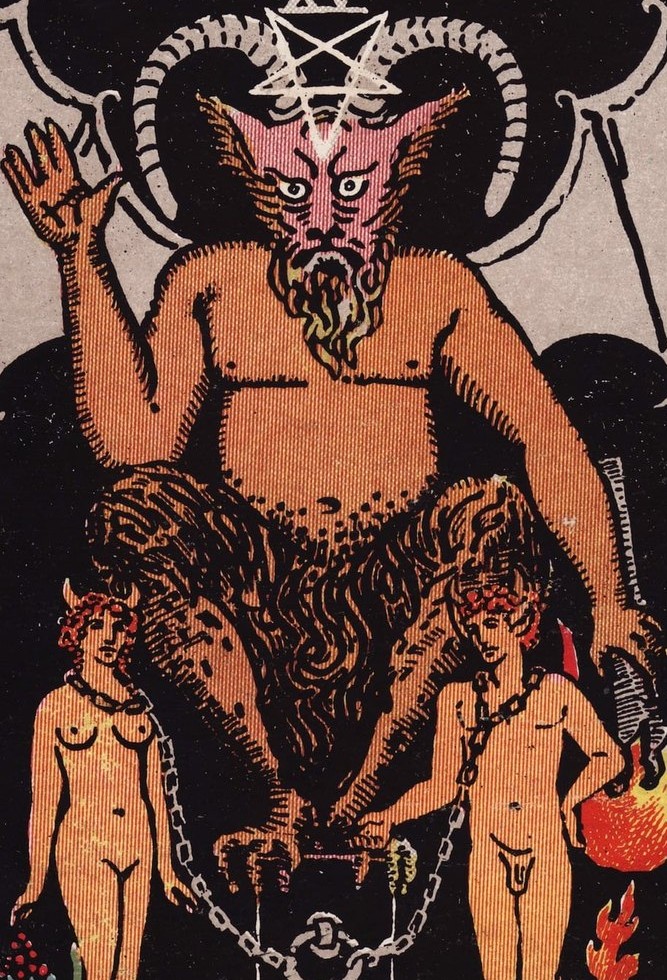
The Devil (XV)
Baphomet
Hermes Standing upon the Back of Typhon
The Chariot (VII)
Appone mulieri super mammas bufonem, ut ablactet eum, & moriatur mulier, sitque bufo grossus de lacte
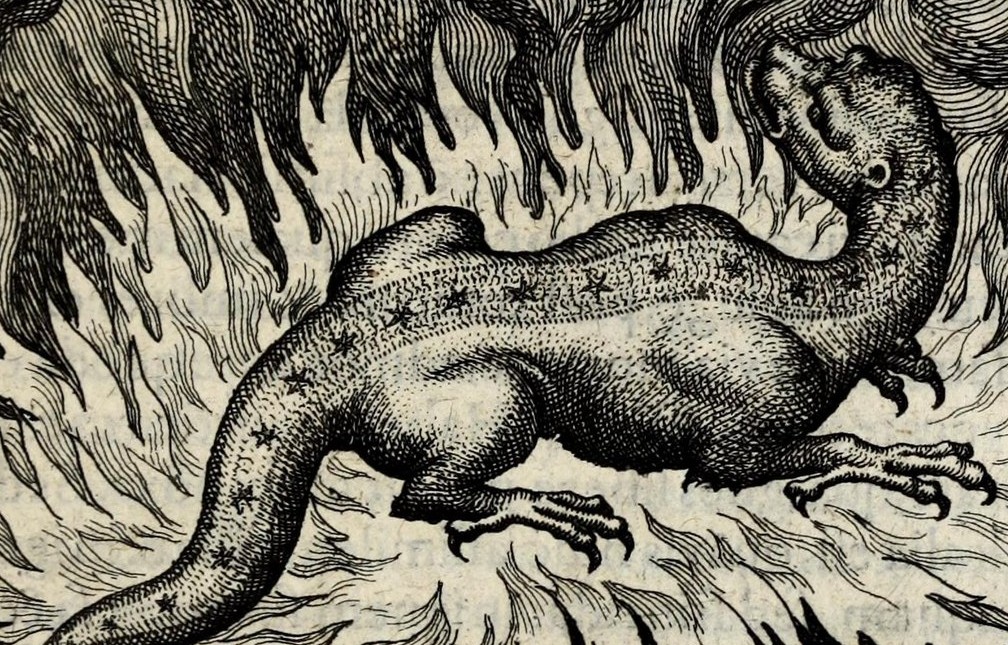
Ut Salamandra vivit igne sic lapis
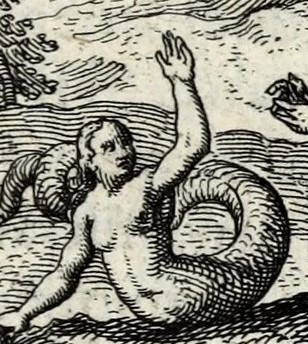
Oedypus Sphynge superata & trucidato Lajo patre matrem ducit in uxorem
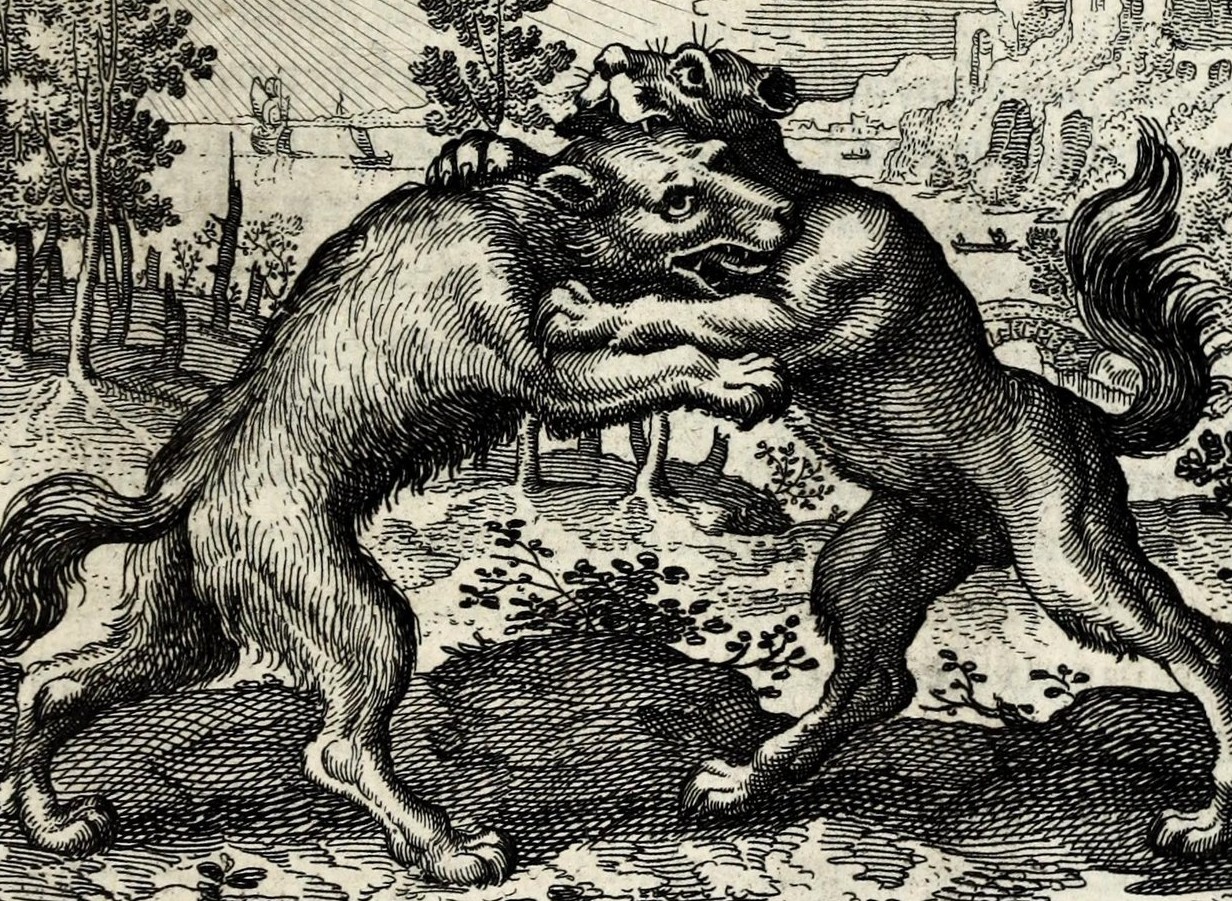
Lupus ab Oriente & Canis ab Occidente venientes se invicem momorderunt
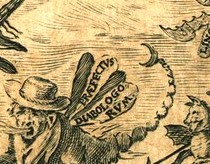
Against the slanderers, by right of retort
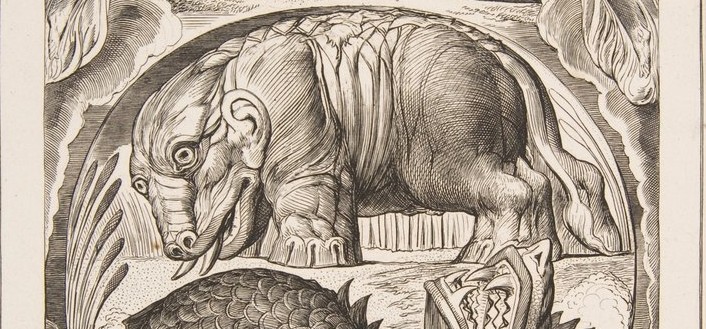
Behold now Behemoth which I made with thee
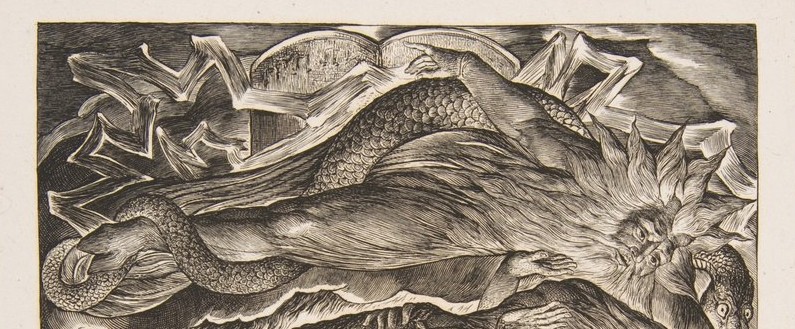
With Dreams upon my bed thou scarest me
Cauendum à meretricibus
Sirenes
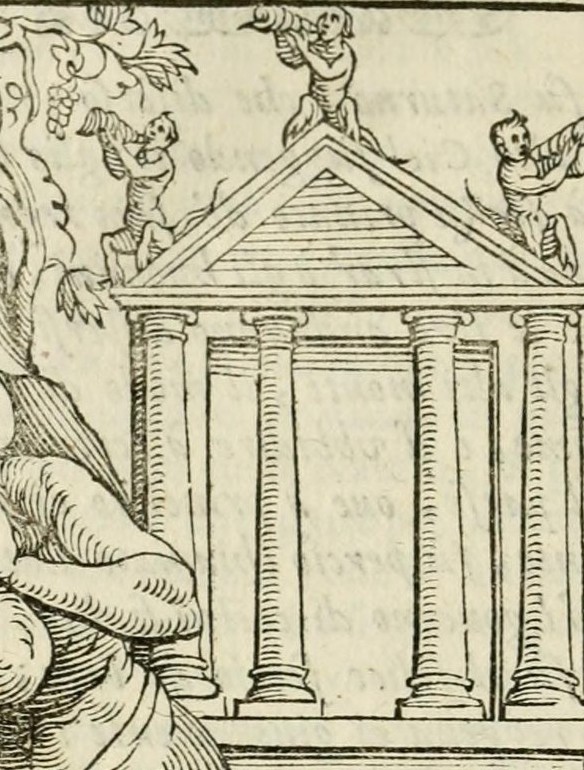
Imagine di Saturno, ò del Tempo divoratore de suoi figliuoli
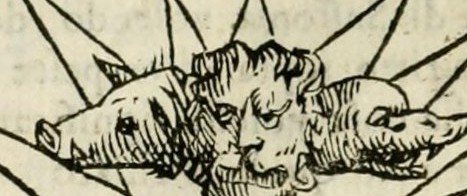
Imagine di Saturno, che significa il tempo presente, passato, & avenire
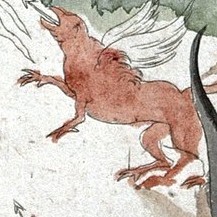
The Flowering Tree on the Mountain, with the Dragons and Griffons
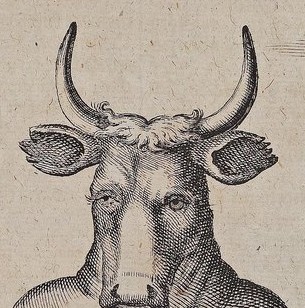
The idol Moloch with seven chambers
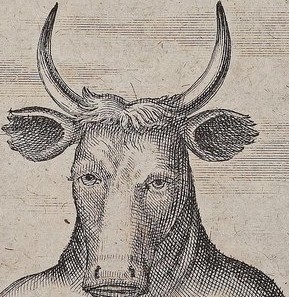
The idol Moloch with the children in his arms
As a detail in 1 more
In these the Demon and the Monster is somewhere in the picture, tagged by eye, and nobody has read it yet. When one of them is read, it goes out on a Sunday.