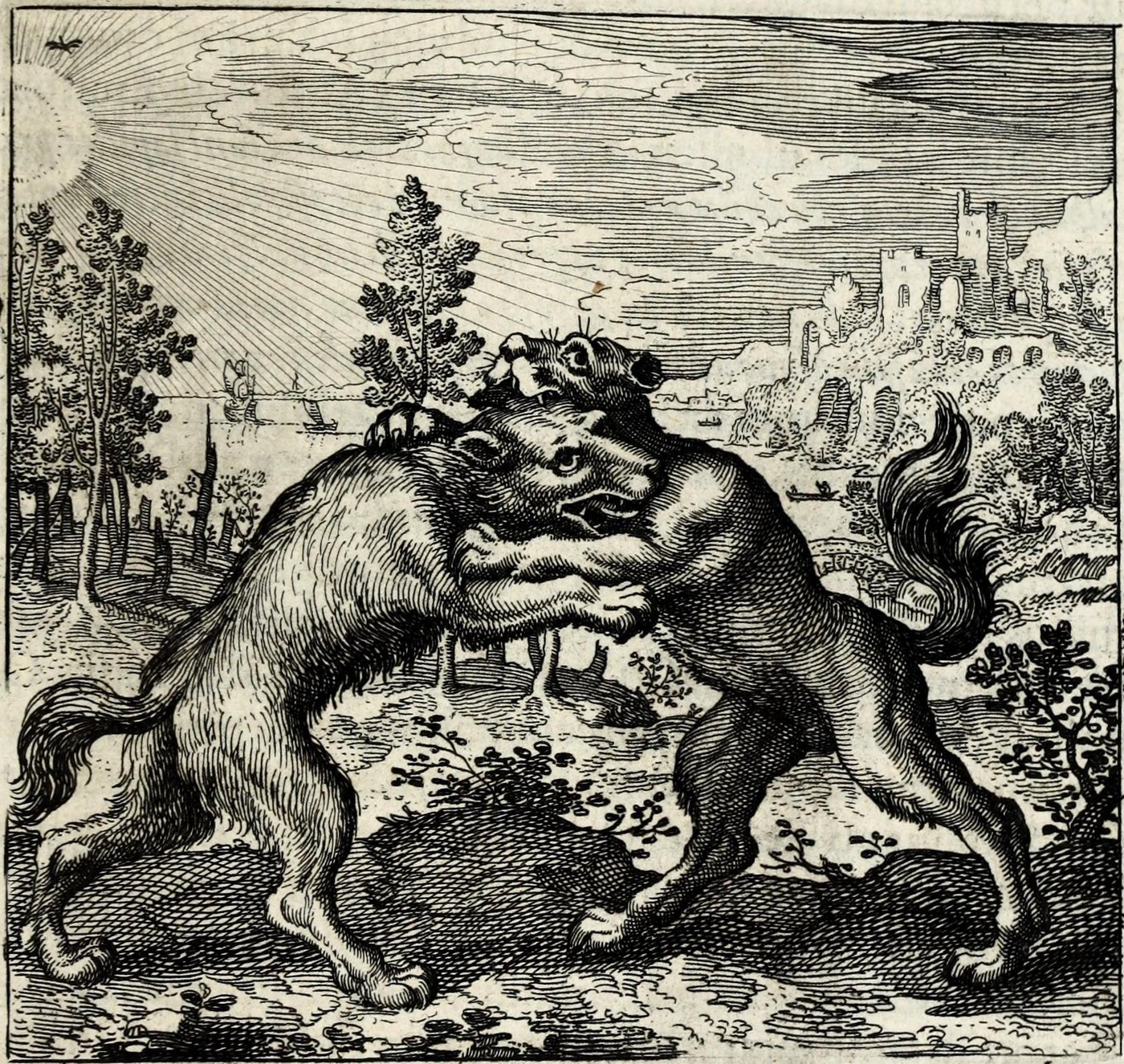
Lupus ab Oriente & Canis ab Occidente venientes se invicem momorderunt
The Demon and the Monster as the central motif, with the Sun and the Moon in a secondary part. From Atalanta Fugiens.
What is happening
Michael Maier, 1618 “Lupus ab Oriente & Canis ab Occidente venientes se invicem momorderunt.”
Symbolica, 2026 Maier’s Latin, put into English here: The wolf from the east and the dog from the west, meeting, bit one another.
Michael Maier, 1618 “Hinc, ubi Sol oritur, Lupus advenit, ast ubi Ponto
Mergitur, inde canis, qui duo bile tument:
Hunc is, & hic illum, stimulante furore momordit,
Et rabidus rictu visus uterque fuit.
Sunt gemini hi lapides, gratis qui dantur ubique
Omnibus atque omni tempore, quos teneas.”
Symbolica, 2026 Maier’s epigram, put into English here: From here, where the Sun rises, comes a Wolf; but from where he sinks into the sea comes a Dog, and the two swell with bile. This one bit that, and that one this, with fury driving them, and both were seen rabid in their jaws. These are the twin stones, given free everywhere, to everyone and at every time. Hold on to them.
Key · 2 motifs
Tap a motif on the picture, or a line below. Its note opens under the line, with the reading its author gave it.
- Primary motif
- Secondary motifs · 1
The picture
The wolf and the dog savaging each other in an open landscape; the archive has no group for either animal yet. By eye
The reading
The picture read whole, in the archive's words, from the sources quoted on the marks. Read on, and the picture follows: the motif under discussion keeps its colour.
‘Lupus ab Oriente & Canis ab Occidente venientes se invicem momorderunt’: the wolf from the east and the dog from the west, meeting, bit one another. Two animals fill the plate, jaws in each other's necks, and the sun comes up in the corner.
‘Hinc, ubi Sol oritur, Lupus advenit’, from here, where the sun rises, comes a wolf; ‘ast ubi Ponto / Mergitur, inde canis’, but from where he sinks into the sea comes a dog, ‘qui duo bile tument’, and the two swell with bile. The rising sun gives the picture its compass.
‘Hunc is, & hic illum, stimulante furore momordit’, this one bit that, and that one this, with fury driving them, ‘Et rabidus rictu visus uterque fuit’, and both were seen rabid in their jaws. Then the decoding: ‘Sunt gemini hi lapides, gratis qui dantur ubique / Omnibus atque omni tempore, quos teneas’, these are the twin stones, given free everywhere, to everyone and at every time; hold on to them. The two eagles of the emblem before agreed; the wolf and the dog fight. Both are the same pair of stones, and Maier shows the meeting going both ways.
Decoded: every motif is marked, and each mark carries the reading its author gave it, quoted from the text, or says that it is observed on the picture and not read. The reading above is the archive's own, made from those sources and no others.
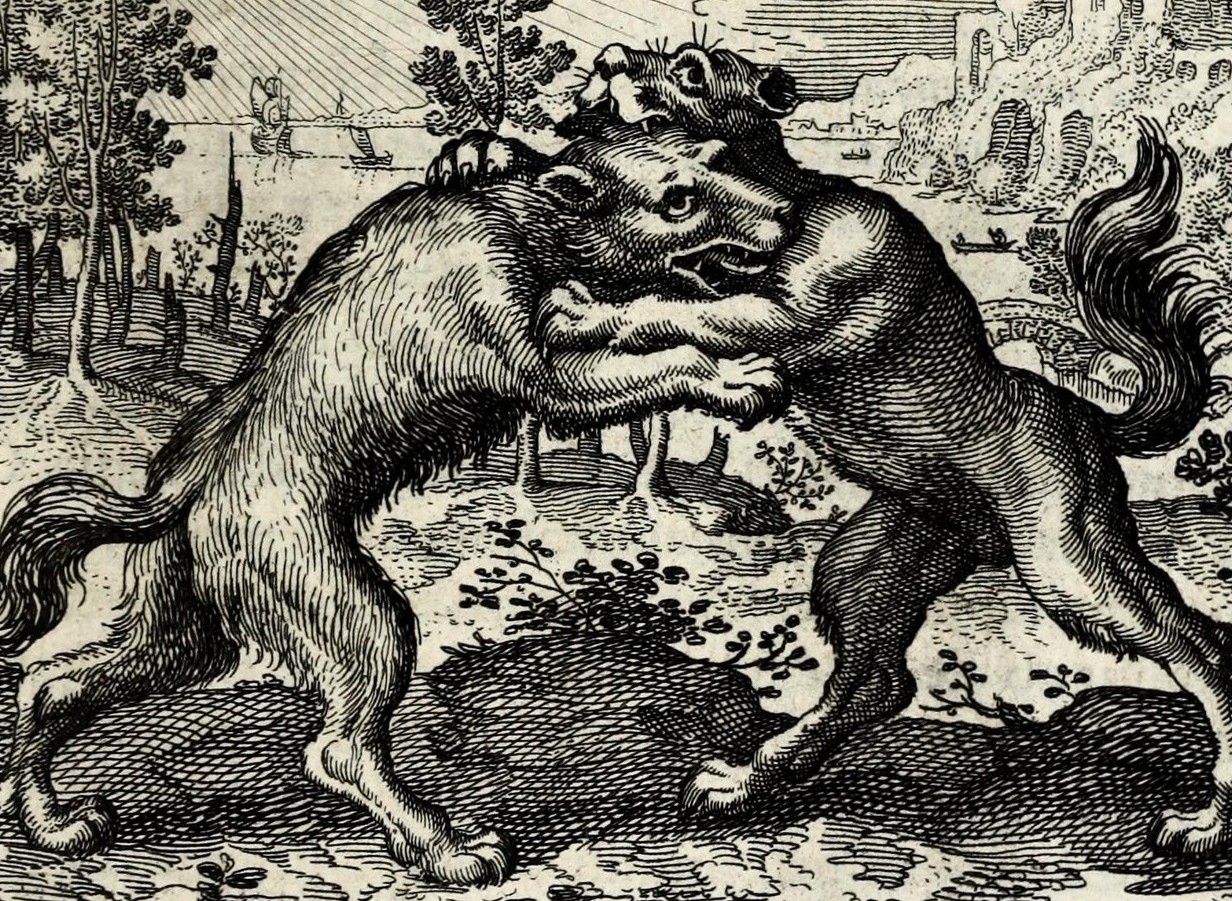
Almost always a composite and almost always subordinate. Note what it is made of and whether it is bound.
In plain words A wolf and a dog tear at each other in a landscape. The wolf came from where the sun rises and the dog from where it sets, both swollen with bile, and each bites the other. Maier says they are two stones, given free to everyone everywhere; the archive has no group for either animal and files them with the beasts.
Michael Maier, 1618 “Hunc is, & hic illum, stimulante furore momordit, / Et rabidus rictu visus uterque fuit.”
Symbolica Maier's Latin, put into English here: This one bit that, and that one this, with fury driving them, and both were seen rabid in their jaws.
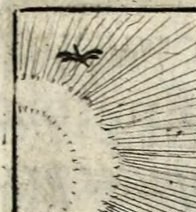
Gold, the perfected metal, and the illuminated intellect. The most overloaded symbol in the tradition.
In plain words The sun rises in the corner of the plate. It is there to give the two animals their directions: the wolf comes from where the sun rises and the dog from where it sets, east and west, meeting in the middle to fight.
Michael Maier, 1618 “Hinc, ubi Sol oritur, Lupus advenit, ast ubi Ponto / Mergitur, inde canis, qui duo bile tument:”
Symbolica Maier's Latin, put into English here: From here, where the Sun rises, comes a Wolf; but from where he sinks into the sea comes a Dog, and the two swell with bile.
Also carrying the Demon and the Monster
23 works carry it. The 6 where it is the central motif are here. The symbol.
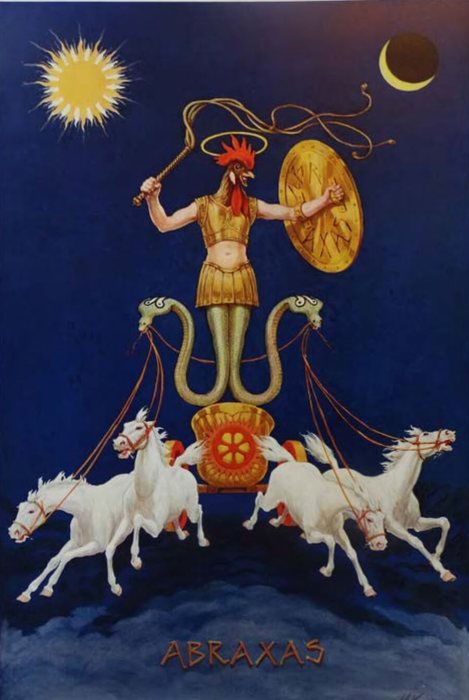
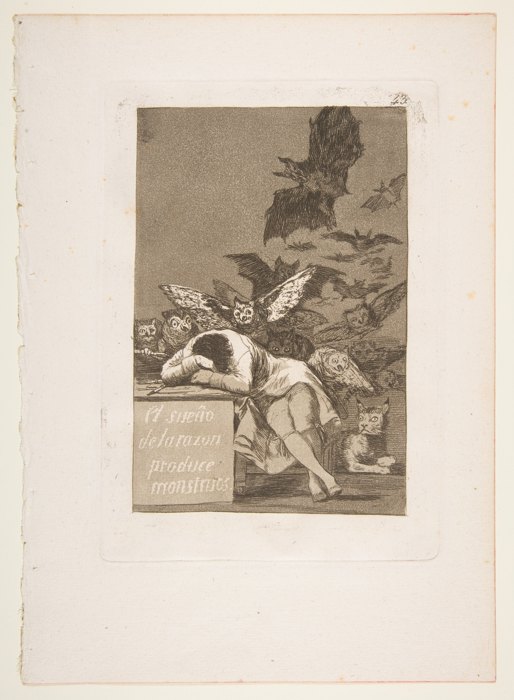
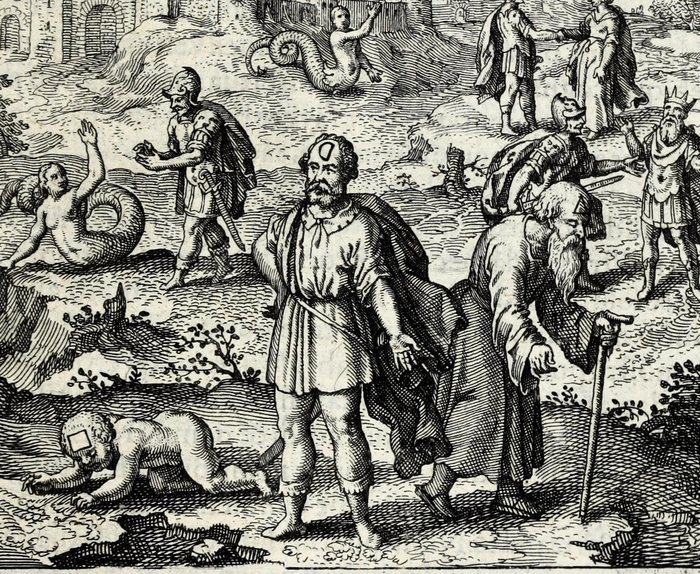
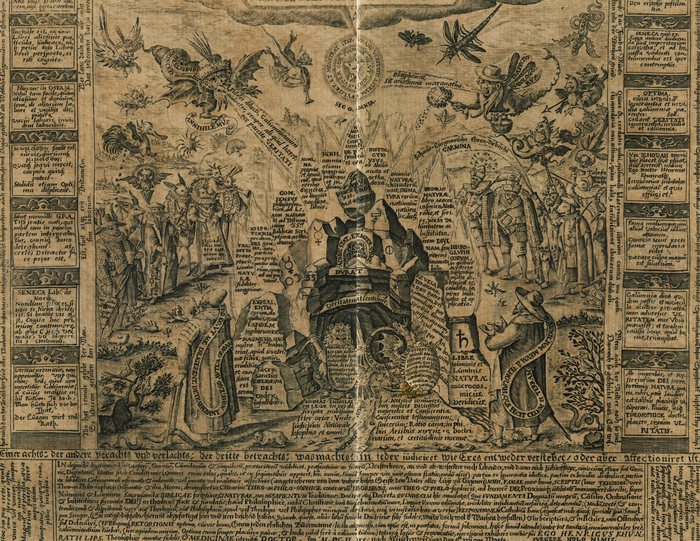
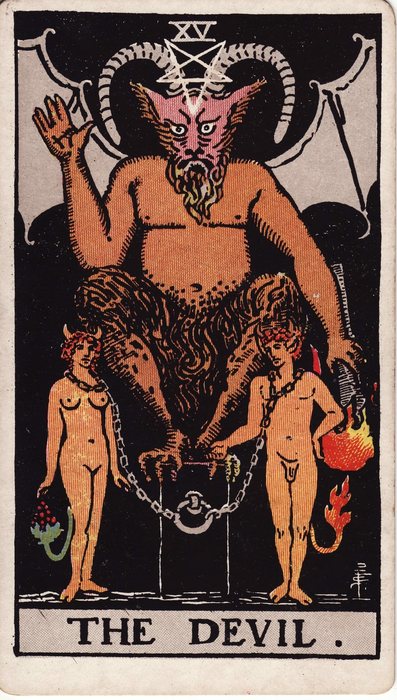
Where the detail is the subject
This is in the picture without being what it is about. Below, one work that is about it.
In the same series
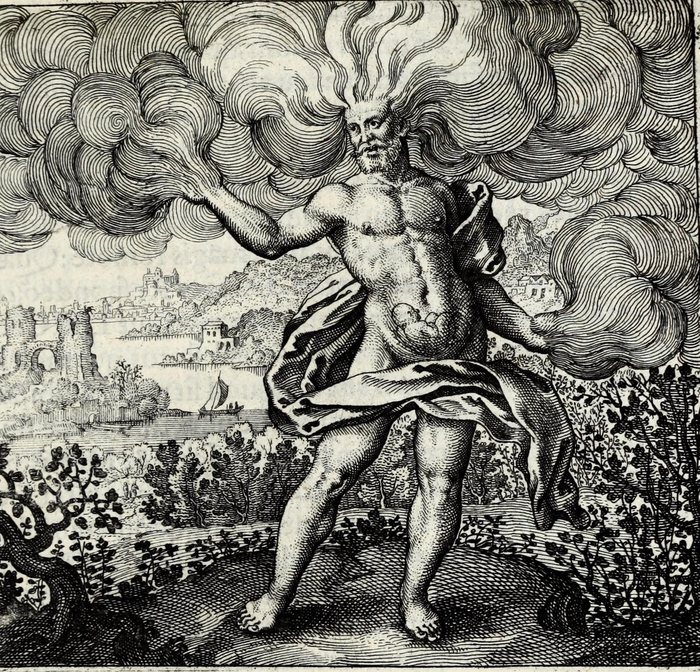 Portavit eum ventus in ventre suo
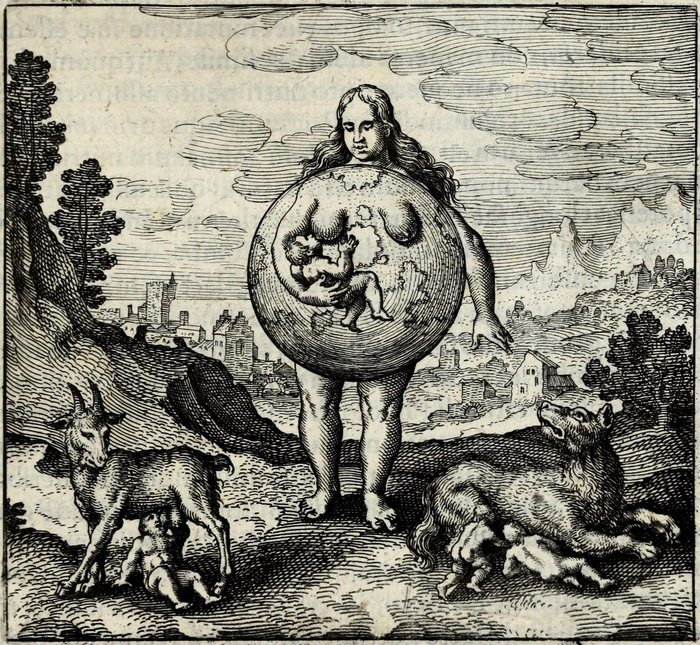 Nutrix ejus terra est
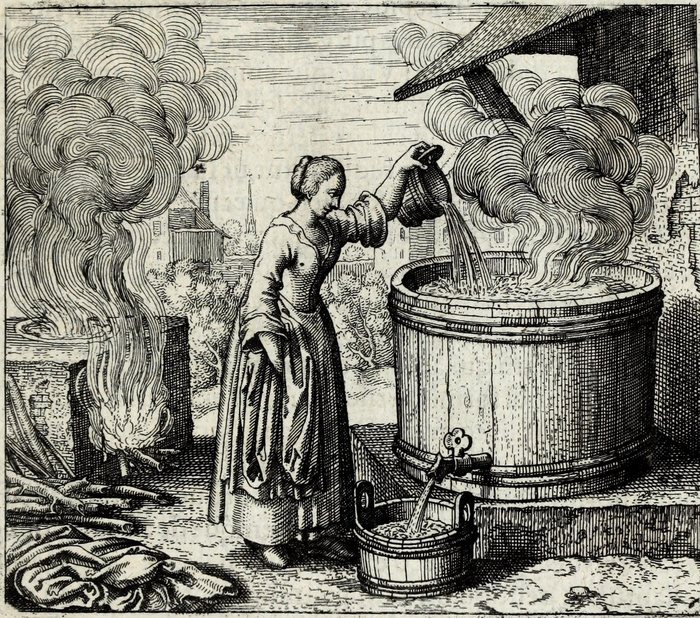 Vade ad mulierem lavantem pannos, tu fac similiter
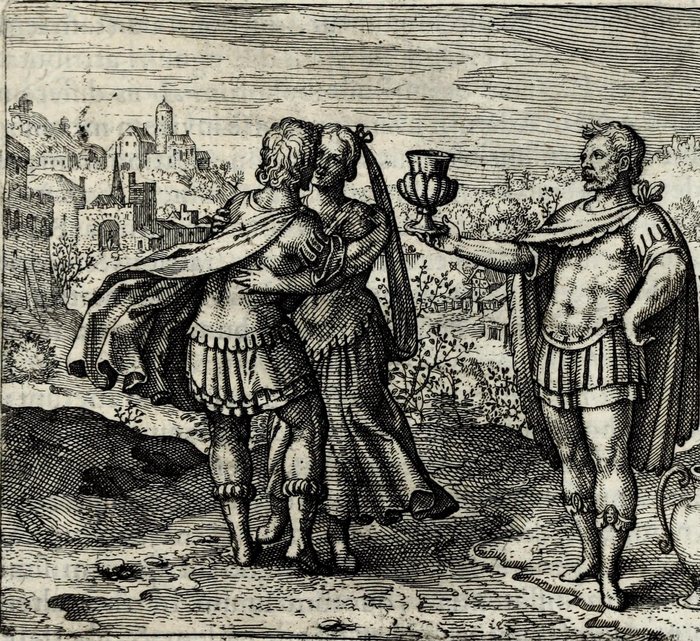 Conjunge fratrem cum sorore & propina illis poculum amoris
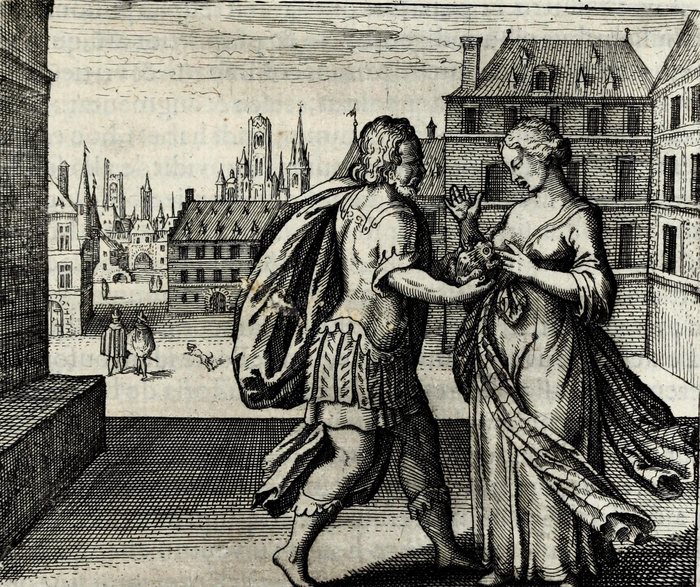 Appone mulieri super mammas bufonem, ut ablactet eum, & moriatur mulier, sitque bufo grossus de lacte
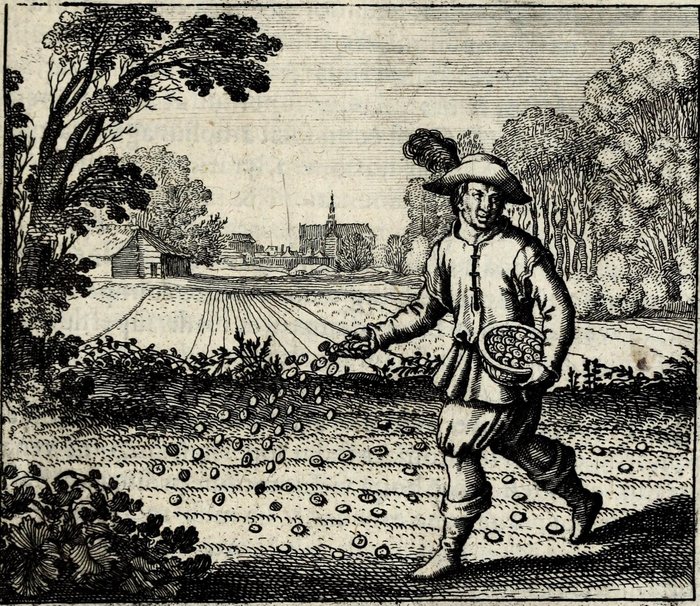 Seminate aurum vestrum in terram albam foliatam
Record
One symbol a week, decoded.
This picture is free at full size from its source, linked above. What an address gets is the Sunday letter: one picture, one symbol marked on it, what it meant and who said so, and the master files of the decoded plates as they are verified. Leave any time.
Free, one letter a week, unsubscribe in one click. How the address is used.
Scroll or pinch to zoom · drag to move · double-tap for 1:1 · 1400 by 1325 pixel web copy; the source file is linked under Record