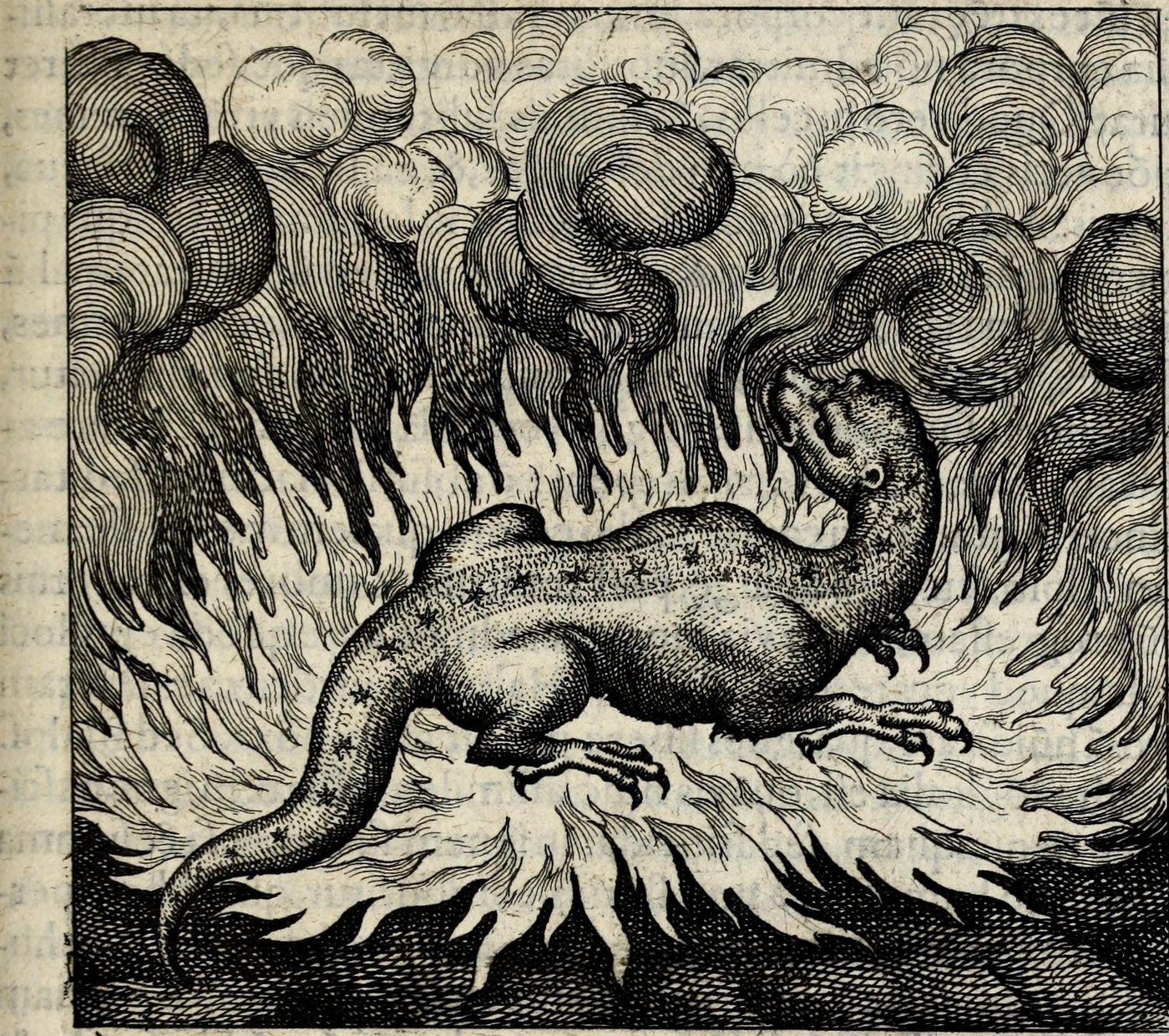
Ut Salamandra vivit igne sic lapis
Fire as the central motif, with the Demon and the Monster in a secondary part. From Atalanta Fugiens.
What is happening
Michael Maier, 1618 “Ut Salamandra vivit igne sic lapis:”
Symbolica, 2026 Maier’s Latin, put into English here: As the salamander lives in fire, so does the stone.
Michael Maier, 1618 “Degit in ardenti Salamandra potentior igne,
Nec Vulcane tuas aestimat illa minas:
Sic quoque non flammarum incendia saeva recusat,
Qui fuit assiduo natus in igne Lapis.
Illa rigens aestus extinguit, liberaque exit,
At calet hic, similis quem calor inde juvat.”
Symbolica, 2026 Maier’s epigram, put into English here: The Salamander lives in burning fire, stronger than it, and thinks nothing of your threats, Vulcan. So too the Stone, which was born in unbroken fire, does not refuse the cruel burning of the flames. She, being cold, puts the heat out and comes away free; but the Stone grows hot, and a like heat is what helps it.
Key · 2 motifs
Tap a motif on the picture, or a line below. Its note opens under the line, with the reading its author gave it.
- Primary motif
- Secondary motifs · 1
The picture
The salamander lying unharmed in the middle of the flames. By eye
The reading
The picture read whole, in the archive's words, from the sources quoted on the marks. Read on, and the picture follows: the motif under discussion keeps its colour.
‘Ut Salamandra vivit igne sic lapis’: as the salamander lives in fire, so does the stone. The plate is fire from edge to edge, and a long lizard lies in it looking pleased.
‘Degit in ardenti Salamandra potentior igne’, the salamander lives in burning fire, stronger than it, ‘Nec Vulcane tuas aestimat illa minas’, and thinks nothing of your threats, Vulcan. It is a beast of the old natural histories, and Maier takes it as everyone did, as the animal fire cannot hurt.
‘Sic quoque non flammarum incendia saeva recusat, / Qui fuit assiduo natus in igne Lapis’, so too the stone, which was born in unbroken fire, does not refuse the cruel burning of the flames. Then the difference, which is the real lesson: ‘Illa rigens aestus extinguit, liberaque exit’, she, being cold, puts the heat out and comes away free, ‘At calet hic, similis quem calor inde juvat’, but the stone grows hot, and a like heat is what helps it. The salamander survives fire by resisting it; the stone survives fire by being made of it.
Decoded: every motif is marked, and each mark carries the reading its author gave it, quoted from the text, or says that it is observed on the picture and not read. The reading above is the archive's own, made from those sources and no others.
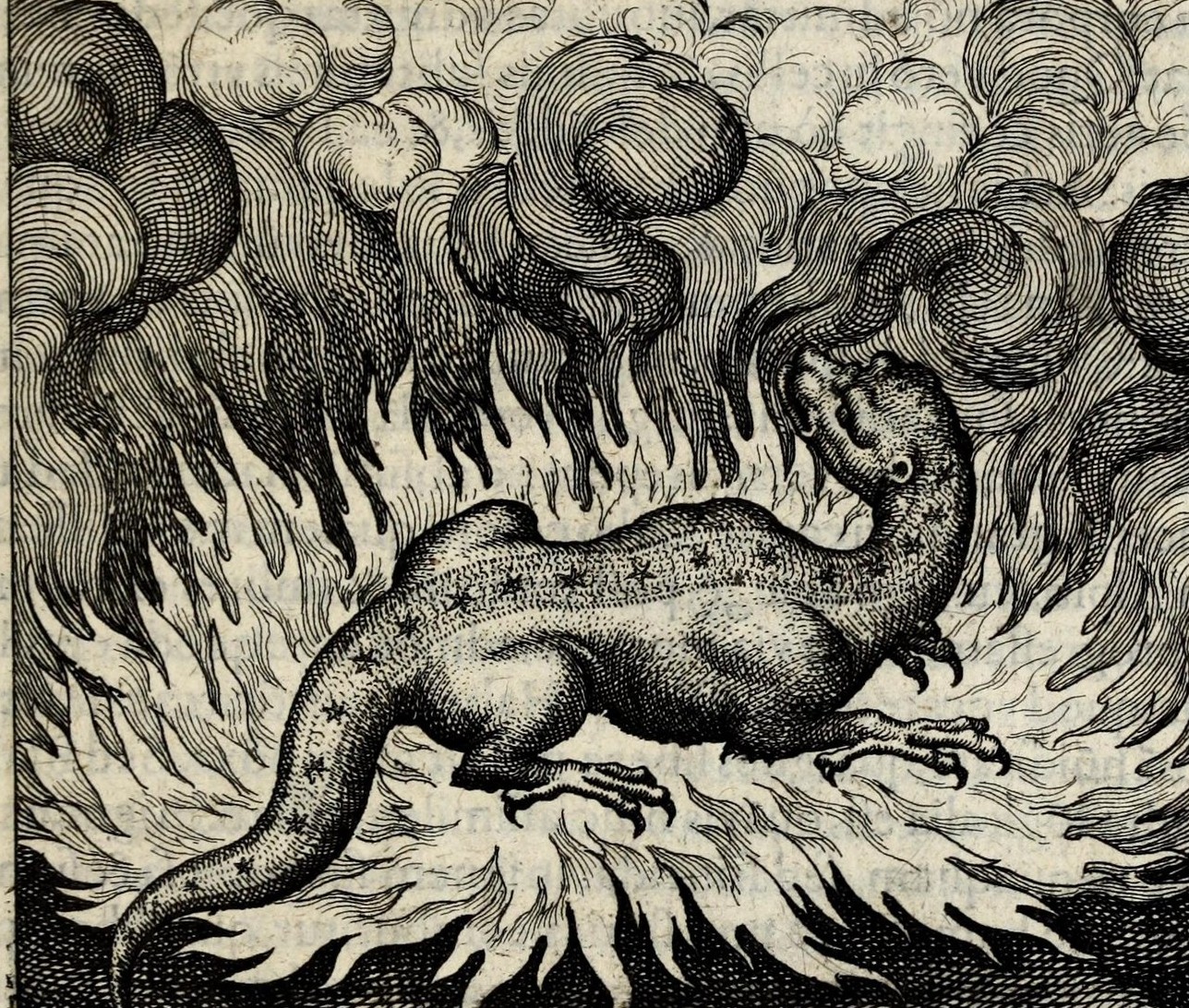
A count, a catastrophe, or the visible part of something that has no body. Note whether the flames are arranged in a number, breaking something, or standing where a figure would be.
In plain words Fire fills the whole plate, and the salamander lies in the middle of it unharmed. The stone, Maier says, was born in unbroken fire and does not refuse the flames; unlike the cold salamander, it grows hot, and the heat helps it.
Michael Maier, 1618 “Sic quoque non flammarum incendia saeva recusat, / Qui fuit assiduo natus in igne Lapis.”
Symbolica Maier's Latin, put into English here: So too the Stone, which was born in unbroken fire, does not refuse the cruel burning of the flames.
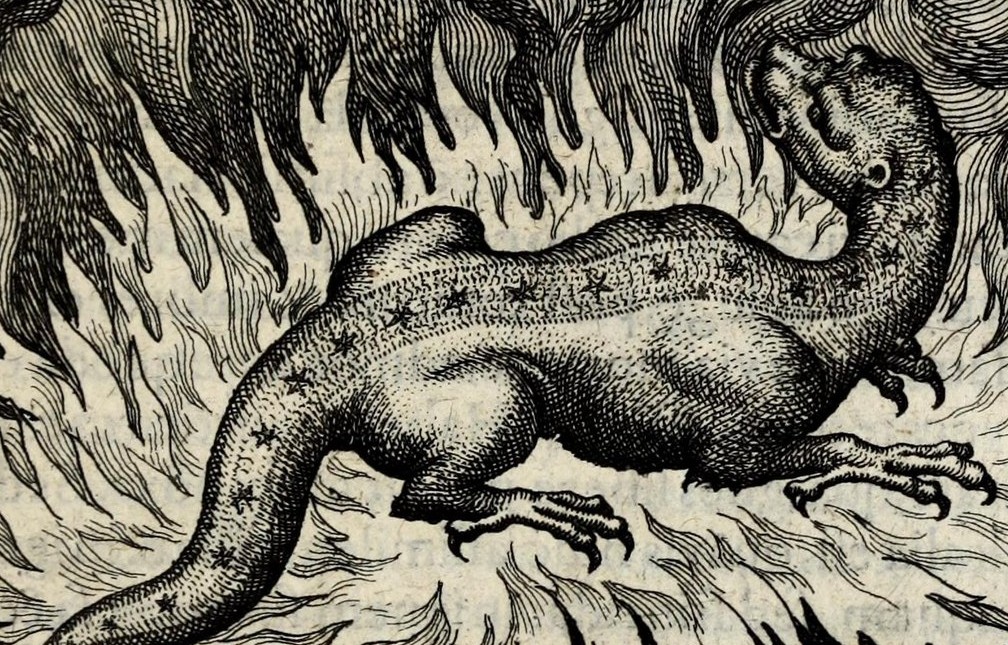
Almost always a composite and almost always subordinate. Note what it is made of and whether it is bound.
In plain words The beast in the fire is the salamander, drawn as a lizard with stars along its back. It lives in fire and is stronger than fire, and Maier uses it as the picture of the stone, with one difference: the salamander is cold and puts the fire out, the stone is hot and feeds on it. The archive has no group for a salamander and files it with the beasts.
Michael Maier, 1618 “Degit in ardenti Salamandra potentior igne, / Nec Vulcane tuas aestimat illa minas:”
Symbolica Maier's Latin, put into English here: The Salamander lives in burning fire, stronger than it, and thinks nothing of your threats, Vulcan.
Also carrying Fire
44 works carry it. The 6 where it is the central motif are here. The symbol.
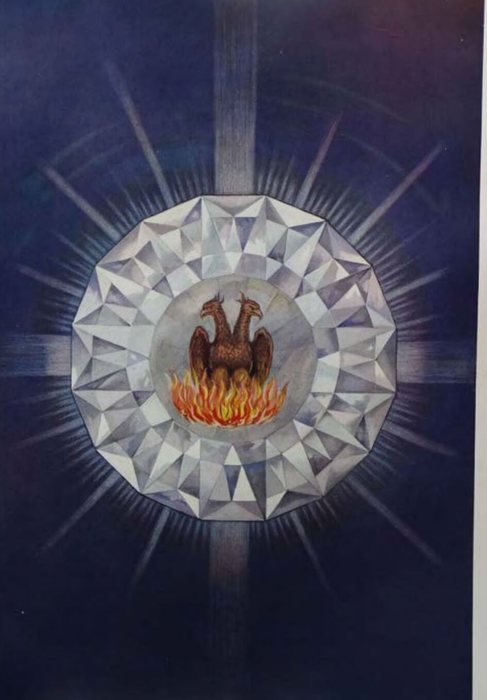
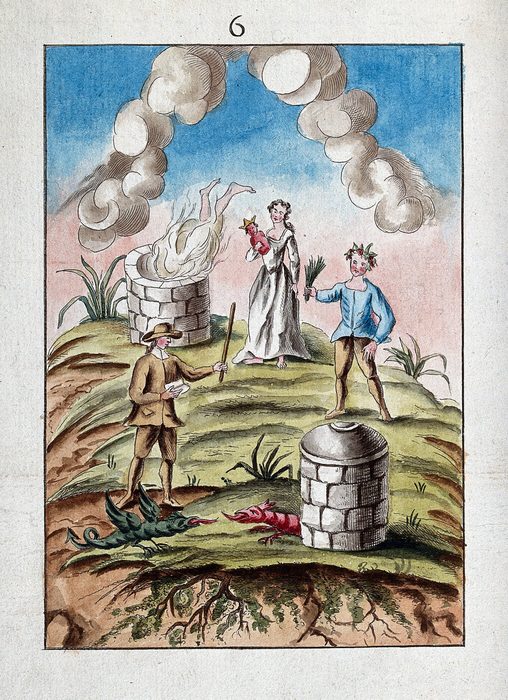
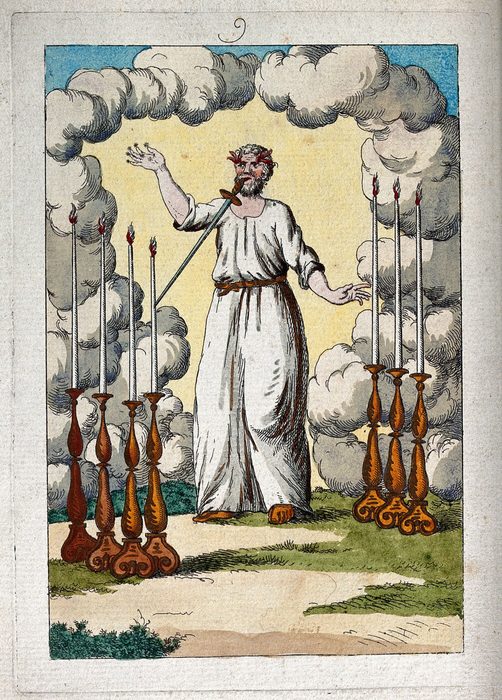
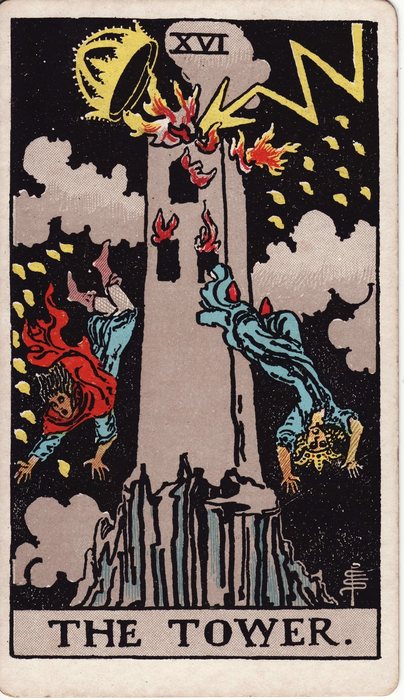
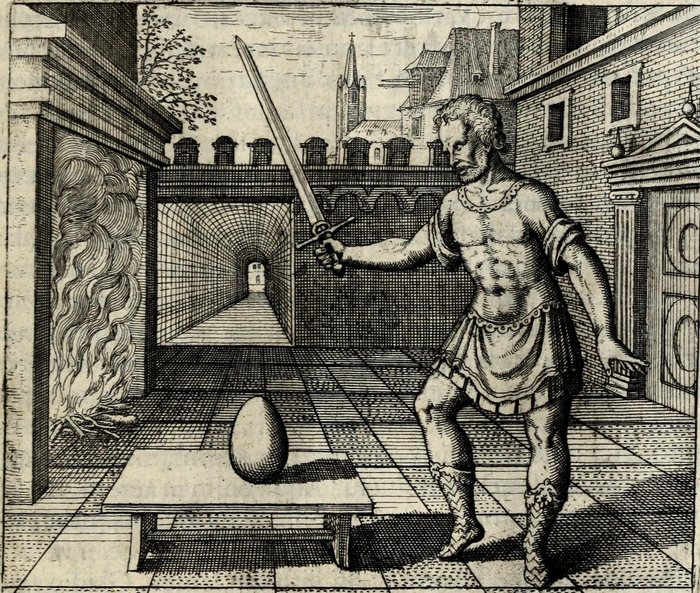
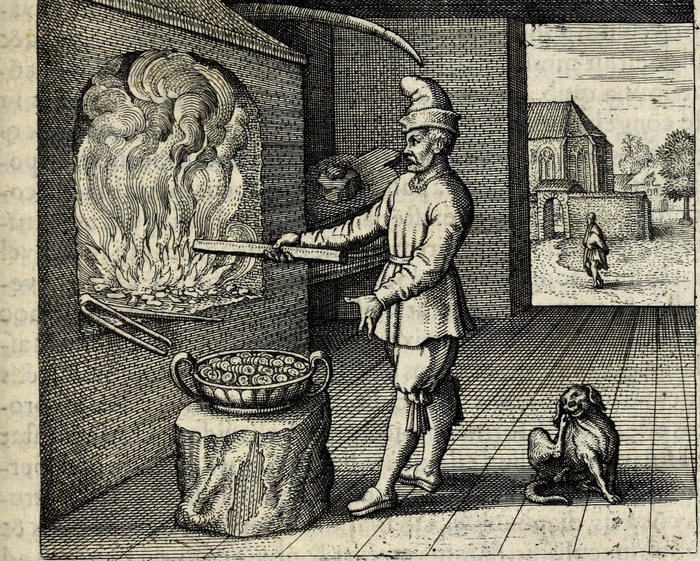
Where the detail is the subject
This is in the picture without being what it is about. Below, one work that is about it.
In the same series
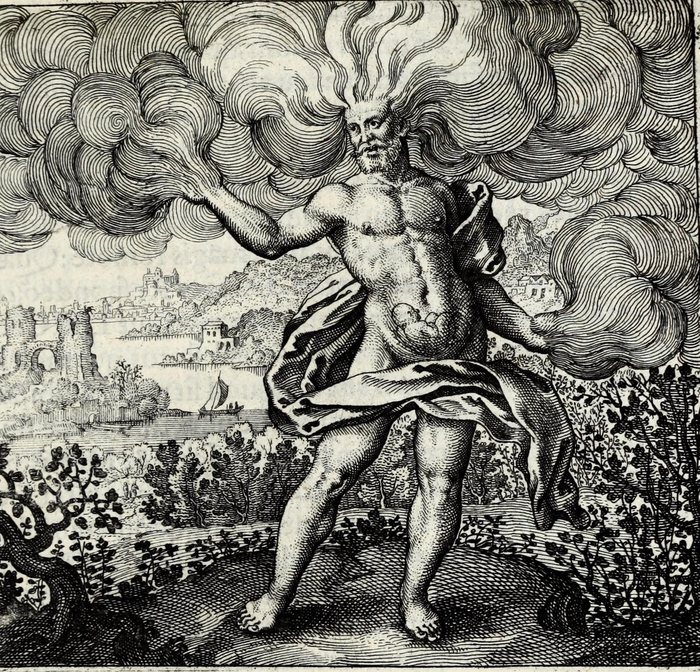 Portavit eum ventus in ventre suo
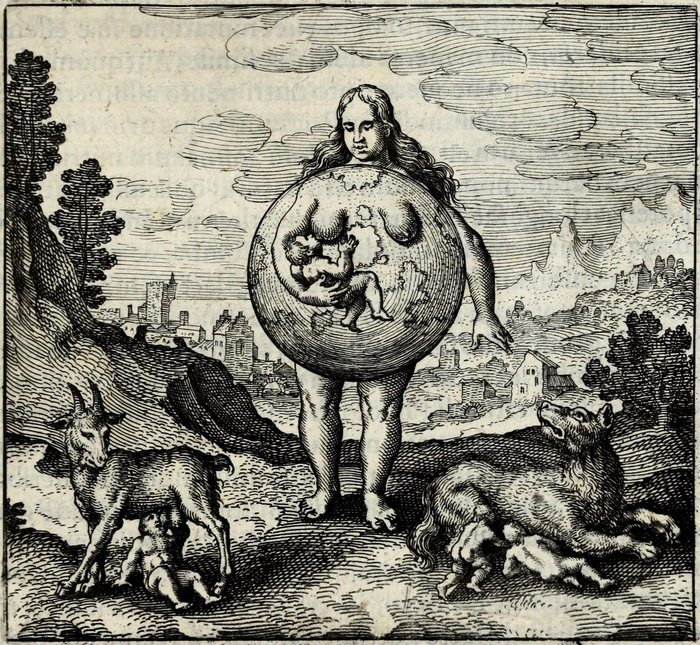 Nutrix ejus terra est
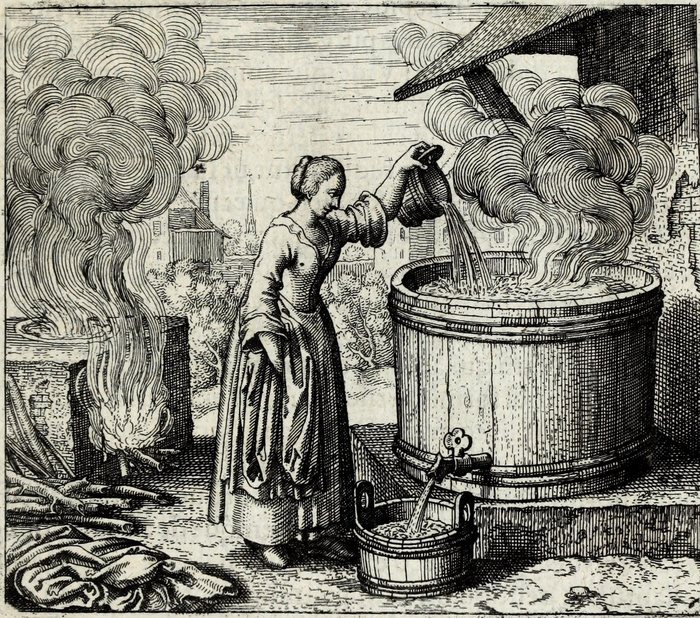 Vade ad mulierem lavantem pannos, tu fac similiter
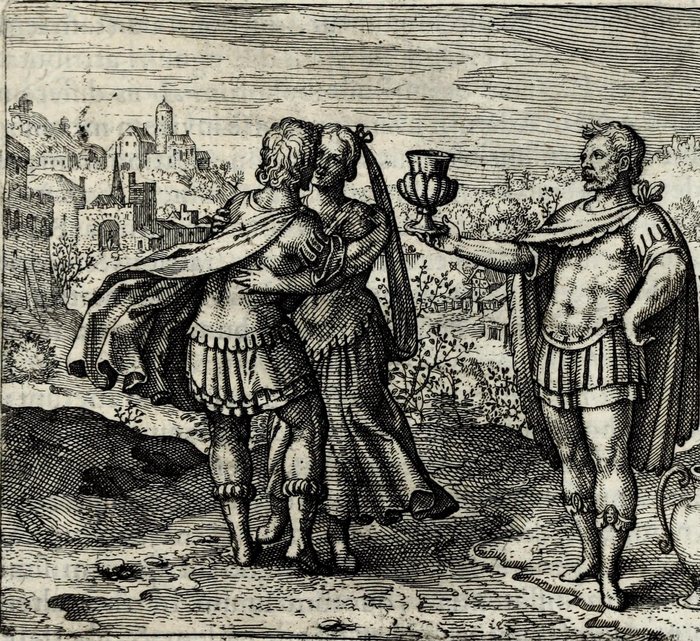 Conjunge fratrem cum sorore & propina illis poculum amoris
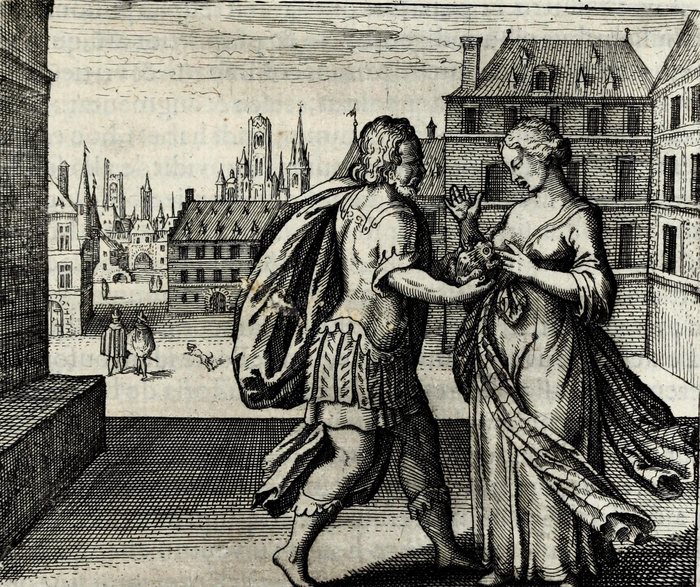 Appone mulieri super mammas bufonem, ut ablactet eum, & moriatur mulier, sitque bufo grossus de lacte
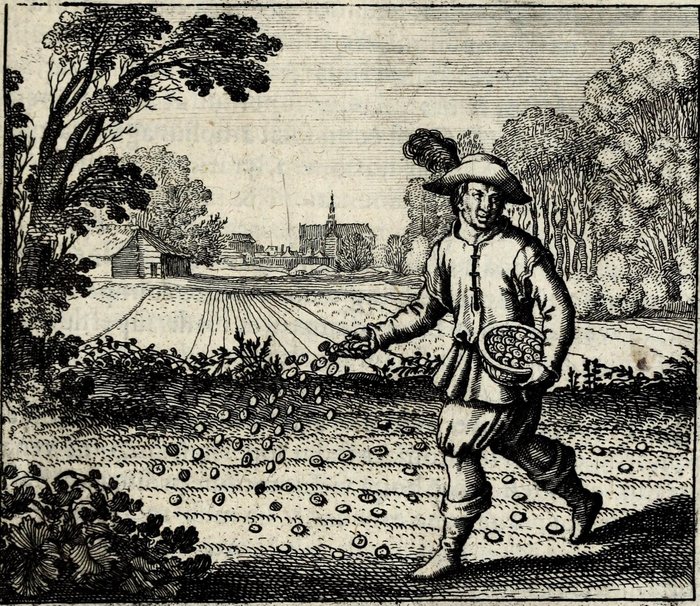 Seminate aurum vestrum in terram albam foliatam
Record
One symbol a week, decoded.
This picture is free at full size from its source, linked above. What an address gets is the Sunday letter: one picture, one symbol marked on it, what it meant and who said so, and the master files of the decoded plates as they are verified. Leave any time.
Free, one letter a week, unsubscribe in one click. How the address is used.
Scroll or pinch to zoom · drag to move · double-tap for 1:1 · 1400 by 1241 pixel web copy; the source file is linked under Record