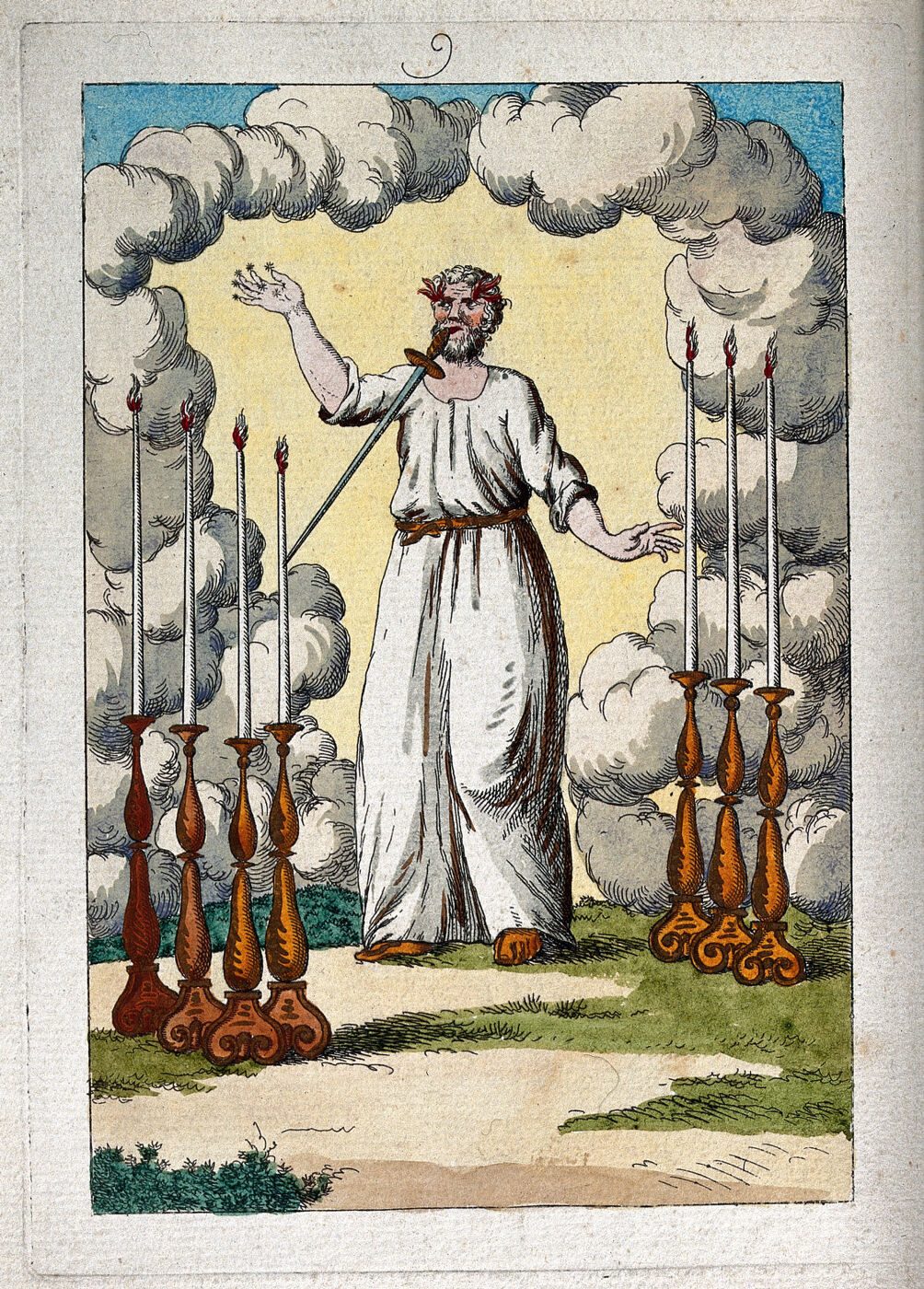
Christ Between Seven Candlesticks
Fire as the central motif, with the Divine and the Heavens in a secondary part. From The Flamel figures.
What is happening
Apocalypse 1:17 “And when I had seen him, I fell at his feet as dead. And he laid his right hand upon me, saying: Fear not. I am the First and the Last,”
Apocalypse 1:18 “And alive, and was dead. And behold I am living for ever and ever and have the keys of death and of hell.”
Key · 3 motifs
Tap a motif on the picture, or a line below. Its note opens under the line, with the reading its author gave it.
- Primary motif
- Secondary motifs · 2
The picture
A robed, bearded figure with his right hand raised stands among clouds between seven tall candlesticks, rays of light around him; Fire as the central motif, by eye. By eye
The reading
The picture read whole, in the archive's words, from the sources quoted on the marks. Read on, and the picture follows: the motif under discussion keeps its colour.
The number nine at the top of the sheet places it in the same series as the riders on lions and the king with three crowns, the figures circulated in the eighteenth century under the names of Abraham the Jew and Nicolas Flamel, and the Wellcome's cataloguer read it as they read the others, as a stage in the alchemical process. The scene is the first chapter of the Apocalypse, the vision John has on Patmos before any seal is opened, and the archive reads it from there.
A bearded figure in a white robe to his feet stands on a cloud with his right hand raised and a sword standing straight out of his mouth. The chapter describes him: ‘in the midst of the seven golden candlesticks, one like to the Son of man, clothed with a garment down to the feet, and girt about the paps with a golden girdle; and from his mouth came out a sharp two-edged sword. And his face was as the sun shineth in his power.’ The painter has given him rays of light and drawn the sword as literally as the king in the other sheet has his. In the text the figure then speaks: ‘Fear not. I am the First and the Last, and alive, and was dead.’ The raised hand is the hand he lays on John.
The candlesticks are tall and slender, four at the left and three at the right, each with its flame. John turns round to find who is speaking and sees seven golden candlesticks, and the end of the chapter reads them for him: ‘the seven candlesticks are the seven churches’, the seven congregations of Asia Minor to which the letters of the next two chapters are sent. The archive files the sheet under Fire because the seven flames are its central image; they are a count, not a catastrophe, which is the distinction the Fire entry asks a reader to make.
In his right hand he holds up seven stars, painted small against the cloud. The chapter gives them too: ‘he had in his right hand seven stars’, and ‘the seven stars are the angels of the seven churches’. Seven lights on earth, seven lights in the hand; the picture is arranged so that a reader can count both.
The alchemical reading, which the Wellcome's title states and the archive does not, would take the figure with the sword for the perfected stone and the seven lights for the seven metals or the seven operations of the work. It is a reading the designers of these sheets almost certainly intended, since they put the Apocalypse into a book of hieroglyphical figures for no other reason. But they did not write it down where the archive can find it, and the archive will not write it for them. The chapter is here, verse by verse, and the picture matches it to the sword.
Decoded: every motif is marked, and each mark carries the reading its author gave it, quoted from the text, or says that it is observed on the picture and not read. The reading above is the archive's own, made from those sources and no others.
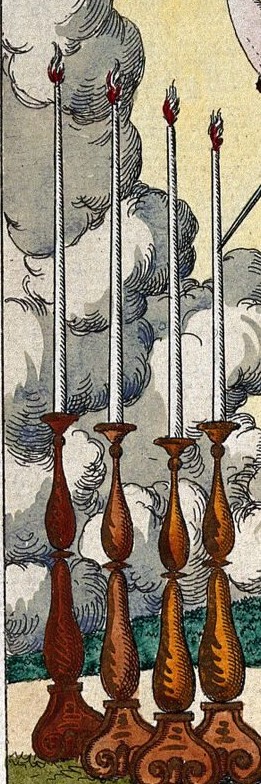
A count, a catastrophe, or the visible part of something that has no body. Note whether the flames are arranged in a number, breaking something, or standing where a figure would be.
In plain words Seven tall candlesticks burn round the figure, four on the left and three on the right. The first chapter of the Apocalypse opens with them: I saw seven golden candlesticks, and the chapter itself says what they are, the seven churches of Asia to which the book is addressed.
Apocalypse 1:12 “And I turned to see the voice that spoke with me. And being turned, I saw seven golden candlesticks:”
Apocalypse 1:20 “And the seven candlesticks are the seven churches.”
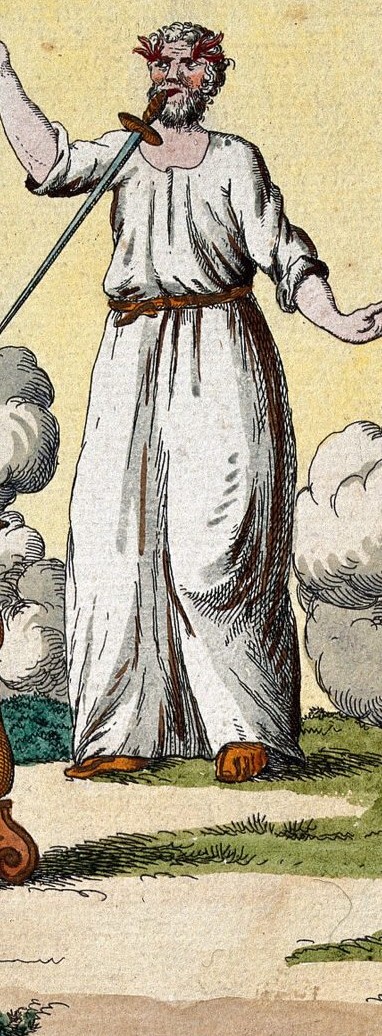
God shown, or pointed at. Look for what stands where a face would be: a name in a cloud, a circle above the top of a diagram, a ring of verses, a sign over a head.
In plain words The figure in the midst of them, robed to the feet, is the chapter's one like to the Son of man, and the sword coming out of his mouth is the chapter's sharp two-edged sword. This is Christ as the Apocalypse first shows him, and the painter has drawn the verses.
Apocalypse 1:13 “And in the midst of the seven golden candlesticks, one like to the Son of man, clothed with a garment down to the feet, and girt about the paps with a golden girdle.”
Apocalypse 1:16 “And from his mouth came out a sharp two-edged sword. And his face was as the sun shineth in his power.”
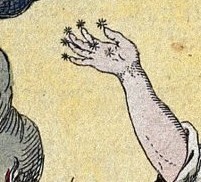
A diagram of everything, drawn so that a person can be found inside it. Note where the human figure stands in the scheme.
In plain words The seven stars in his raised right hand are the chapter's too: he had in his right hand seven stars, and the seven stars are the angels of the seven churches.
Apocalypse 1:16 “And he had in his right hand seven stars.”
Apocalypse 1:20 “The seven stars are the angels of the seven churches.”
Also carrying Fire
44 works carry it. The 6 where it is the central motif are here. The symbol.
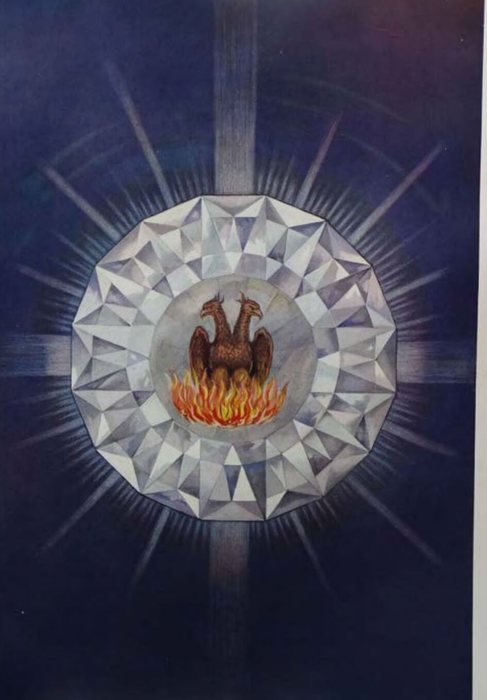
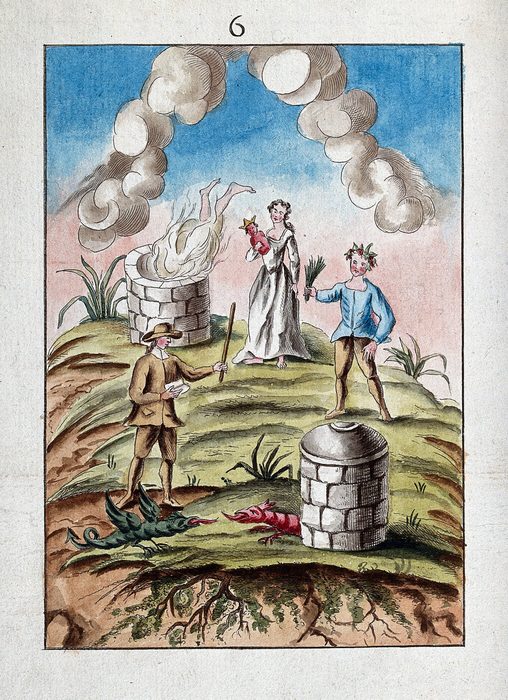
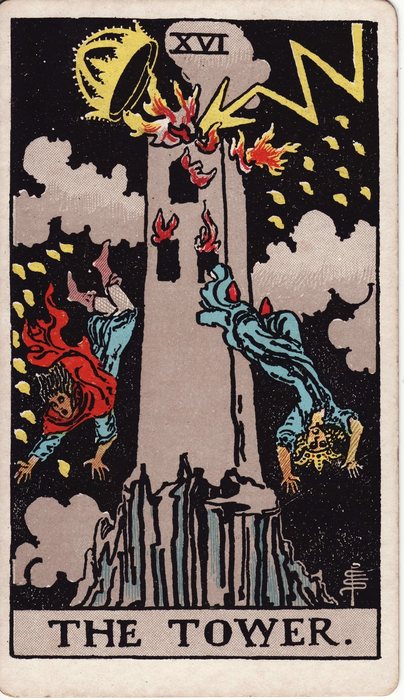
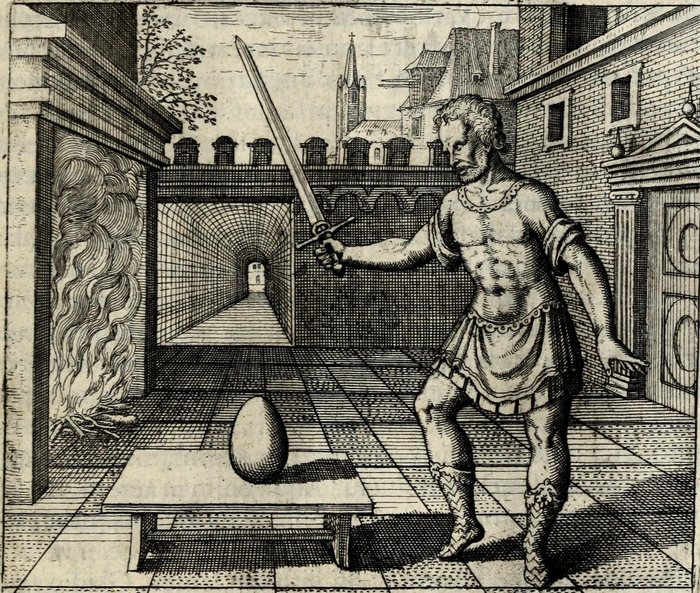
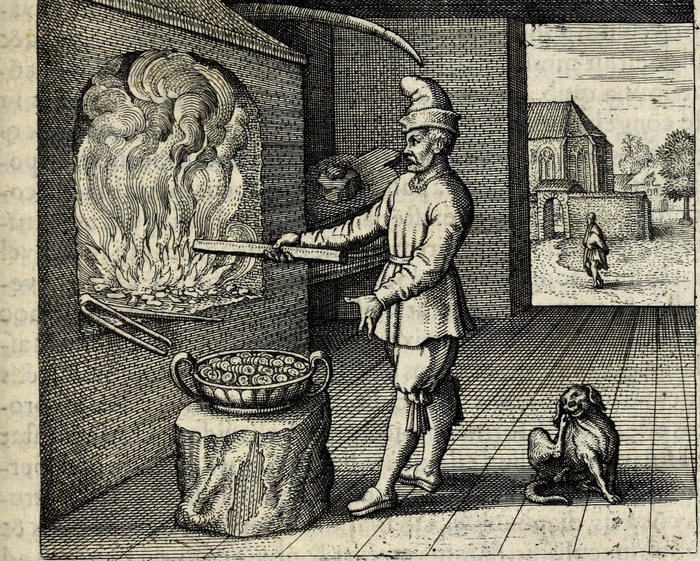
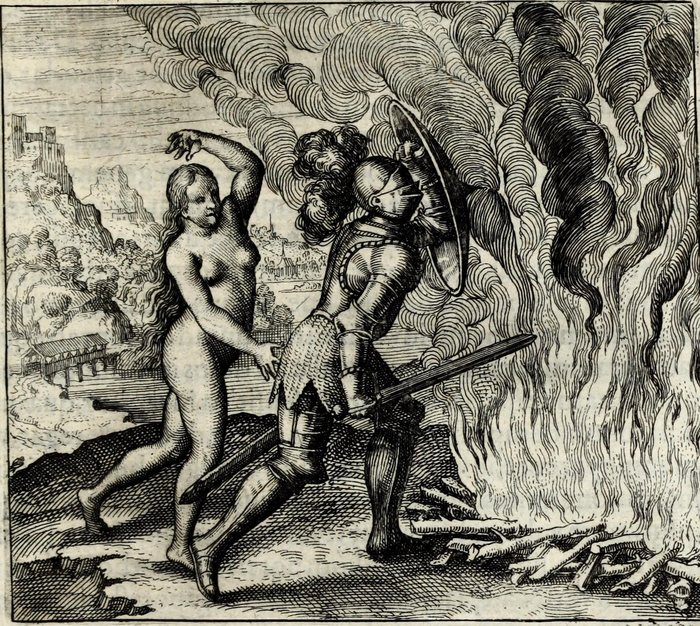
Where the detail is the subject
Each of these is in the picture without being what it is about. Below, one work that is about each.
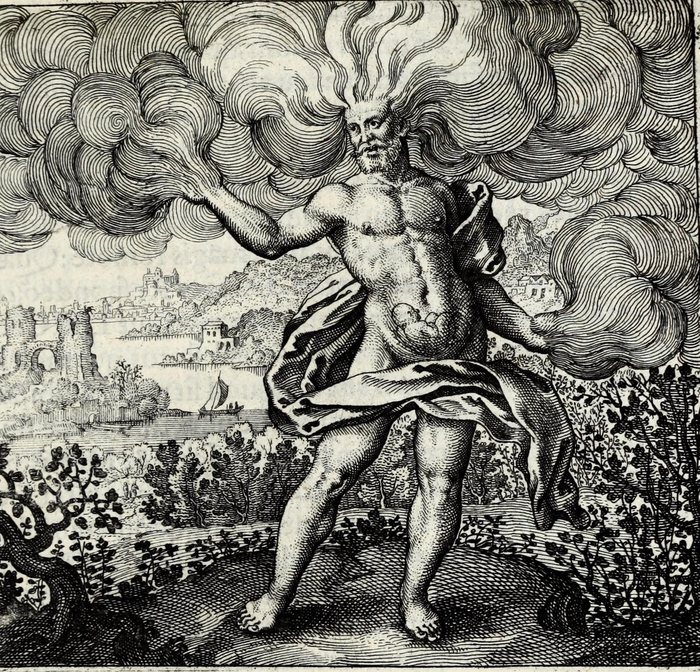
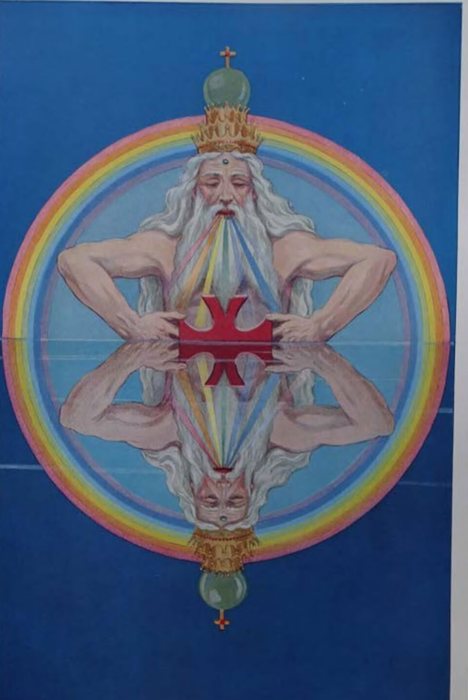
By the same hand
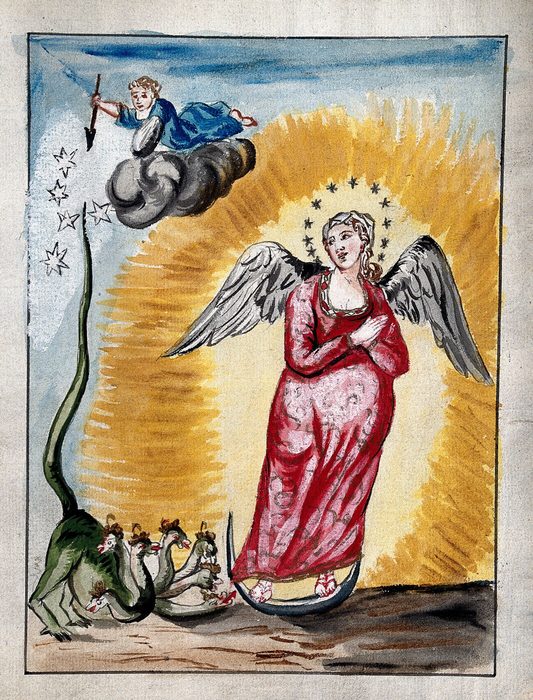
In the same series
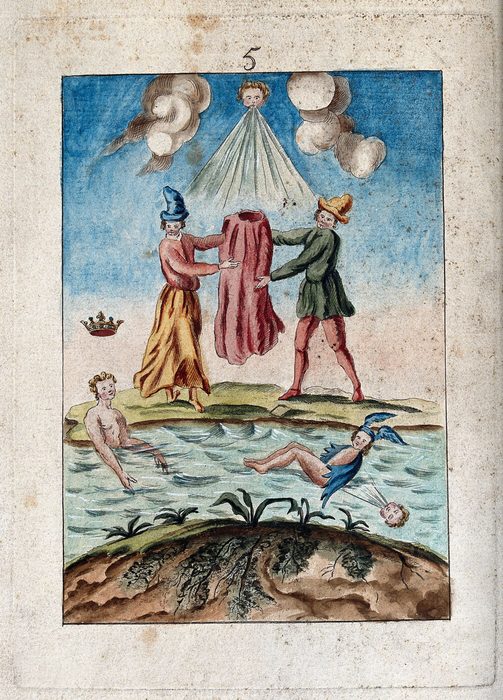
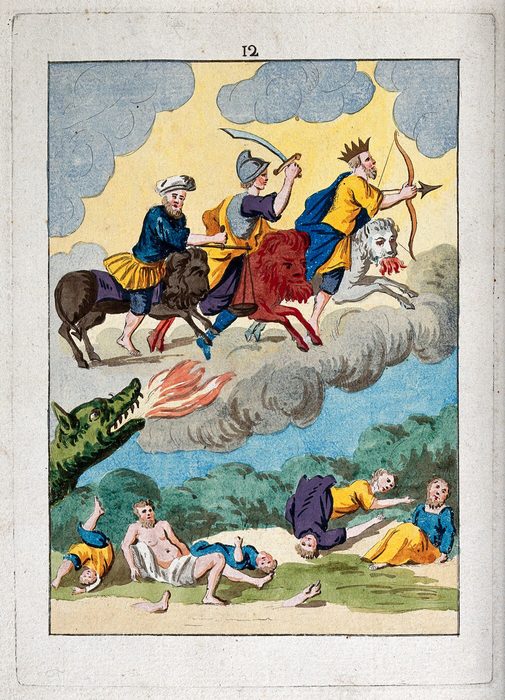
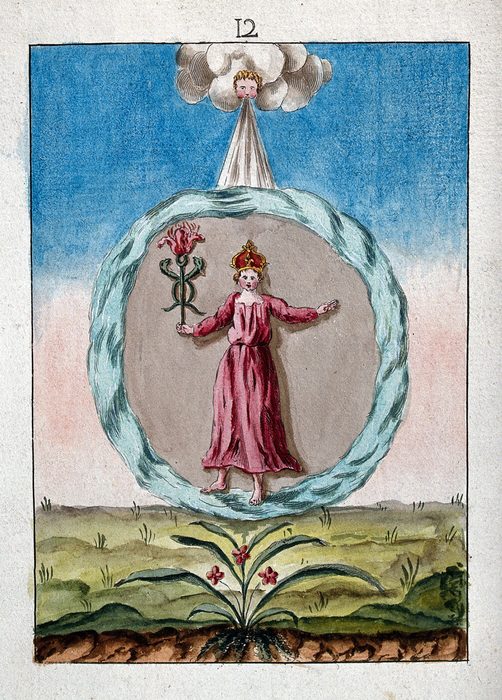
Record
One symbol a week, decoded.
This picture is free at full size from its source, linked above. What an address gets is the Sunday letter: one picture, one symbol marked on it, what it meant and who said so, and the master files of the decoded plates as they are verified. Leave any time.
Free, one letter a week, unsubscribe in one click. How the address is used.
Scroll or pinch to zoom · drag to move · double-tap for 1:1 · 1004 by 1400 pixel web copy; the source file is linked under Record