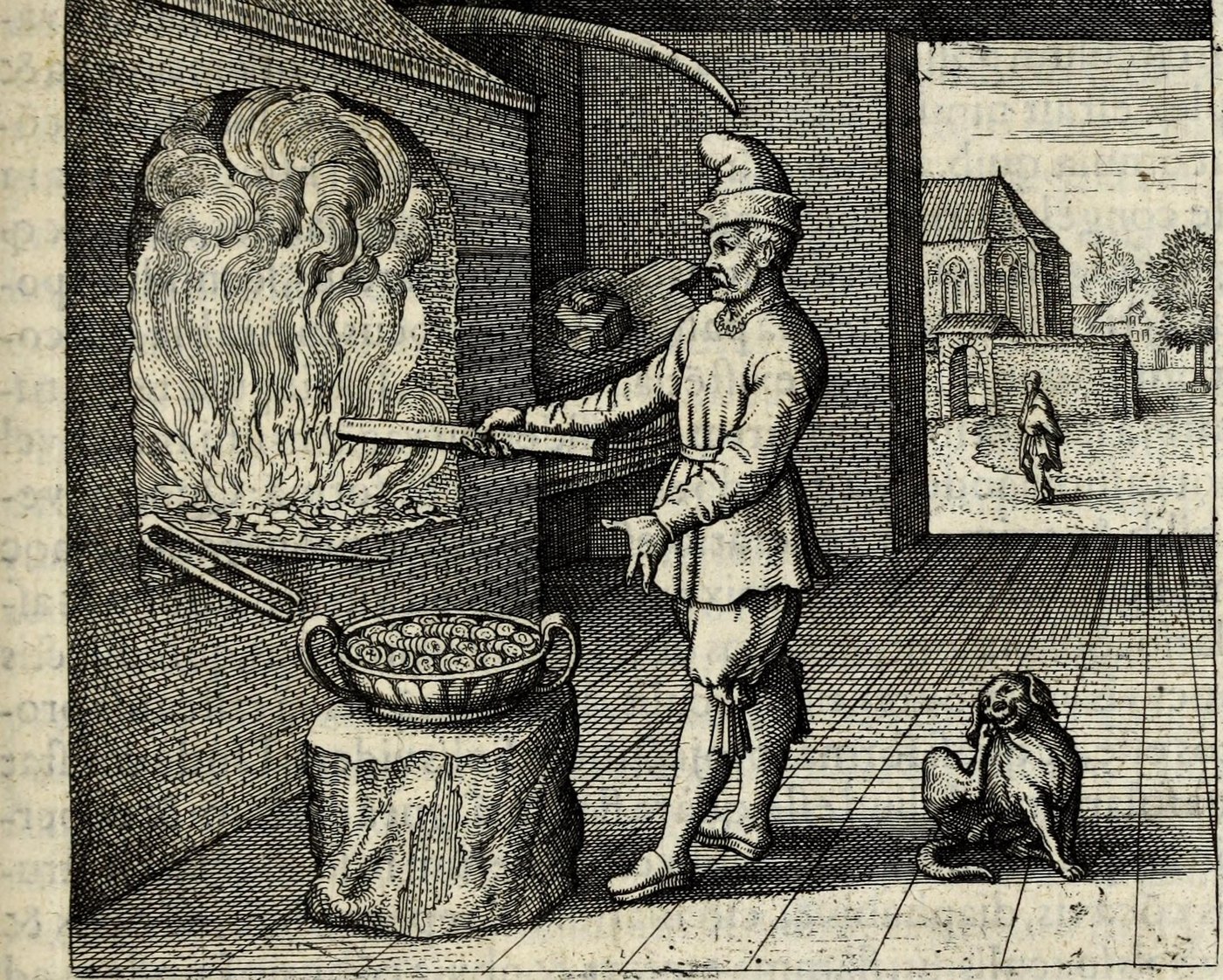
Ignire ignis amat, non aurificare, sed aurum
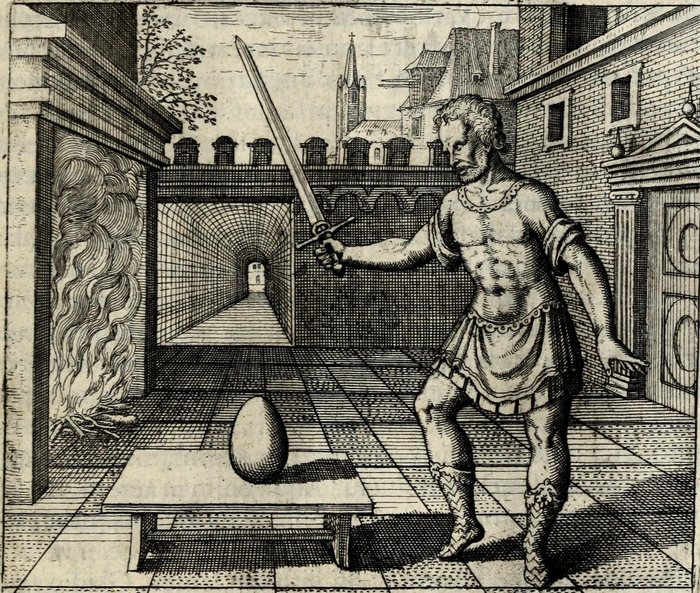
Fire as the central motif, with the Vessel in a secondary part. From Atalanta Fugiens.
What is happening
Michael Maier, 1618 “Ignire ignis amat, non aurificare, sed aurum:”
Symbolica, 2026 Maier’s Latin, put into English here: Fire loves to burn, not to make gold, but gold.
Michael Maier, 1618 “Si quod agens fuerit naturae, mittit in orbem
Vires atque suas multiplicare cupit.
Obvia sic ignis facit ignea cuncta, nec est res,
Absque sua causa nobile quae det opus.
Aurum nil lignit per se, nil lignis inaurat,
Quodlibet agnoscit quod sibi semen inest.”
Symbolica, 2026 Maier’s epigram, put into English here: Whatever is an agent of nature sends its powers out into the world and wants to multiply them. So fire makes everything it meets fiery, and there is nothing that gives a noble work without its own cause. Gold does not of itself touch wood, nor does wood gild anything. Each thing recognises the seed that is in it.
Key · 2 motifs
Tap a motif on the picture, or a line below. Its note opens under the line, with the reading its author gave it.
- Primary motif
- Secondary motifs · 1
The picture
The furnace mouth open and burning, the workman turning the crucible. By eye
The reading
The picture read whole, in the archive's words, from the sources quoted on the marks. Read on, and the picture follows: the motif under discussion keeps its colour.
‘Ignire ignis amat, non aurificare, sed aurum’: fire loves to make fire, not to make gold; gold does that. A furnace, a workman with his tongs, a basin of metal, and a dog asleep on the floor.
‘Si quod agens fuerit naturae, mittit in orbem / Vires atque suas multiplicare cupit’, whatever acts as an agent of nature sends its powers out into the world and wants to multiply them. ‘Obvia sic ignis facit ignea cuncta’, so fire makes everything it meets fiery, ‘nec est res, / Absque sua causa nobile quae det opus’, and nothing gives a noble work without its own cause. The open furnace demonstrates it: the fire can only make more fire.
‘Aurum nil lignit per se, nil lignis inaurat’, gold does not of itself touch wood, nor does wood gild anything; ‘Quodlibet agnoscit quod sibi semen inest’, each thing recognises the seed it carries. The basin of metal on the block holds the seed. Maier tells the reader to treat the fire as a means and not a cause: the work returns whatever the vessel received, multiplied.
Decoded: every motif is marked, and each mark carries the reading its author gave it, quoted from the text, or says that it is observed on the picture and not read. The reading above is the archive's own, made from those sources and no others.
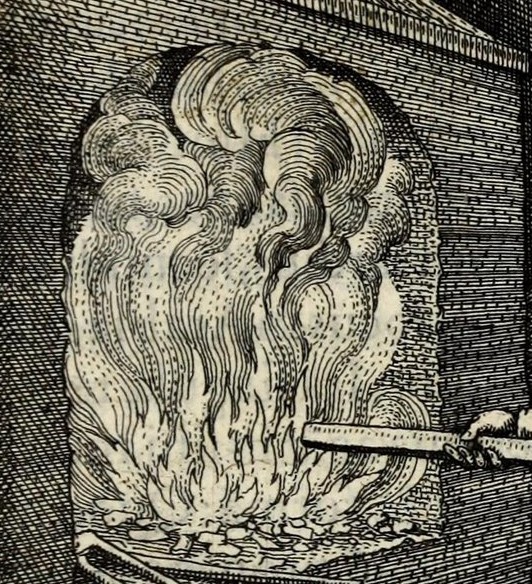
A count, a catastrophe, or the visible part of something that has no body. Note whether the flames are arranged in a number, breaking something, or standing where a figure would be.
In plain words A furnace burns with its mouth open and the workman holds his crucible into it. Fire makes everything it touches fiery, Maier says, and that is the law of every agent in nature: it spreads its own kind. So fire cannot make gold; only gold makes gold.
Michael Maier, 1618 “Obvia sic ignis facit ignea cuncta, nec est res, / Absque sua causa nobile quae det opus.”
Symbolica Maier's Latin, put into English here: So fire makes everything it meets fiery, and there is nothing that gives a noble work without its own cause.
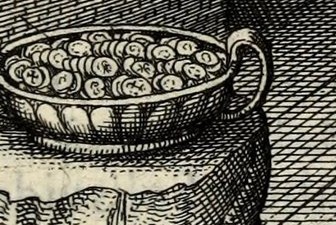
Never the subject. What is inside it is.
In plain words A basin of pieces of metal stands on a block in front of the furnace. What is in the vessel is what will be multiplied, and only its own kind can multiply it: gold does not gild wood, and each thing knows the seed inside it.
Michael Maier, 1618 “Aurum nil lignit per se, nil lignis inaurat, / Quodlibet agnoscit quod sibi semen inest.”
Symbolica Maier's Latin, put into English here: Gold does not of itself touch wood, nor does wood gild anything. Each thing recognises the seed that is in it.
Also carrying Fire
44 works carry it. The 6 where it is the central motif are here. The symbol.
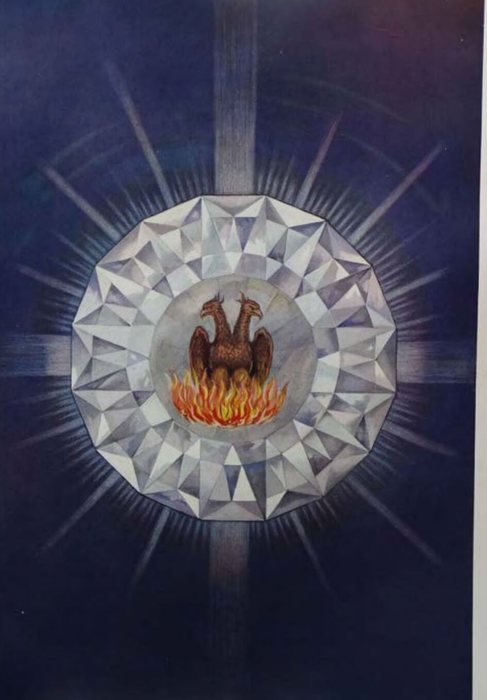
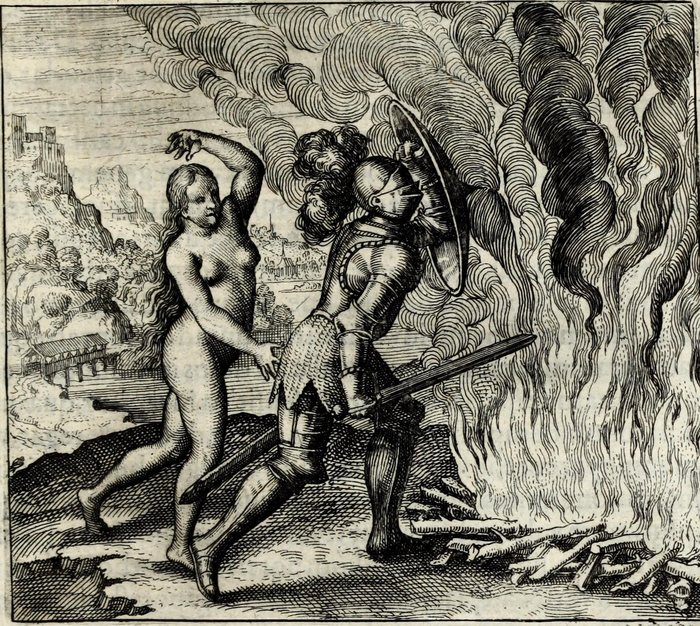
Where the detail is the subject
This is in the picture without being what it is about. Below, one work that is about it.
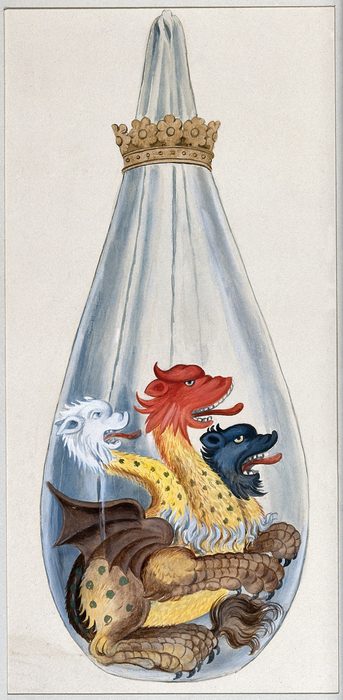
In the same series
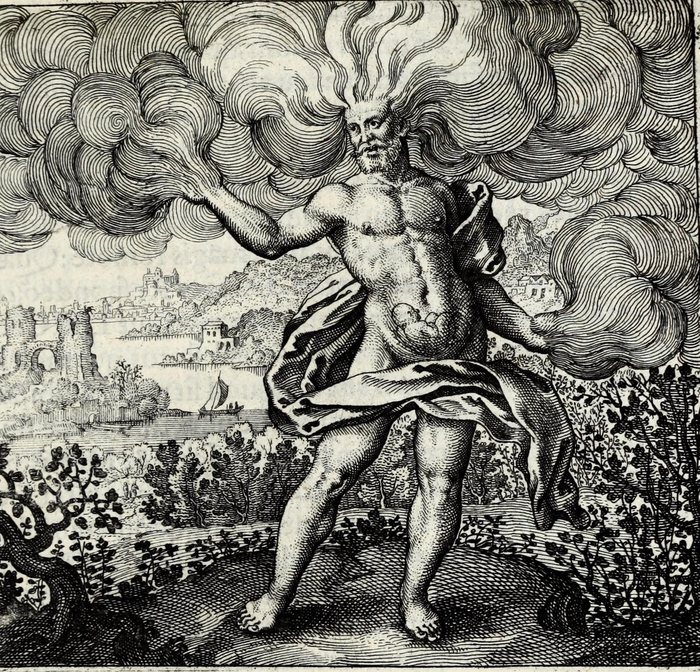 Portavit eum ventus in ventre suo
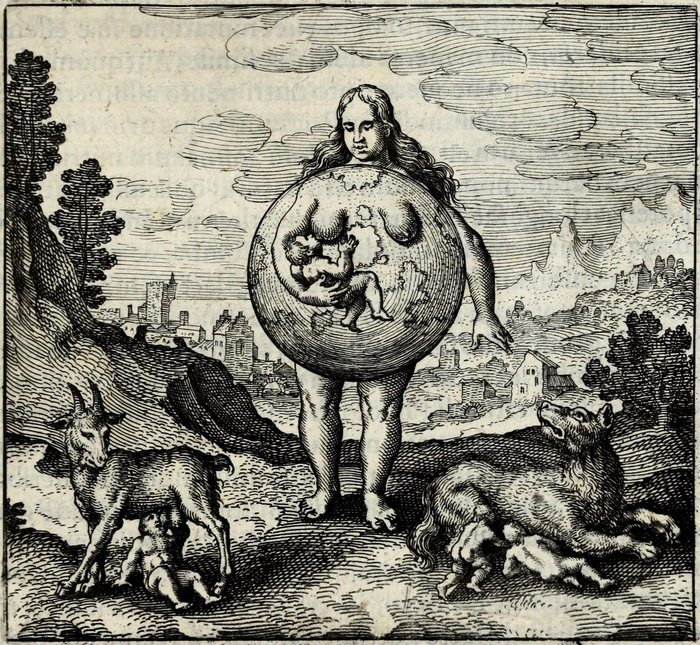 Nutrix ejus terra est
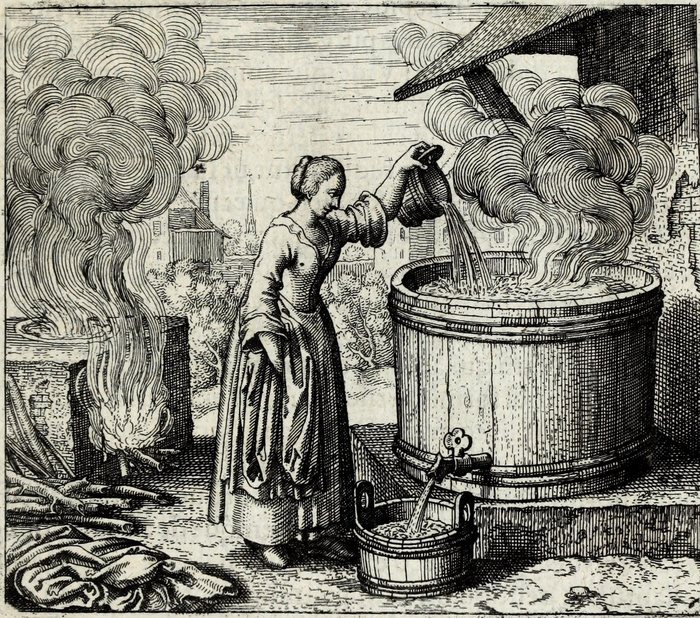 Vade ad mulierem lavantem pannos, tu fac similiter
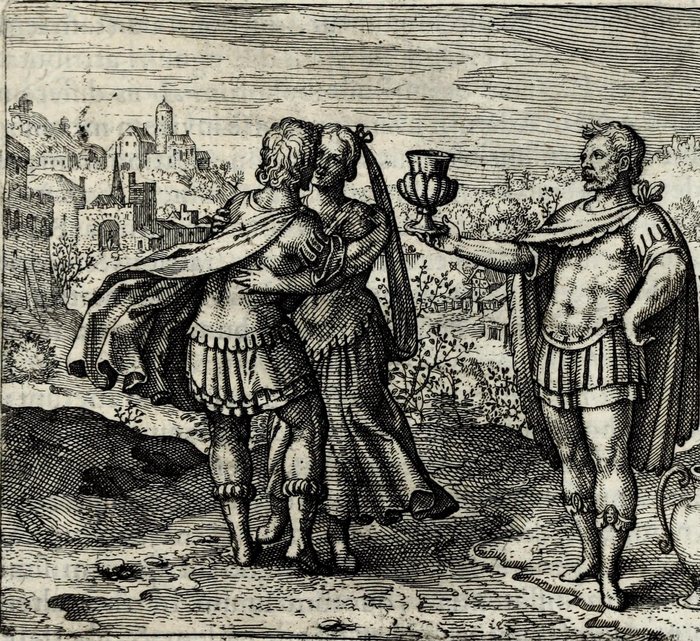 Conjunge fratrem cum sorore & propina illis poculum amoris
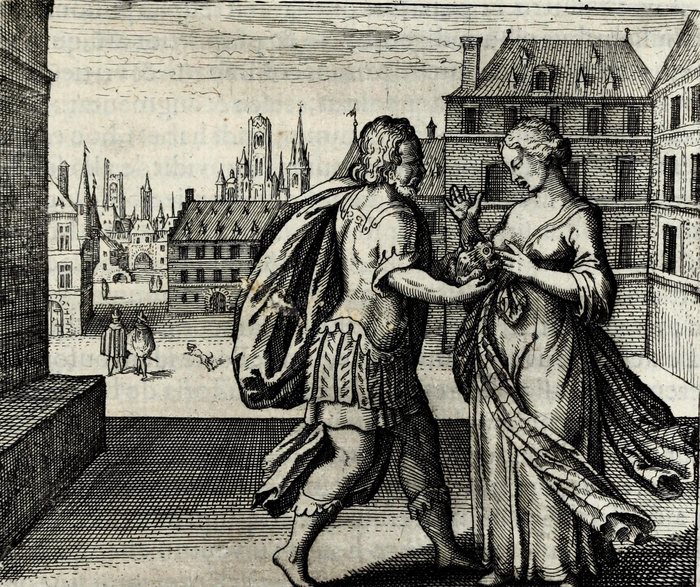 Appone mulieri super mammas bufonem, ut ablactet eum, & moriatur mulier, sitque bufo grossus de lacte
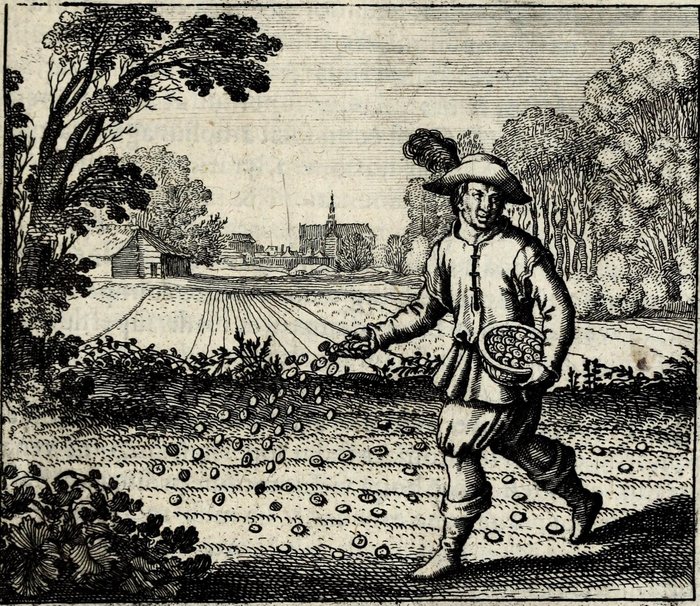 Seminate aurum vestrum in terram albam foliatam
Record
One symbol a week, decoded.
This picture is free at full size from its source, linked above. What an address gets is the Sunday letter: one picture, one symbol marked on it, what it meant and who said so, and the master files of the decoded plates as they are verified. Leave any time.
Free, one letter a week, unsubscribe in one click. How the address is used.
Scroll or pinch to zoom · drag to move · double-tap for 1:1 · 1400 by 1122 pixel web copy; the source file is linked under Record