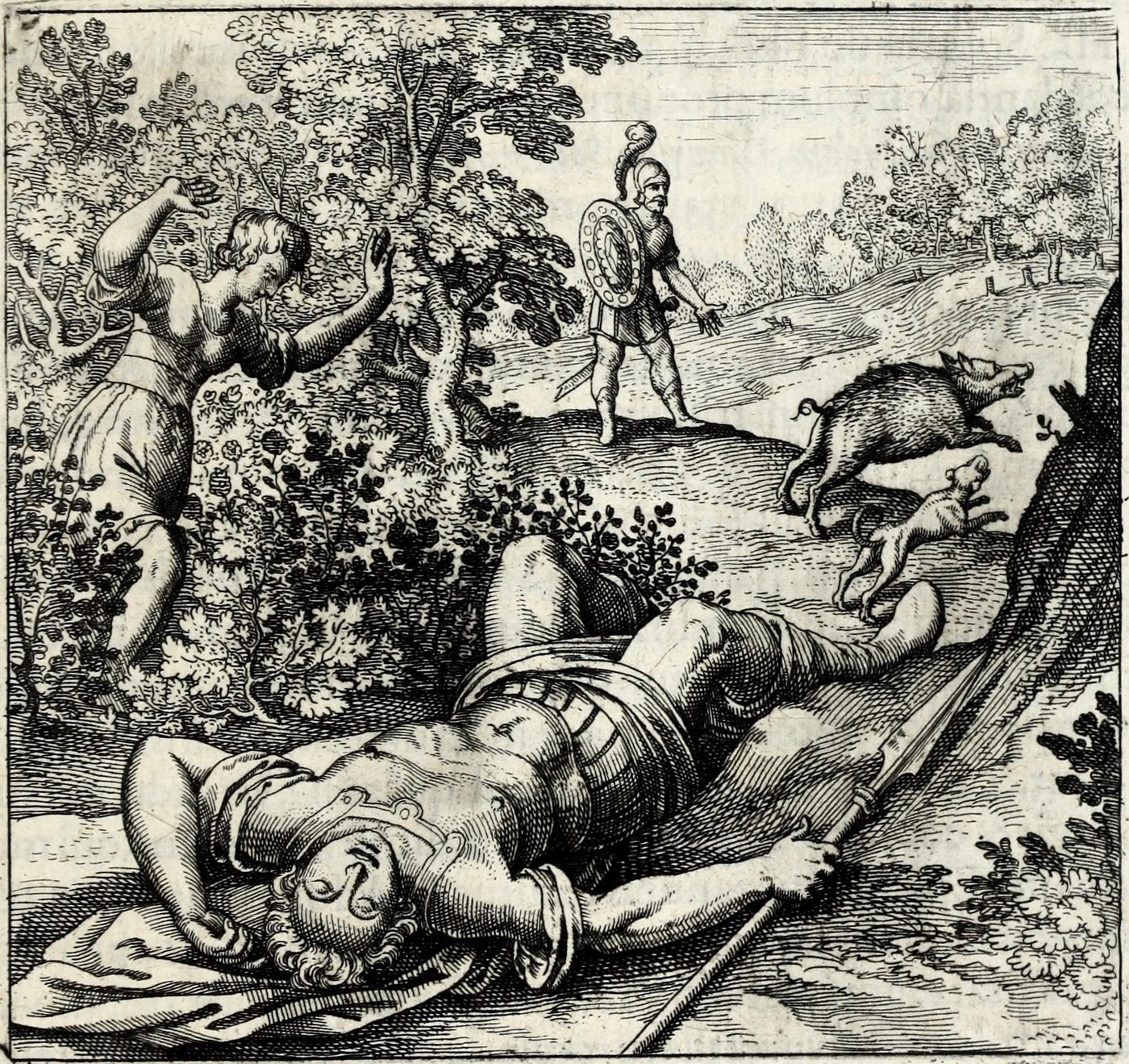
Adonis ab apro occiditur, cui Venus accurrens tinxit Rosas sanguine
Death and the Skull as the central motif, with the Tree in a secondary part. From Atalanta Fugiens.
What is happening
Michael Maier, 1618 “Adonis ab apro occiditur, cui Venus accurrens tinxit Rosas sanguine.”
Symbolica, 2026 Maier’s Latin, put into English here: Adonis is killed by the boar, and Venus running to him stained the roses with blood.
Michael Maier, 1618 “Ex patre, Myrrha, suo pulchrum suscepit Adonim,
Delitias Cypriae, quem nece stravit aper.
Accurrit Venus & pede laesa cruore ruborem
Contulit ipsa rosae, quae prius alba fuit.
Flet Dea (flent Syri, luctus communis in orbe est)
Illum lactucis mollibus & posuit.”
Symbolica, 2026 Maier’s epigram, put into English here: Myrrha bore beautiful Adonis by her own father, the darling of the Cyprian, whom a boar laid low in death. Venus ran to him, and her foot being cut, with her blood she gave redness to the rose itself, which before was white. The Goddess weeps, the Syrians weep, the mourning is shared through the world, and she laid him on soft lettuce.
Key · 2 motifs
Tap a motif on the picture, or a line below. Its note opens under the line, with the reading its author gave it.
- Primary motif
- Secondary motifs · 1
The picture
Adonis dead in the foreground, the boar behind, Venus at the rose tree. By eye
The reading
The picture read whole, in the archive's words, from the sources quoted on the marks. Read on, and the picture follows: the motif under discussion keeps its colour.
‘Adonis ab apro occiditur, cui Venus accurrens tinxit Rosas sanguine’: Adonis is killed by the boar, and Venus, running to him, stained the roses with blood. The dead youth lies across the foreground, the boar runs off with the dogs behind it, and Venus at the left has her hands in the roses.
‘Ex patre, Myrrha, suo pulchrum suscepit Adonim’, Myrrha bore beautiful Adonis by her own father, ‘Delitias Cypriae, quem nece stravit aper’, the darling of the Cyprian, whom a boar laid low in death. The mourning is general, ‘Flet Dea (flent Syri, luctus communis in orbe est)’, the goddess weeps, the Syrians weep, the mourning is shared through the world, and she lays him on soft lettuce.
‘Accurrit Venus & pede laesa cruore ruborem / Contulit ipsa rosae’, Venus ran to him, and her foot being cut, with her blood she gave redness to the rose itself, ‘quae prius alba fuit’, which before was white. That is the line the alchemists wanted: a white thing made red by blood. Adonis has to die for the roses to change, and the emblem is the reddening of the work told as a death.
Decoded: every motif is marked, and each mark carries the reading its author gave it, quoted from the text, or says that it is observed on the picture and not read. The reading above is the archive's own, made from those sources and no others.
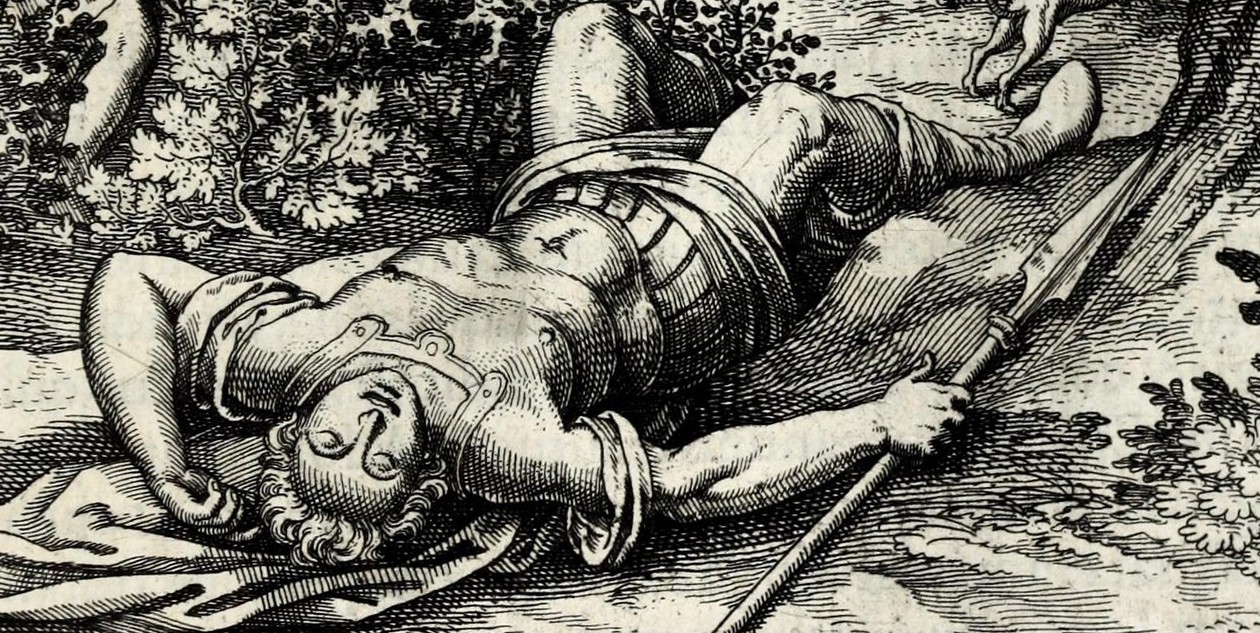
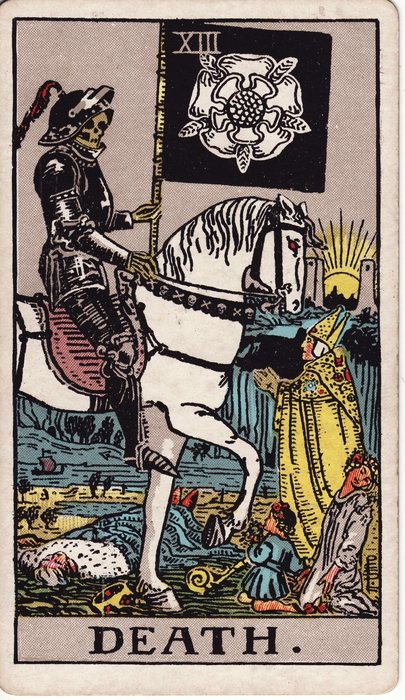
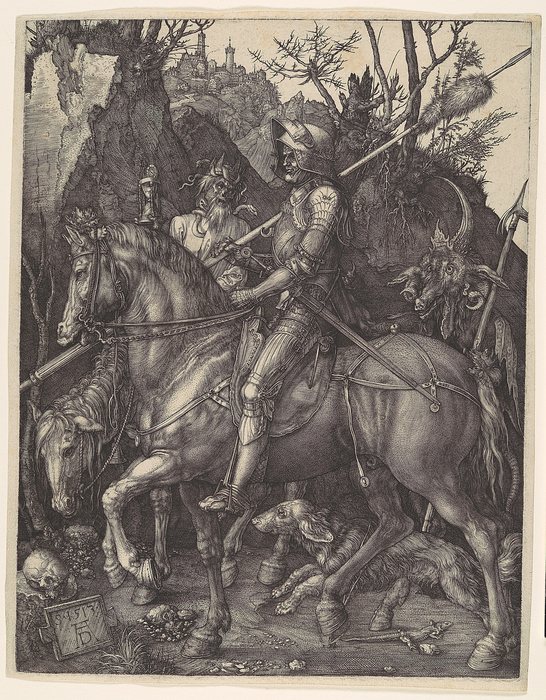
An office, not an ending. Note what Death is holding and who is being made to look at it.
In plain words A young man in armour lies dead across the bottom of the plate, and the boar that killed him is still running in the background with the dogs after it. He is Adonis, Venus's darling, and his death is the emblem's subject: the beautiful thing killed, and the colour that comes of it.
Michael Maier, 1618 “Ex patre, Myrrha, suo pulchrum suscepit Adonim, / Delitias Cypriae, quem nece stravit aper.”
Symbolica Maier's Latin, put into English here: Myrrha bore beautiful Adonis by her own father, the darling of the Cyprian, whom a boar laid low in death.
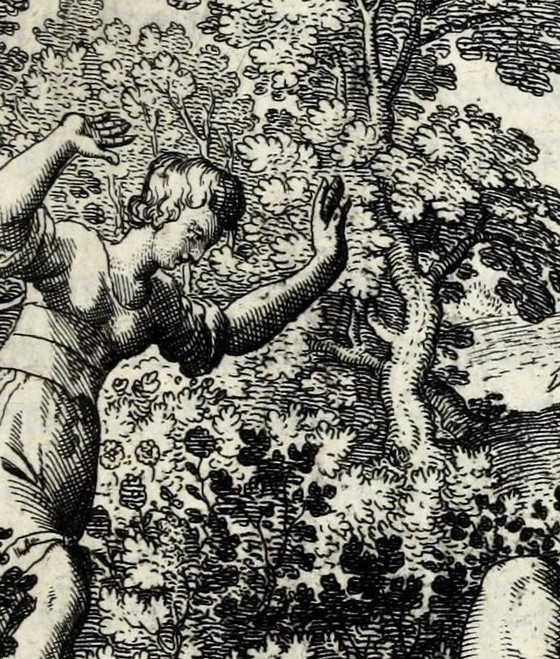
A body drawn as growth. Note which way it grows and what is at the root rather than at the top.
In plain words Venus stands at the left with her hands in a rose tree. Running to Adonis she cut her foot, and her blood turned the white roses red. The tree is where the colour changes, and in the language of the work the change from white to red is the last one.
Michael Maier, 1618 “Accurrit Venus & pede laesa cruore ruborem / Contulit ipsa rosae, quae prius alba fuit.”
Symbolica Maier's Latin, put into English here: Venus ran to him, and her foot being cut, with her blood she gave redness to the rose itself, which before was white.
Also carrying Death and the Skull
13 works carry it. The 6 where it is the central motif are here. The symbol.
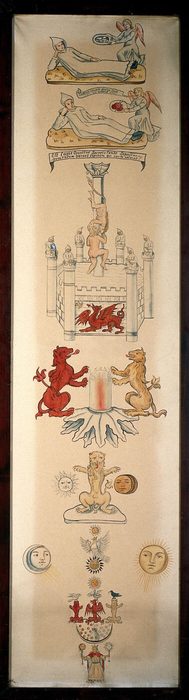
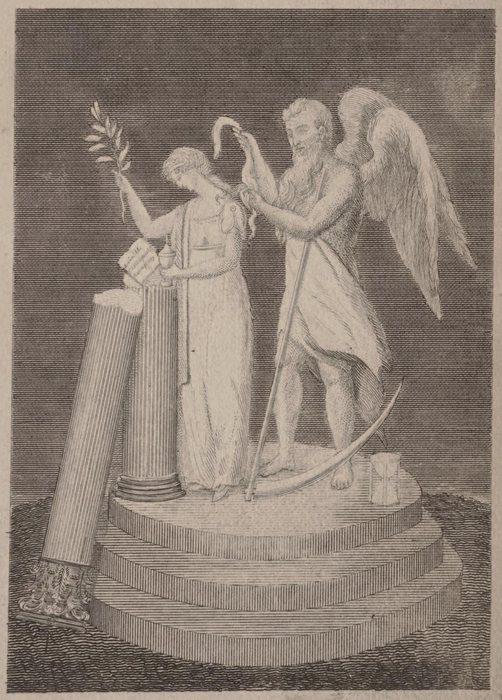
Where the detail is the subject
This is in the picture without being what it is about. Below, one work that is about it.
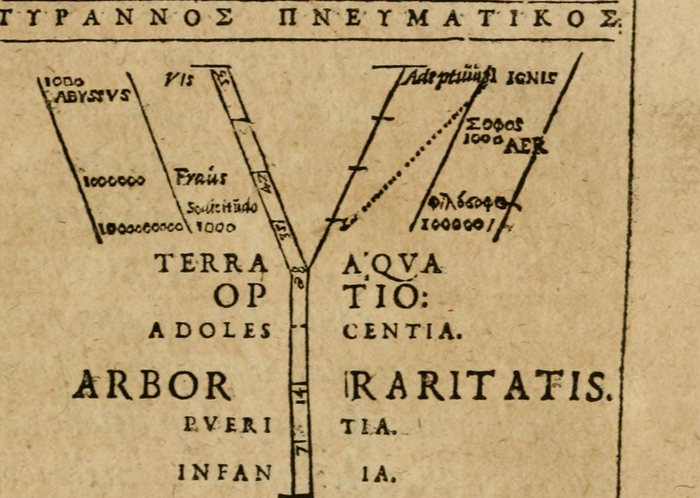
In the same series
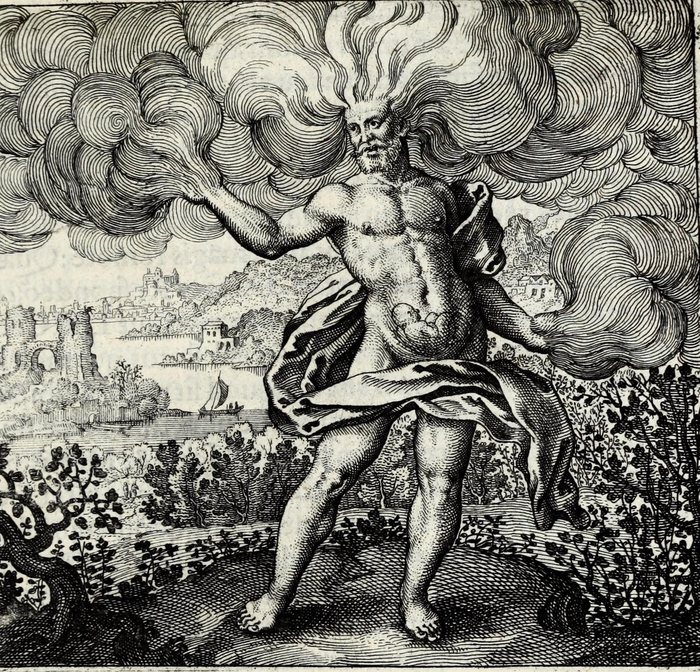 Portavit eum ventus in ventre suo
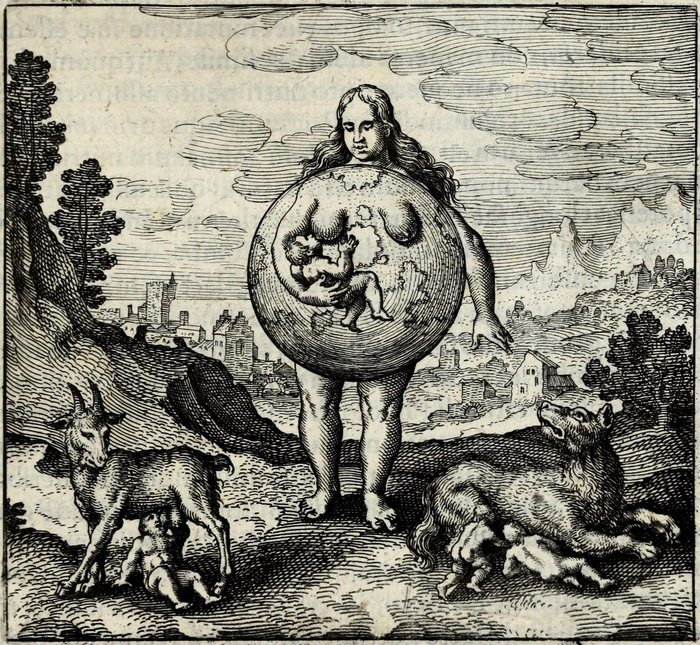 Nutrix ejus terra est
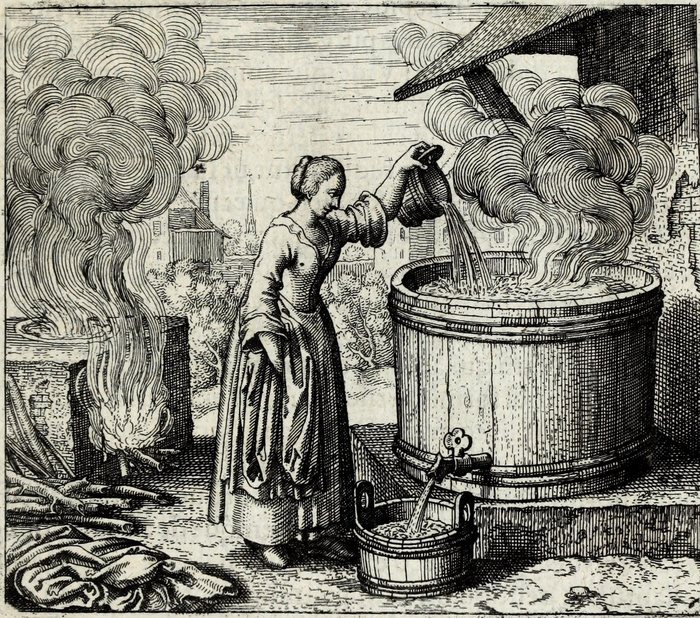 Vade ad mulierem lavantem pannos, tu fac similiter
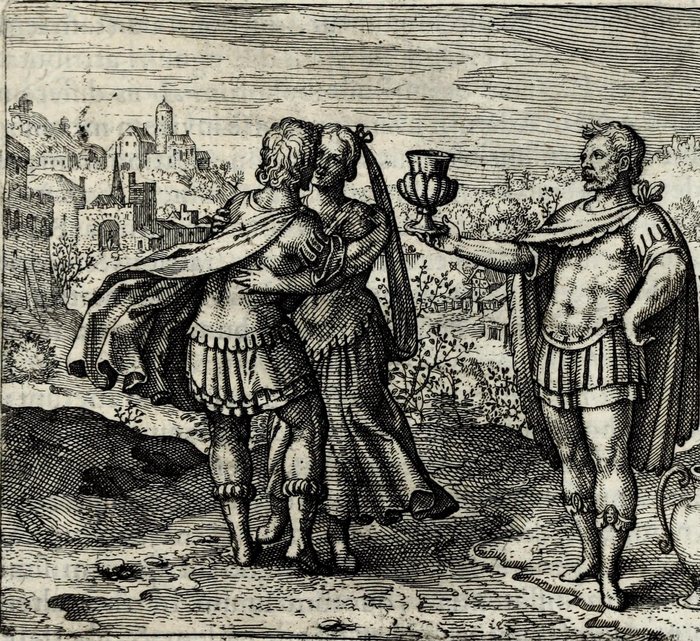 Conjunge fratrem cum sorore & propina illis poculum amoris
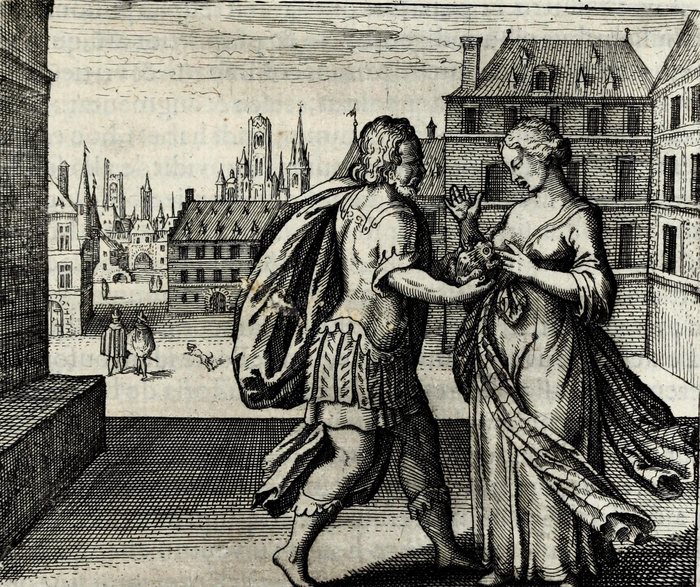 Appone mulieri super mammas bufonem, ut ablactet eum, & moriatur mulier, sitque bufo grossus de lacte
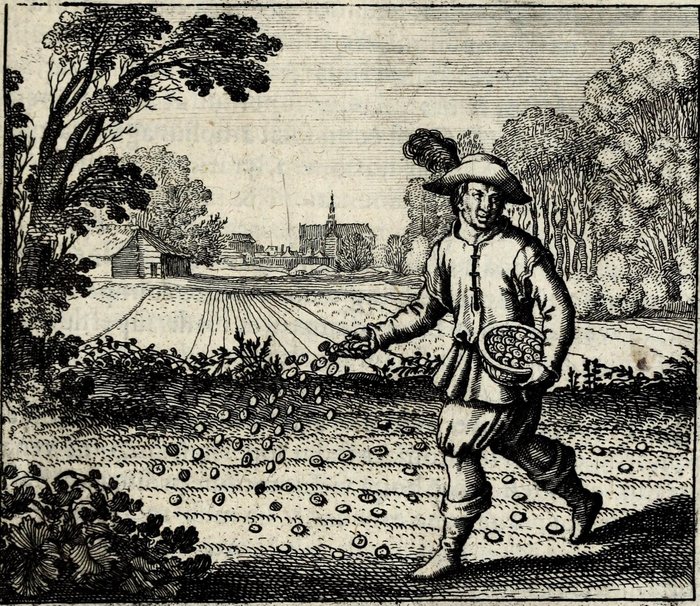 Seminate aurum vestrum in terram albam foliatam
Record
One symbol a week, decoded.
This picture is free at full size from its source, linked above. What an address gets is the Sunday letter: one picture, one symbol marked on it, what it meant and who said so, and the master files of the decoded plates as they are verified. Leave any time.
Free, one letter a week, unsubscribe in one click. How the address is used.
Scroll or pinch to zoom · drag to move · double-tap for 1:1 · 1400 by 1319 pixel web copy; the source file is linked under Record