Sol & ejus umbra perficiunt opus
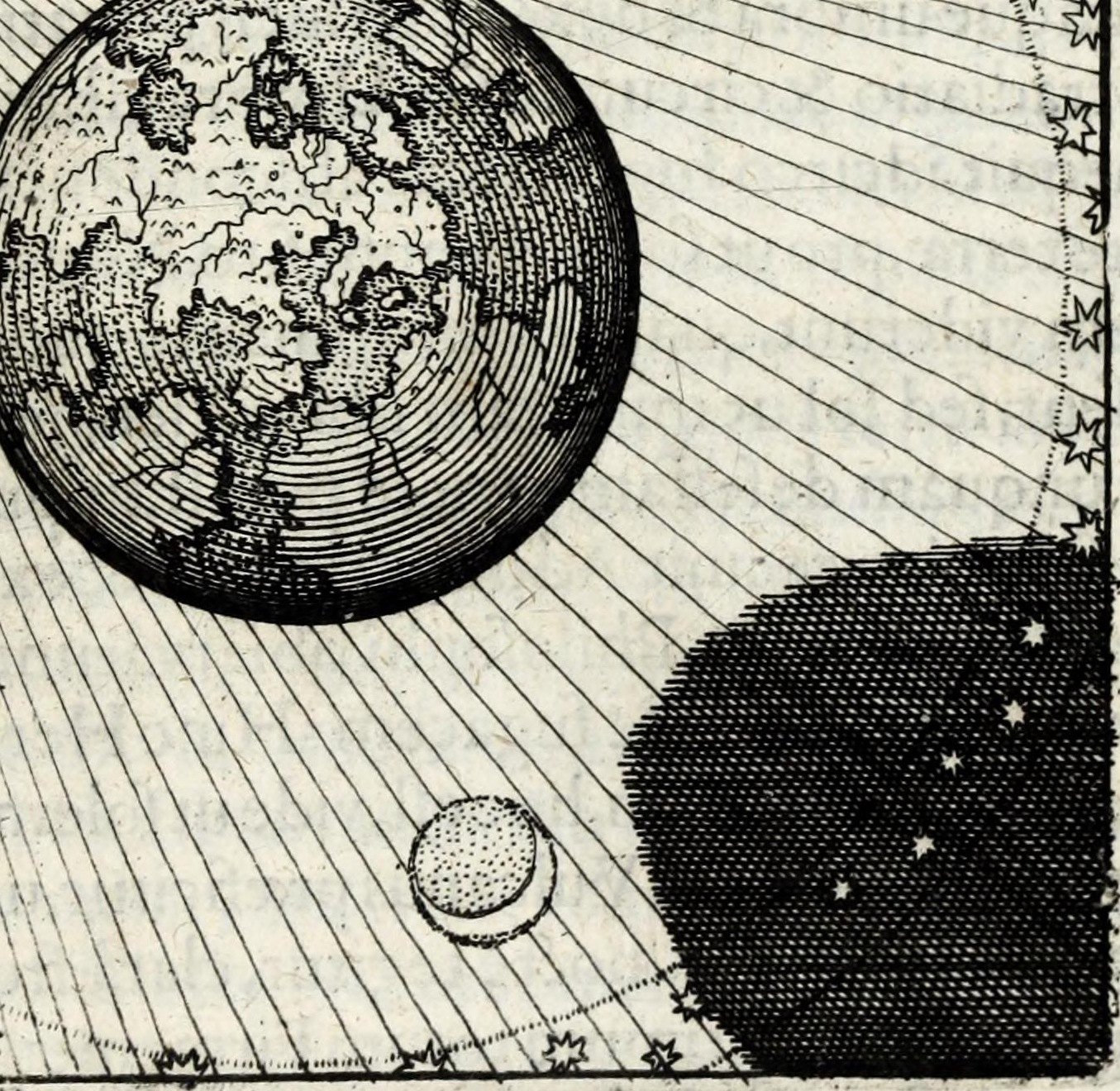
The Heavens as the central motif, with the Sun and the Moon in a secondary part. From Atalanta Fugiens.
What is happening
Michael Maier, 1618 “Sol & ejus umbra perficiunt opus.”
Symbolica, 2026 Maier’s Latin, put into English here: The Sun and its shadow complete the work.
Michael Maier, 1618 “SOL, fax clara poli, non corpora densa penetrat,
Hinc illi adversis partibus umbra manet:
Vilior hac rebus quamvis est omnibus, usu
Attamen Astronomis commoda multa tulit:
Plura Sophis sed dona dedit SOL, ejus & umbra,
Aurifera quoniam perficit artis opus.”
Symbolica, 2026 Maier’s epigram, put into English here: The SUN, bright torch of the sky, does not pass through dense bodies, and so a shadow stays on their far side. Cheap though this shadow is, cheaper than anything, it has brought many advantages to Astronomers in practice. But the SUN and his shadow have given more gifts to the Sages, since it completes the gold-bearing work of the art.
Key · 2 motifs
Tap a motif on the picture, or a line below. Its note opens under the line, with the reading its author gave it.
- Primary motif
- Secondary motifs · 1
The picture
The great globe under the sun's rays with its own shadow thrown across the stars. By eye
The reading
The picture read whole, in the archive's words, from the sources quoted on the marks. Read on, and the picture follows: the motif under discussion keeps its colour.
‘Sol & ejus umbra perficiunt opus’: the Sun and its shadow complete the work. Merian drew a diagram rather than a scene: the globe of the earth, the sun's rays raking across it, and the cone of shadow it throws across a field of stars, with the moon caught at the edge.
‘SOL, fax clara poli, non corpora densa penetrat’, the sun, bright torch of the sky, does not pass through dense bodies, ‘Hinc illi adversis partibus umbra manet’, and so a shadow stays on their far side. The globe is the dense body, and the sun is present only as the lines that fall on it.
The shadow is the subject. ‘Vilior hac rebus quamvis est omnibus’, cheap though this shadow is, cheaper than anything, ‘Attamen Astronomis commoda multa tulit’, it has brought many advantages to astronomers in practice. ‘Plura Sophis sed dona dedit SOL, ejus & umbra’, but the sun and his shadow have given more gifts to the sages, ‘Aurifera quoniam perficit artis opus’, since it completes the gold-bearing work of the art. The alchemists' sun is gold and its shadow is whatever is not gold in the matter, and Maier's point is that the work needs both: the light and the dark it makes.
Decoded: every motif is marked, and each mark carries the reading its author gave it, quoted from the text, or says that it is observed on the picture and not read. The reading above is the archive's own, made from those sources and no others.
A diagram of everything, drawn so that a person can be found inside it. Note where the human figure stands in the scheme.
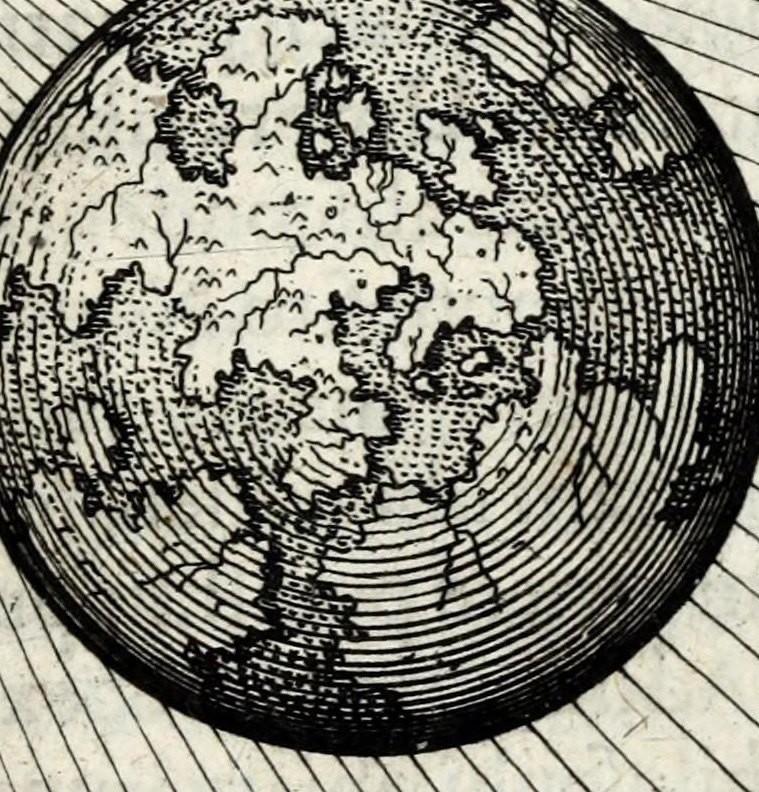
In plain words A globe of the earth hangs in the sky with the sun's rays falling across it from the upper right. The sun itself is off the plate; what is drawn is what it does to a dense body, which is to leave a shadow on the far side.
Michael Maier, 1618 “SOL, fax clara poli, non corpora densa penetrat, / Hinc illi adversis partibus umbra manet:”
Symbolica Maier's Latin, put into English here: The SUN, bright torch of the sky, does not pass through dense bodies, and so a shadow stays on their far side.
Gold, the perfected metal, and the illuminated intellect. The most overloaded symbol in the tradition.
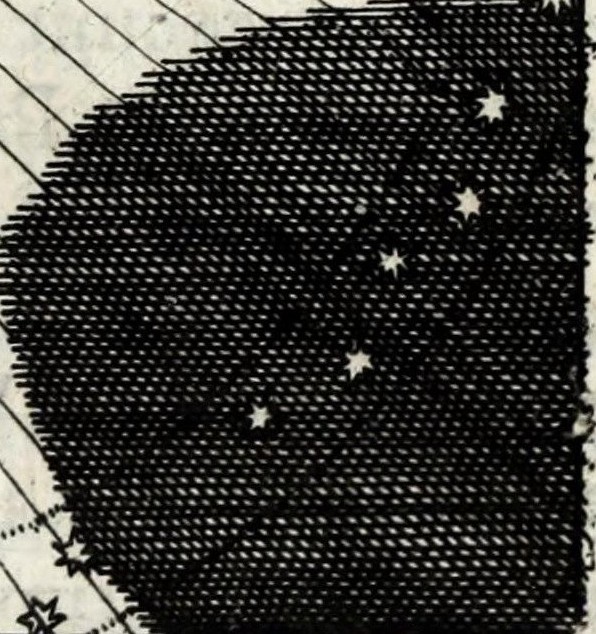
In plain words The shadow is the dark cone at the lower right with stars showing through it, and the moon sits at its edge. Maier says the shadow is the cheapest thing there is and has been useful to astronomers; to the sages it is worth more, because the sun and its shadow together finish the gold-making work. The sun's absence is part of the sun's work.
Michael Maier, 1618 “Plura Sophis sed dona dedit SOL, ejus & umbra, / Aurifera quoniam perficit artis opus.”
Symbolica Maier's Latin, put into English here: But the SUN and his shadow have given more gifts to the Sages, since it completes the gold-bearing work of the art.
Also carrying the Heavens
61 works carry it. The 6 where it is the central motif are here. The symbol.
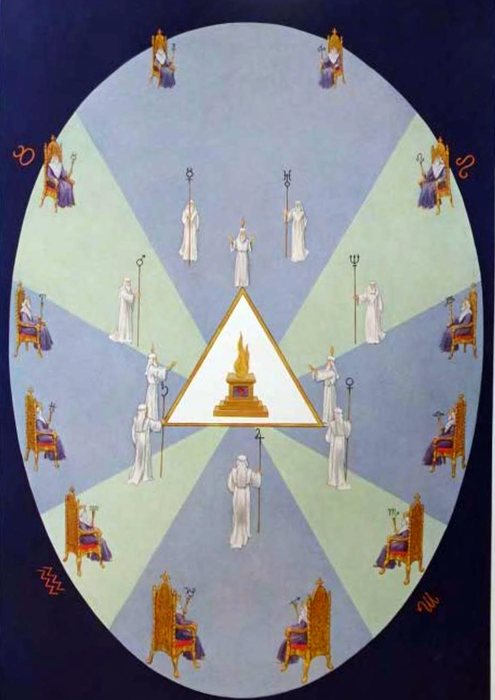
Where the detail is the subject
This is in the picture without being what it is about. Below, one work that is about it.
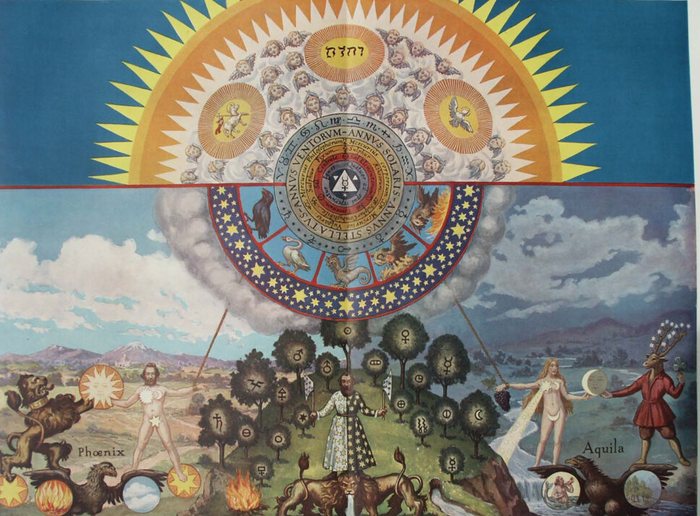
In the same series
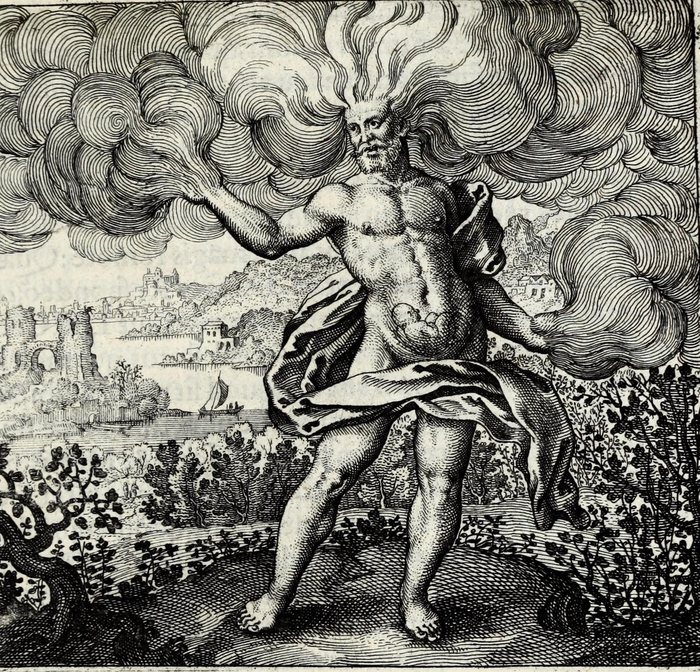 Portavit eum ventus in ventre suo
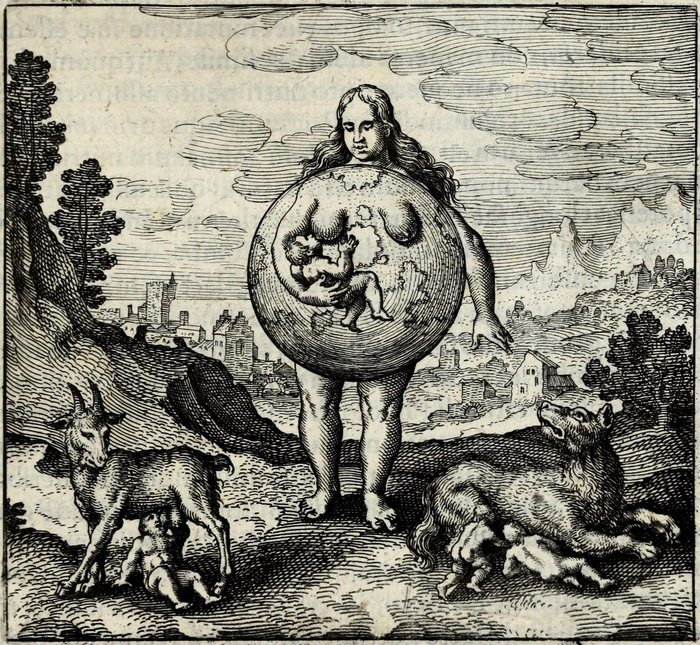 Nutrix ejus terra est
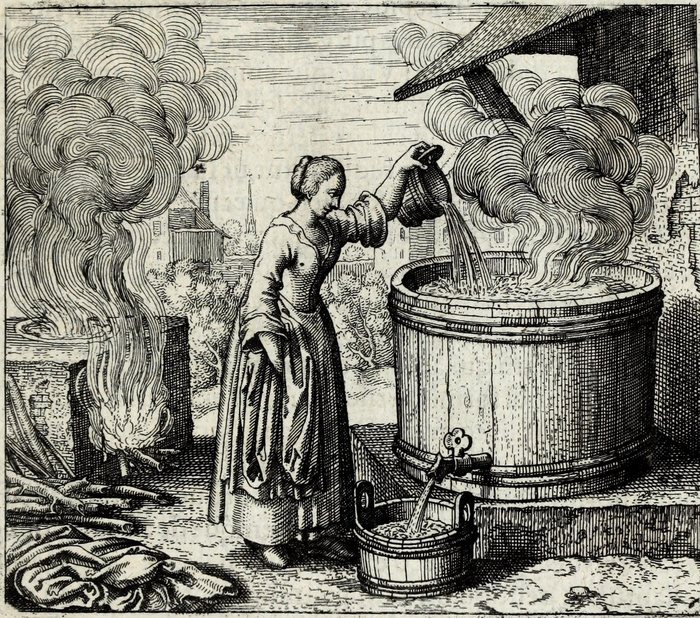 Vade ad mulierem lavantem pannos, tu fac similiter
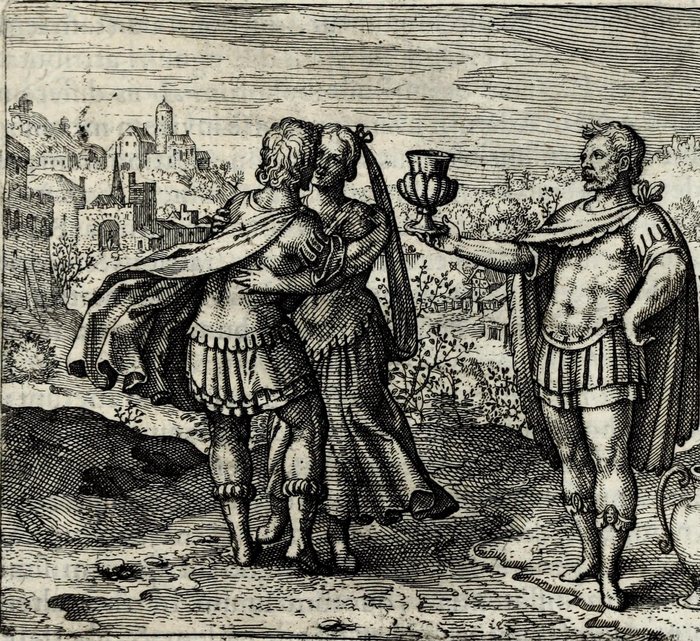 Conjunge fratrem cum sorore & propina illis poculum amoris
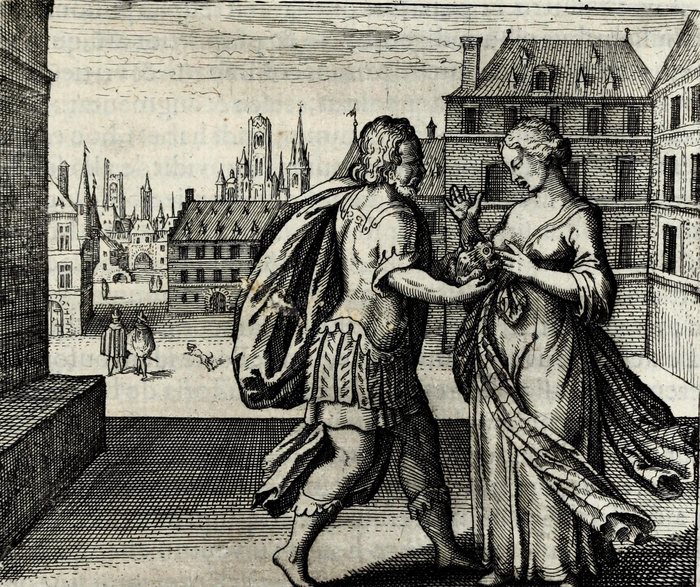 Appone mulieri super mammas bufonem, ut ablactet eum, & moriatur mulier, sitque bufo grossus de lacte
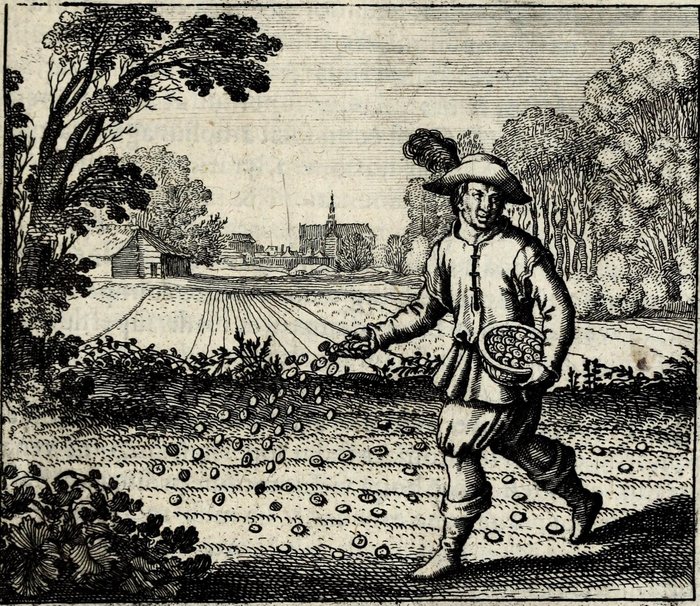 Seminate aurum vestrum in terram albam foliatam
Record
One symbol a week, decoded.
This picture is free at full size from its source, linked above. What an address gets is the Sunday letter: one picture, one symbol marked on it, what it meant and who said so, and the master files of the decoded plates as they are verified. Leave any time.
Free, one letter a week, unsubscribe in one click. How the address is used.
Scroll or pinch to zoom · drag to move · double-tap for 1:1 · 1355 by 1320 pixel web copy; the source file is linked under Record