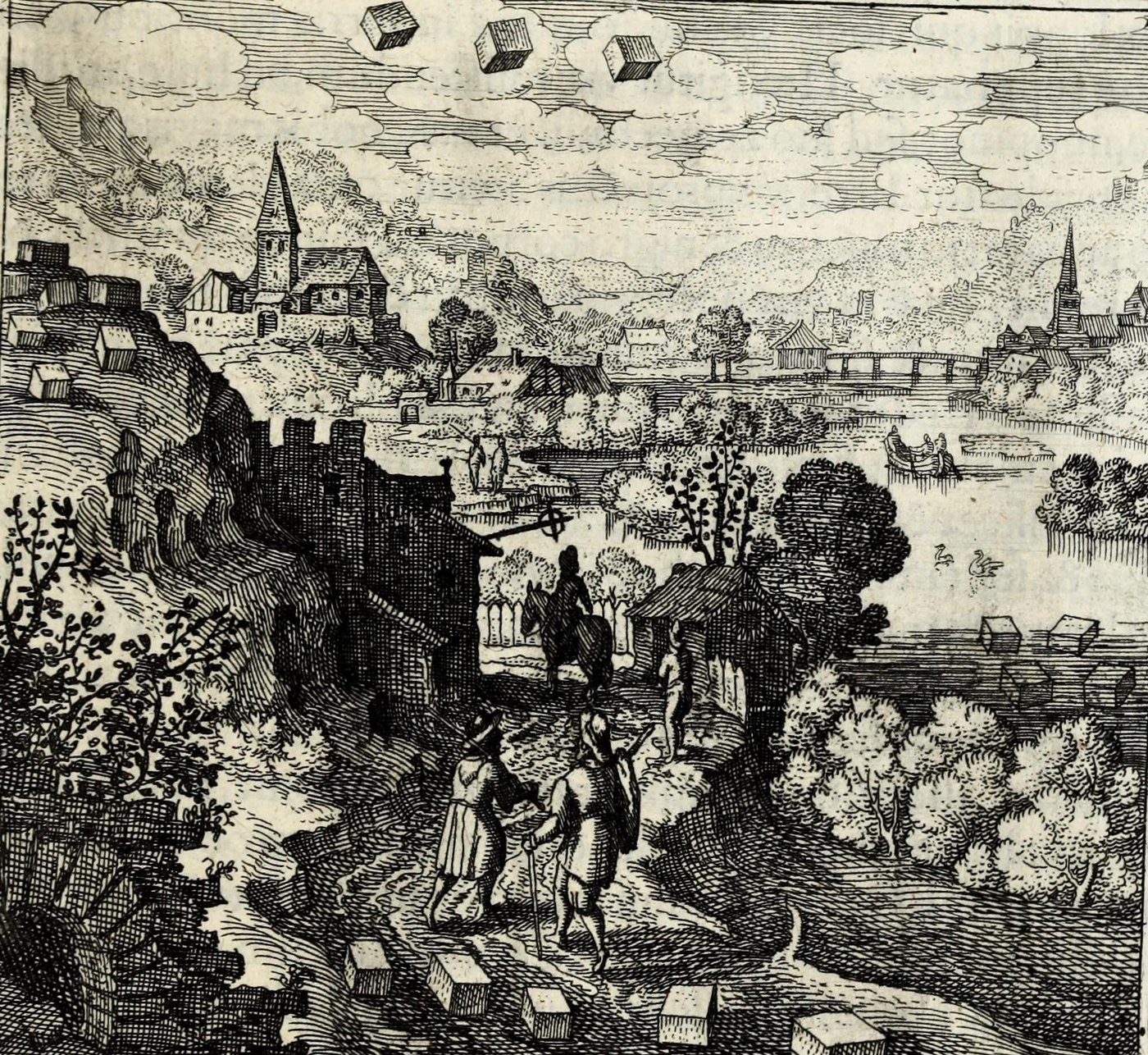
Lapis projectus est in terras, & in montibus exaltatus, & in aëre habitat, & in flumine pascitur, id est, Mercurius
The stone as the central motif, filed under the Heavens, with the Water in a secondary part. From Atalanta Fugiens.
What is happening
Michael Maier, 1618 “Lapis projectus est in terras, & in montibus exaltatus, & in aëre habitat, & in flumine pascitur, id est, Mercurius.”
Symbolica, 2026 Maier’s Latin, put into English here: The stone is thrown on the earth, raised on the mountains, lives in the air and feeds in the river.
Michael Maier, 1618 “Vile recrementum fertur LAPIS atque jacere
Forte viis, sibi ut hinc dives inopsque parent.
Montibus in summis alii statuere, per auras
Aeris, at pasci per fluvios alii.
Omnia vera suo sunt sensu, postulo sed te
Munera montanis quaerere tanta locis.”
Symbolica, 2026 Maier’s epigram, put into English here: The STONE is said to be a cheap sweeping, lying by chance in the roads, so that rich and poor alike may get it from there. Others have placed it on the highest mountains, in the airs of the sky, and others say it is fed by rivers. All of these are true in their own sense, but I ask you to look for so great a gift in mountain places.
Key · 2 motifs
Tap a motif on the picture, or a line below. Its note opens under the line, with the reading its author gave it.
- Primary motif
- Secondary motifs · 1
The picture
Stones falling out of the sky over a river valley; the archive has no group for the stone and files this with the heavens they fall from. By eye
The reading
The picture read whole, in the archive's words, from the sources quoted on the marks. Read on, and the picture follows: the motif under discussion keeps its colour.
‘Lapis projectus est in terras, & in montibus exaltatus, & in aëre habitat, & in flumine pascitur, id est, Mercurius’: the stone is thrown on the earth, raised on the mountains, lives in the air and feeds in the river, that is, Mercury. Merian's answer to a motto that puts the stone in four places at once was to draw stones falling out of the sky over a whole landscape, with more of them lying in the road at the bottom.
‘Vile recrementum fertur LAPIS atque jacere / Forte viis’, the stone is said to be a cheap sweeping, lying by chance in the roads, ‘sibi ut hinc dives inopsque parent’, so that rich and poor alike may get it from there. ‘Montibus in summis alii statuere, per auras / Aeris’, others have placed it on the highest mountains, in the airs of the sky. The stones in the clouds are the mountain and the air at once.
‘at pasci per fluvios alii’, and others say it is fed by rivers. The river below is the fourth place. ‘Omnia vera suo sunt sensu’, all of these are true in their own sense, Maier says, and then chooses: ‘postulo sed te / Munera montanis quaerere tanta locis’, but I ask you to look for so great a gift in mountain places. The archive has no group for a stone, and files the emblem with the heavens the stones fall from.
Decoded: every motif is marked, and each mark carries the reading its author gave it, quoted from the text, or says that it is observed on the picture and not read. The reading above is the archive's own, made from those sources and no others.
A diagram of everything, drawn so that a person can be found inside it. Note where the human figure stands in the scheme.
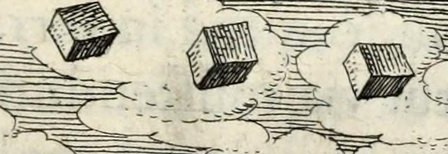
In plain words Square stones fall out of the clouds over a river valley. They are the stone of the motto, which the sayings put everywhere at once: thrown on the earth, raised on the mountains, living in the air, fed in the river. Maier says all of these are true in their own sense. The archive has no group for the stone and files the falling stones with the sky they fall from.
Michael Maier, 1618 “Montibus in summis alii statuere, per auras / Aeris, at pasci per fluvios alii.”
Symbolica Maier's Latin, put into English here: Others have placed it on the highest mountains, in the airs of the sky, and others say it is fed by rivers.
Where a thing is taken apart rather than destroyed. Note whether the figure is in the water, on it, or pouring it.
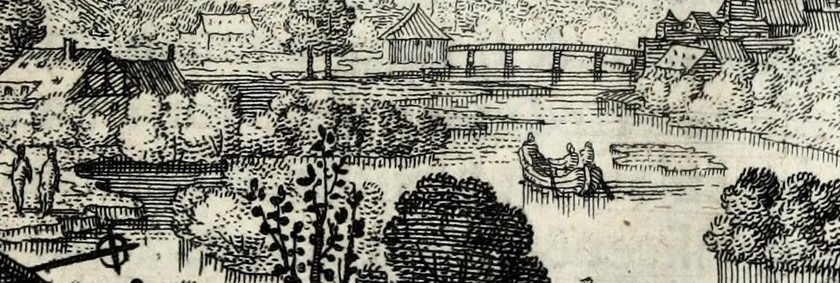
In plain words A river runs through the middle of the plate with a bridge and a town on it. It is the river the stone is said to feed in, one of the four places the sayings give it.
Michael Maier, 1618 “at pasci per fluvios alii”
Symbolica Maier's Latin, put into English here: and others say it is fed by rivers
Also carrying the Heavens
61 works carry it. The 6 where it is the central motif are here. The symbol.
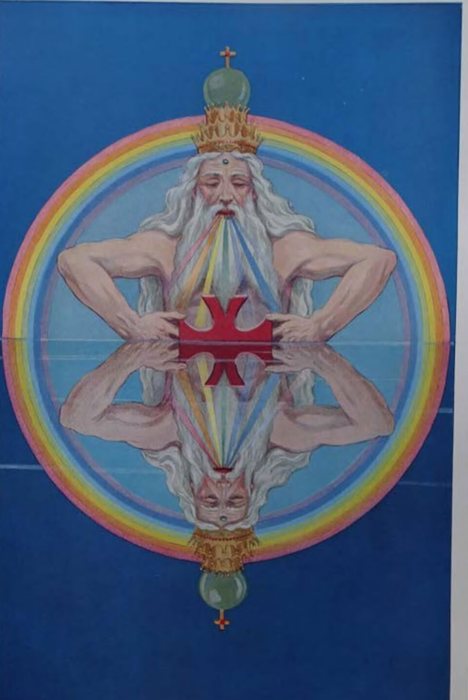
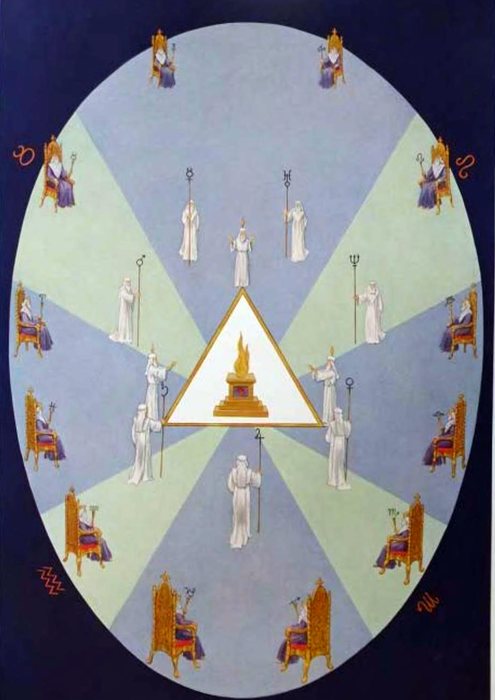
Where the detail is the subject
This is in the picture without being what it is about. Below, one work that is about it.
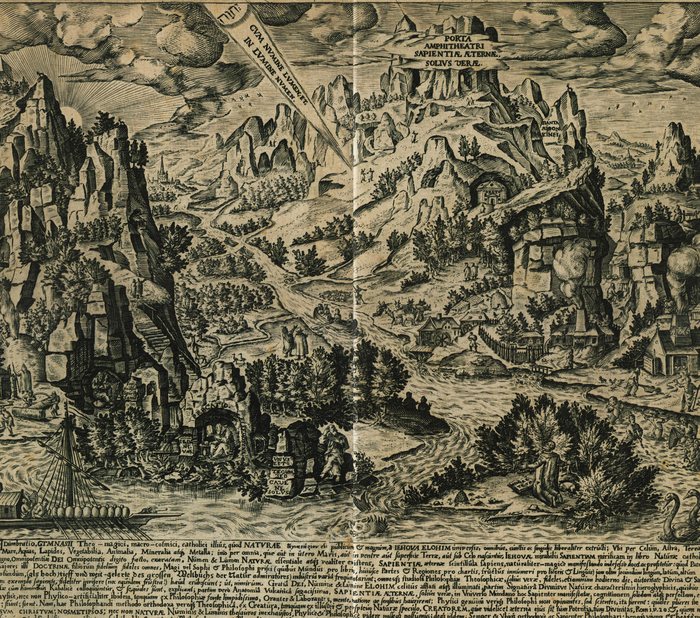
In the same series
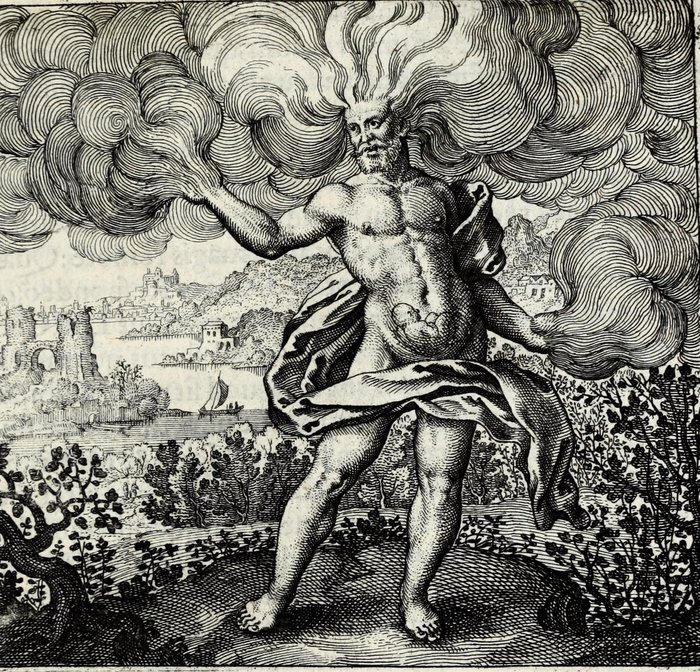 Portavit eum ventus in ventre suo
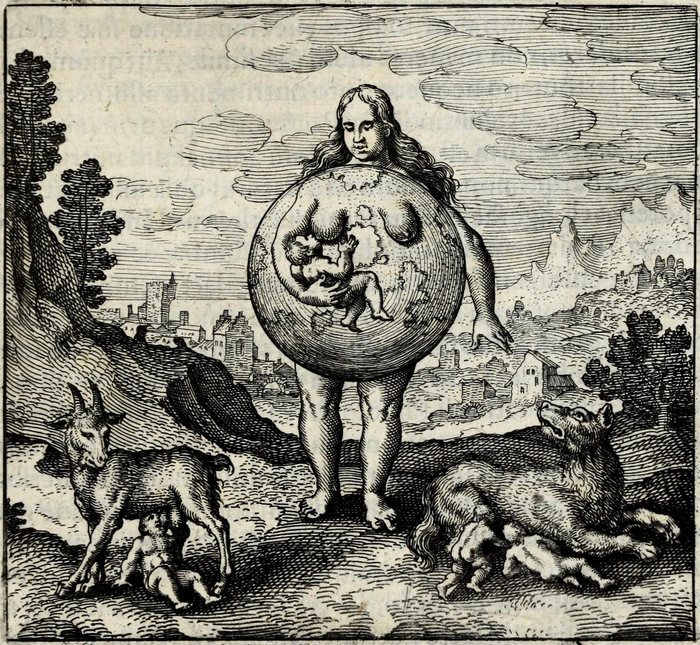 Nutrix ejus terra est
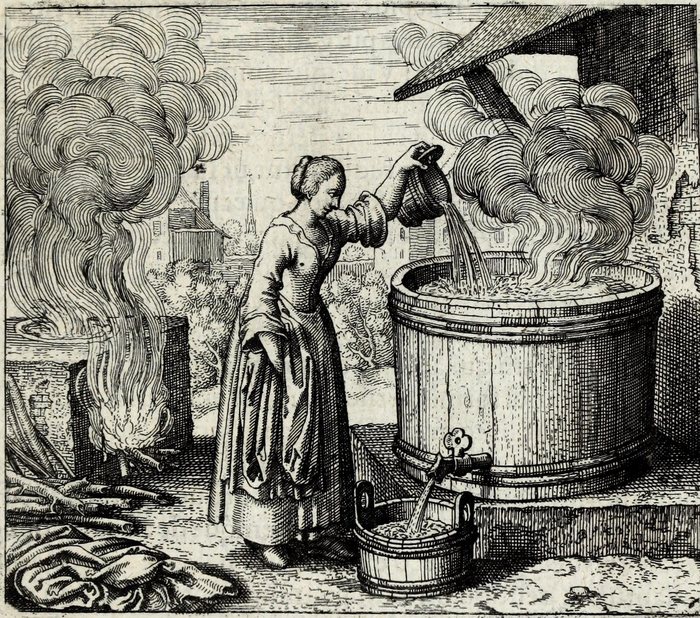 Vade ad mulierem lavantem pannos, tu fac similiter
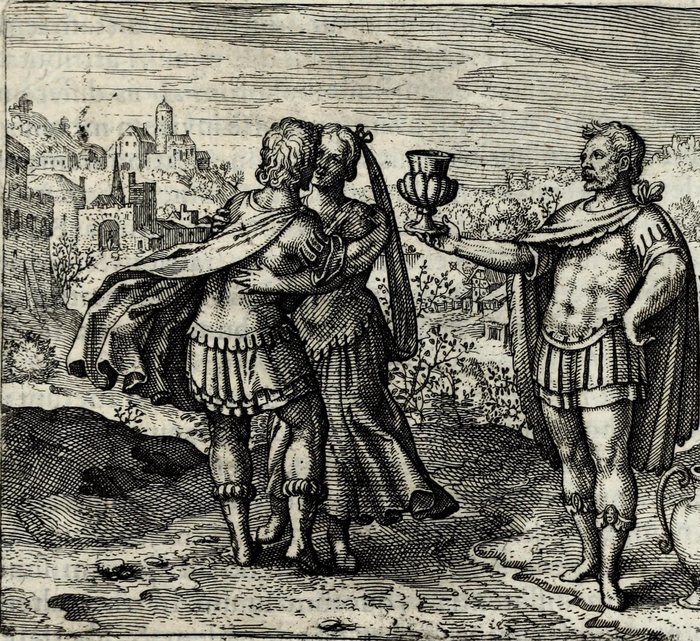 Conjunge fratrem cum sorore & propina illis poculum amoris
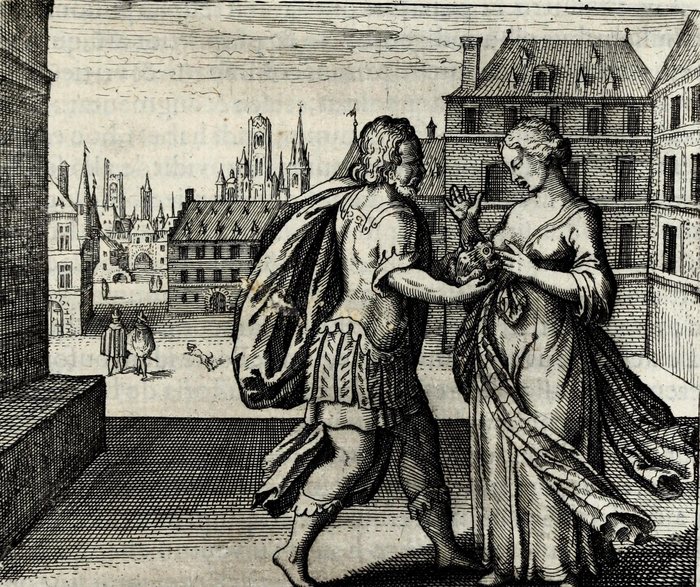 Appone mulieri super mammas bufonem, ut ablactet eum, & moriatur mulier, sitque bufo grossus de lacte
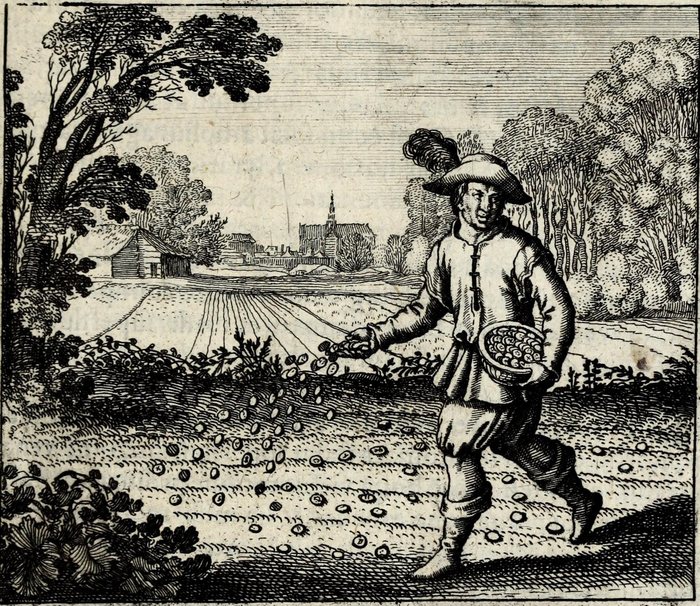 Seminate aurum vestrum in terram albam foliatam
Record
One symbol a week, decoded.
This picture is free at full size from its source, linked above. What an address gets is the Sunday letter: one picture, one symbol marked on it, what it meant and who said so, and the master files of the decoded plates as they are verified. Leave any time.
Free, one letter a week, unsubscribe in one click. How the address is used.
Scroll or pinch to zoom · drag to move · double-tap for 1:1 · 1400 by 1286 pixel web copy; the source file is linked under Record