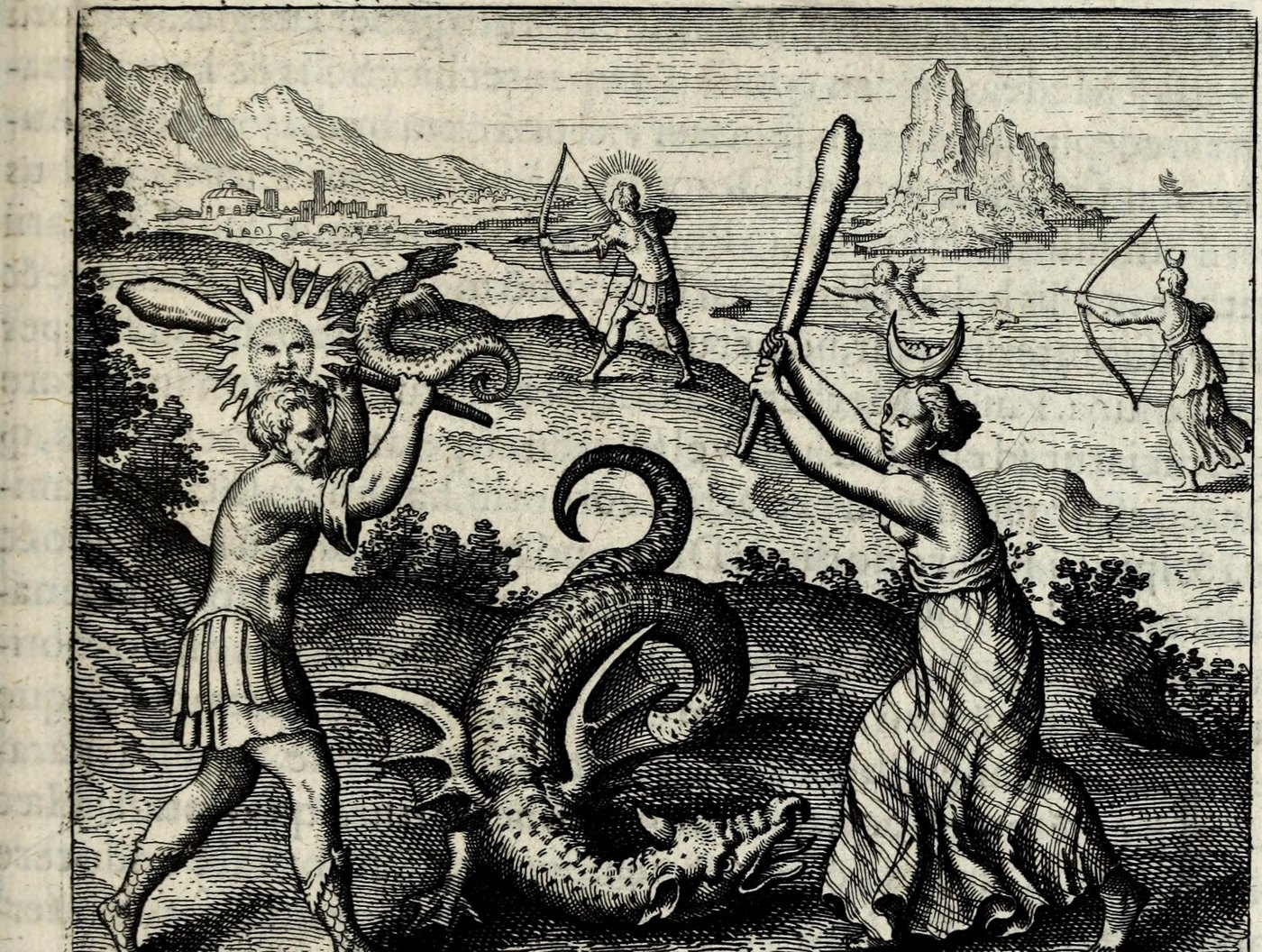
DRACO non moritur, nisi cum fratre & sorore sua interficiatur, qui sunt Sol & Luna
The Serpent and the Dragon as the central motif, with the Sun and the Moon in a secondary part. From Atalanta Fugiens.
What is happening
Michael Maier, 1618 “DRACO non moritur, nisi cum fratre & sorore sua interficiatur, qui sunt Sol & Luna.”
Symbolica, 2026 Maier’s Latin, put into English here: The dragon does not die unless killed with his brother and sister, who are the Sun and the Moon.
Michael Maier, 1618 “Exiguae est non artis opus, stravisse Draconem
Funere, ne serpat mox redivivus humo.
Frater & ipsa soror juncti simul illius ora
Fuste premunt, nec res fert aliena necem.
Phoebus ei frater, soror est at Cynthia, Python
Illa, ast Orion hac cecidere manu.”
Symbolica, 2026 Maier’s epigram, put into English here: It is no small work of art to lay the Dragon low in death, so that he does not soon creep the ground alive again. Brother and sister together press down his jaws with a club, and no foreign thing brings about his death. Phoebus is his brother and Cynthia his sister; Python fell by the one hand and Orion by the other.
Key · 2 motifs
Tap a motif on the picture, or a line below. Its note opens under the line, with the reading its author gave it.
- Primary motif
- Secondary motifs · 1
The picture
The serpent between the sun-headed and moon-headed figures, each raising a weapon. By eye
The reading
The picture read whole, in the archive's words, from the sources quoted on the marks. Read on, and the picture follows: the motif under discussion keeps its colour.
‘DRACO non moritur, nisi cum fratre & sorore sua interficiatur, qui sunt Sol & Luna’: the dragon does not die unless he is killed with his brother and sister, who are the Sun and the Moon. Merian drew the killing as a family scene: a man with the sun's face and a woman with the moon's, each raising a club over the beast between them, while Apollo and Diana shoot in the distance.
‘Exiguae est non artis opus, stravisse Draconem / Funere’, it is no small work of art to lay the dragon low in death, ‘ne serpat mox redivivus humo’, so that he does not soon creep the ground alive again. The dragon of the alchemists keeps coming back, and the emblem is about making a death stick.
‘Frater & ipsa soror juncti simul illius ora / Fuste premunt’, brother and sister together press down his jaws with a club, ‘nec res fert aliena necem’, and no foreign thing brings about his death. Then the names: ‘Phoebus ei frater, soror est at Cynthia’, Phoebus is his brother and Cynthia his sister, and the background gives their other victims, Python fallen to the one hand and Orion to the other. The weight of the emblem is on aliena: whatever kills the matter has to be its own kin, the sun and moon that are already in it.
Decoded: every motif is marked, and each mark carries the reading its author gave it, quoted from the text, or says that it is observed on the picture and not read. The reading above is the archive's own, made from those sources and no others.
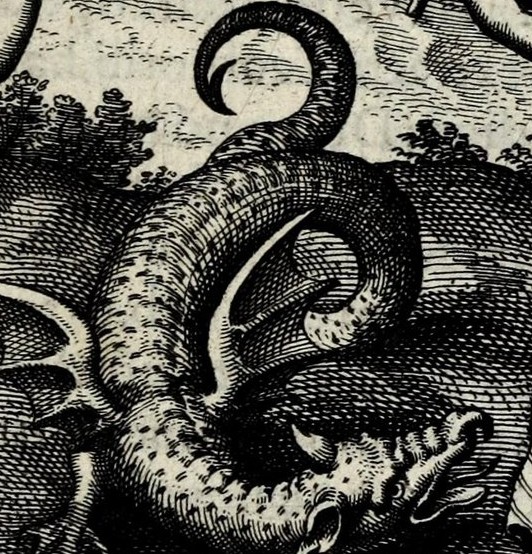
The alchemists' dragon is not an enemy. It is the matter, and it has to die three ways.
In plain words A dragon lies on the ground and two figures beat it with clubs. Maier says it is no small art to kill a dragon so that it does not come alive again; the trick is who does the killing, and only its own brother and sister can.
Michael Maier, 1618 “Exiguae est non artis opus, stravisse Draconem / Funere, ne serpat mox redivivus humo.”
Symbolica Maier's Latin, put into English here: It is no small work of art to lay the Dragon low in death, so that he does not soon creep the ground alive again.
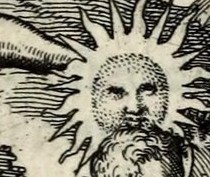
Gold, the perfected metal, and the illuminated intellect. The most overloaded symbol in the tradition.
In plain words The two with clubs have the sun and the moon for heads. They are the dragon's brother and sister, and Maier's rule is that nothing foreign can kill him: only they can. What dissolves the matter comes from inside the work.
Michael Maier, 1618 “Frater & ipsa soror juncti simul illius ora / Fuste premunt, nec res fert aliena necem.”
Symbolica Maier's Latin, put into English here: Brother and sister together press down his jaws with a club, and no foreign thing brings about his death.
Also carrying the Serpent and the Dragon
30 works carry it. The 6 where it is the central motif are here. The symbol.
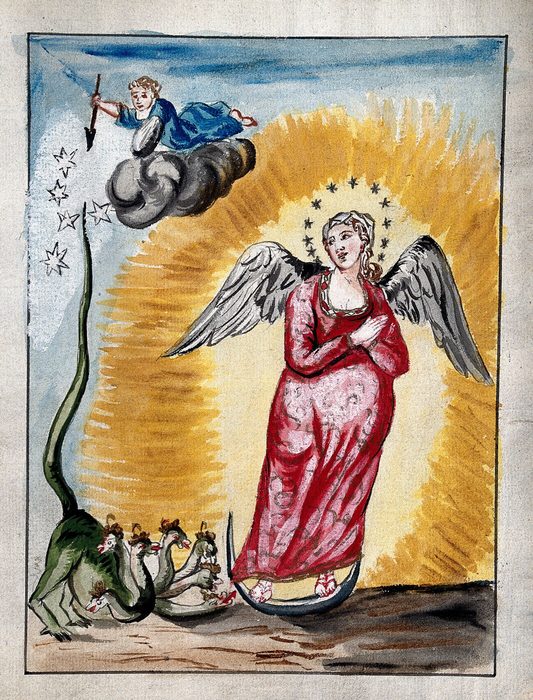
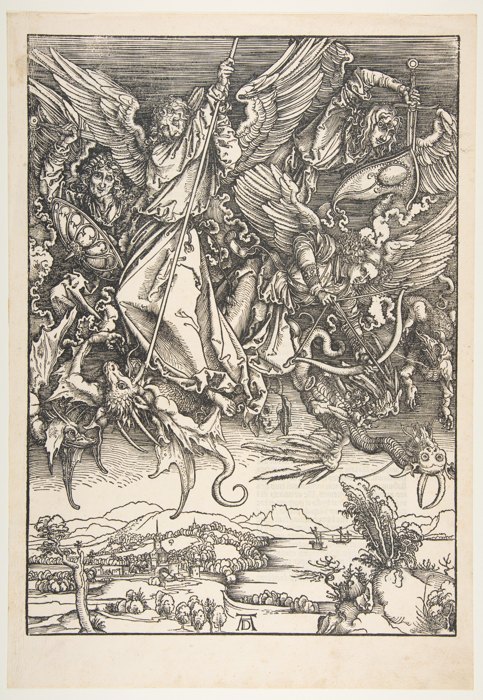
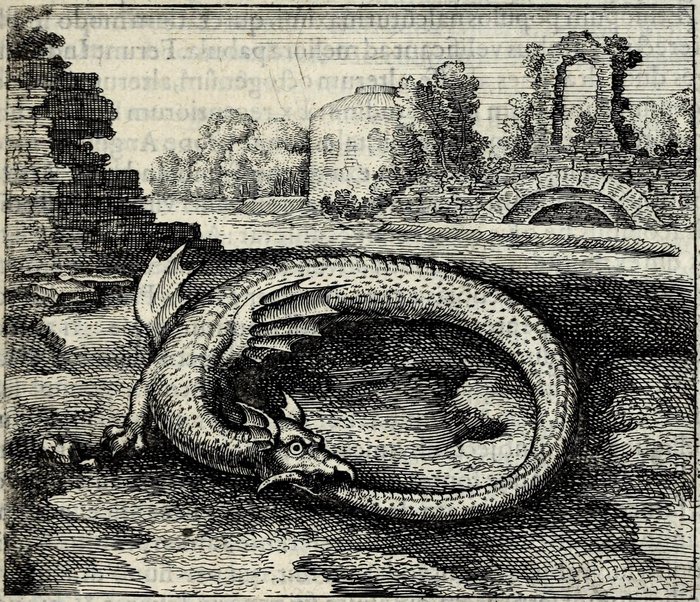
Where the detail is the subject
This is in the picture without being what it is about. Below, one work that is about it.
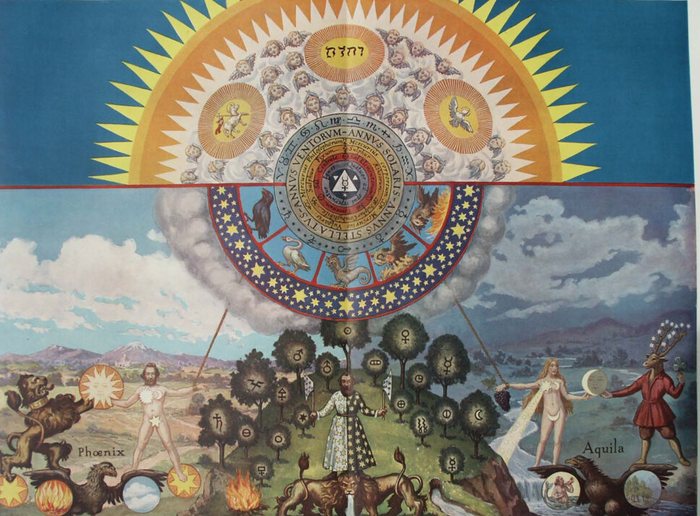
In the same series
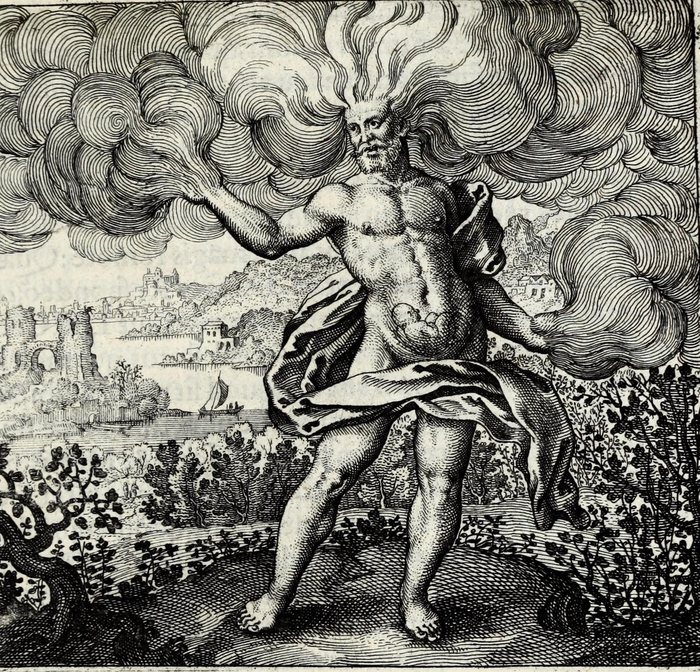 Portavit eum ventus in ventre suo
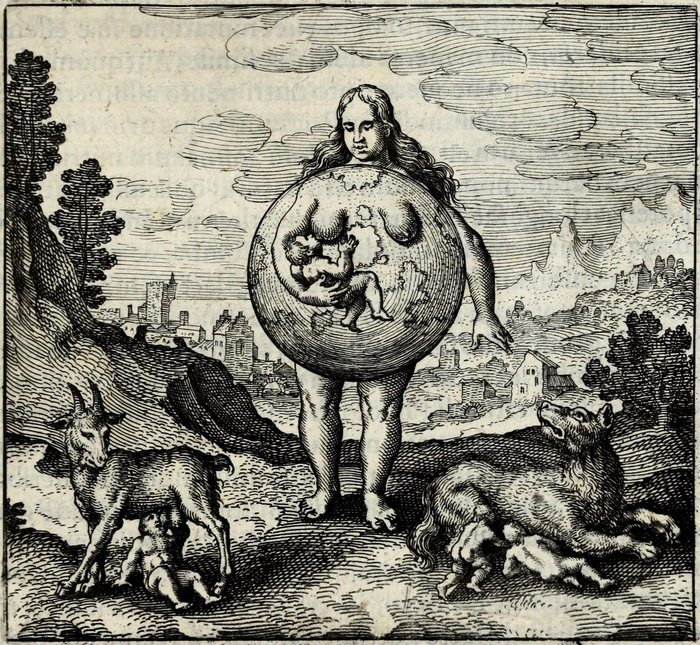 Nutrix ejus terra est
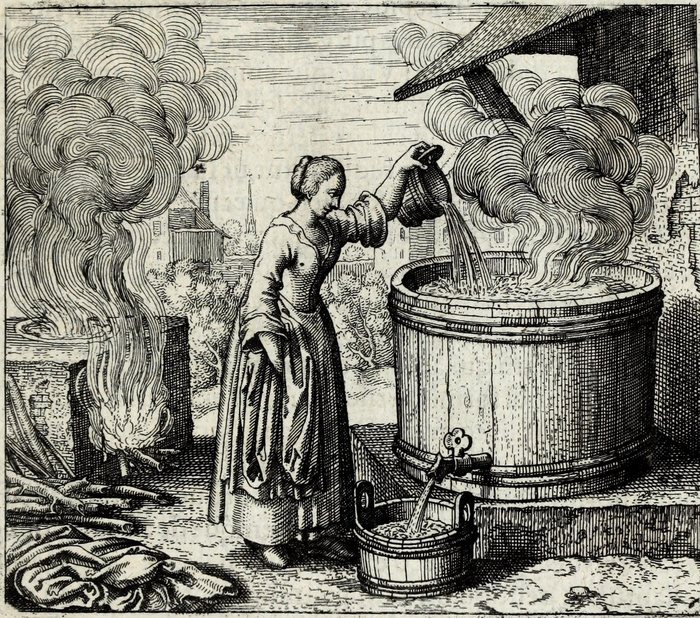 Vade ad mulierem lavantem pannos, tu fac similiter
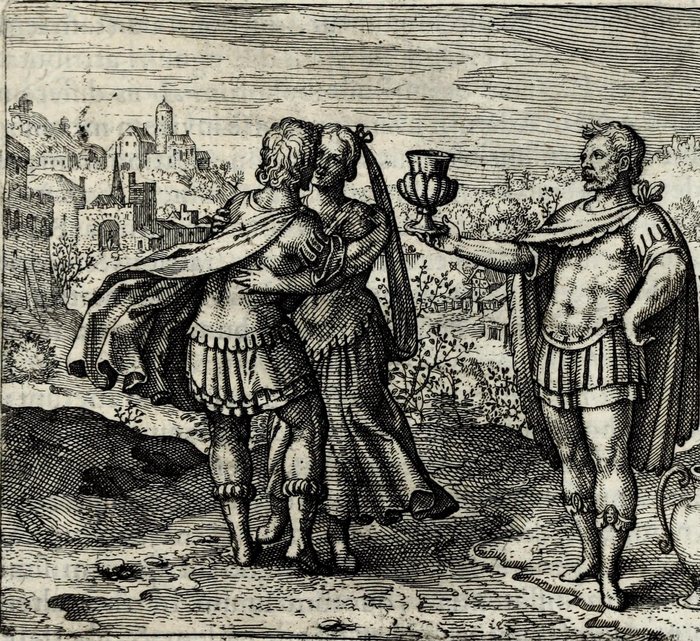 Conjunge fratrem cum sorore & propina illis poculum amoris
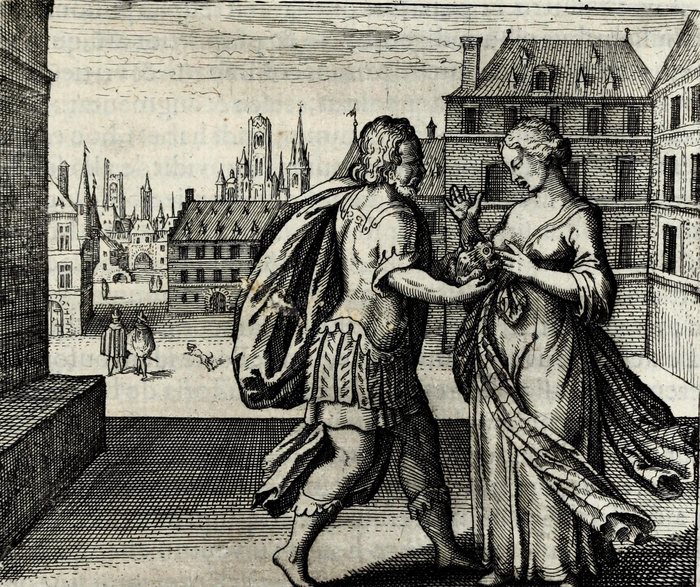 Appone mulieri super mammas bufonem, ut ablactet eum, & moriatur mulier, sitque bufo grossus de lacte
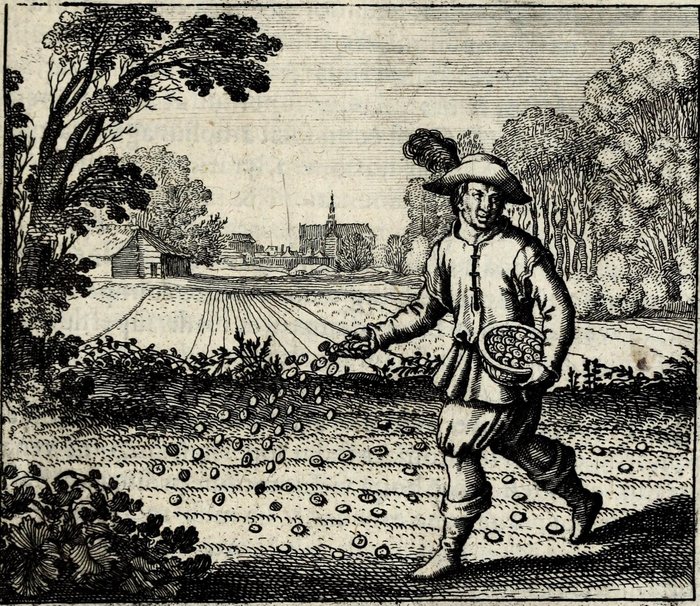 Seminate aurum vestrum in terram albam foliatam
Record
One symbol a week, decoded.
This picture is free at full size from its source, linked above. What an address gets is the Sunday letter: one picture, one symbol marked on it, what it meant and who said so, and the master files of the decoded plates as they are verified. Leave any time.
Free, one letter a week, unsubscribe in one click. How the address is used.
Scroll or pinch to zoom · drag to move · double-tap for 1:1 · 1400 by 1179 pixel web copy; the source file is linked under Record