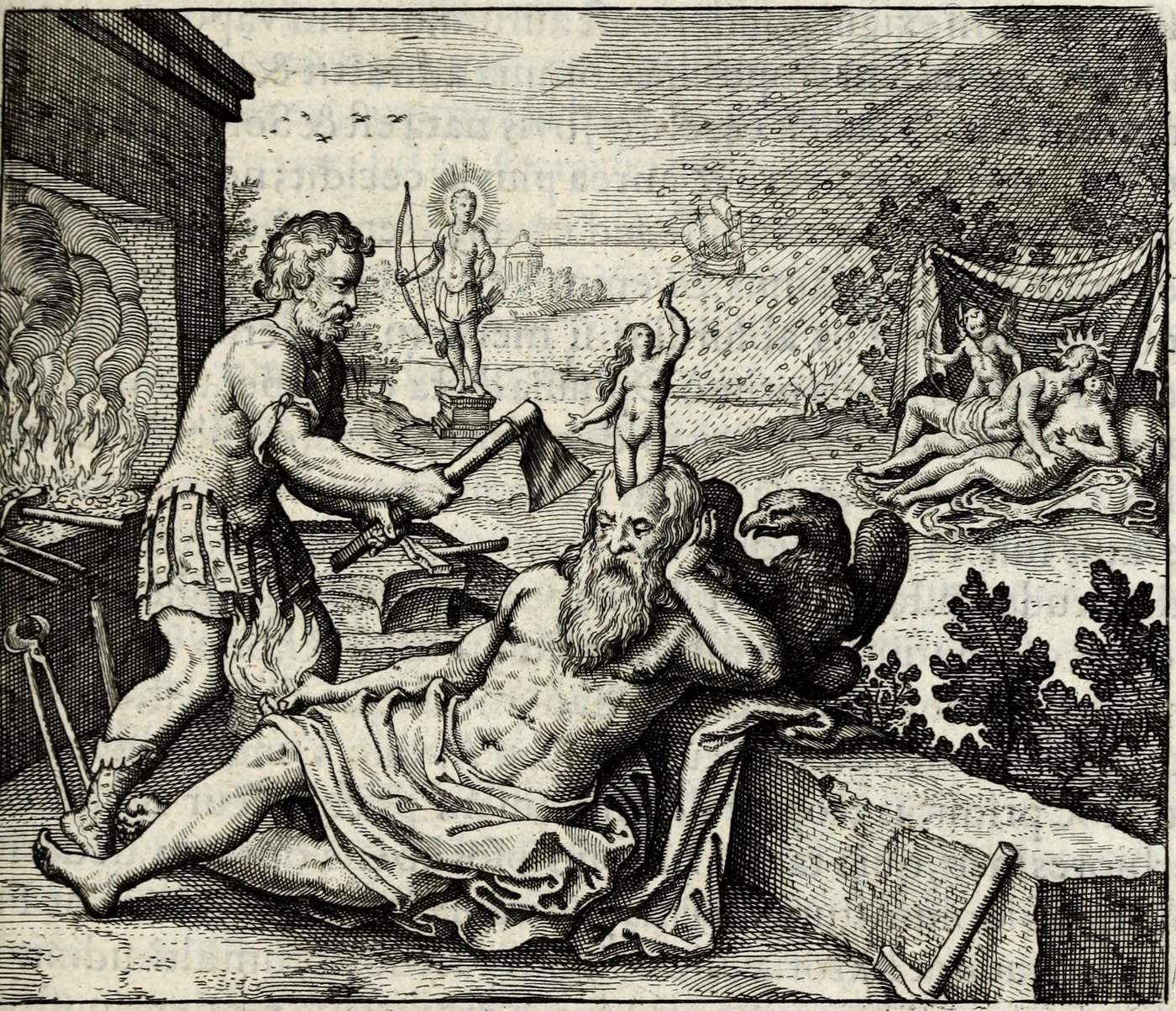
Aurum pluit, dum nascitur Pallas Rhodi, & Sol concumbit Veneri
The Divine as the central motif, with the Sun and the Moon in a secondary part. From Atalanta Fugiens.
What is happening
Michael Maier, 1618 “Aurum pluit, dum nascitur Pallas Rhodi, & Sol concumbit Veneri.”
Symbolica, 2026 Maier’s Latin, put into English here: Gold rains when Pallas is born at Rhodes and the Sun lies with Venus.
Michael Maier, 1618 “Res est mira, fidem fecit sed Graecia nobis
Ejus, apud Rhodios quae celebrata fuit.
Nubibus Aureolus, referunt, quod decidit imber,
Solubi erat Cypriae junctus amore Deae:
Tum quoque, cum Pallas cerebro Jovis excidit, aurum
Vase suo pluviae sic cadat instar aquae.”
Symbolica, 2026 Maier’s epigram, put into English here: It is a strange thing, but Greece made us believe it, the story kept among the Rhodians. A golden shower, they report, fell from the clouds, when the Sun was joined in love with the Cyprian Goddess. And at the time when Pallas sprang from the brain of Jove, gold fell in its vessel like rain water.
Key · 2 motifs
Tap a motif on the picture, or a line below. Its note opens under the line, with the reading its author gave it.
- Primary motif
- Secondary motifs · 1
The picture
The smith at his anvil, Pallas born in the sky behind, the lovers at the right. By eye
The reading
The picture read whole, in the archive's words, from the sources quoted on the marks. Read on, and the picture follows: the motif under discussion keeps its colour.
‘Aurum pluit, dum nascitur Pallas Rhodi, & Sol concumbit Veneri’: gold rains when Pallas is born at Rhodes and the Sun lies with Venus. Two stories on one plate, the birth at the left and the bed at the right, and a fire in the smithy behind them.
Maier admits the story is strange, ‘Res est mira, fidem fecit sed Graecia nobis’, but Greece made us believe it, the tale kept among the Rhodians.
‘Nubibus Aureolus, referunt, quod decidit imber’, a golden shower, they report, fell from the clouds, ‘Solubi erat Cypriae junctus amore Deae’, when the Sun was joined in love with the Cyprian goddess; the printer of 1618 ran Sol ubi into one word, and the archive keeps it as printed. The Sun is the man with rays round his head under the canopy, and Venus is beside him; in the work they are the two things whose union produces gold.
‘Tum quoque, cum Pallas cerebro Jovis excidit’, and at the time when Pallas sprang from the brain of Jove, ‘aurum / Vase suo pluviae sic cadat instar aquae’, gold fell in its vessel like rain water. Vulcan is the one with the axe, and the birth he assists is a birth out of the head: wisdom coming out of the god by force, and gold coming down with her. Two ways gold arrives, by love and by a blow, and Maier gives them one motto.
Decoded: every motif is marked, and each mark carries the reading its author gave it, quoted from the text, or says that it is observed on the picture and not read. The reading above is the archive's own, made from those sources and no others.
God shown, or pointed at. Look for what stands where a face would be: a name in a cloud, a circle above the top of a diagram, a ring of verses, a sign over a head.
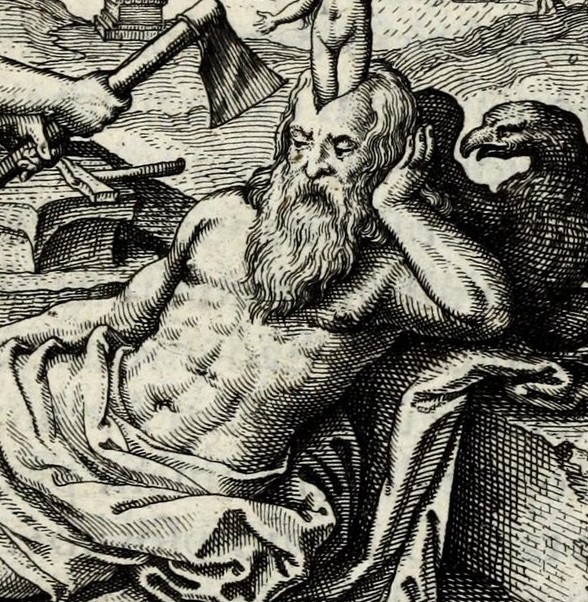
In plain words Vulcan with his axe stands over Jove, who lies back with his eagle beside him, and the small armed figure rising from Jove's head is Pallas being born. The gods are here for the golden rain: when Pallas sprang from the brain of Jove, gold fell like rain water.
Michael Maier, 1618 “Tum quoque, cum Pallas cerebro Jovis excidit, aurum / Vase suo pluviae sic cadat instar aquae.”
Symbolica Maier's Latin, put into English here: And at the time when Pallas sprang from the brain of Jove, gold fell in its vessel like rain water.
Gold, the perfected metal, and the illuminated intellect. The most overloaded symbol in the tradition.
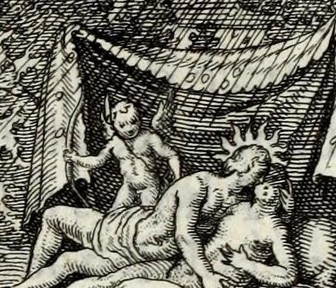
In plain words Under a canopy at the right the Sun, his head ringed with rays, lies with Venus. Maier's second occasion for the golden rain is this one: the sun joined in love with the Cyprian goddess. Gold falls when the sun and the goddess are together.
Michael Maier, 1618 “Nubibus Aureolus, referunt, quod decidit imber, / Solubi erat Cypriae junctus amore Deae:”
Symbolica Maier's Latin, put into English here: A golden shower, they report, fell from the clouds, when the Sun was joined in love with the Cyprian Goddess.
Also carrying the Divine
39 works carry it. The 6 where it is the central motif are here. The symbol.
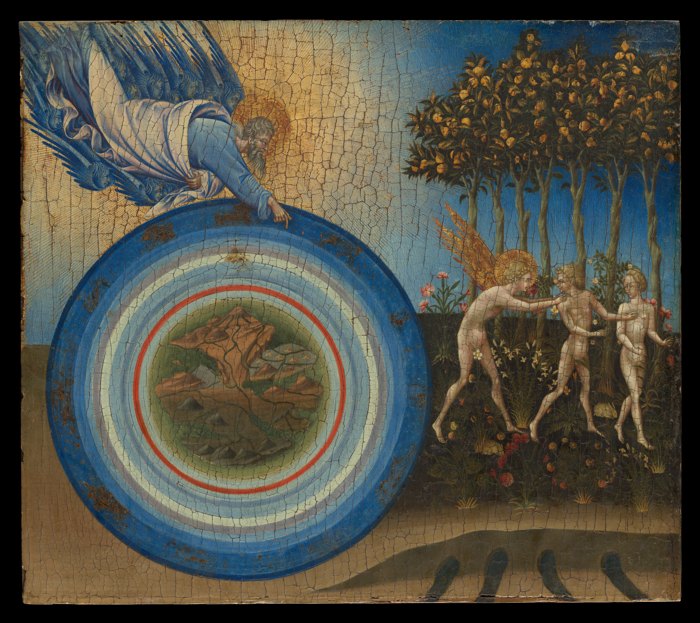
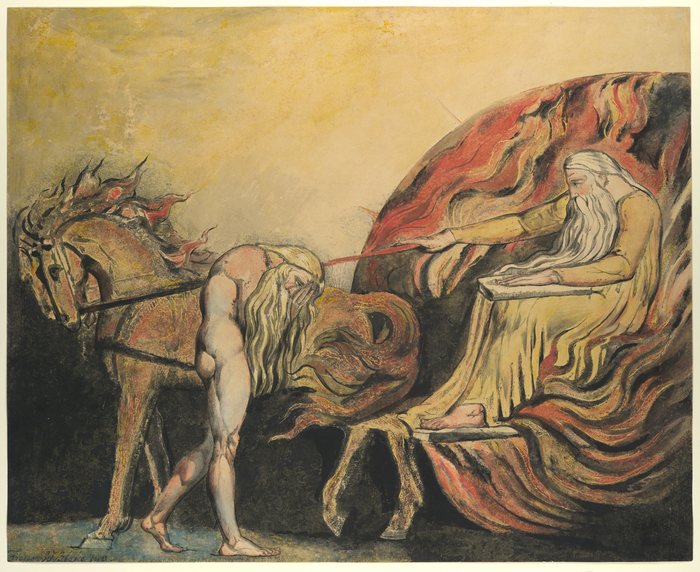
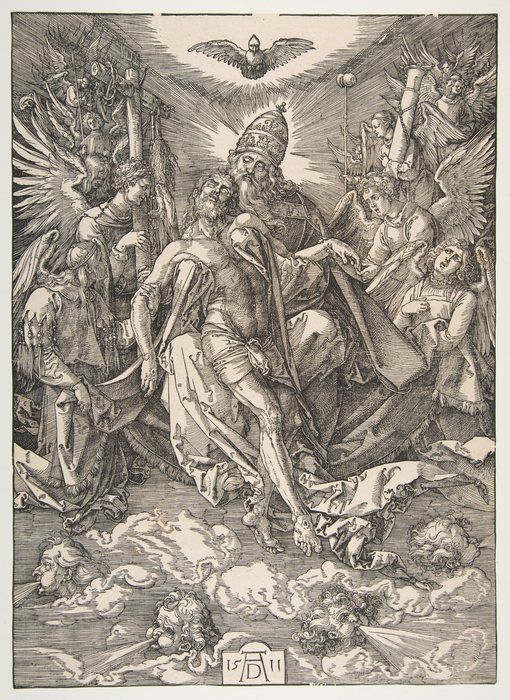
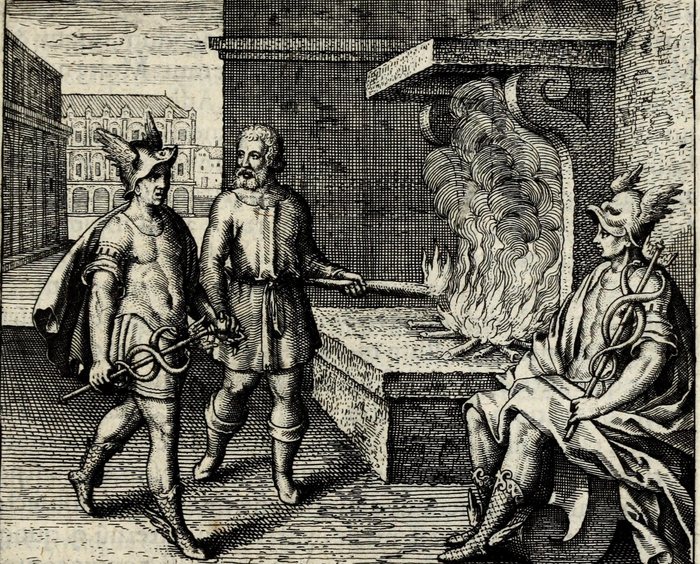
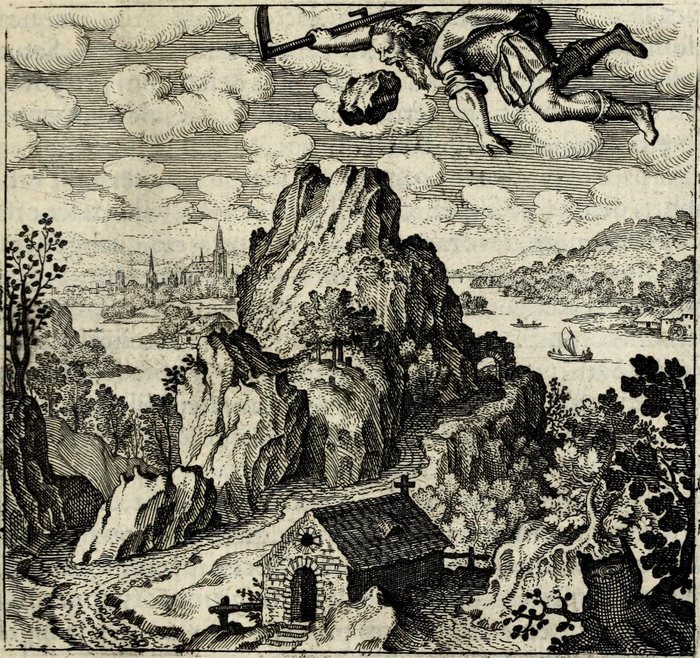
Where the detail is the subject
This is in the picture without being what it is about. Below, one work that is about it.
In the same series
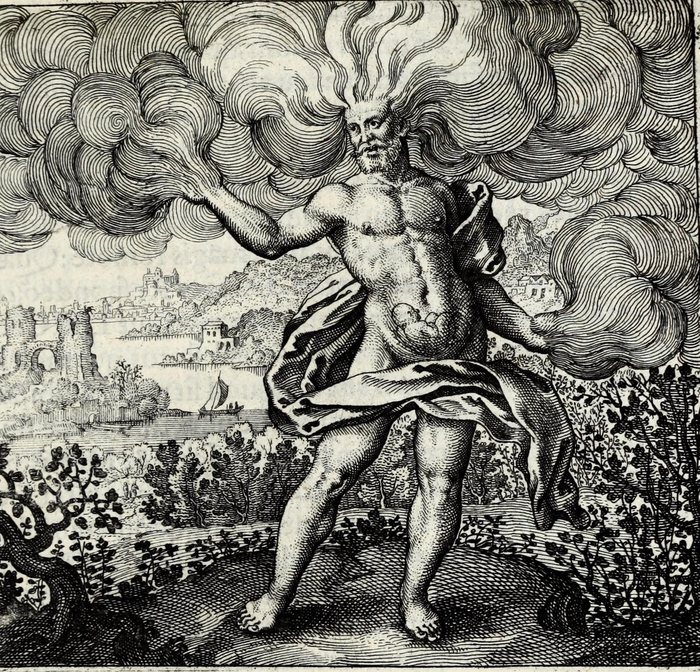 Portavit eum ventus in ventre suo
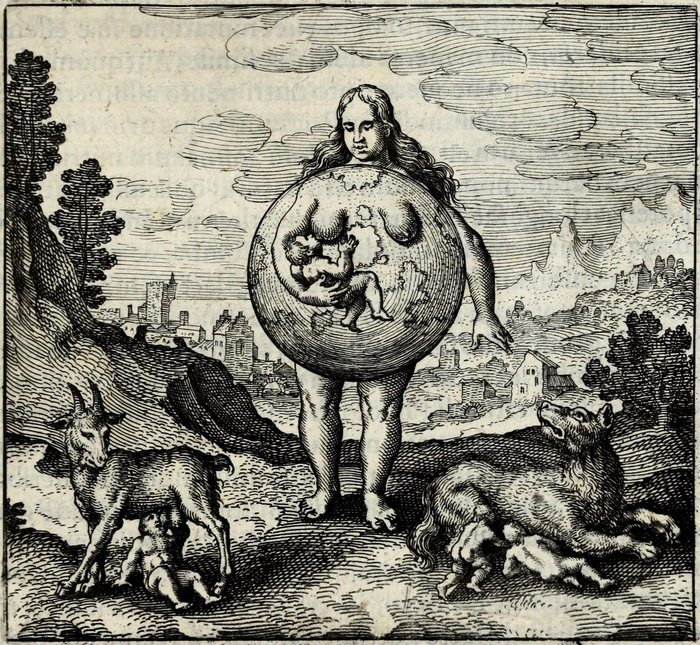 Nutrix ejus terra est
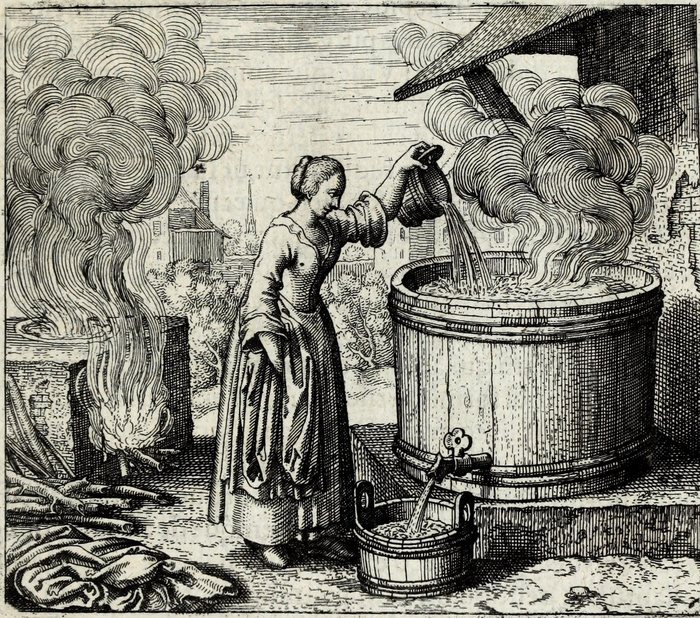 Vade ad mulierem lavantem pannos, tu fac similiter
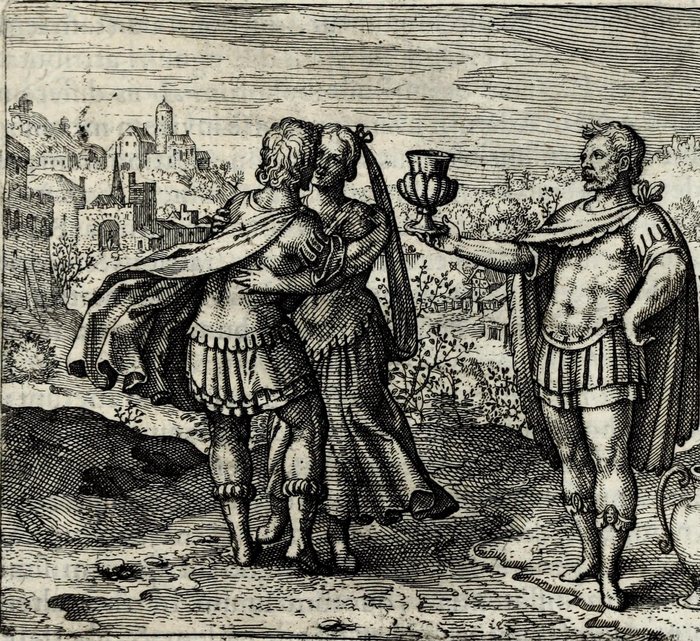 Conjunge fratrem cum sorore & propina illis poculum amoris
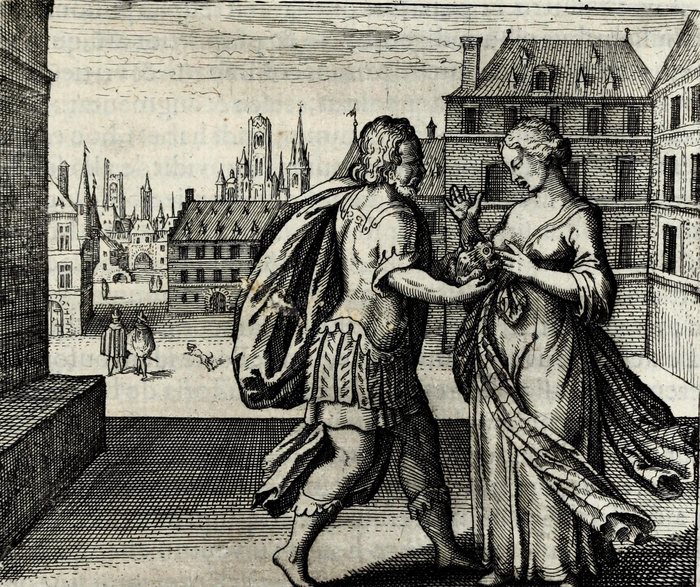 Appone mulieri super mammas bufonem, ut ablactet eum, & moriatur mulier, sitque bufo grossus de lacte
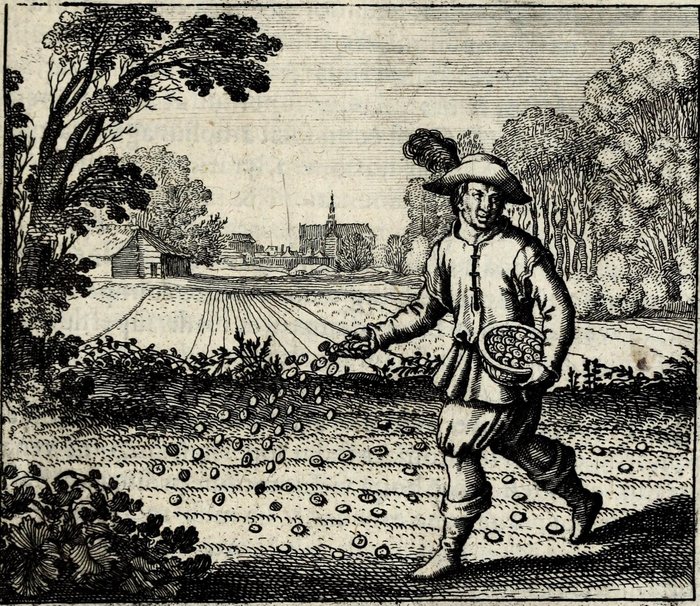 Seminate aurum vestrum in terram albam foliatam
Record
One symbol a week, decoded.
This picture is free at full size from its source, linked above. What an address gets is the Sunday letter: one picture, one symbol marked on it, what it meant and who said so, and the master files of the decoded plates as they are verified. Leave any time.
Free, one letter a week, unsubscribe in one click. How the address is used.
Scroll or pinch to zoom · drag to move · double-tap for 1:1 · 1400 by 1203 pixel web copy; the source file is linked under Record