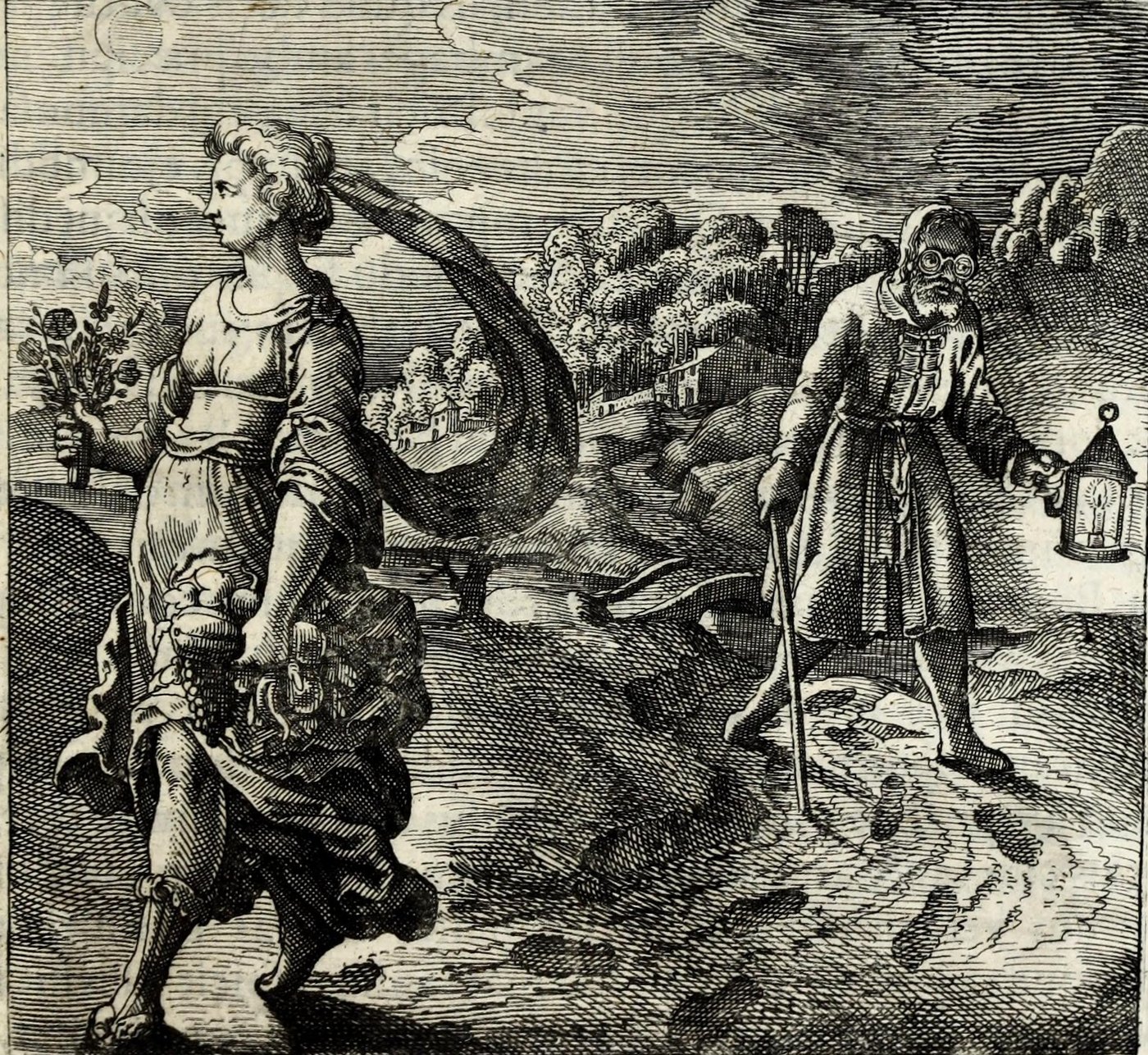
In Chymicis versanti Natura, Ratio, Experientia & lectio, sint Dux, scipio, perspicilia & lampas
The Hand as the central motif, with the Sun and the Moon in a secondary part. From Atalanta Fugiens.
What is happening
Michael Maier, 1618 “In Chymicis versanti Natura, Ratio, Experientia & lectio, sint Dux, scipio, perspicilia & lampas.”
Symbolica, 2026 Maier’s Latin, put into English here: In chemistry let nature, reason, experience and reading be your guide, staff, spectacles and lamp.
Michael Maier, 1618 “Dux Natura tibi, tuque arte pedissequus illi
Esto lubens, erras, ni comes ipsa viae est.
Det ratio scipionis opem, Experientia firmet
Lumina, quo possit cernere posta procul.
Lectio sit lampas tenebris dilucida, rerum
Verborumque strues providus ut caveas.”
Symbolica, 2026 Maier’s epigram, put into English here: Let Nature be your guide, and follow her willingly with your art, for you go astray unless she is your companion on the road. Let reason give you the help of a staff, let Experience strengthen your eyes so that you can see things placed far off. Let reading be a lamp bright in the dark, so that you may be careful of the heaps of things and of words.
Key · 2 motifs
Tap a motif on the picture, or a line below. Its note opens under the line, with the reading its author gave it.
- Primary motif
- Secondary motifs · 1
The picture
Nature walking ahead with flowers in her hand and fruit in her skirt, the old man following her with spectacles, a staff and a lantern, under a crescent moon. By eye
The reading
The picture read whole, in the archive's words, from the sources quoted on the marks. Read on, and the picture follows: the motif under discussion keeps its colour.
‘In Chymicis versanti Natura, Ratio, Experientia & lectio, sint Dux, scipio, perspicilia & lampas’: for the man who works in chemistry, let nature, reason, experience and reading be his guide, his staff, his spectacles and his lamp. Merian drew the four as a night walk: a woman striding ahead with flowers in her hand and fruit gathered in her skirt, and an old man following her with a staff, spectacles on his nose and a lantern held out.
‘Dux Natura tibi, tuque arte pedissequus illi / Esto lubens’, let nature be your guide, and follow her willingly with your art, ‘erras, ni comes ipsa viae est’, for you go astray unless she is your companion on the road. She walks in front and does not look back.
‘Det ratio scipionis opem’, let reason give you the help of a staff; ‘Experientia firmet / Lumina’, let experience strengthen your eyes; and ‘Lectio sit lampas tenebris dilucida’, let reading be a lamp bright in the dark, ‘rerum / Verborumque strues providus ut caveas’, so that you may be careful of the heaps of things and of words. The lantern in the old man's hand is the book. The lantern has an entry of its own in this archive, and Maier's is the plainest statement of what it carries.
The moon over the scene makes it night, which the lamp requires. Four instruments for one walk, and the one in front, who carries nothing, is the only one who knows the way.
Decoded: every motif is marked, and each mark carries the reading its author gave it, quoted from the text, or says that it is observed on the picture and not read. The reading above is the archive's own, made from those sources and no others.
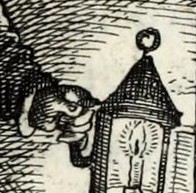
Light that is carried rather than received. The attribute of the Hermit, and of anyone who has to go into the dark on purpose.
In plain words The old man carries a lantern. In Maier's motto four things guide the chemist, and each has an object: nature is the guide, reason the staff, experience the spectacles, and reading the lamp. The lantern is reading, a light to carry in the dark so as not to trip over piles of things and words.
Michael Maier, 1618 “Lectio sit lampas tenebris dilucida, rerum / Verborumque strues providus ut caveas.”
Symbolica Maier's Latin, put into English here: Let reading be a lamp bright in the dark, so that you may be careful of the heaps of things and of words.

The borrowed light, the mother of the work, and the crescent a woman stands on. The one body here that every source explains against another.
In plain words A crescent moon hangs at the top left, so that the scene is at night. The lamp needs a dark to be bright in, and the moon supplies it.
Michael Maier, 1618 “Lectio sit lampas tenebris dilucida”
Symbolica Maier's Latin, put into English here: Let reading be a lamp bright in the dark
Also carrying the Hand
24 works carry it. The 4 where it is the central motif are here. The symbol.
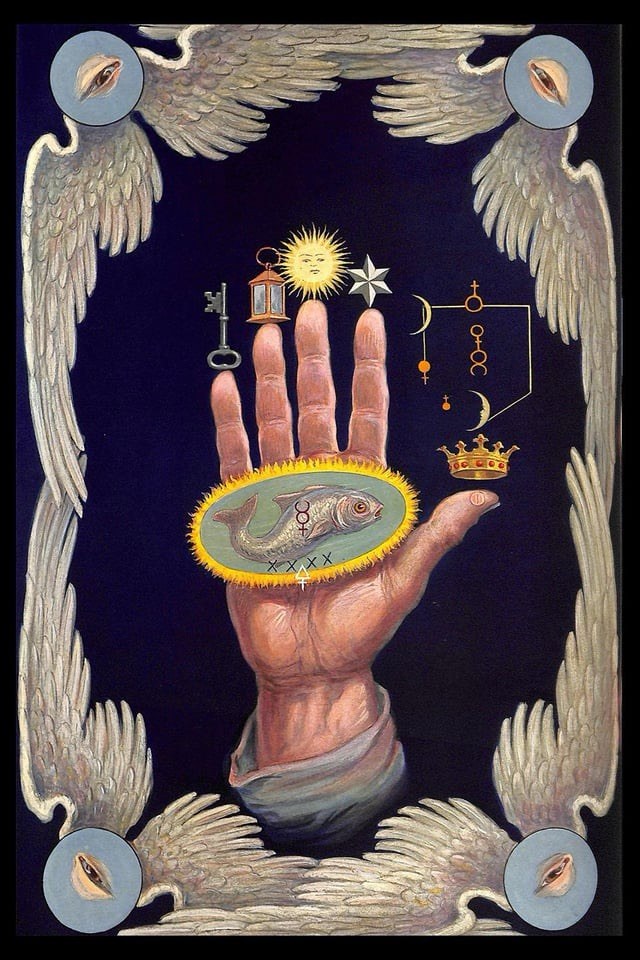
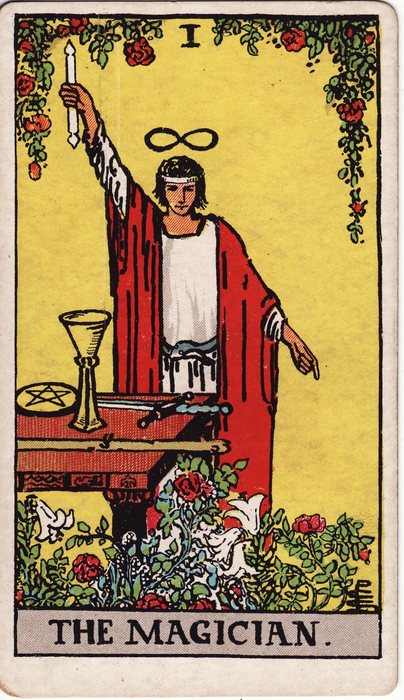
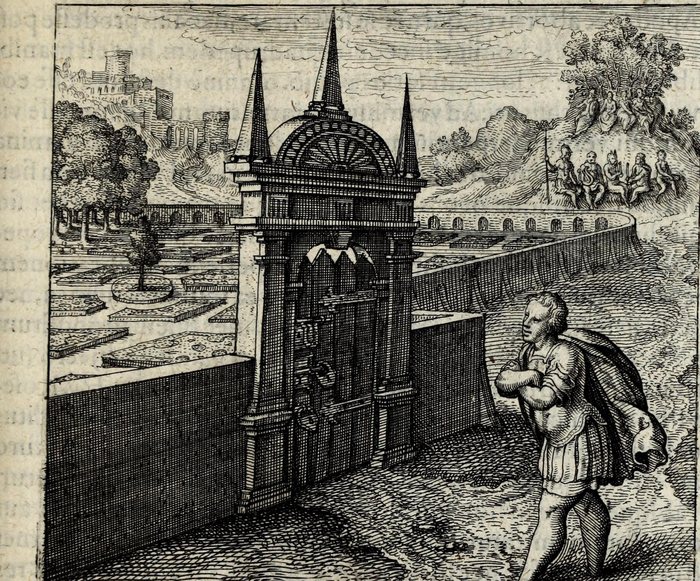
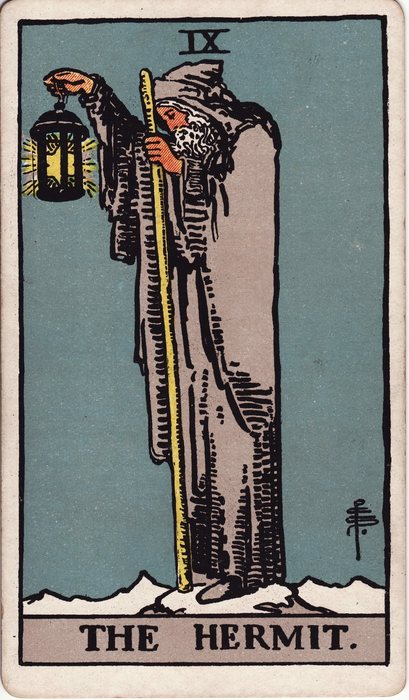
Where the detail is the subject
This is in the picture without being what it is about. Below, one work that is about it.
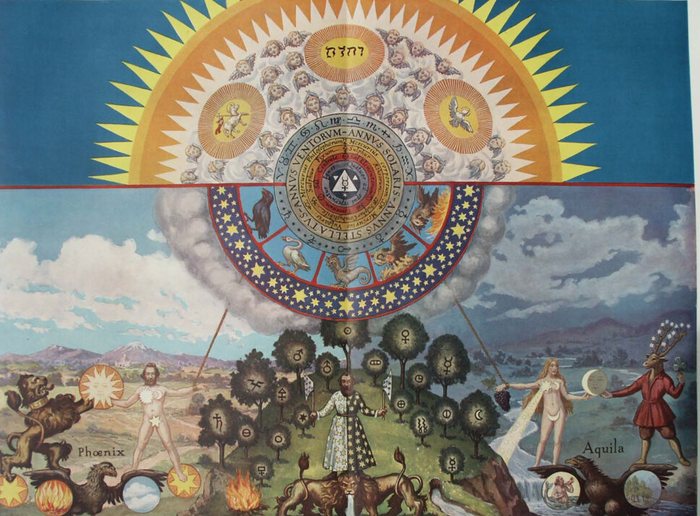
In the same series
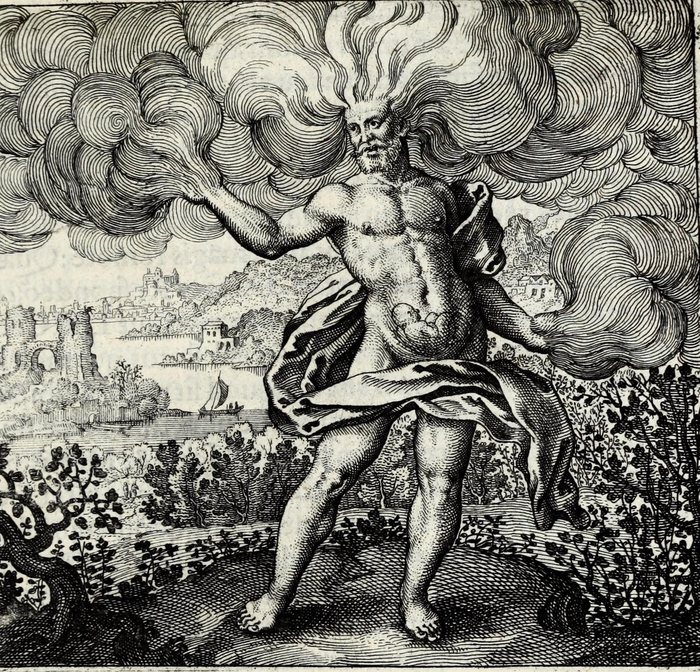 Portavit eum ventus in ventre suo
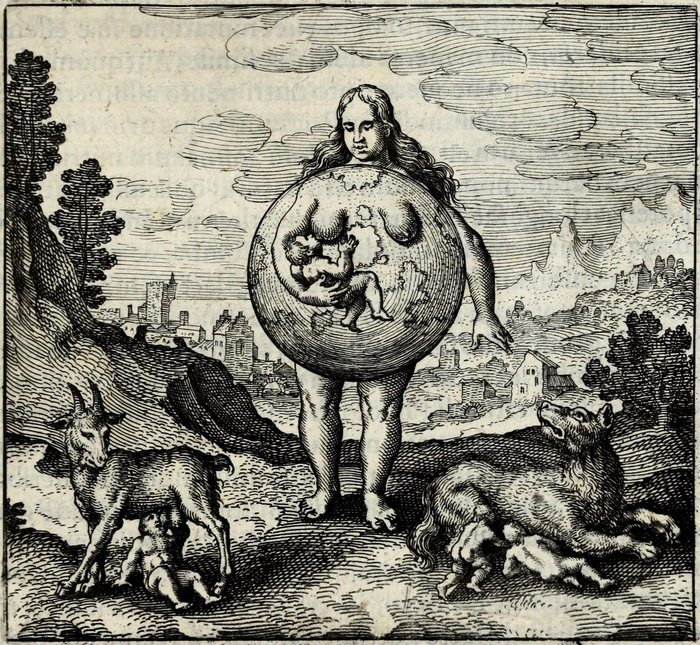 Nutrix ejus terra est
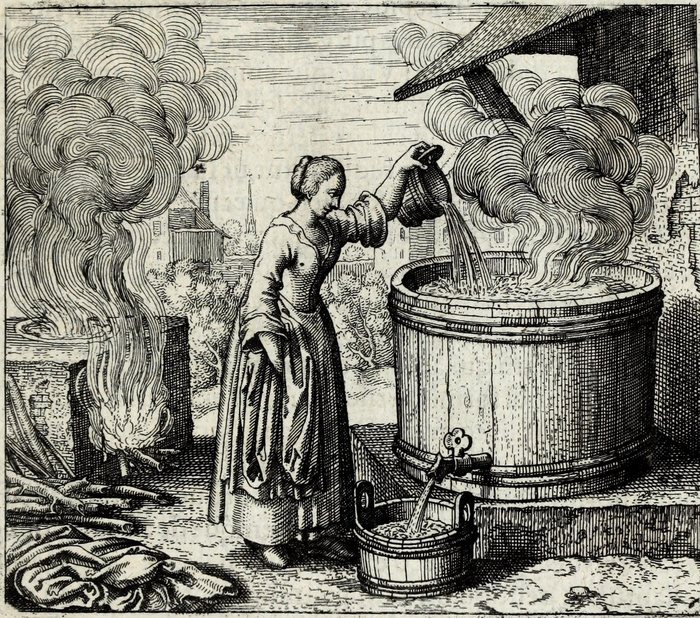 Vade ad mulierem lavantem pannos, tu fac similiter
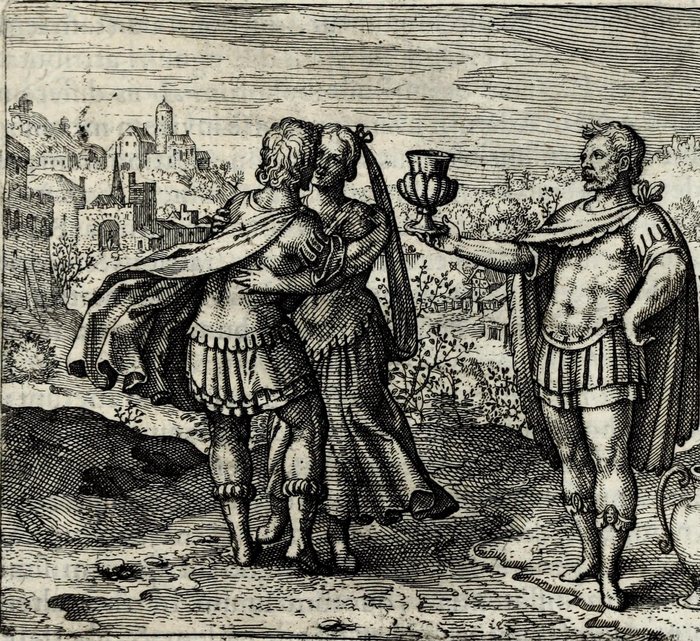 Conjunge fratrem cum sorore & propina illis poculum amoris
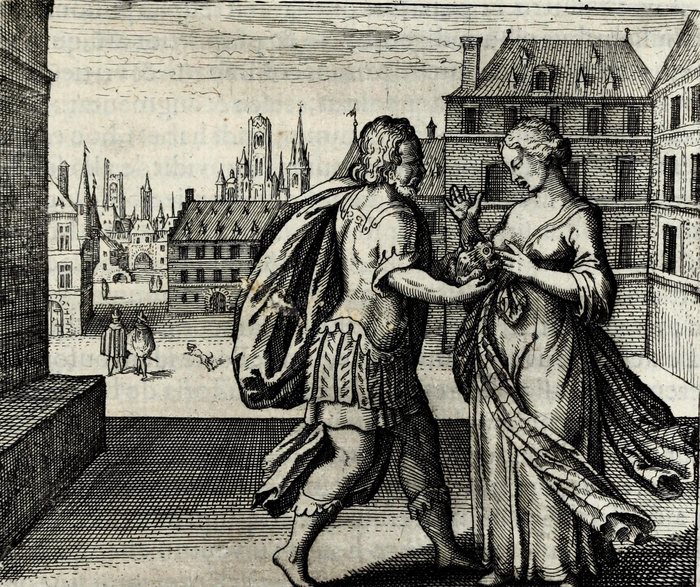 Appone mulieri super mammas bufonem, ut ablactet eum, & moriatur mulier, sitque bufo grossus de lacte
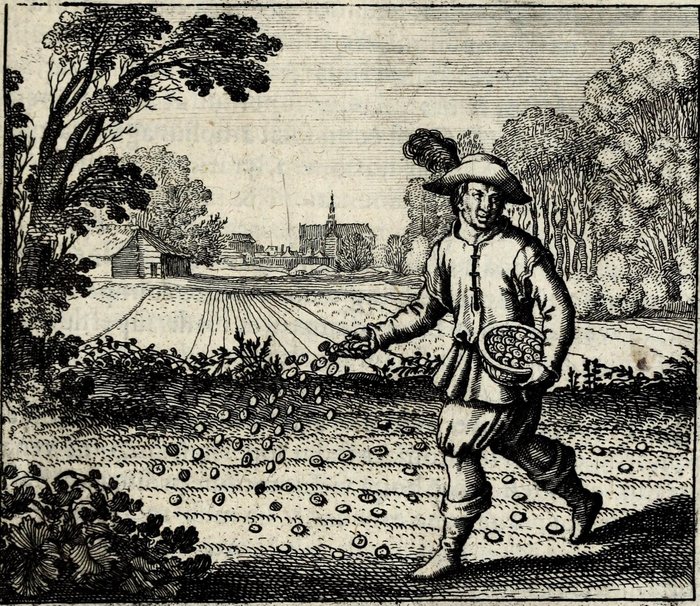 Seminate aurum vestrum in terram albam foliatam
Record
One symbol a week, decoded.
This picture is free at full size from its source, linked above. What an address gets is the Sunday letter: one picture, one symbol marked on it, what it meant and who said so, and the master files of the decoded plates as they are verified. Leave any time.
Free, one letter a week, unsubscribe in one click. How the address is used.
Scroll or pinch to zoom · drag to move · double-tap for 1:1 · 1400 by 1286 pixel web copy; the source file is linked under Record