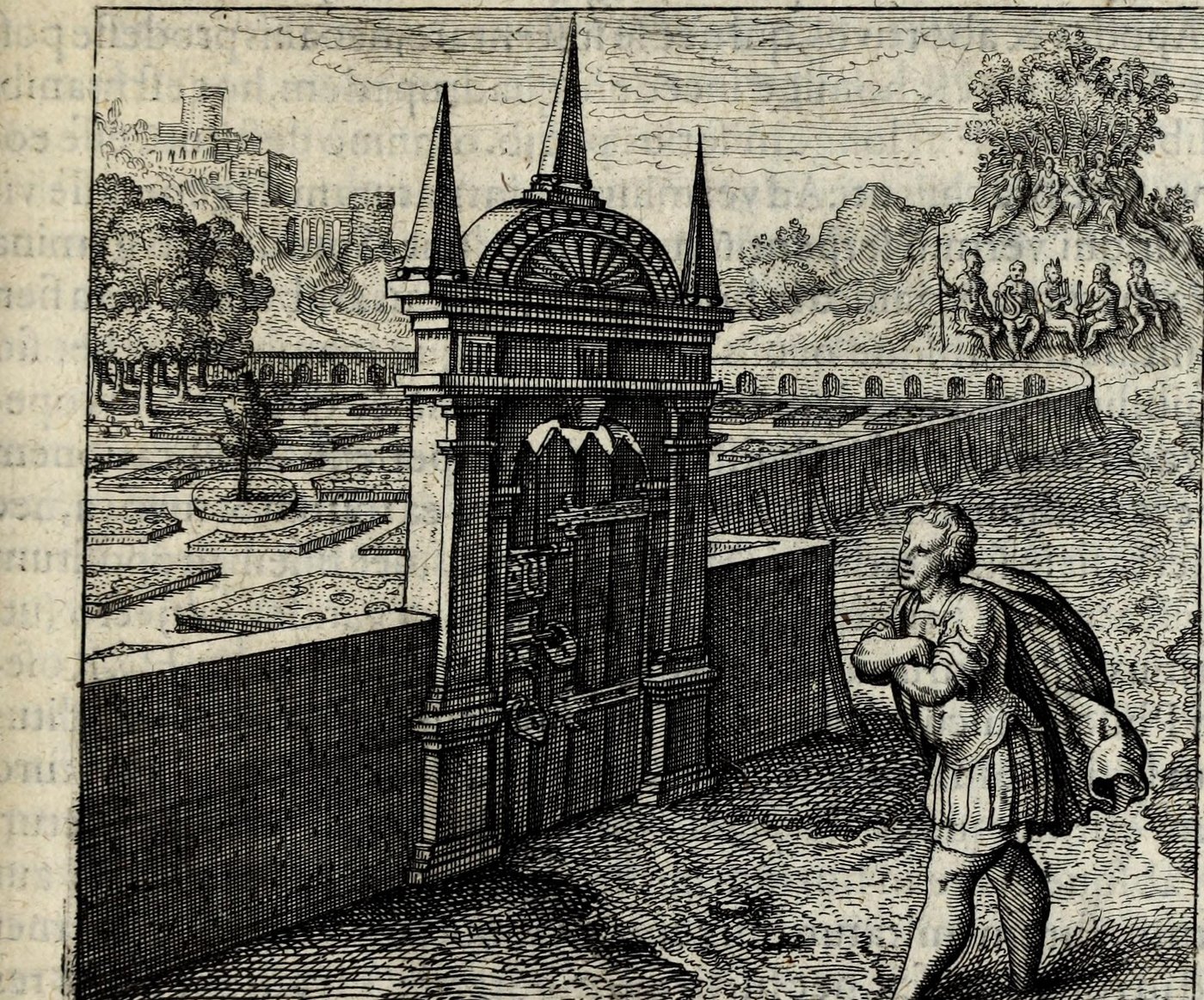
Qui Rosarium intrare conatur Philosophicum absque clave, assimilatur homini ambulare volenti absq; pedibus
The key as the central motif, filed under the Hand. From Atalanta Fugiens.
What is happening
Michael Maier, 1618 “Qui Rosarium intrare conatur Philosophicum absque clave, assimilatur homini ambulare volenti absq; pedibus:”
Symbolica, 2026 Maier’s Latin, put into English here: Whoever tries to enter the philosophers' rose garden without a key is like a man wanting to walk with no feet.
Michael Maier, 1618 “Luxuriat Sophiae diverso flore ROSETUM,
Semper at est firmis janua clausa seris:
Unica cui clavis res vilis habetur in orbe,
Hac sine, tu carpes, cruribus absque, viam.
Parnassi in vanum conaris ad ardua, qui vix
In plano valeas te stabilire solo.”
Symbolica, 2026 Maier’s epigram, put into English here: The ROSE GARDEN of Wisdom runs riot with flowers of every kind, but its door is always shut with strong bolts. Its one key is a thing held cheap in the world. Without it you will take the road with no legs under you. In vain you try the heights of Parnassus, you who can barely keep your footing on level ground.
Key · 1 motif
Tap a motif on the picture, or a line below. Its note opens under the line, with the reading its author gave it.
- Primary motif
The picture
A man without feet walking toward the locked gate of a walled garden, the philosophers in the hills beyond; the key the motto names is what he lacks, and the archive files the key under the Hand. By eye
The reading
The picture read whole, in the archive's words, from the sources quoted on the marks. Read on, and the picture follows: the motif under discussion keeps its colour.
‘Qui Rosarium intrare conatur Philosophicum absque clave, assimilatur homini ambulare volenti absq; pedibus’: whoever tries to enter the philosophers' rose garden without a key is like a man who wants to walk without feet. Merian drew the man, footless, at the locked gate of a walled garden, while the philosophers sit in the hills beyond the wall.
‘Luxuriat Sophiae diverso flore ROSETUM’, the rose garden of Wisdom runs riot with flowers of every kind, ‘Semper at est firmis janua clausa seris’, but its door is always shut with strong bolts. ‘Unica cui clavis res vilis habetur in orbe’, its one key is a thing held cheap in the world, ‘Hac sine, tu carpes, cruribus absque, viam’, and without it you will take the road with no legs under you. The lock is drawn and the key is not: the emblem is about the one thing the seeker lacks, and Maier says it is cheap.
The last couplet is a rebuke. ‘Parnassi in vanum conaris ad ardua’, in vain you try the heights of Parnassus, you who can barely keep your footing on level ground. The rose garden is the Rosarium, the book of the philosophers, and the key to it is not a secret but a thing anyone might pick up and most people do not think worth having.
Decoded: every motif is marked, and each mark carries the reading its author gave it, quoted from the text, or says that it is observed on the picture and not read. The reading above is the archive's own, made from those sources and no others.
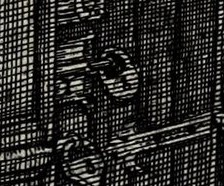
Access to what is deliberately closed. In hermetic imagery the key is almost never a key to a door.
In plain words The gate of the rose garden is shut, with a great lock on it, and the man who wants to enter has no feet. Maier says the garden's one key is a thing held cheap in the world, and that without it you walk with no legs. The key is what is missing from the picture, and the archive files it under the Hand.
Michael Maier, 1618 “Unica cui clavis res vilis habetur in orbe, / Hac sine, tu carpes, cruribus absque, viam.”
Symbolica Maier's Latin, put into English here: Its one key is a thing held cheap in the world. Without it you will take the road with no legs under you.
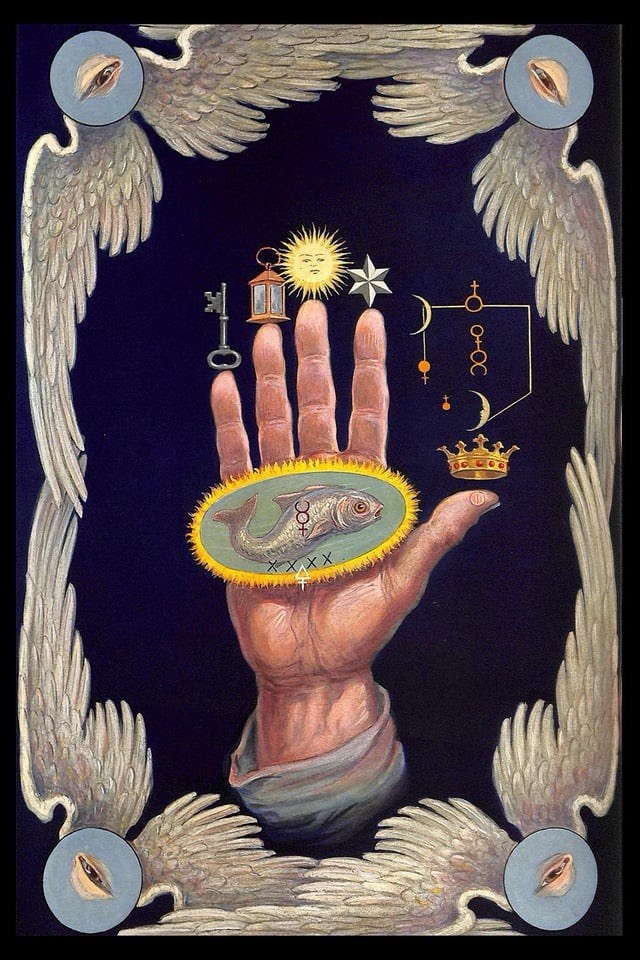
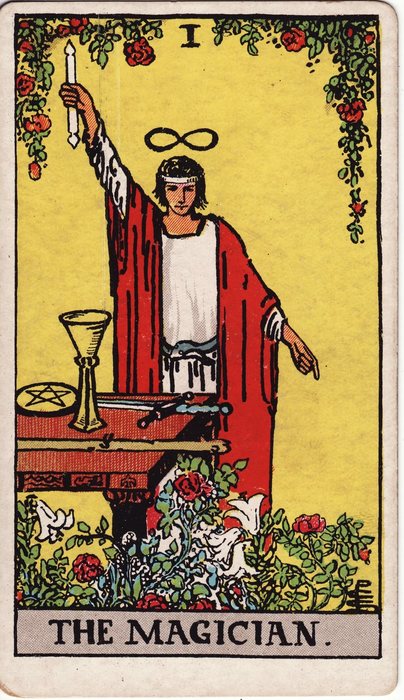
Also carrying the Hand
24 works carry it. The 4 where it is the central motif are here. The symbol.
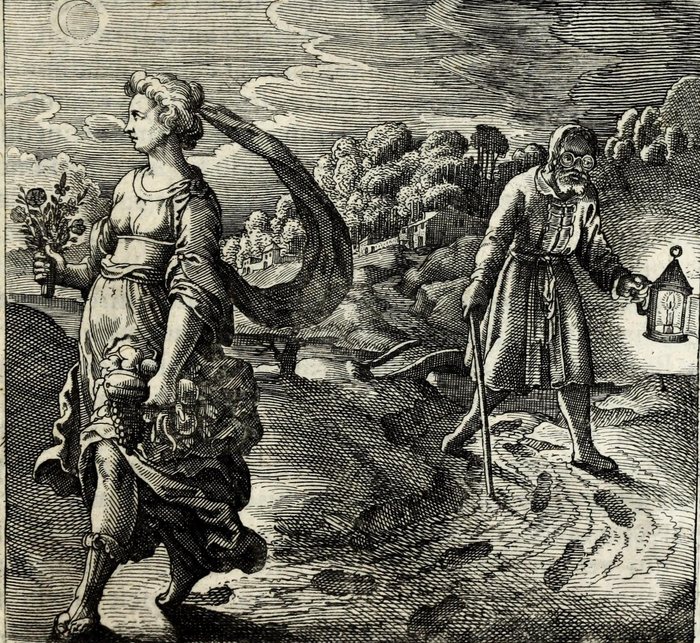
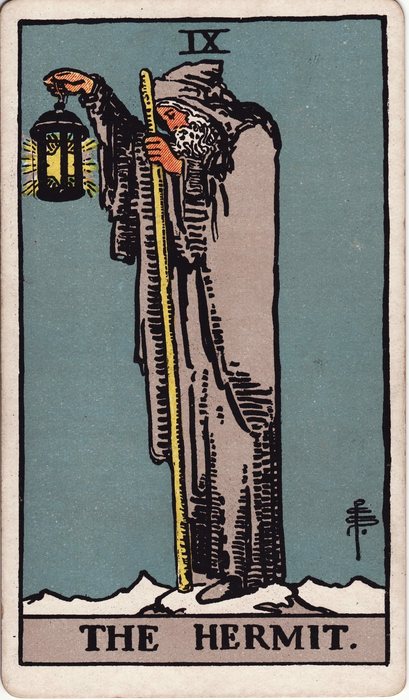
In the same series
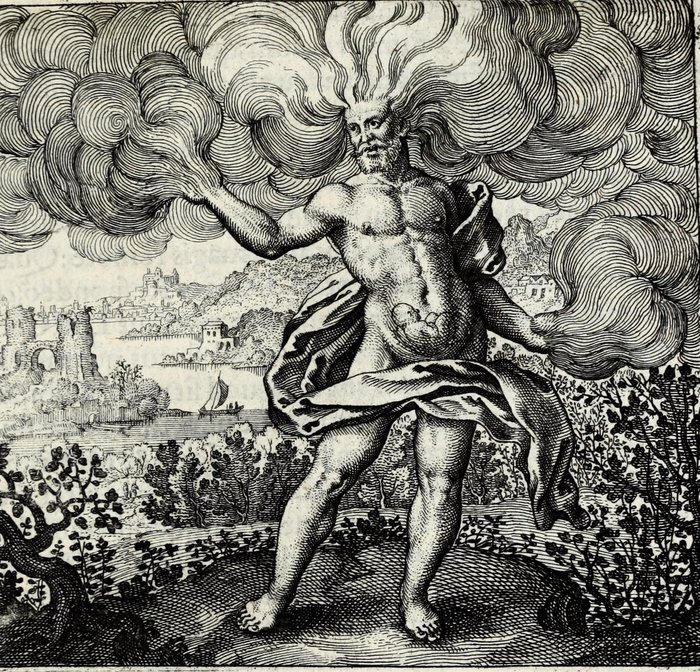 Portavit eum ventus in ventre suo
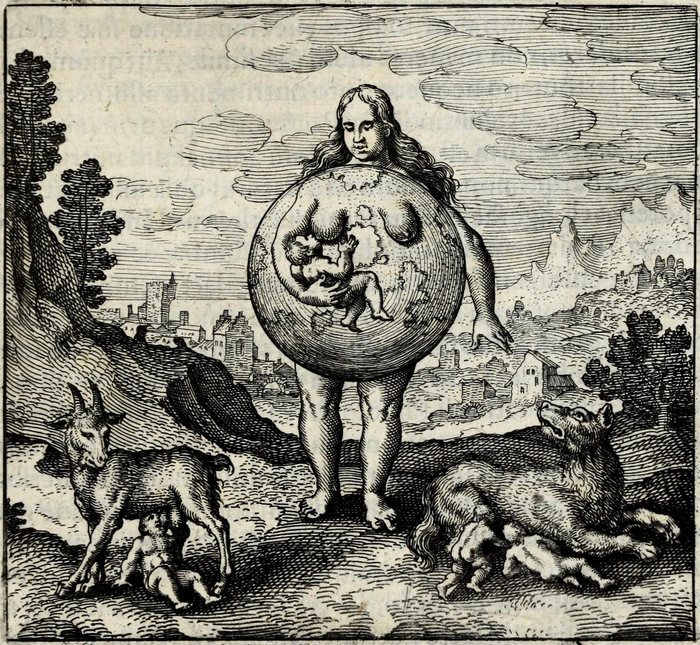 Nutrix ejus terra est
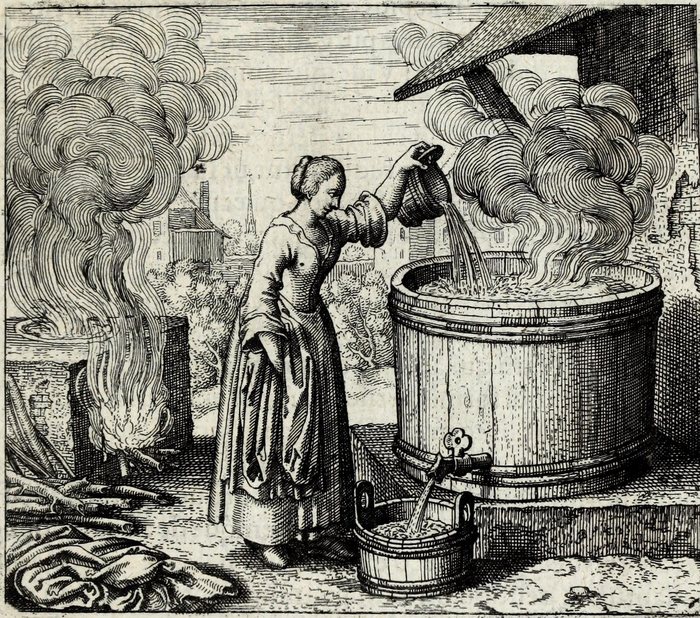 Vade ad mulierem lavantem pannos, tu fac similiter
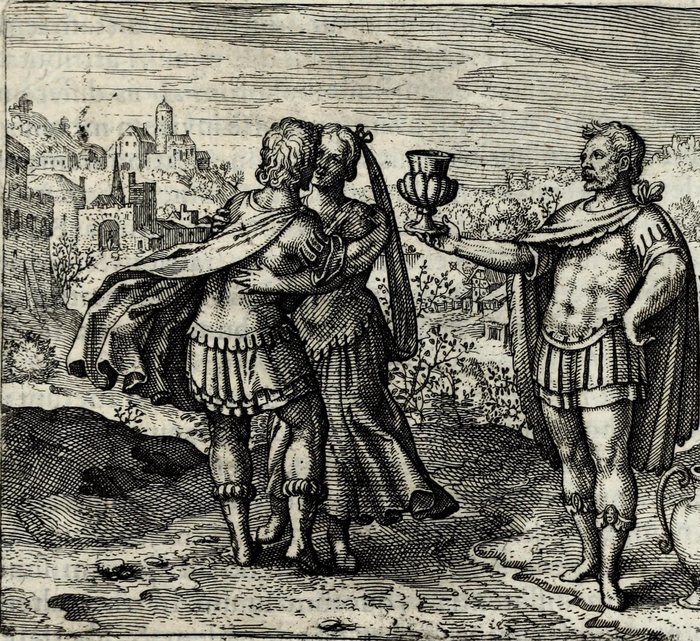 Conjunge fratrem cum sorore & propina illis poculum amoris
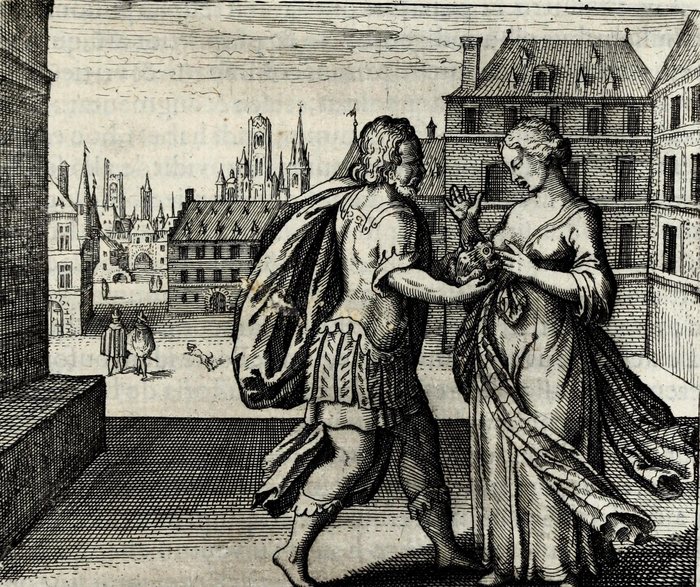 Appone mulieri super mammas bufonem, ut ablactet eum, & moriatur mulier, sitque bufo grossus de lacte
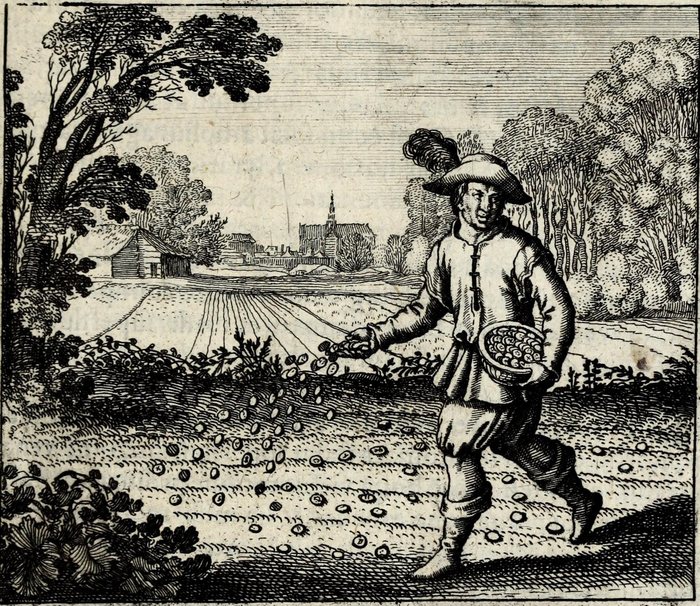 Seminate aurum vestrum in terram albam foliatam
Record
One symbol a week, decoded.
This picture is free at full size from its source, linked above. What an address gets is the Sunday letter: one picture, one symbol marked on it, what it meant and who said so, and the master files of the decoded plates as they are verified. Leave any time.
Free, one letter a week, unsubscribe in one click. How the address is used.
Scroll or pinch to zoom · drag to move · double-tap for 1:1 · 1400 by 1163 pixel web copy; the source file is linked under Record