Saturn
Saturnus, Crono, Kronos, Time, lead, plumbum
The outermost planet of the old order, the metal lead, the black first stage of the work, and an old man with a sickle. One sign does all four jobs, and the books move between them without explaining themselves.
Saturn does four separate jobs in these books, and one name serves for all of them, which makes him confusing to read until you notice that the books never confuse themselves.
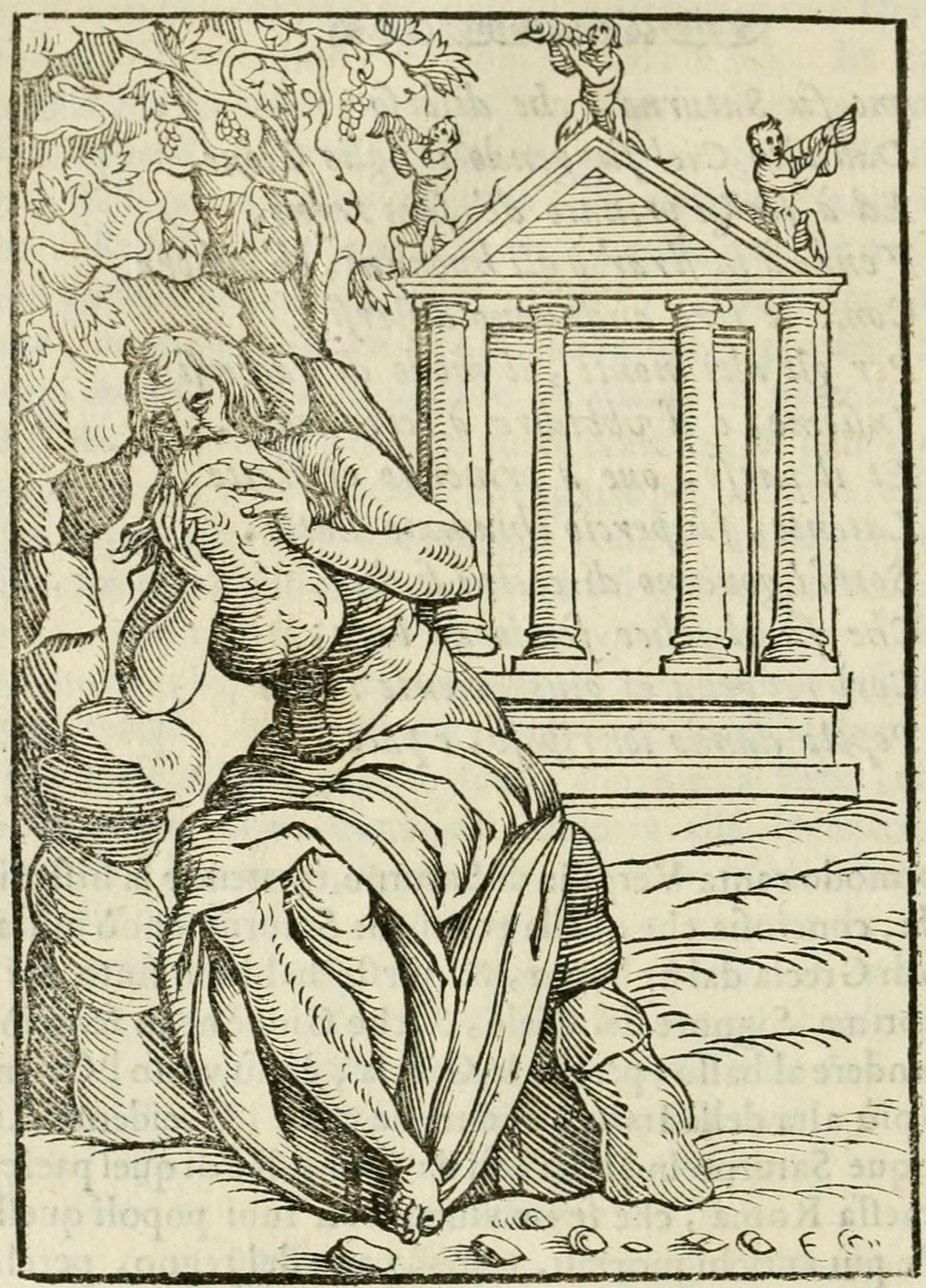
The first Saturn has a face. Vincenzo Cartari's handbook of 1615 was written to show a god and then explain every part of him, and it gives Saturn four blocks in a row. He bends his head into a child under a vine, with a temple behind him whose roof carries three half figures blowing conch shells. He walks through a field of stars, holding out at arm's length a serpent that bites its own tail. He stands with three heads on one neck inside a burst of rays. He stands beside a winged and crowned twin, with a woollen thread tying his ankles. Cartari names his authorities as he goes, Macrobius for the temple and for the bonds, Martianus Capella for the serpent and the slow step, Eusebius for the wings, and he tells the reader outright when he does not believe one of them.
The second Saturn is a substance, and Michael Maier gives the working instruction in his twenty second emblem of 1618. It is about colour. Saturni in faciem (quae nigra) sparge nives, scatter snow on the face of Saturn, which is black, et dabitur tibi materies albissima plumbi, and you will be given the whitest matter of lead. Saturn is black, Saturn is lead, and the work starts by whitening him. A century and a half later the Encyclopedie's plate of chemical characters still files it the same way: the salts of lead take the sign of Saturn, as iron takes Mars and tin takes Jupiter.
The third Saturn is a position rather than a substance. Fludd's monochord climbs from the moon at the bottom to Saturn at the top. Dee runs the Monas down the same axis, Saturn at the head and the moon at the foot. Knapp's chart of Dante's universe ends its rings at Saturn before the fixed stars begin. Highest, slowest, coldest, last. Cartari puts a number on the slowness that a reader can check against a sky: the sphere is the widest of the seven and takes thirty years to come round.
The fourth is a temperament. Kircher's engraver set the seven planets down the Tree of the Sephiroth in 1653 and put Saturn beside Fear, with Jupiter across from him beside Mercy. Severity is the sephira he answers to.
And Maier's twelfth emblem tells the story the rest of them assume. Saturn swallowed a stone in place of his son and brought it back up, and the stone was set on a mountain as a monument for mortals. Cartari tells the same story on his page 27 and adds what became of the stone: it was kept at Delphi in the temple of Apollo and guarded with the greatest respect, oil was poured over it, more on feast days than on others, and then unwashed wool was wound round it. The wool is the thread on his fourth block, wound round a god instead of a stone.
Contested
Sources
- Vincenzo Cartari, Le vere e nove imagini de gli dei delli antichi, 1615: Four woodcuts of Saturn on printed pages 24, 28, 30 and 32, each with its own printed caption, and the expositions on pages 25 to 33, read against the page images of the Getty Research Institute copy.
- Michael Maier, Atalanta Fugiens, 1618: Emblems XII and XXII, motto and epigram, Oppenheim 1618, read against the page images of the Getty Research Institute copy.
- Denis Diderot and Jean le Rond d'Alembert, editors, Encyclopedie, the plates of Chimie, 1772: The table of chemical characters, where the salts of lead carry the sign of Saturn.
- Robert Fludd, Utriusque Cosmi Historia, 1617: The monochord, the planets ordered from the moon lowest to Saturn highest.
- John Dee, Monas Hieroglyphica, 1564: Theorem XVIII, the planets on the axis of the egg, Saturn at the head.
- Athanasius Kircher, Oedipus Aegyptiacus, the Systema Sephiroticum plate, 1653: The engraver's planets down the tree: Saturn beside Fear, Jupiter beside Mercy.
On the same plate
Where it appears · 12
12 works in the archive carry Saturn. First the 12 where it has been read, with Saturn itself picked out.
Imagine di Saturno, ò del Tempo divoratore de suoi figliuoli
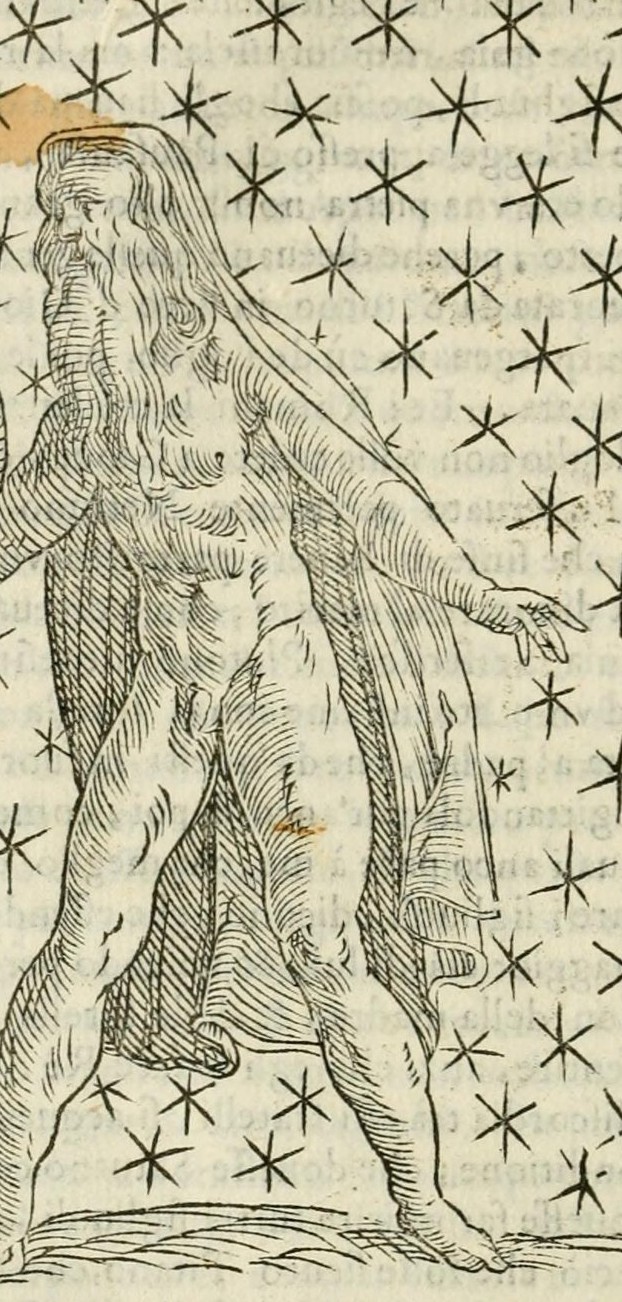
Imagine di Saturno, del Tempo, & dell'Anno
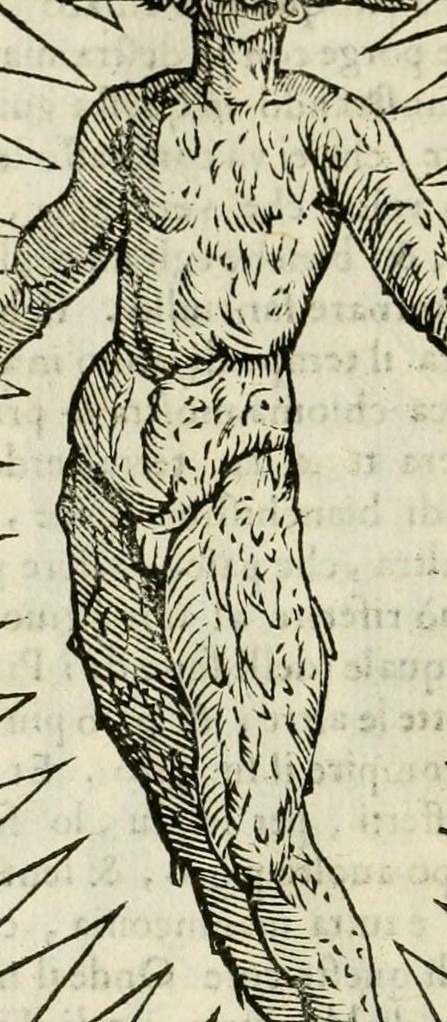
Imagine di Saturno, che significa il tempo presente, passato, & avenire
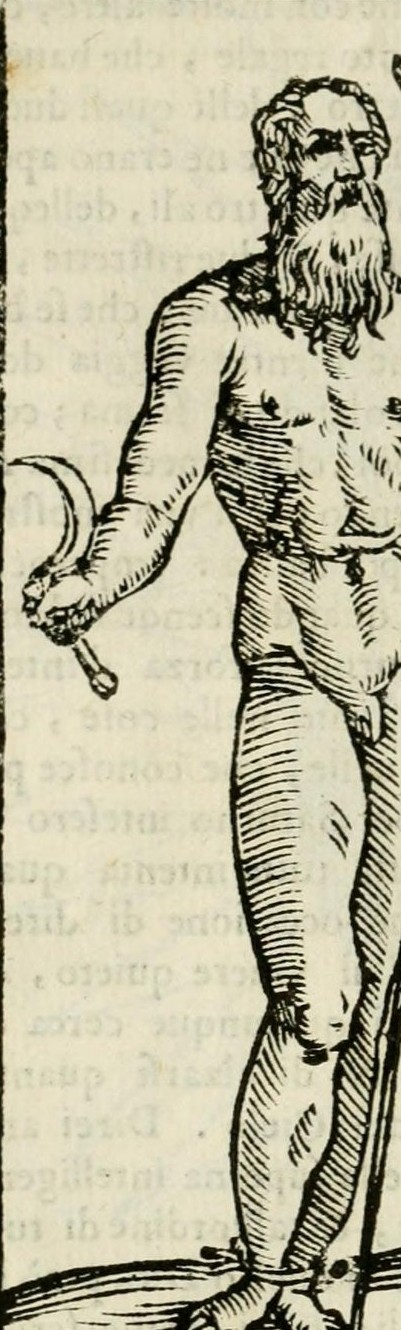
Imagine di Saturno, & del Tempo, che co' piedi legati di fil di lana
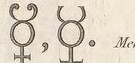
Caracteres de Chymie, plate II
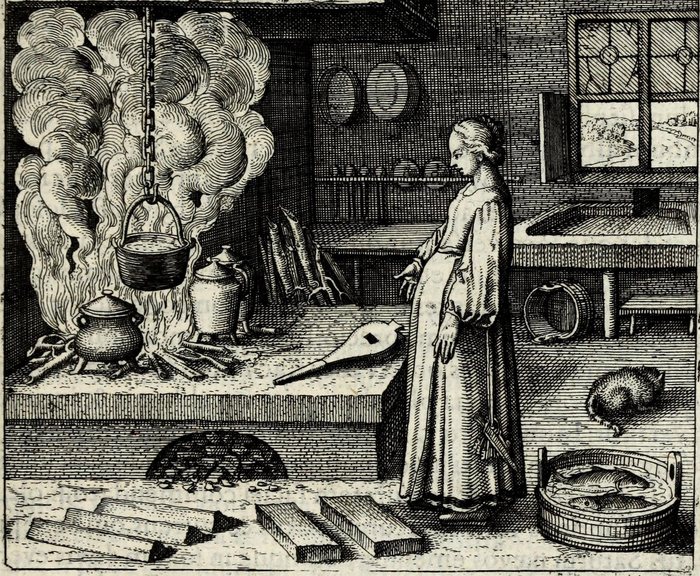
Plumbo habito candido fac opus mulierum, hoc est, COQUE
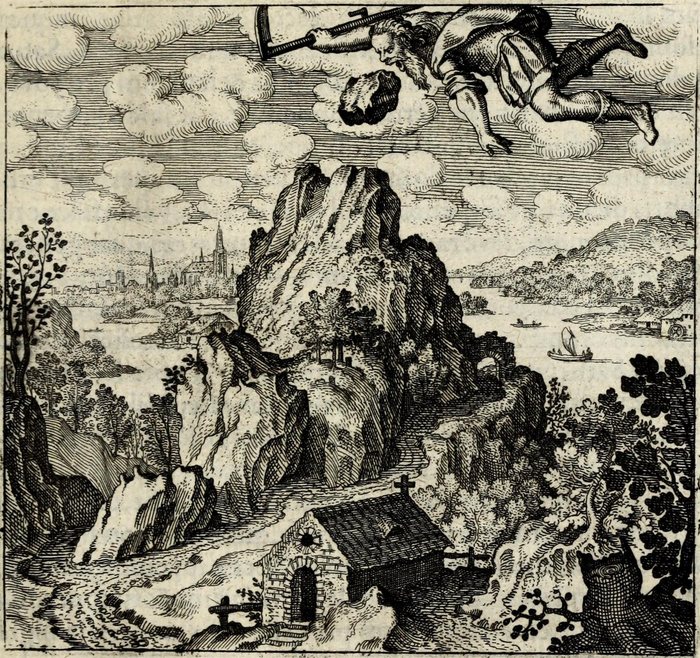
Lapis, quem Saturnus, pro Jove filio devoratum, evomuit, Pro monumento in Helicone mortalibus est positus

Monochordum Mundanum, the Divine Monochord
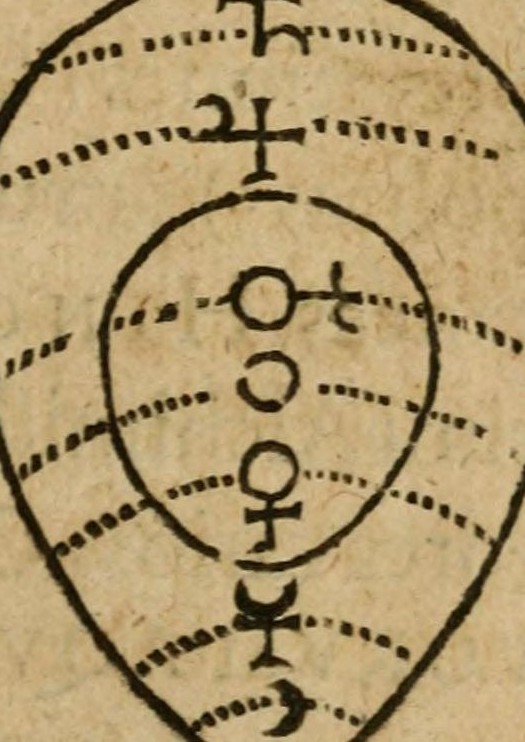
Theorem XVIII: the monad within the egg

Systema Sephiroticum, the Tree of the Sephiroth
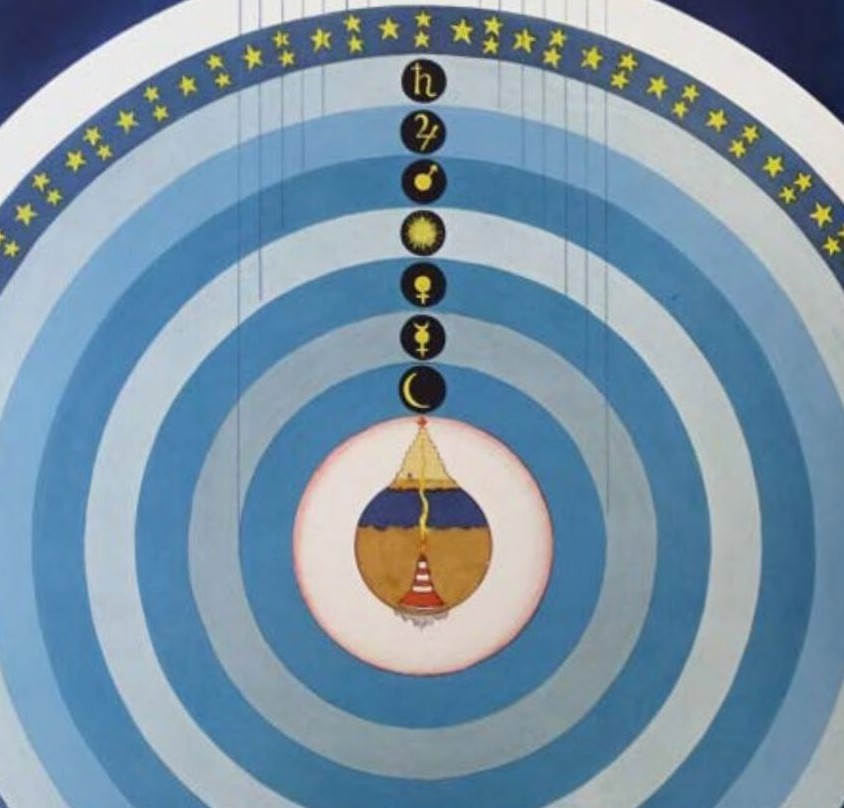
The Key to Dante's Divine Comedy
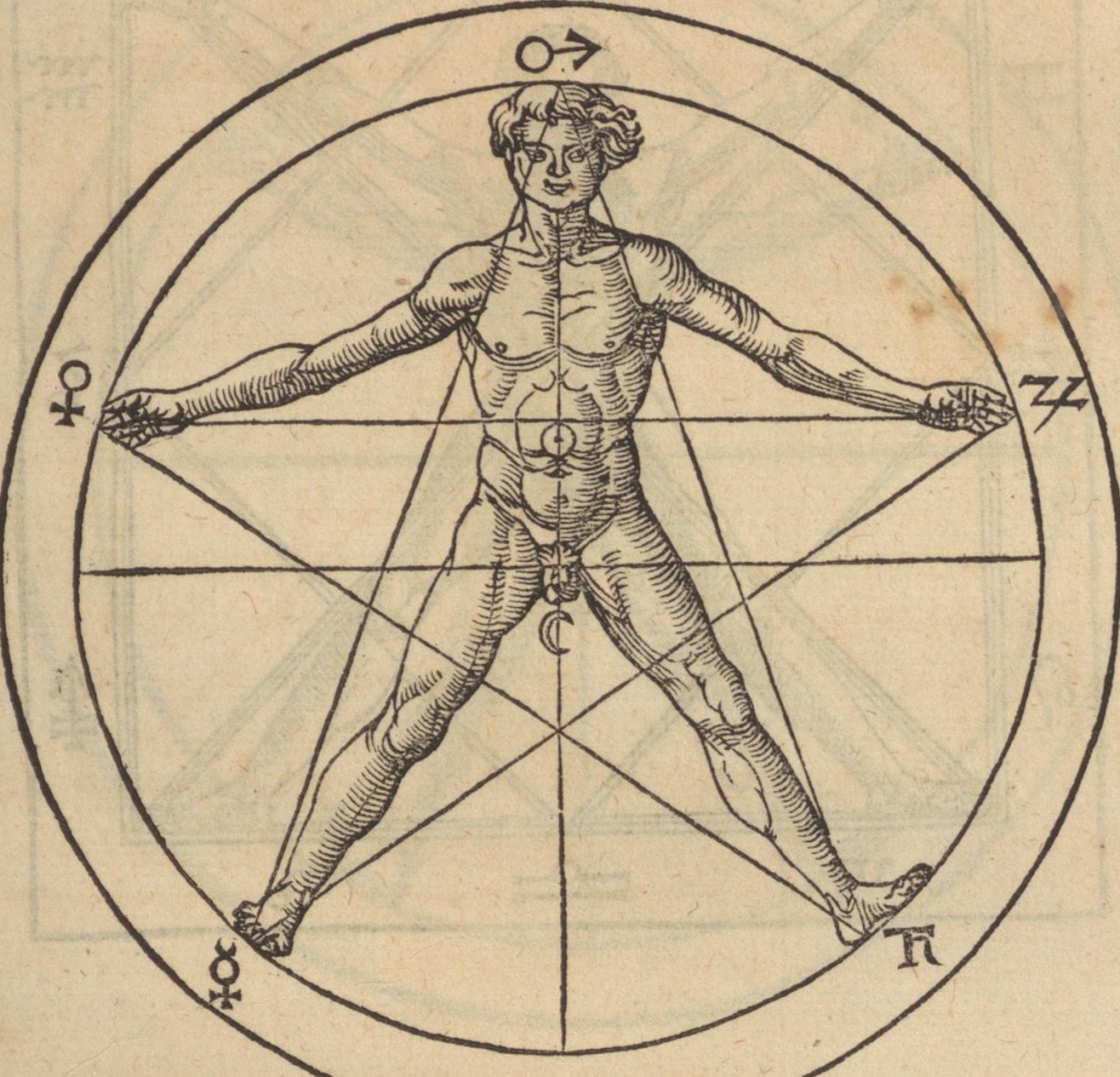
The Man in the Pentagram