The Ouroboros
the tail-eater, serpens qui caudam devoravit
The serpent that eats its own tail. The one thing that feeds on itself and so never ends.
The ouroboros is older than alchemy and was borrowed into it. One of its earliest surviving appearances is in the Enigmatic Book of the Netherworld, on a gilded shrine in the tomb of Tutankhamun, fourteenth century BCE: two of them hold their tails in their mouths, one encircling the head and upper chest of a large figure and the other its feet. Who the figure is has not been settled; Erik Hornung reads it as the unified Ra and Osiris rather than the king. It reaches the alchemists through Greco-Egyptian Alexandria, and the earliest alchemical drawing of it is in the Chrysopoeia of Cleopatra, a text that probably goes back to third-century Alexandria but survives in a tenth-century Byzantine copy, where the circle it makes is inscribed hen to pan, the all is one.
What it means inside alchemy is more specific than the pop reading of eternity. It marks a closed system. The work happens in a sealed vessel, nothing enters and nothing leaves, and the matter inside is repeatedly dissolved and recongealed by its own action. The serpent feeding on itself is a picture of that operation, not a picture of infinity. When it is drawn half light and half dark it is making a further claim, that the destroying half and the generating half are one substance.
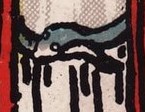
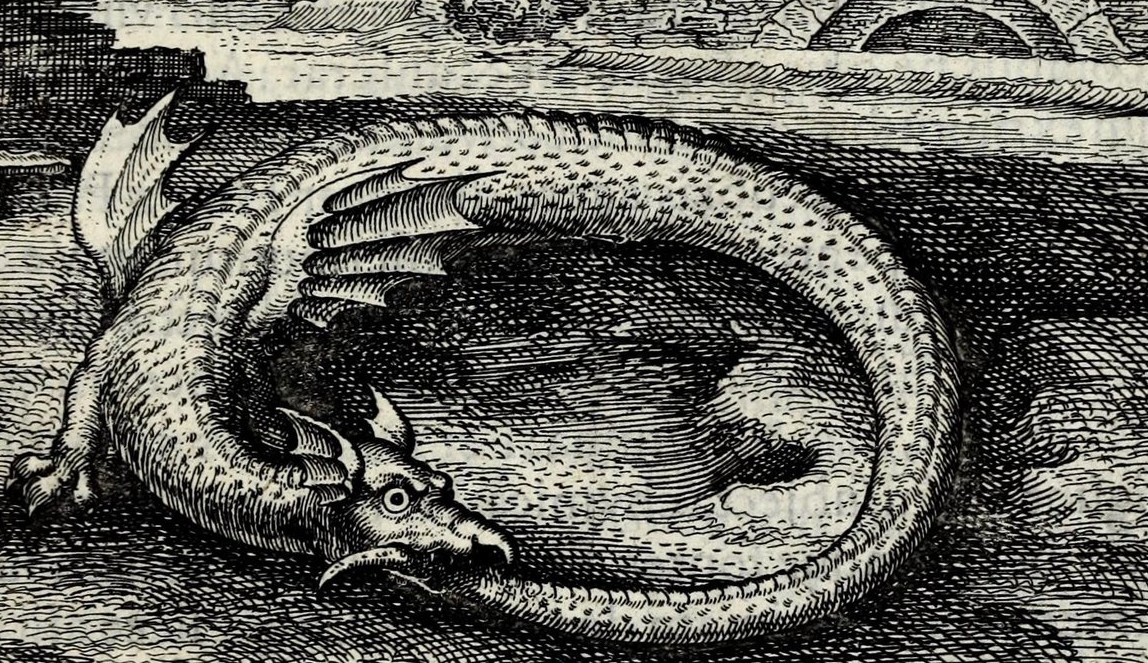
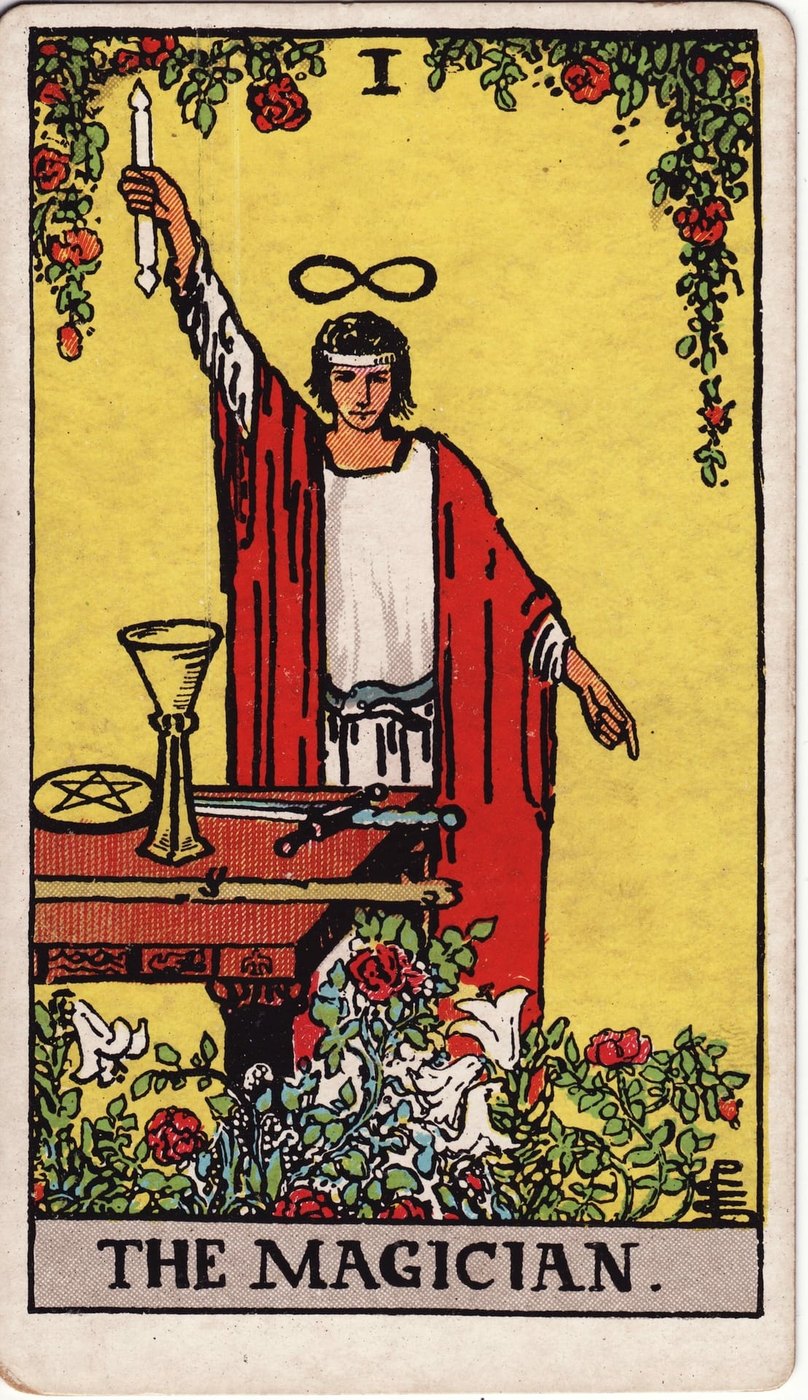
It is worth being careful about the reading you have probably met. Kekulé's dream of the benzene ring, told in 1890 at a celebration the German Chemical Society held in his own honour, is often given as evidence that the symbol carries some deep chemical truth. He told it twenty-five years after his first benzene paper, and historians of chemistry have treated it sceptically ever since; Alan J. Rocke has argued the 1890 telling may be an invention rather than a recollection. The plainest ouroboros in the archive is Maier's, in the fourteenth emblem of the Atalanta Fugiens of 1618: a winged dragon lying in a ring with its tail in its mouth, “Hic est Draco caudam suam devorans”, this is the dragon devouring its own tail. The epigram makes the closed system an instruction. “Dente Draco caudam dum mordet & ingerit alvo, / Magna parte sui fit cibus ipse sibi”, while the dragon bites its tail with its teeth and takes it into its belly, it becomes its own food in great part; and “Ille domandus erit ferro, fame, carcere, donec / Se voret & revomat, se necet & pariat”, that one must be tamed with iron, with hunger, with prison, until it devours and vomits itself up, kills itself and gives birth to itself. Iron, hunger and prison are the fire, the withholding and the sealed glass, which is the reading of the ring given above, now in the words of a man who drew it. Waite's Magician of 1909 wears the same creature as a belt, “the serpent appearing to devour its own tail”, and reads it as “the eternity of attainment in the spirit”.
Contested
Whether the ouroboros in Greco-Egyptian alchemy meant a closed vessel, cyclical time, or the unity of opposites is genuinely unsettled and the sources are thin. The Jungian reading, that it is the undifferentiated self before individuation, is a twentieth-century overlay on the material rather than a claim the alchemists made, and this page says so.
Two details in the reading above are contested in the scholarship rather than by this archive. The identity of the figure the two serpents enclose on the Tutankhamun shrine is not agreed. And the Chrysopoeia of Cleopatra is a text of one date surviving in a copy of another, so any statement about what it looked like in the third century is an inference from a tenth-century page.
The entry was written before its plates, from the scholarship named below, which has not been read against its originals here. The plates have since arrived: Maier's fourteenth emblem, which draws the tail-eater as a beast and gives it an instruction, and Waite's Magician, who wears it as a belt. The last paragraph of the reading was added when Maier's emblem was keyed; the rest stands as written and should be read as the archive's summary of other people's scholarship.
Sources
- Erik Hornung, The Ancient Egyptian Books of the Afterlife, 1999: For the two ouroboroi on the shrine in Tutankhamun's tomb and the identification of the enclosed figure as the unified Ra-Osiris. Cited at second hand; not read here.
- Mircea Eliade, Occultism, Witchcraft, and Cultural Fashions, 1976: For the Chrysopoeia of Cleopatra and the inscription hen to pan. Cited at second hand; not read here.
- Alan J. Rocke, On the scepticism of historians of chemistry toward Kekulé's 1890 account: For the argument that the benzene dream as told in 1890 may be an invention rather than a recollection. Cited at second hand; not read here.
- Codex Marcianus graecus 299, Biblioteca Nazionale Marciana, Venice, 10th to 11th c.: The manuscript in which the Chrysopoeia drawing survives. Named so a reader can go to the object rather than to a summary of it.
- Michael Maier, Atalanta Fugiens, 1618: The mottoes and epigrams of the fifty emblems, Oppenheim 1618, read against the page images of the Getty Research Institute copy; the English is the archive's own and is marked as such on every record. Maier's discourses, in which he explains each emblem at length, are not yet transcribed.
- Arthur Edward Waite, The Pictorial Key to the Tarot: Waite commissioned the 1909 designs and wrote the key to them, so his account is the closest thing the deck has to an author's statement.
On the same plate
Where it appears · 4
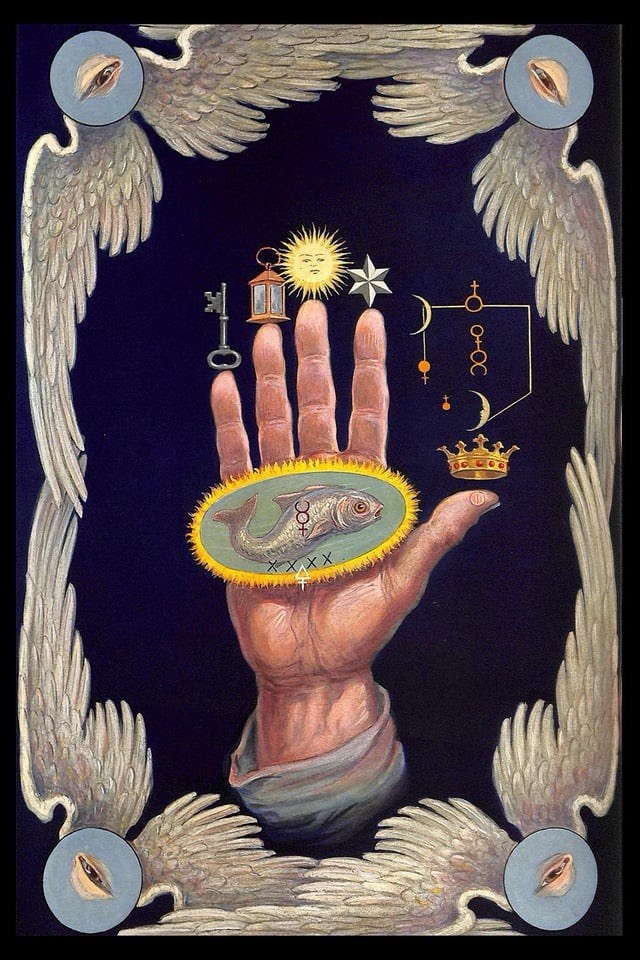
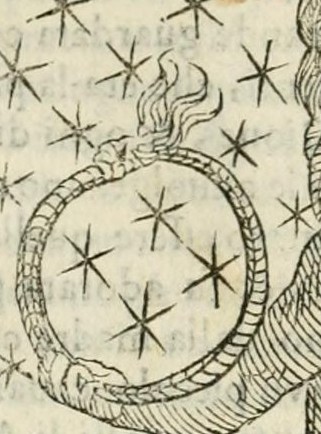
4 works in the archive carry the Ouroboros. First the 4 where it has been read, with the Ouroboros itself picked out.