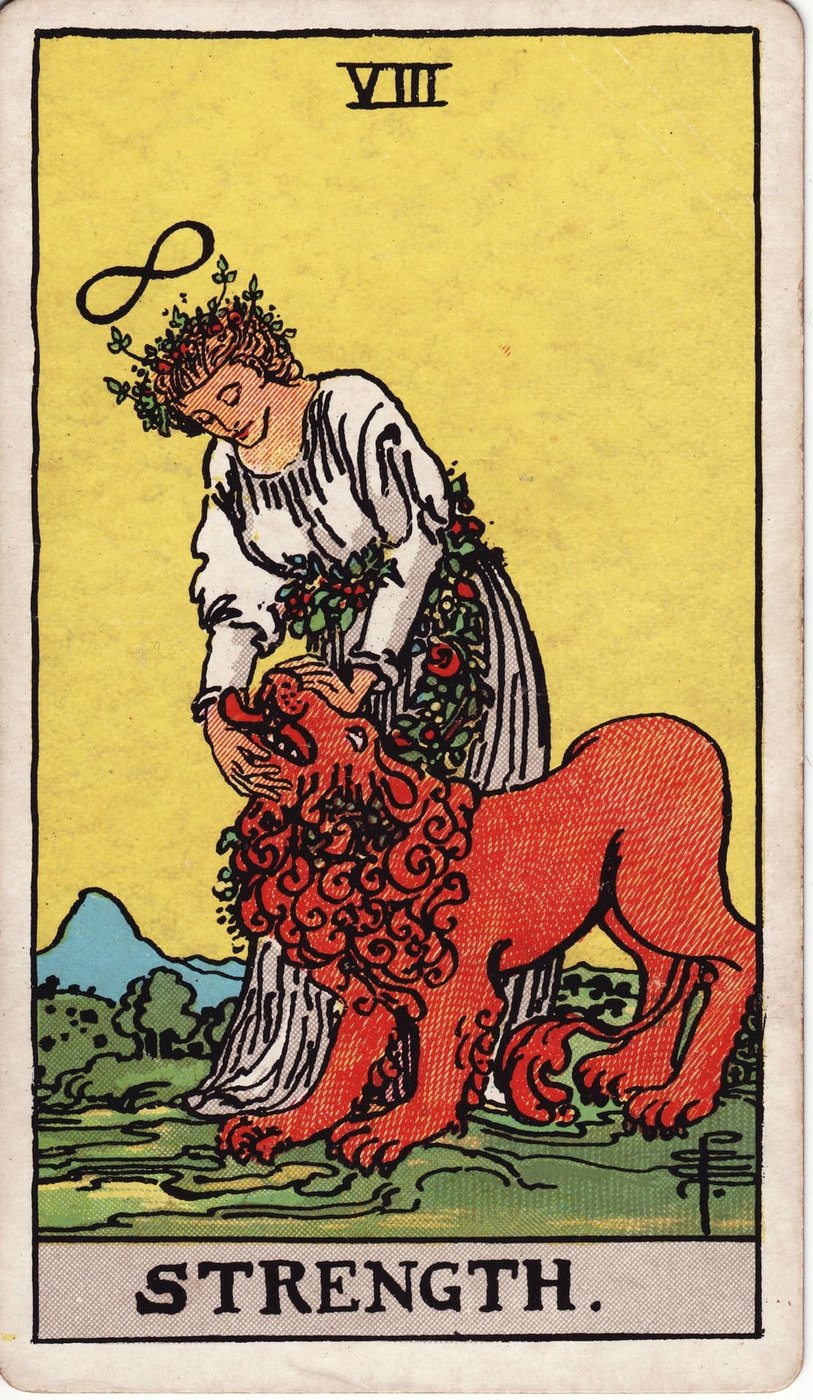
Strength (VIII)
Strength as the central motif, filed under the Lion, with the Hand and the Divine in a secondary part. From The 1909 tarot.
Key · 3 motifs
Tap a motif on the picture, or a line below. Its note opens under the line, with the reading its author gave it.
- Primary motif
- Secondary motifs · 2
The picture
A woman in white with flowers in her hair and a chain of flowers about her, closing the jaws of a red lion, a figure of eight floating over her head, a blue mountain in the distance; Strength as the central motif. By eye
The reading
The picture read whole, in the archive's words, from the sources quoted on the marks. Read on, and the picture follows: the motif under discussion keeps its colour.
Waite renumbered two cards and refused to say why. Strength is eight here and Justice eleven, the reverse of every deck before it, and his whole account of the swap is that the reasons satisfy himself and ‘there is no cause for explanation’. That is the only thing he leaves shut on this card. Everything else he opens.
There is no struggle in the picture, and that is the point. The lion has been subdued before the reader arrives, and it is led on a chain of flowers. Waite offers the reading in which the lion is the passions and the woman ‘the higher nature in its liberation’, with a line of the psalm behind it about the asp and the basilisk trodden down. The strength meant here, he is careful to say, ‘has nothing to do with self-confidence in the ordinary sense’; it is ‘the confidence of those whose strength is God’.
Her hands are bare on the animal's jaws. The only restraint in the picture is made of flowers, and it holds. Waite says the card's higher meanings are hinted only by that chain, ‘which signifies, among many other things, the sweet yoke and the light burden of Divine Law, when it has been taken into the heart of hearts’.
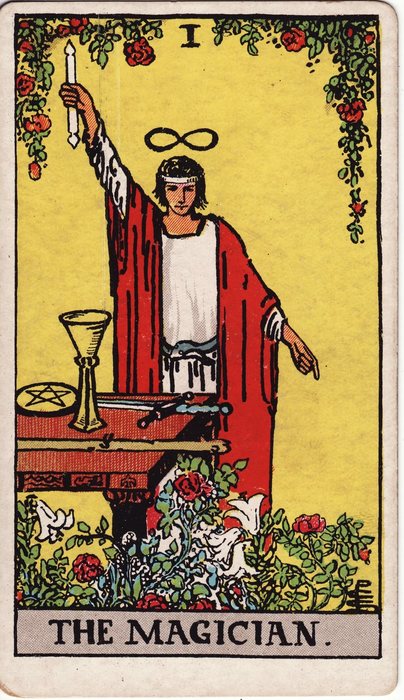
Over her head floats the same sideways figure of eight that hangs over the Magician, which Waite there calls ‘the mysterious sign of the Holy Spirit’ and here calls the same symbol of life. Nothing else on the card is anything but a woman, a lion or a mountain, and that one sign files her with the man at the table: two people with power over what stands in front of them, holding it lightly.
Readings quoted
Waite, 1911 “For reasons which satisfy myself, this card has been interchanged with that of justice, which is usually numbered eight. As the variation carries nothing with it which will signify to the reader, there is no cause for explanation.”
Waite, 1911 “Fortitude, in one of its most exalted aspects, is connected with the Divine Mystery of Union; the virtue, of course, operates in all planes, and hence draws on all in its symbolism. It connects also with innocentia inviolata, and with the strength which resides in contemplation.”
Waite, 1911 “These higher meanings are, however, matters of inference, and I do not suggest that they are transparent on the surface of the card. They are intimated in a concealed manner by the chain of flowers, which signifies, among many other things, the sweet yoke and the light burden of Divine Law, when it has been taken into the heart of hearts.”
Decoded: every motif is marked, and each mark carries the reading its author gave it, quoted from the text, or says that it is observed on the picture and not read. The reading above is the archive's own, made from those sources and no others.
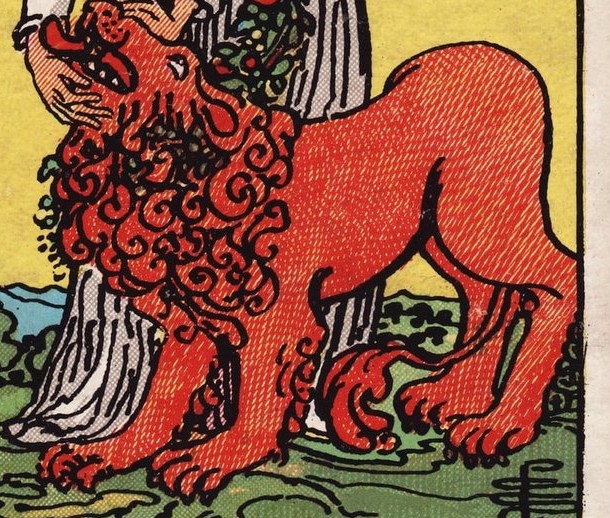
Usually not an animal but one face of a set of four. Count the other three before reading it alone.
In plain words A red lion, tame already, its mouth being closed by a woman’s bare hands and a chain of flowers round its neck. Waite says this is the one change from older cards: the fight is over before the picture starts. The lion, in one of his readings, is the passions, and the woman is the better nature that has them on a leash of flowers.
Waite, 1911 “A woman, over whose head there broods the same symbol of life which we have seen in the card of the Magician, is closing the jaws of a lion. The only point in which this design differs from the conventional presentations is that her beneficent fortitude has already subdued the lion, which is being led by a chain of flowers.”
Waite, 1911 “There is one aspect in which the lion signifies the passions, and she who is called Strength is the higher nature in its liberation. It has walked upon the asp and the basilisk and has trodden down the lion and the dragon.”
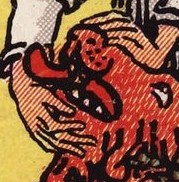
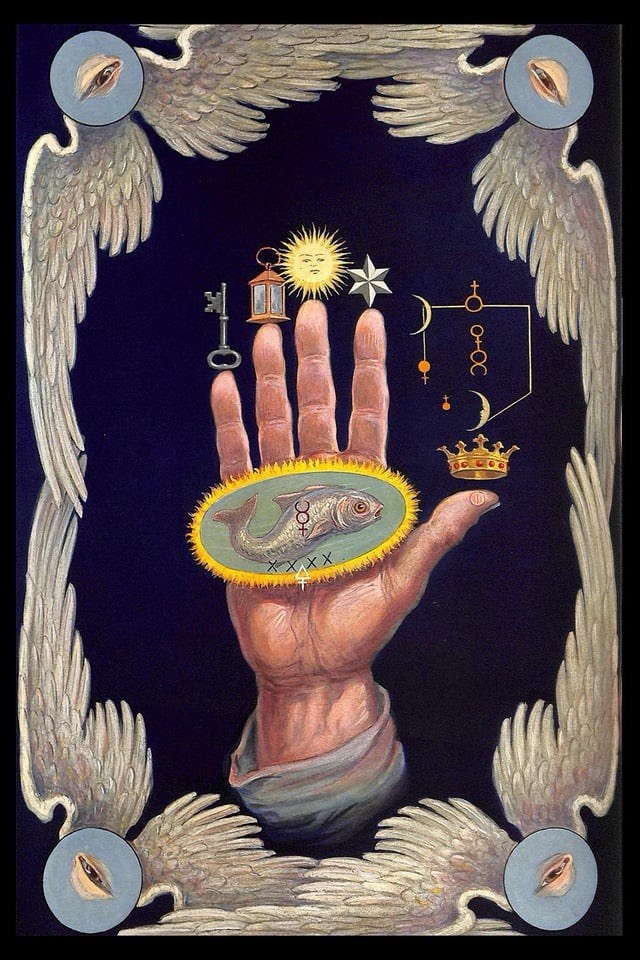
The hand as a sign in itself: what it holds, where it points, which fingers are raised. On the Hand of the Mysteries every finger carries a sign of its own.
In plain words Bare hands, no weapon, closing a lion’s mouth without effort. Waite is clear that the strength meant is not self-confidence, and not muscle: it is ‘the confidence of those whose strength is God’, a strength that does not have to fight.
Waite, 1911 “A woman, over whose head there broods the same symbol of life which we have seen in the card of the Magician, is closing the jaws of a lion.”
Waite, 1911 “The card has nothing to do with self-confidence in the ordinary sense, though this has been suggested--but it concerns the confidence of those whose strength is God, who have found their refuge in Him.”
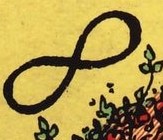
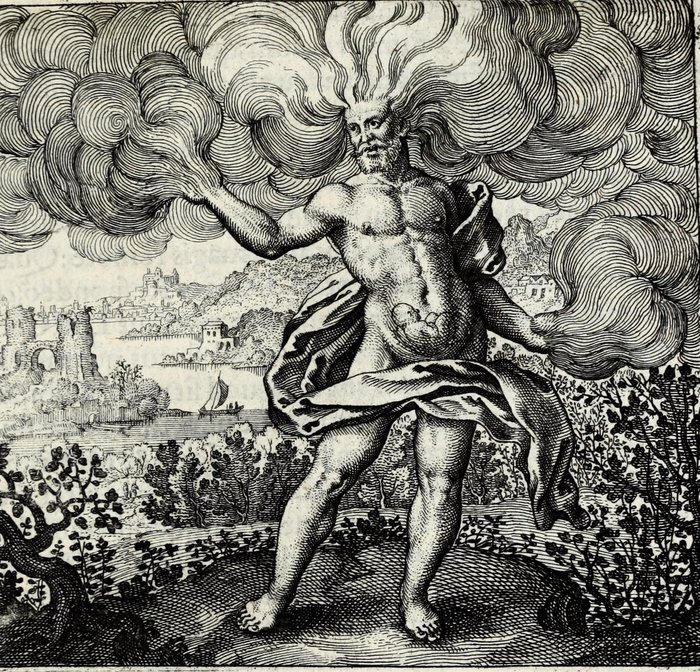
God shown, or pointed at. Look for what stands where a face would be: a name in a cloud, a circle above the top of a diagram, a ring of verses, a sign over a head.
In plain words A figure of eight lying on its side floats over her head, the sign mathematicians use for infinity. Waite does not say infinity: on the Magician, where it first appears, he calls it ‘the mysterious sign of the Holy Spirit, the sign of life’, and here he says it is the same sign. It is filed under the Divine because that is what he says it is.
Waite, 1911 “A woman, over whose head there broods the same symbol of life which we have seen in the card of the Magician, is closing the jaws of a lion.”
Waite, 1911 “Above his head is the mysterious sign of the Holy Spirit, the sign of life, like an endless cord, forming the figure 8 in a horizontal position.”
Also carrying the Lion
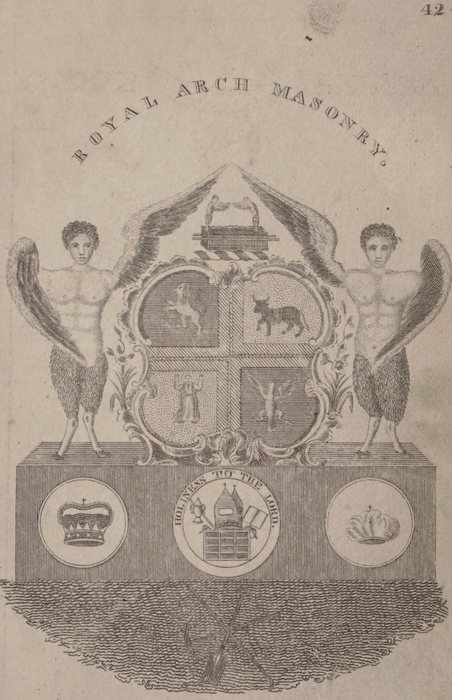
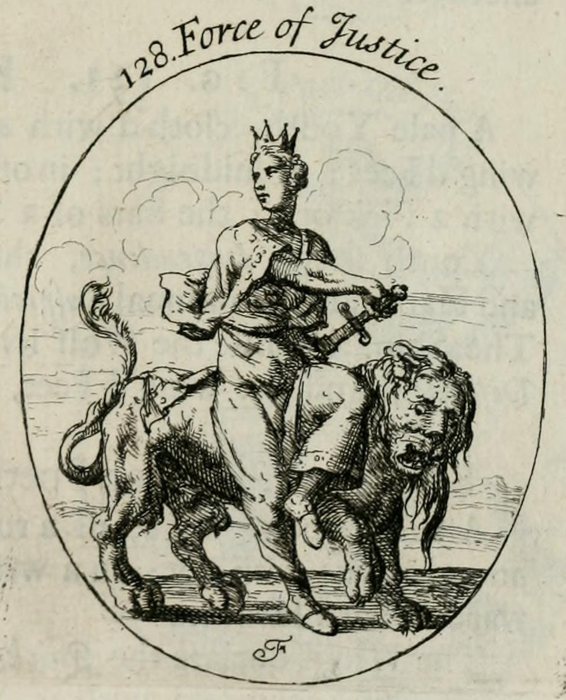
15 works carry it. The 6 where it is the central motif are here. The symbol.
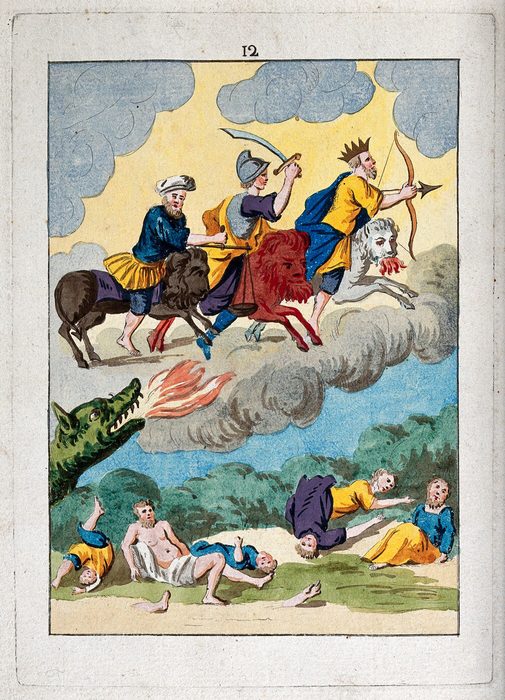
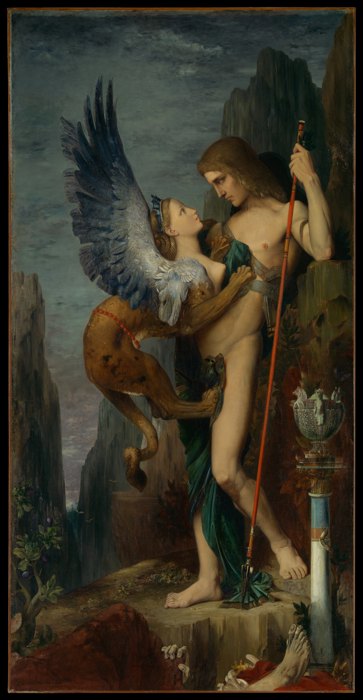
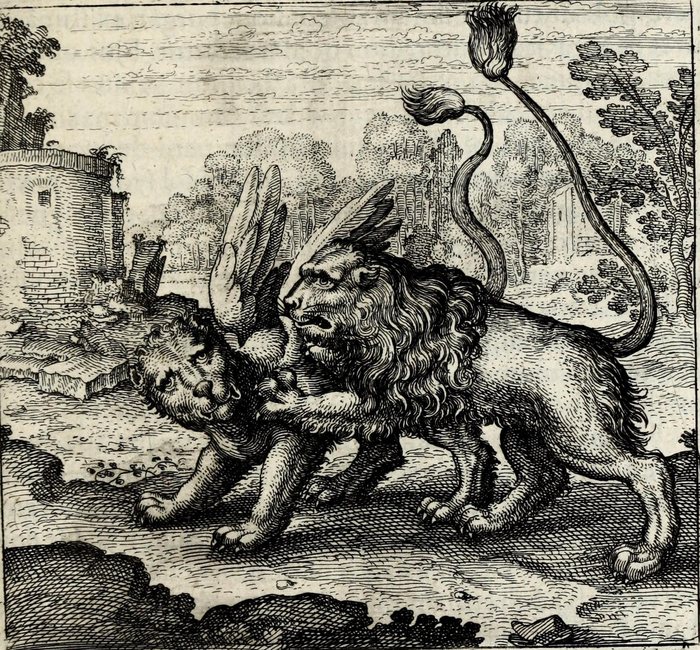
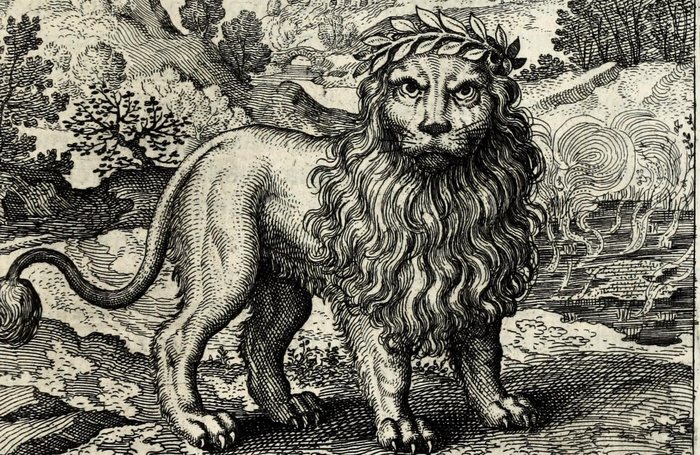
Where the detail is the subject
Each of these is in the picture without being what it is about. Below, one work that is about each.
In the same series
Record
One symbol a week, decoded.
This picture is free at full size from its source, linked above. What an address gets is the Sunday letter: one picture, one symbol marked on it, what it meant and who said so, and the master files of the decoded plates as they are verified. Leave any time.
Free, one letter a week, unsubscribe in one click. How the address is used.
Scroll or pinch to zoom · drag to move · double-tap for 1:1 · 813 by 1400 pixel web copy; the source file is linked under Record