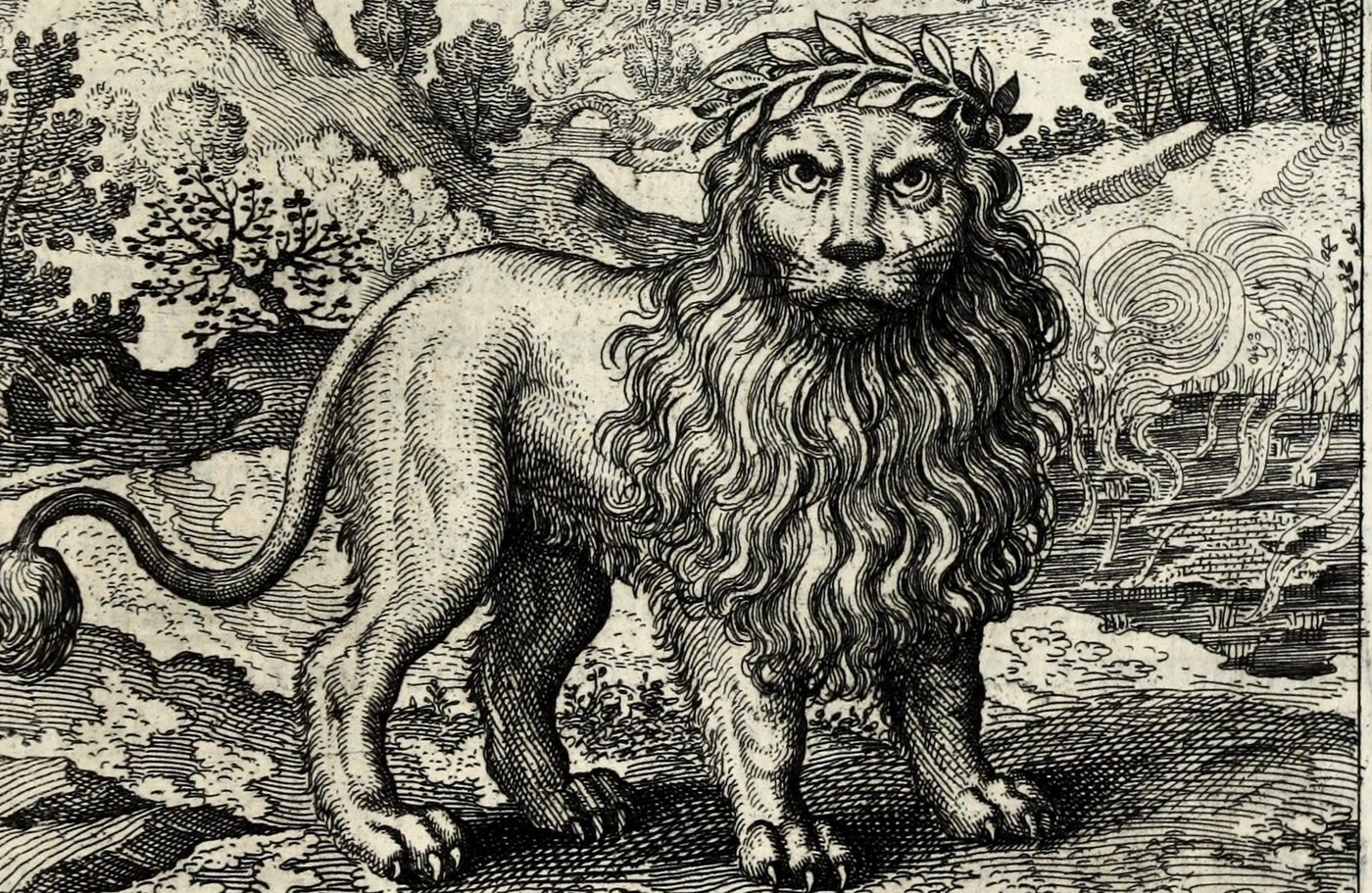
Tria sufficiunt ad magisterium, fumus albus, hoc est, aqua, leo viridis, id est, æs Hermetis, & aqua fœtida
The Lion as the central motif, with the Water in a secondary part. From Atalanta Fugiens.
What is happening
Michael Maier, 1618 “Tria sufficiunt ad magisterium, fumus albus, hoc est, aqua, leo viridis, id est, æs Hermetis, & aqua fœtida.”
Symbolica, 2026 Maier’s Latin, put into English here: Three things suffice: white smoke, the green lion, and stinking water.
Michael Maier, 1618 “Terna magisterii sunt semina, foetida Lympha,
Et niveus vapor, ac pelle LEO viridi:
Unda parens peperit, restant quae, elementa, Sophisque
Ut lapidem faciant, ultima primaque ea est.
Aes Hermetis at est viridis LEO, petraque nota
Librorum capitlis, Fumus & albus aqua.”
Symbolica, 2026 Maier’s epigram, put into English here: Three are the seeds of the mastery: a stinking water, a snow-white vapour, and the LION in his green skin. The parent wave bore the elements that remain, and for the Sages, in making the stone, it is both last and first. The green LION is the copper of Hermes, the stone named in the chapter headings of the books, and the Smoke is white water.
Key · 2 motifs
Tap a motif on the picture, or a line below. Its note opens under the line, with the reading its author gave it.
- Primary motif
- Secondary motifs · 1
The picture
The great maned lion standing crowned with leaves, the green lion the motto names; white smoke rising at the upper left and water with vapour over it at the right, the other two of the three. By eye
The reading
The picture read whole, in the archive's words, from the sources quoted on the marks. Read on, and the picture follows: the motif under discussion keeps its colour.
‘Tria sufficiunt ad magisterium, fumus albus, hoc est, aqua, leo viridis, id est, æs Hermetis, & aqua fœtida’: three things suffice for the mastery, white smoke, that is, water, the green lion, that is, the copper of Hermes, and stinking water. Merian gave the middle of the plate to the lion, set the white smoke rising in a column at the upper left, and ran the water along the right.
‘Terna magisterii sunt semina, foetida Lympha, / Et niveus vapor, ac pelle LEO viridi’, three are the seeds of the mastery: a stinking water, a snow-white vapour, and the lion in his green skin. The green lion has an entry of its own in this archive, and this is the picture it stands on: a lion that is not green, because the print has no colour, crowned with leaves to say what colour he would be. Maier decodes him in the last couplet: ‘Aes Hermetis at est viridis LEO’, the green lion is the copper of Hermes, ‘petraque nota / Librorum capitlis’, the stone named in the chapter headings of the books.
‘Fumus & albus aqua’, and the smoke is white water. The column of white smoke at the upper left is the second seed, and the water at the right, with vapour over it, is the third. ‘Unda parens peperit, restant quae, elementa’, the parent wave bore the elements that remain, and for the sages, in making the stone, ‘ultima primaque ea est’, it is both last and first. Three ingredients, and the emblem gives the lion the middle and the other two the edges, which is roughly how Maier's explanation is divided as well.
Decoded: every motif is marked, and each mark carries the reading its author gave it, quoted from the text, or says that it is observed on the picture and not read. The reading above is the archive's own, made from those sources and no others.
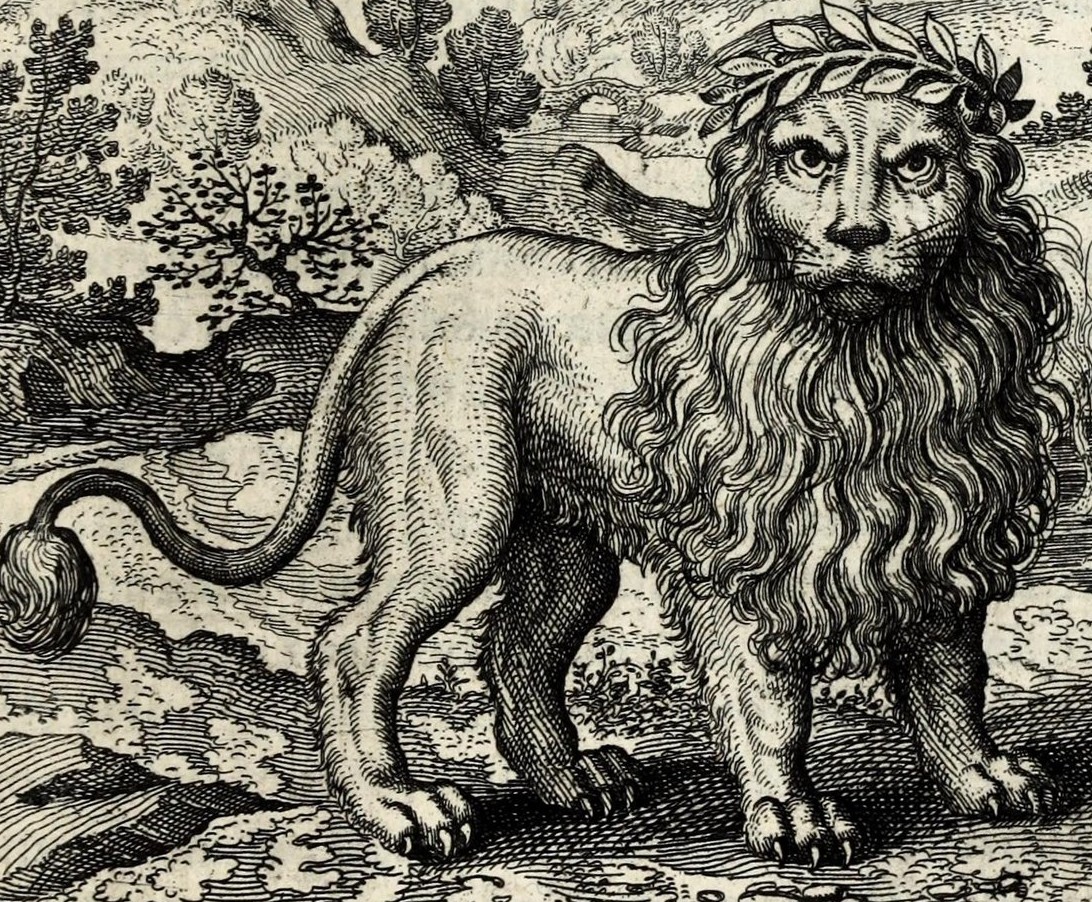
Maier's name for the copper of Hermes, one of the three things he says are enough for the whole mastery. Drawn as a lion crowned with leaves, because a print cannot be green.
In plain words A lion fills the plate, standing with a wreath of leaves on its head. It is the green lion of the motto, one of the three things Maier says are enough for the whole mastery, and in the last couplet he says what it is: the copper of Hermes, the stone that stands at the head of the chapters in the books.
Michael Maier, 1618 “Terna magisterii sunt semina, foetida Lympha, / Et niveus vapor, ac pelle LEO viridi:”
Symbolica Maier's Latin, put into English here: Three are the seeds of the mastery: a stinking water, a snow-white vapour, and the LION in his green skin.
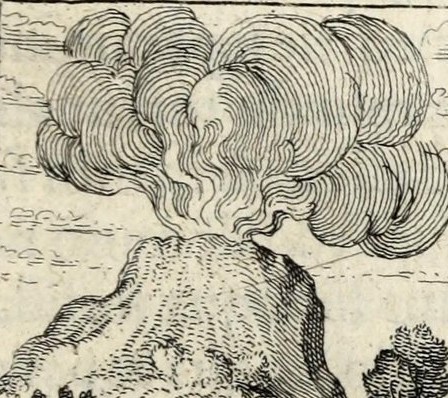
Where a thing is taken apart rather than destroyed. Note whether the figure is in the water, on it, or pouring it.
In plain words A column of white smoke rises from the ground at the upper left, and at the right water runs with vapour over it. They are the other two of Maier's three seeds: the white smoke, which he says is water, and the stinking water. The lion has the middle of the plate; they have its edges.
Michael Maier, 1618 “Aes Hermetis at est viridis LEO, petraque nota / Librorum capitlis, Fumus & albus aqua.”
Symbolica Maier's Latin, put into English here: The green LION is the copper of Hermes, the stone named in the chapter headings of the books, and the Smoke is white water.
Also carrying the Lion
15 works carry it. The 6 where it is the central motif are here. The symbol.
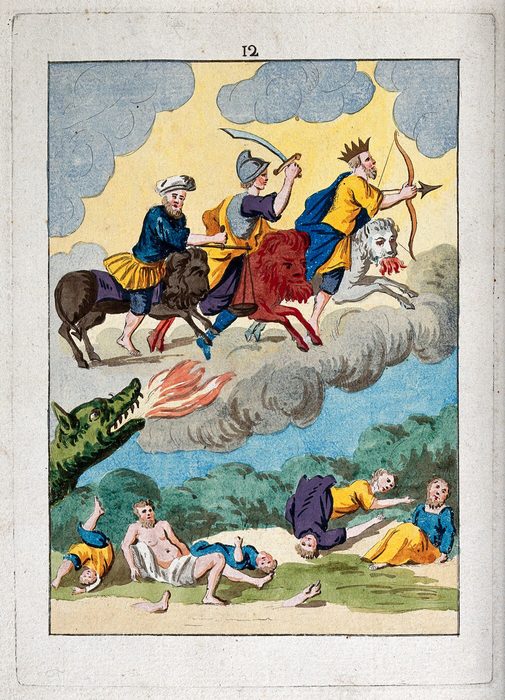
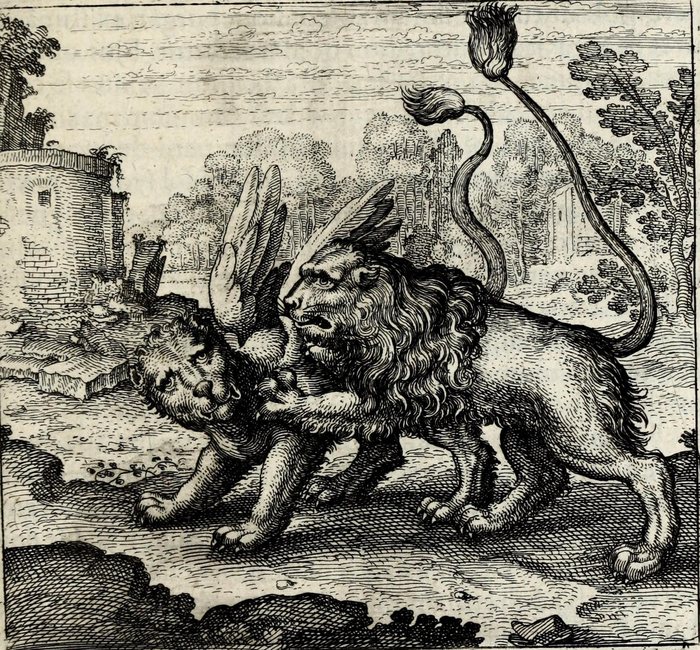
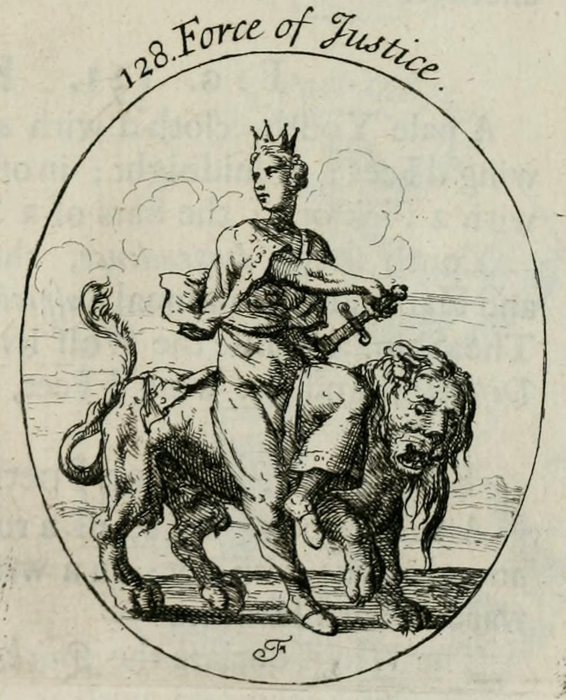
Where the detail is the subject
This is in the picture without being what it is about. Below, one work that is about it.
In the same series
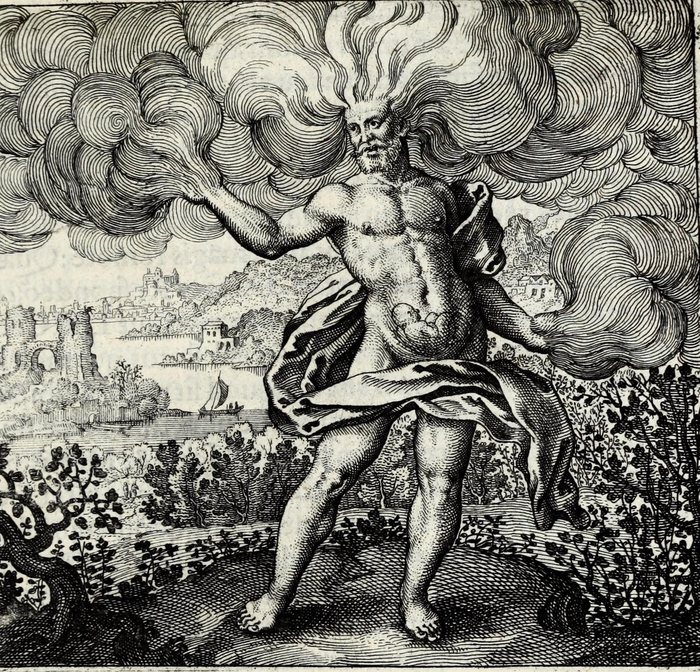 Portavit eum ventus in ventre suo
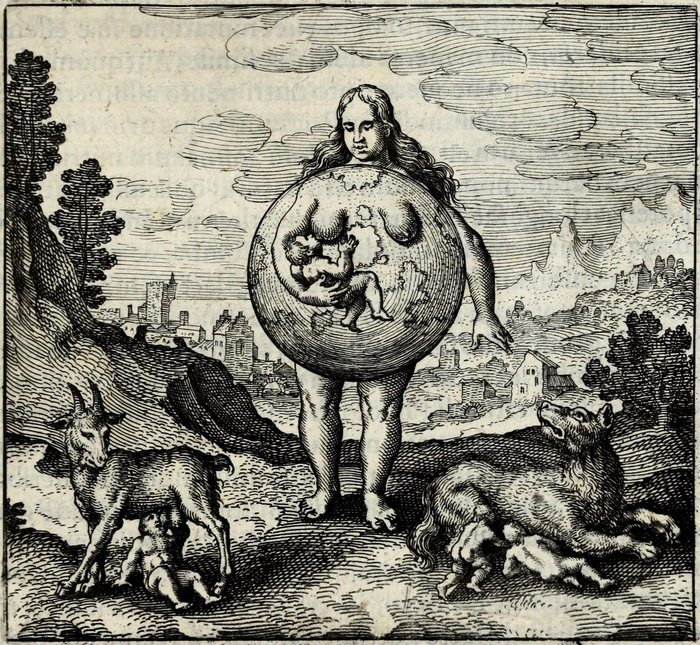 Nutrix ejus terra est
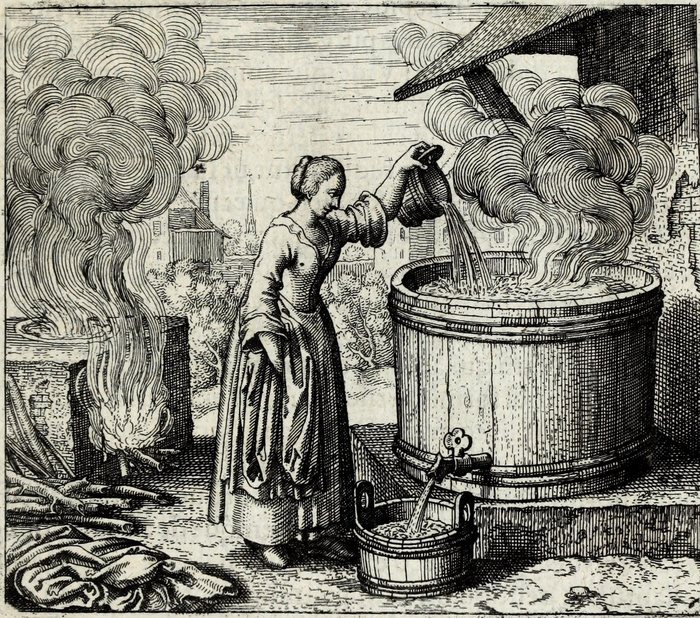 Vade ad mulierem lavantem pannos, tu fac similiter
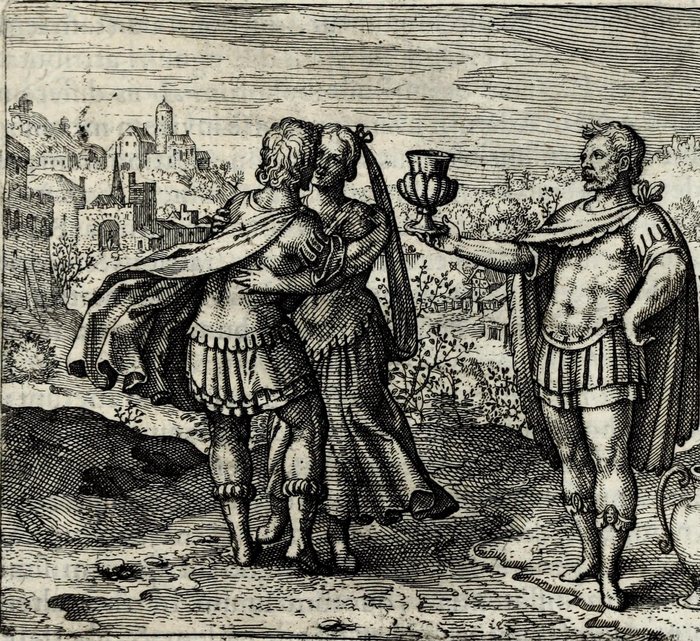 Conjunge fratrem cum sorore & propina illis poculum amoris
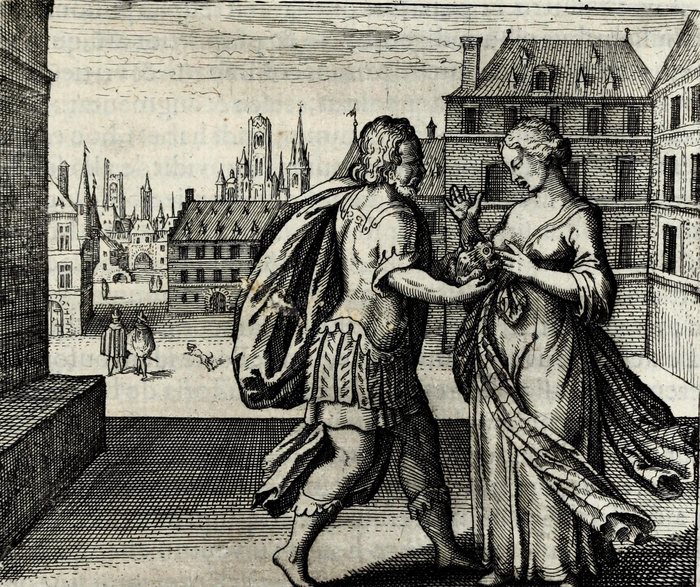 Appone mulieri super mammas bufonem, ut ablactet eum, & moriatur mulier, sitque bufo grossus de lacte
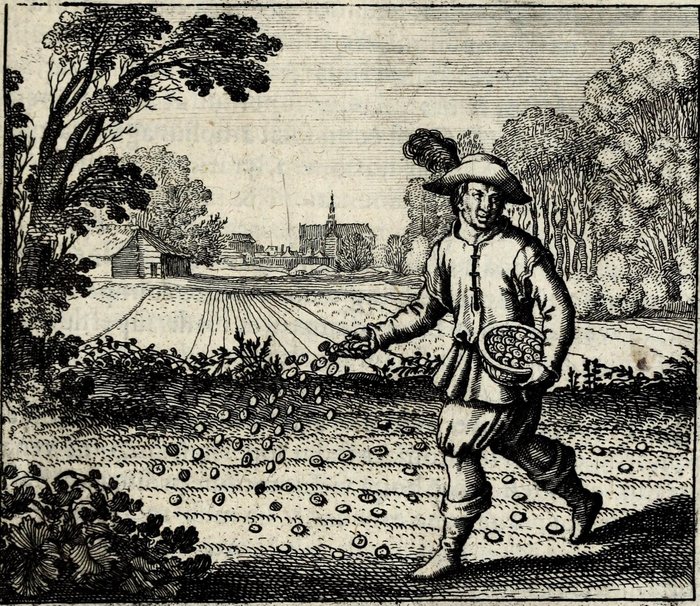 Seminate aurum vestrum in terram albam foliatam
Record
One symbol a week, decoded.
This picture is free at full size from its source, linked above. What an address gets is the Sunday letter: one picture, one symbol marked on it, what it meant and who said so, and the master files of the decoded plates as they are verified. Leave any time.
Free, one letter a week, unsubscribe in one click. How the address is used.
Scroll or pinch to zoom · drag to move · double-tap for 1:1 · 1400 by 1326 pixel web copy; the source file is linked under Record