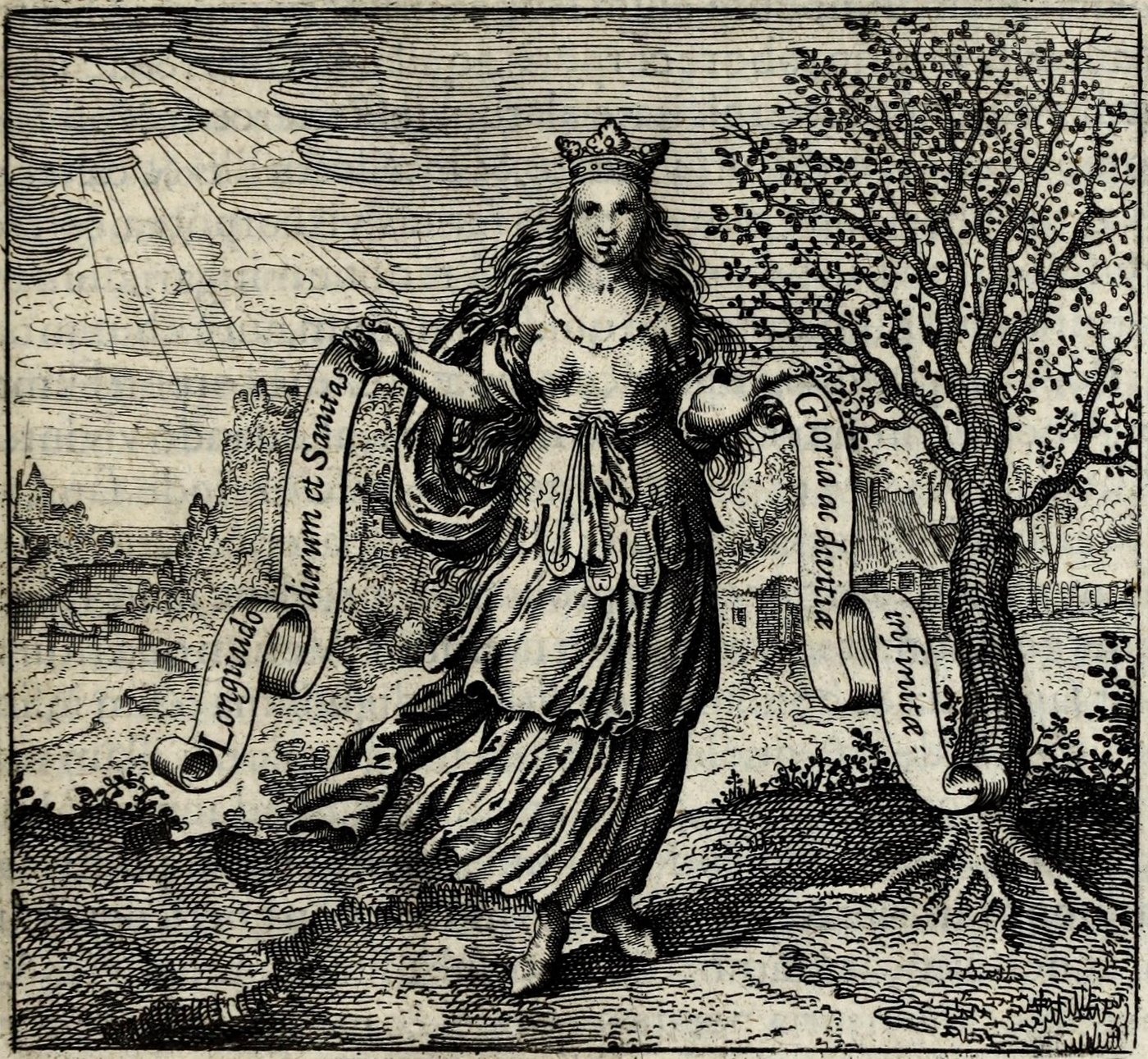
Sapientiæ humanæ fructus Lignum vitæ est
The Tree as the central motif, with the Crown in a secondary part. From Atalanta Fugiens.
What is happening
Michael Maier, 1618 “Sapientiæ humanæ fructus Lignum vitæ est.”
Symbolica, 2026 Maier’s Latin, put into English here: The fruit of human wisdom is the tree of life.
Michael Maier, 1618 “Major in humanis non est sapientia rebus,
Quam qua divitiae vitaque sana venit.
Dextra salubre tenet spaciosi temporis aevum,
Illius at cumulos laeva recondit opum.
Si quis ad hanc ratione manuque accesserit, illi
Vita fructus in hac arboris instar erit.”
Symbolica, 2026 Maier’s epigram, put into English here: There is no greater wisdom in human affairs than the one by which riches and a sound life come. Her right hand holds a healthy span of long time, and her left keeps stores of wealth hidden. If anyone comes to her with reason and with hand, life will be to him like the fruit of this tree.
Key · 2 motifs
Tap a motif on the picture, or a line below. Its note opens under the line, with the reading its author gave it.
- Primary motif
- Secondary motifs · 1
The picture
The crowned woman beside the tree, her banners lettered across the picture. By eye
The reading
The picture read whole, in the archive's words, from the sources quoted on the marks. Read on, and the picture follows: the motif under discussion keeps its colour.
‘Sapientiæ humanæ fructus Lignum vitæ est’: the fruit of human wisdom is the tree of life. A crowned woman stands in a landscape with a banner unrolling from each hand and a tree growing at her right.
‘Major in humanis non est sapientia rebus’, there is no greater wisdom in human affairs, ‘Quam qua divitiae vitaque sana venit’, than the one by which riches and a sound life come. She is that wisdom, crowned, and her banners are her two hands' gifts: ‘Dextra salubre tenet spaciosi temporis aevum’, her right hand holds a healthy span of long time, ‘Illius at cumulos laeva recondit opum’, and her left keeps stores of wealth hidden. Merian lettered the banners in Latin, Longitudo dierum et Sanitas on the right and Gloria ac divitiæ infinitæ on the left, so that the picture carries the sentence of Proverbs the epigram paraphrases.
‘Si quis ad hanc ratione manuque accesserit’, if anyone comes to her with reason and with hand, ‘Vita fructus in hac arboris instar erit’, life will be to him like the fruit of this tree. Reason and hand are the two halves of the alchemist's work, theory and labour, and the tree at her side is what the two together produce. Its fruit is not gold but life, which is what the motto said.
Decoded: every motif is marked, and each mark carries the reading its author gave it, quoted from the text, or says that it is observed on the picture and not read. The reading above is the archive's own, made from those sources and no others.
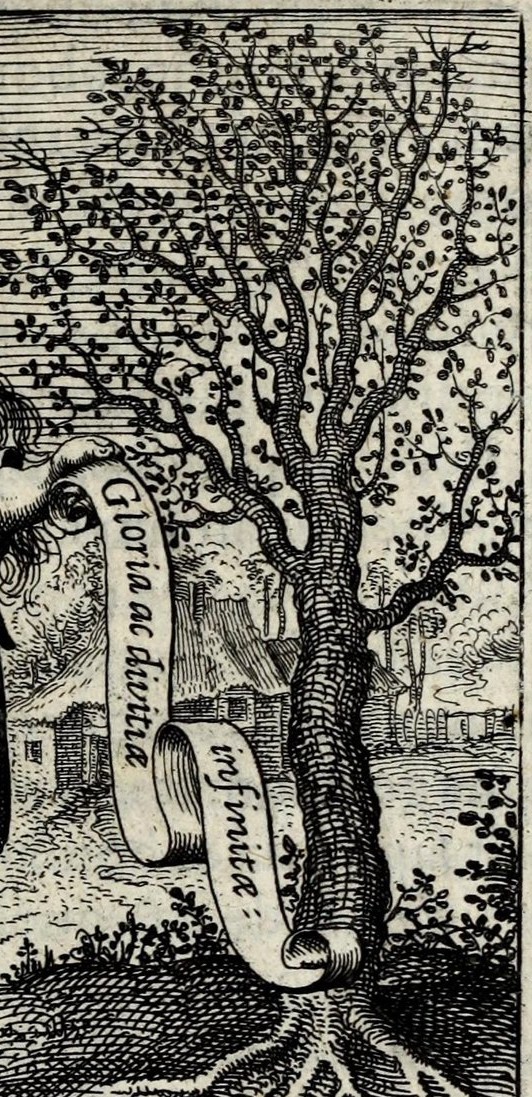
A body drawn as growth. Note which way it grows and what is at the root rather than at the top.
In plain words A tree stands at the right of the crowned woman, and the motto says what it is: the tree of life, whose fruit is human wisdom. Come to wisdom with reason and with hand, Maier says, and life will be to you like the fruit of this tree.
Michael Maier, 1618 “Si quis ad hanc ratione manuque accesserit, illi / Vita fructus in hac arboris instar erit.”
Symbolica Maier's Latin, put into English here: If anyone comes to her with reason and with hand, life will be to him like the fruit of this tree.
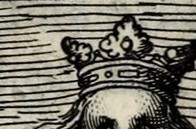
Completion, and in the Kabbalistic reading the first sephirah, the point at which the work is no longer yours.
In plain words The woman is Wisdom, and she is crowned. Her two banners say what she holds: length of days and health in her right hand, glory and endless riches in her left. The crown is the sign that this wisdom rules; the banners are the verse from Proverbs it is drawn from.
Michael Maier, 1618 “Major in humanis non est sapientia rebus, / Quam qua divitiae vitaque sana venit.”
Symbolica Maier's Latin, put into English here: There is no greater wisdom in human affairs than the one by which riches and a sound life come.
Symbolica The banners are lettered Longitudo dierum et Sanitas and Gloria ac divitiæ infinitæ, read off the plate.
Also carrying the Tree
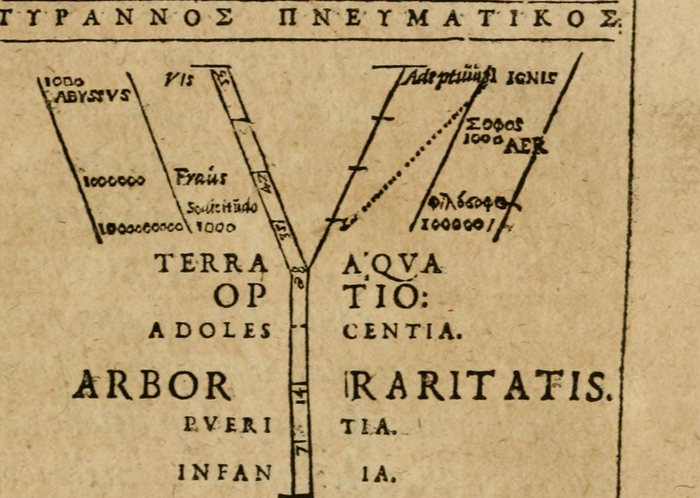
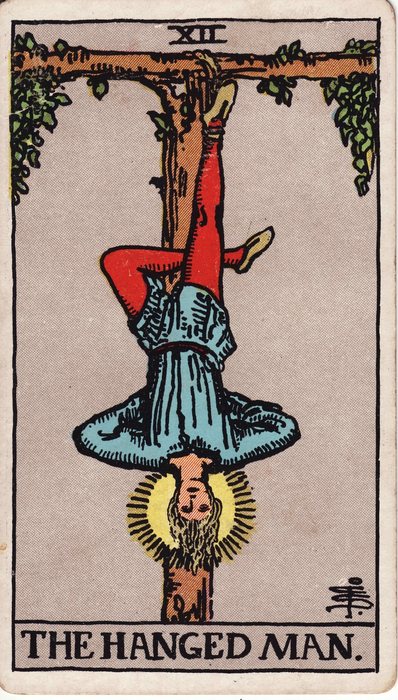
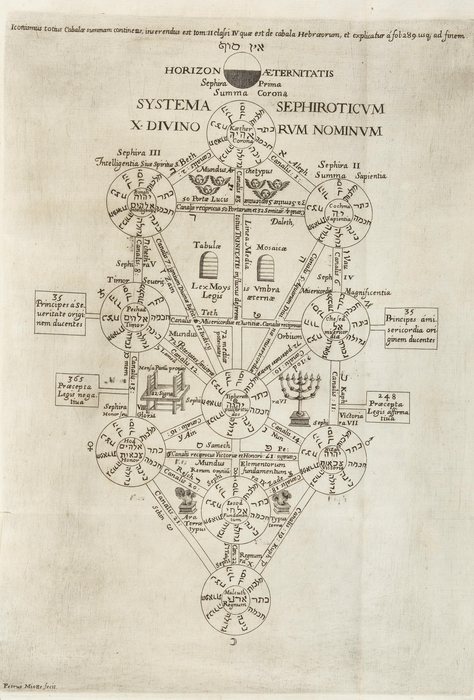
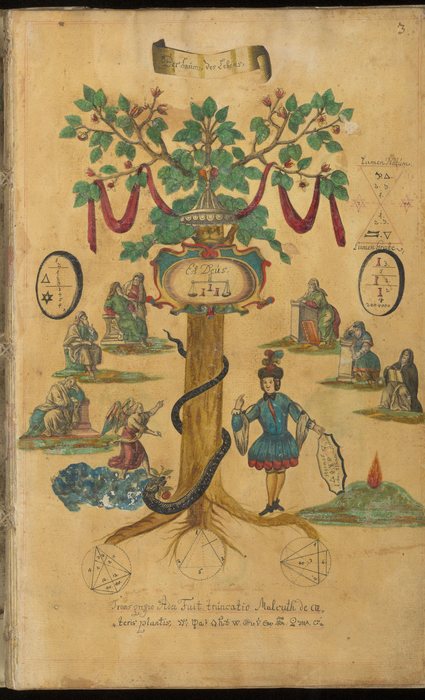
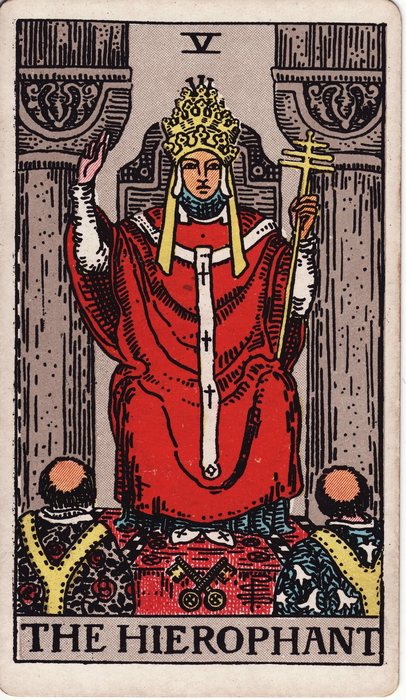
23 works carry it. The 6 where it is the central motif are here. The symbol.
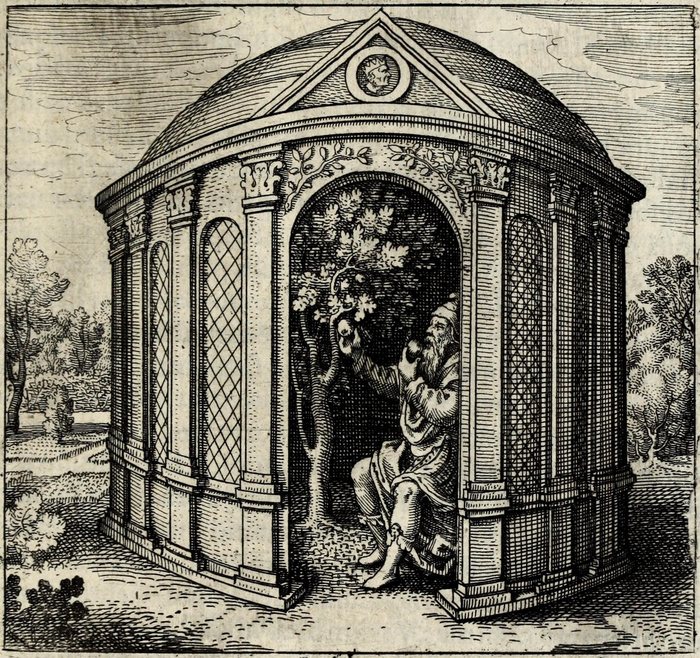
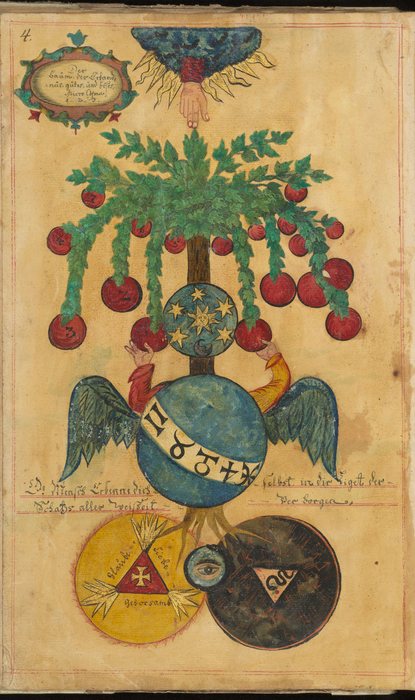
Where the detail is the subject
This is in the picture without being what it is about. Below, one work that is about it.
In the same series
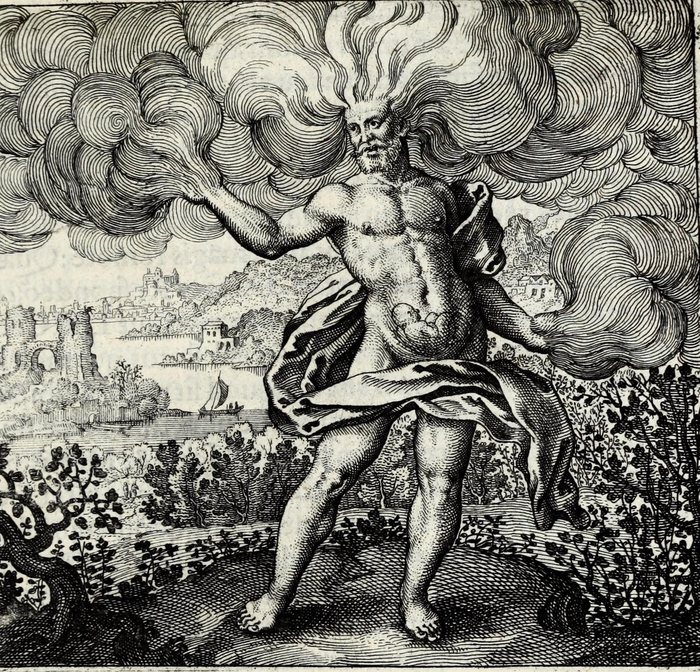 Portavit eum ventus in ventre suo
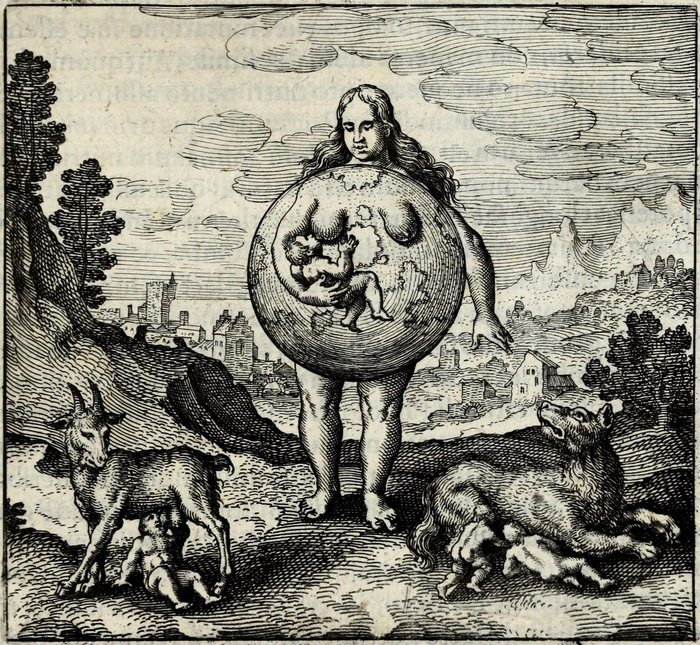 Nutrix ejus terra est
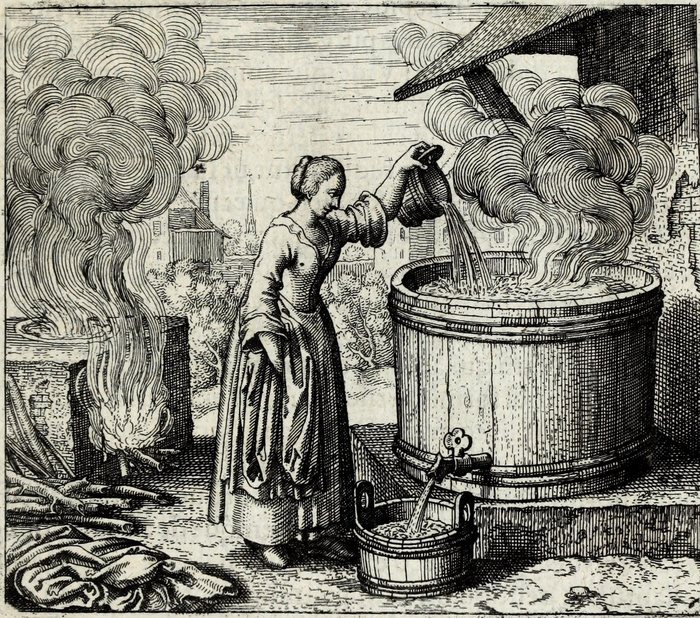 Vade ad mulierem lavantem pannos, tu fac similiter
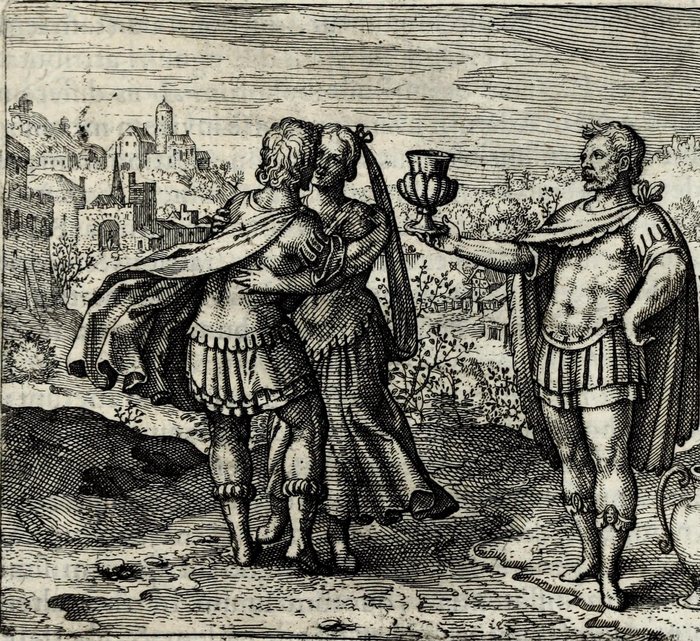 Conjunge fratrem cum sorore & propina illis poculum amoris
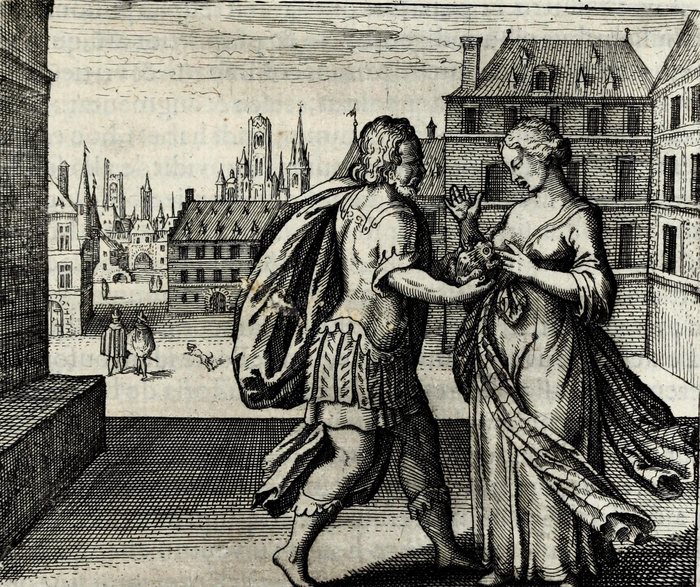 Appone mulieri super mammas bufonem, ut ablactet eum, & moriatur mulier, sitque bufo grossus de lacte
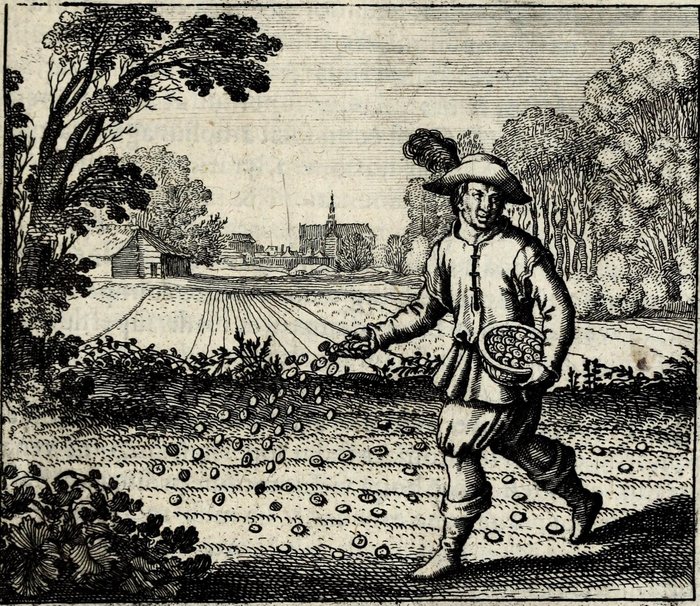 Seminate aurum vestrum in terram albam foliatam
Record
One symbol a week, decoded.
This picture is free at full size from its source, linked above. What an address gets is the Sunday letter: one picture, one symbol marked on it, what it meant and who said so, and the master files of the decoded plates as they are verified. Leave any time.
Free, one letter a week, unsubscribe in one click. How the address is used.
Scroll or pinch to zoom · drag to move · double-tap for 1:1 · 1400 by 1291 pixel web copy; the source file is linked under Record