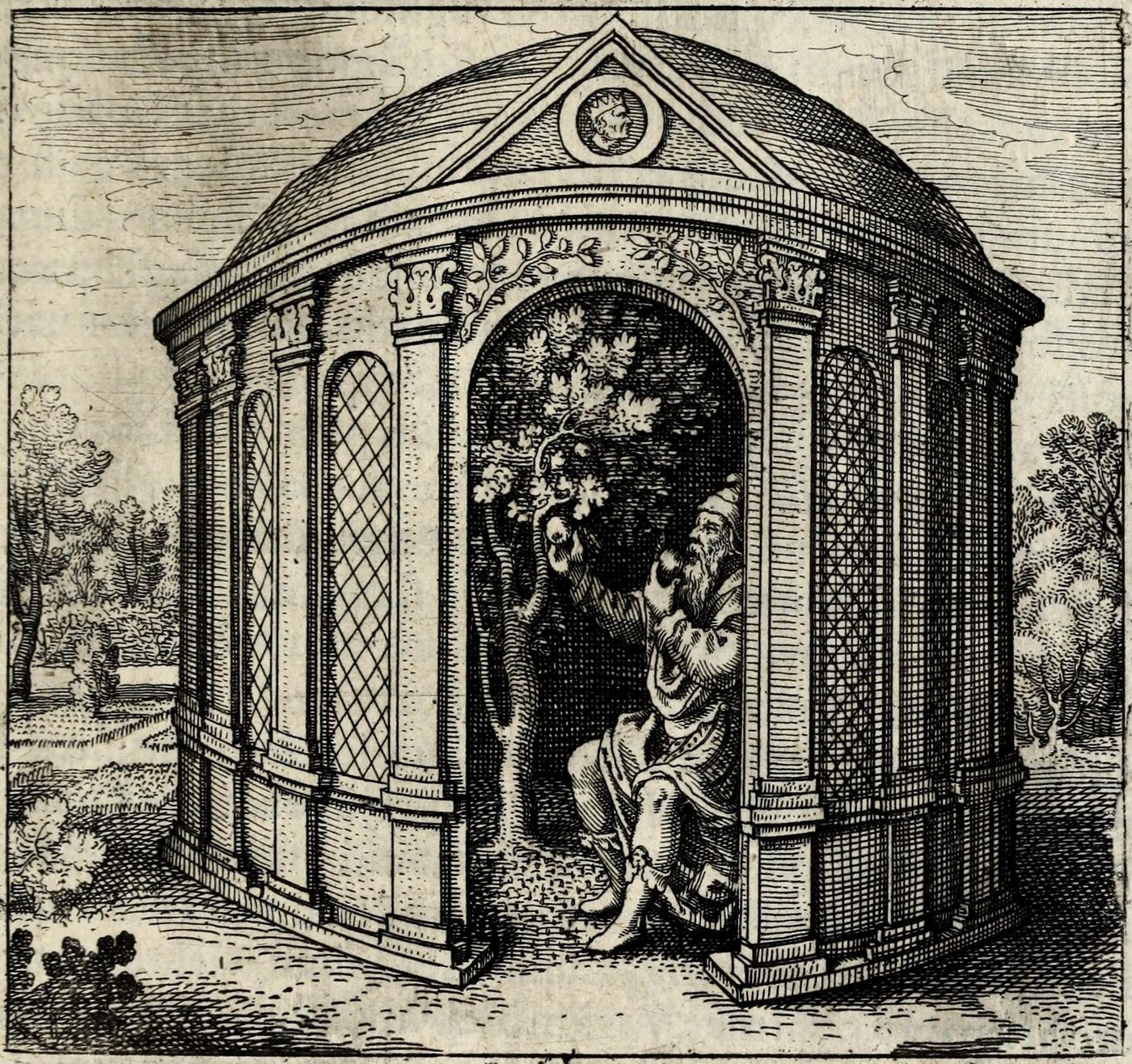
Arborem cum sene conclude in rorida domo, & comedens de fructu ejus fiet juvenis
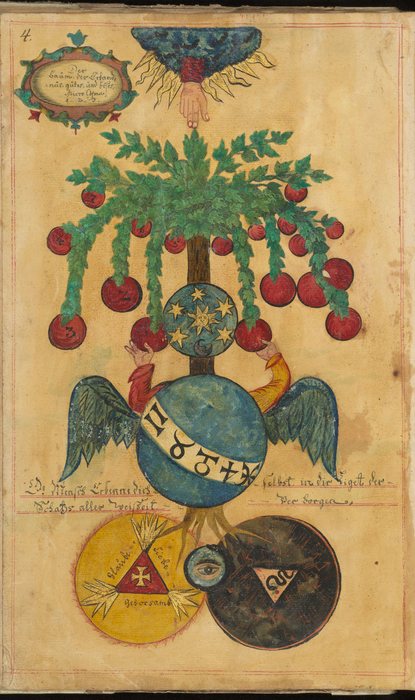
The Tree as the central motif, with the Vessel in a secondary part. From Atalanta Fugiens.
What is happening
Michael Maier, 1618 “Arborem cum sene conclude in rorida domo, & comedens de fructu ejus fiet juvenis.”
Symbolica, 2026 Maier’s Latin, put into English here: Shut the tree up with the old man in a dewy house.
Michael Maier, 1618 “Arbor inest hortis Sophiae dans aurea mala,
Haec tibi cum nostro sit capienda sene;
Inque domo vitrea claudantur, roreque plena,
Et sine per multos haec duo juncta dies:
Tum fructu (mirum!) satiabitur arboris ille
Ut fiat juvenis qui fuit ante senex.”
Symbolica, 2026 Maier’s epigram, put into English here: In the gardens of Wisdom stands a tree giving golden apples. Take it together with our old man, and let them both be shut in a house of glass full of dew, and leave the two joined there many days. Then, a wonder, he will be so filled with the fruit of the tree that he becomes young who before was old.
Key · 2 motifs
Tap a motif on the picture, or a line below. Its note opens under the line, with the reading its author gave it.
- Primary motif
- Secondary motifs · 1
The picture
The tree and the old man enclosed together in a glass house. By eye
The reading
The picture read whole, in the archive's words, from the sources quoted on the marks. Read on, and the picture follows: the motif under discussion keeps its colour.
‘Arborem cum sene conclude in rorida domo, & comedens de fructu ejus fiet juvenis’: shut the tree up with the old man in a dewy house, and eating of its fruit he will become young. Merian made the dewy house a domed pavilion with glass walls, and put the tree and the man inside it.
‘Arbor inest hortis Sophiae dans aurea mala’, in the gardens of Wisdom stands a tree giving golden apples, and it is to be taken, ‘Haec tibi cum nostro sit capienda sene’, together with our old man. He is not a gardener; he is what the fruit is for.
‘Inque domo vitrea claudantur, roreque plena’, let them be shut in a house of glass full of dew, ‘Et sine per multos haec duo juncta dies’, and leave the two joined there many days. Then the wonder: ‘Ut fiat juvenis qui fuit ante senex’, so that he becomes young who before was old. The glass house is the sealed vessel of the work, and the dew is what fills it; the tree and the man are the two things joined inside.
Decoded: every motif is marked, and each mark carries the reading its author gave it, quoted from the text, or says that it is observed on the picture and not read. The reading above is the archive's own, made from those sources and no others.
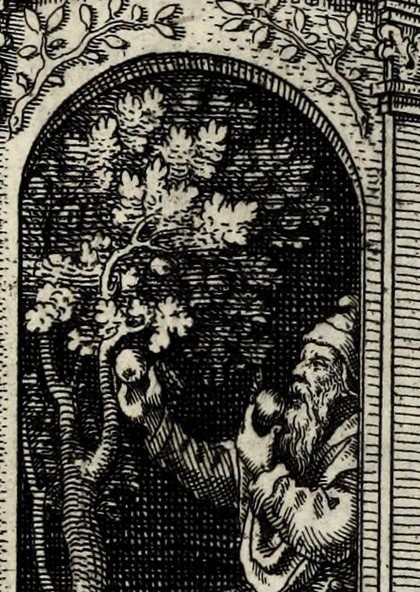
A body drawn as growth. Note which way it grows and what is at the root rather than at the top.
In plain words A tree of golden apples stands in the gardens of Wisdom, and an old man is shut in with it, eating. The tree is the thing that feeds and renews: eat its fruit long enough and the old man becomes young.
Michael Maier, 1618 “Arbor inest hortis Sophiae dans aurea mala, / Haec tibi cum nostro sit capienda sene;”
Symbolica Maier's Latin, put into English here: In the gardens of Wisdom stands a tree giving golden apples. Take it together with our old man,
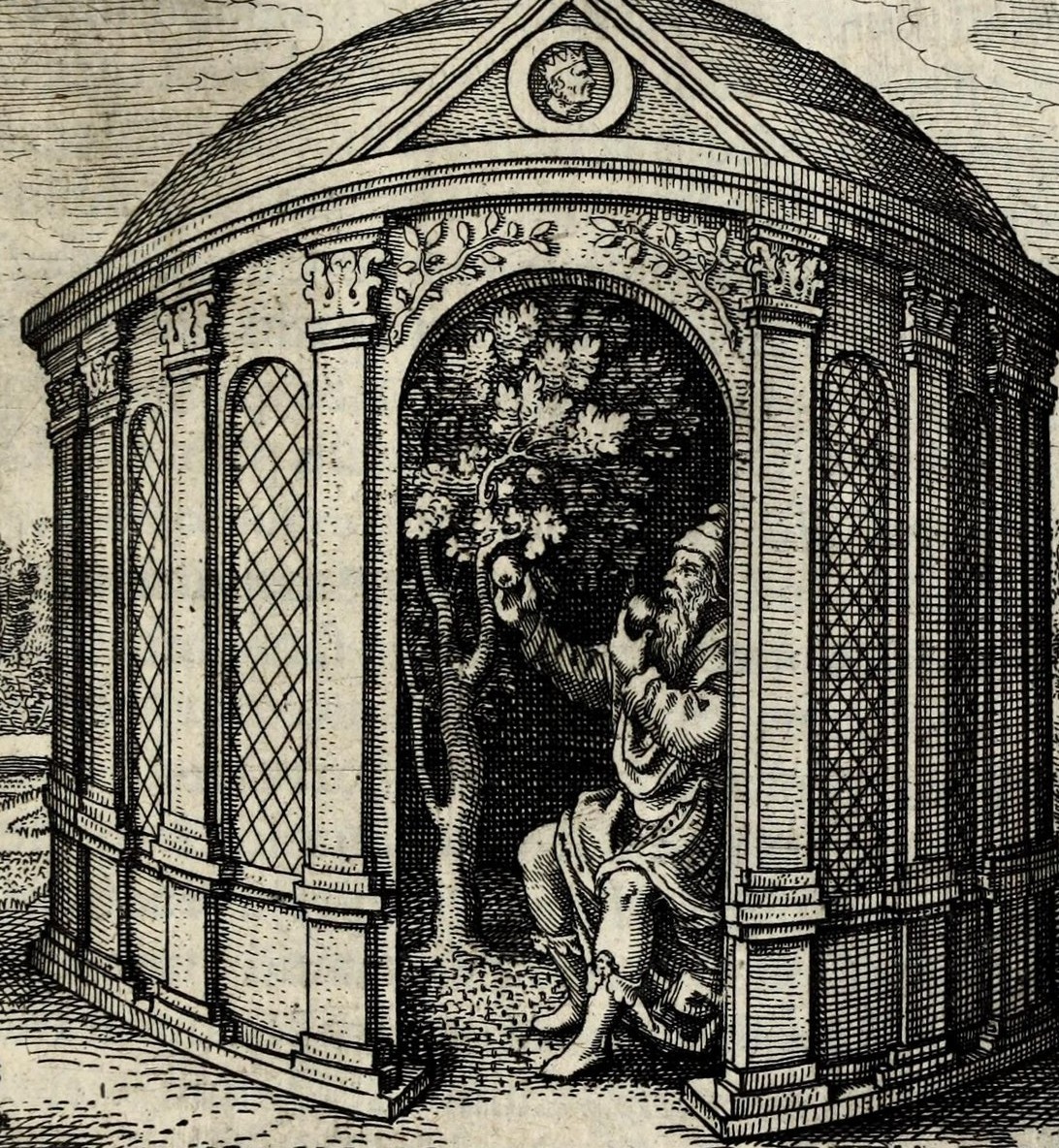
Never the subject. What is inside it is.
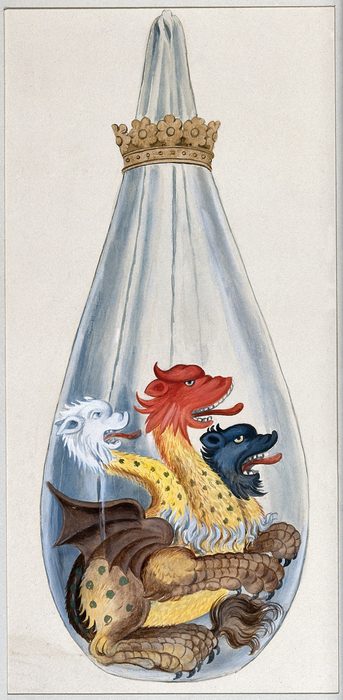
In plain words The house is the vessel: a round building with walls of glass, full of dew, and the two are sealed in it for many days. An alchemist's flask, drawn as architecture.
Michael Maier, 1618 “Inque domo vitrea claudantur, roreque plena, / Et sine per multos haec duo juncta dies:”
Symbolica Maier's Latin, put into English here: and let them both be shut in a house of glass full of dew, and leave the two joined there many days.
Also carrying the Tree
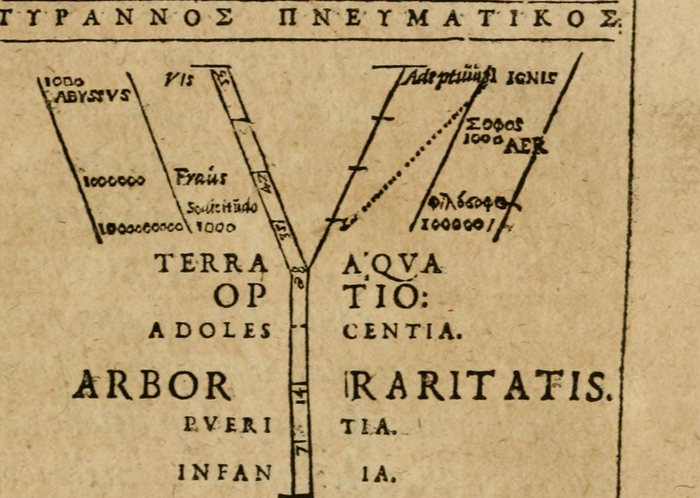
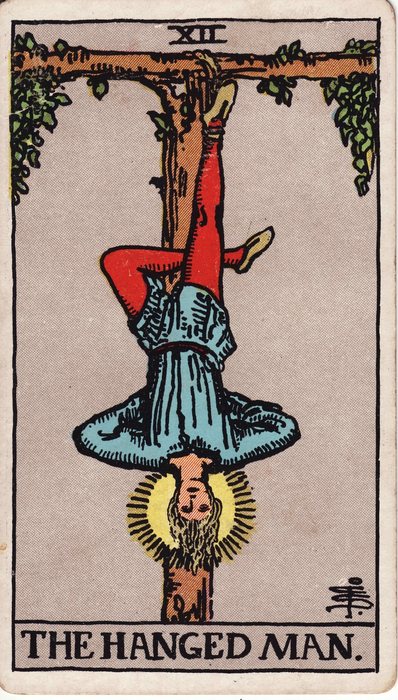
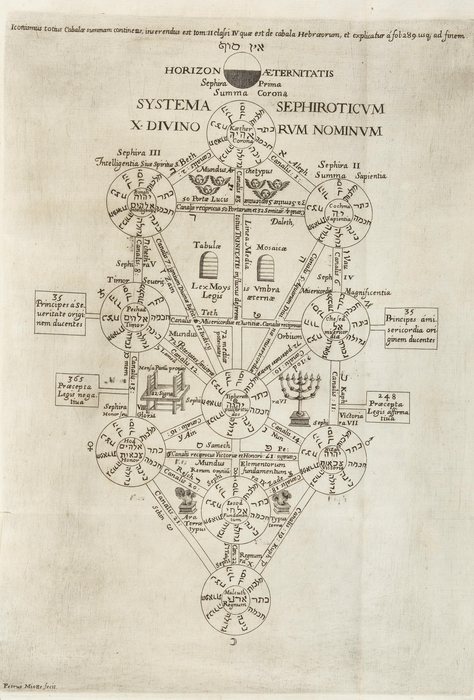
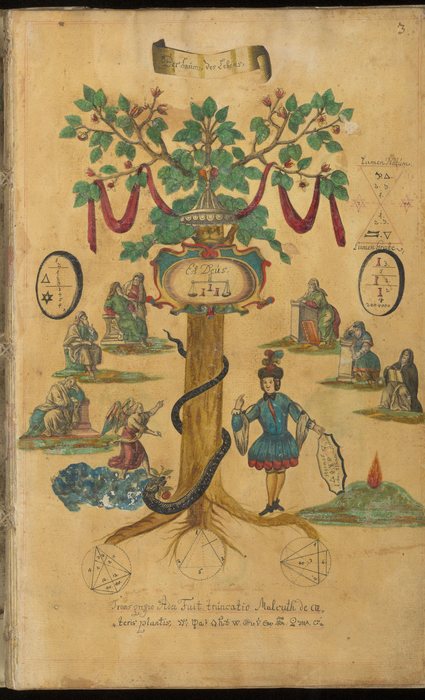
23 works carry it. The 6 where it is the central motif are here. The symbol.
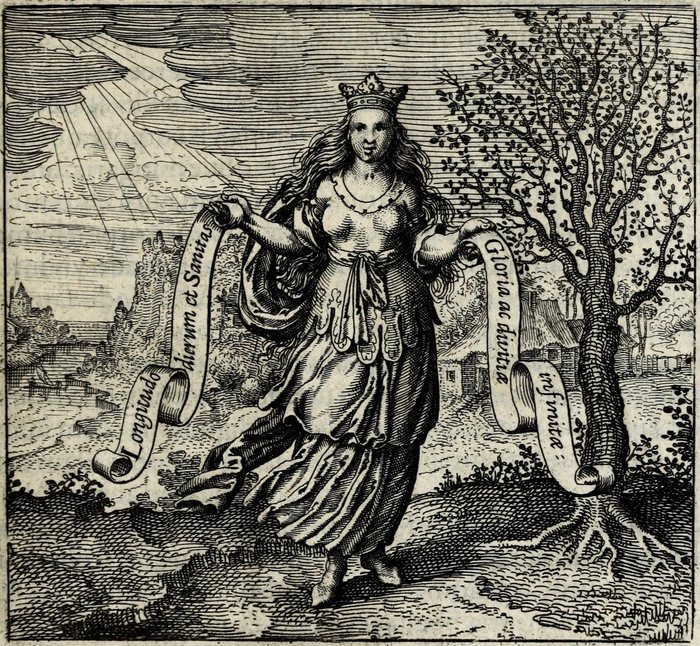
Where the detail is the subject
This is in the picture without being what it is about. Below, one work that is about it.
In the same series
 Portavit eum ventus in ventre suo
 Nutrix ejus terra est
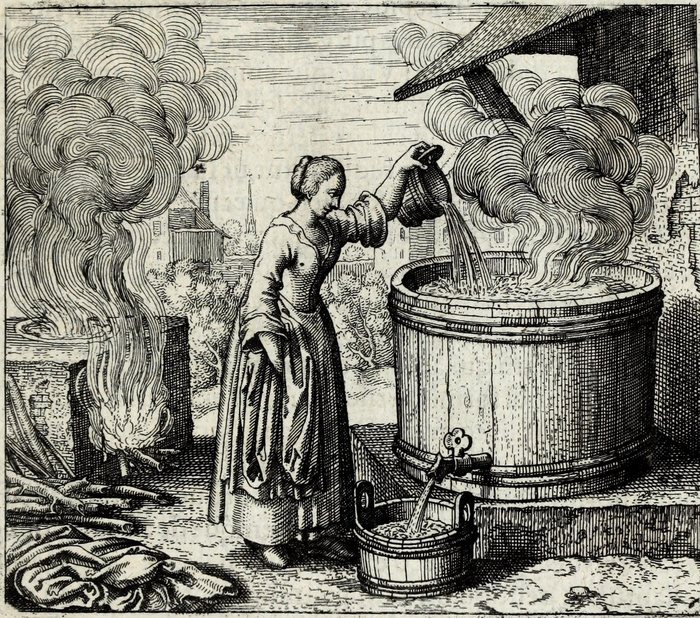 Vade ad mulierem lavantem pannos, tu fac similiter
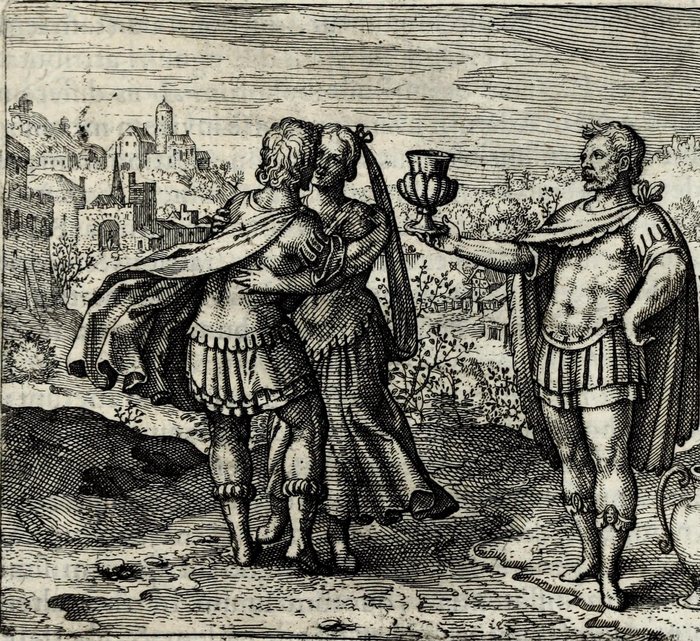 Conjunge fratrem cum sorore & propina illis poculum amoris
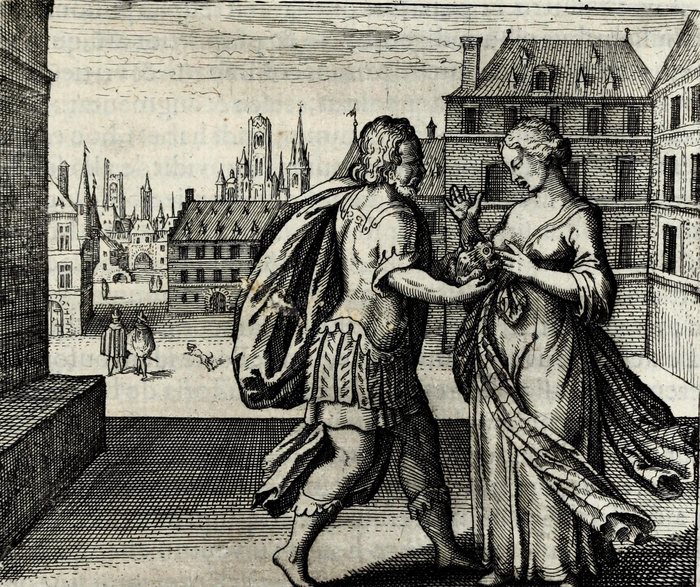 Appone mulieri super mammas bufonem, ut ablactet eum, & moriatur mulier, sitque bufo grossus de lacte
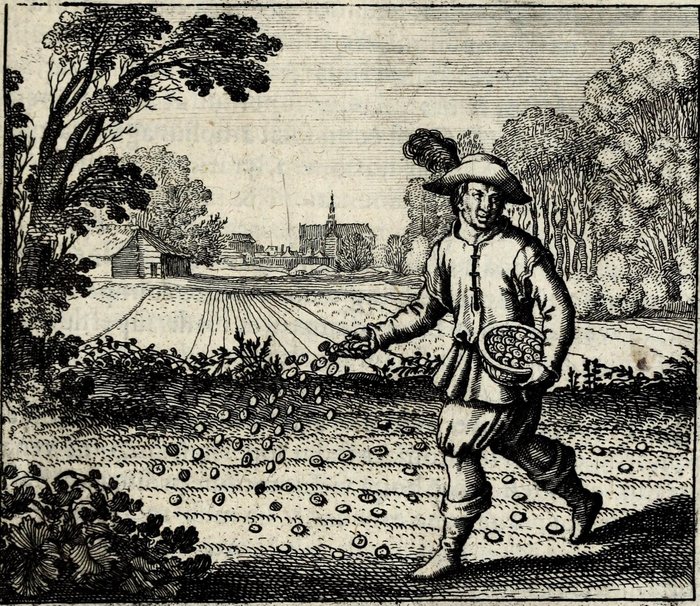 Seminate aurum vestrum in terram albam foliatam
Record
One symbol a week, decoded.
This picture is free at full size from its source, linked above. What an address gets is the Sunday letter: one picture, one symbol marked on it, what it meant and who said so, and the master files of the decoded plates as they are verified. Leave any time.
Free, one letter a week, unsubscribe in one click. How the address is used.
Scroll or pinch to zoom · drag to move · double-tap for 1:1 · 1400 by 1316 pixel web copy; the source file is linked under Record