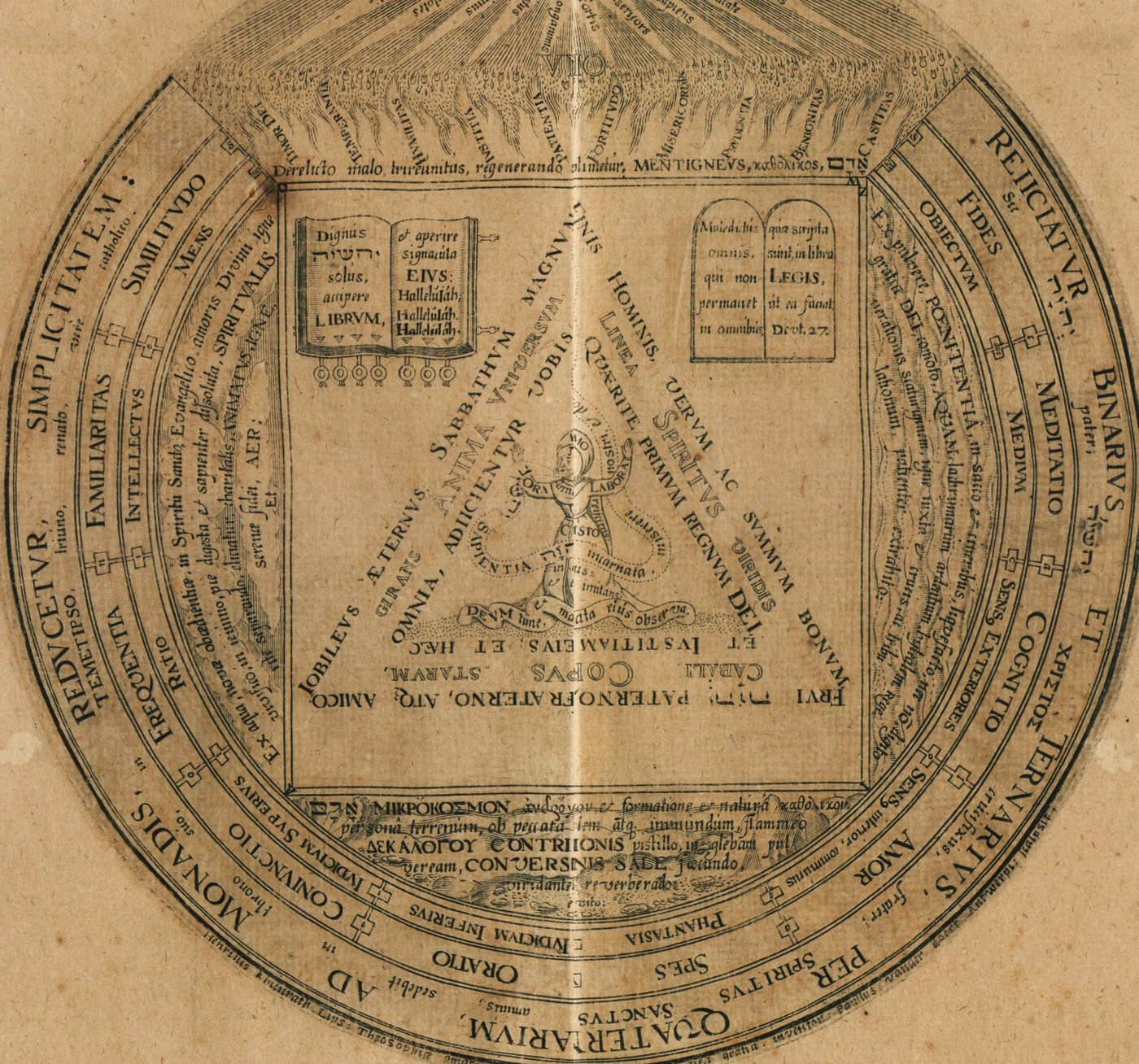
The regenerate man, Ora and Labora lettered on his arms, with the Book and its seals
The Divine as the central motif, with the Triangle and the Pyramid in a secondary part. From Amphitheatrum.
What is happening
Heinrich Khunrath, 1609 “Cognitio. Amor. Spes. Phantasia. Sensus exteriores. Sensus interior. Simplicitatem. Similitudo. Mens. Familiaritas. Intellectus. Et Ternarius per Spiritus Sanctus, Quaternarius.”
Paullus van der Doort, 1609 “Dei gratia inventor: Paullus vander Doort Antwerp: sculpsit.”
Symbolica, 2026 Khunrath's Latin, put into English here. On the man: Pray. Work. In Christ. In the book: Worthy is Jesus alone to take the Book and to open its seals, Hallelujah, which is the Apocalypse, chapter five, with the Lamb's name written in Hebrew. On the rays: the fear of God, temperance, humility, justice, patience, fortitude, mercy, prudence, kindness, chastity. On the ribbon: fear God, and keep his commandments. In the rings: knowledge, love, hope, imagination, the outer senses, the inner sense, simplicity, likeness, mind, familiarity, understanding, and the Three through the Holy Spirit, the Four. This is the plate that puts Khunrath's two words on a body: Ora on one arm and Labora on the other, the same pair that the Citadel's caption gives as praying theosophically and working physico-chemically. Much of the smaller lettering, in Latin, Greek and Hebrew, is not yet transcribed. Read again at the size of the archive's image, the man stands inside a triangle whose three sides are lettered Seek first the Kingdom of God and his justice, and all these things shall be added to you, and the rings about him read Wisdom incarnate; the drops from the glory are ten streams, not six, and the ribbon under his feet begins Fear God.
Key · 2 motifs
Tap a motif on the picture, or a line below. Its note opens under the line, with the reading its author gave it.
- Primary motif
- Secondary motifs · 1
The picture
A circle of lettered rings, and inside it a square holding a standing man lettered Christo on his body and Ora and Labora on his arms, framed by a triangle lettered with seek first the Kingdom of God, an open book with its seals at the left, the tablets of the Law at the right, and the virtues raining down as lettered drops from the Name in a glory at the top. By eye
The reading
The picture read whole, in the archive's words, from the sources quoted on the marks. Read on, and the picture follows: the motif under discussion keeps its colour.
A circle of lettered rings, a square inside the circle, and inside the square a man with his arms raised. He is lettered: ‘Ora. Labora. Christo.’, pray on one arm, work on the other, in Christ across his body, and the rings about his head and heart read ‘Sapientia incarnata’, wisdom incarnate.
He stands inside a triangle, and the triangle is a sentence running along its three sides: ‘Quaerite primum Regnum Dei, et iustitiam eius, et haec omnia adiicientur vobis’, seek first the Kingdom of God and his justice, and all these things shall be added to you. The ribbon under his feet is the other half of the counsel, ‘Deum time, et mandata eius observa’, fear God and keep his commandments. A praying and working man, framed by the two sentences that tell him why.
Above him the Name burns at the top of the plate, and what falls from it falls as rain. Ten streams of drops come down out of the glory, each lettered: ‘Timor Dei. Temperantia. Humilitas. Justitia. Patientia. Fortitudo. Misericordia. Prudentia. Benignitas. Castitas.’, the fear of God, temperance, humility, justice, patience, fortitude, mercy, prudence, kindness, chastity. At the left an open book hangs its seven seals below it and says ‘Dignus Yehoshuah solus, accipere Librum, et aperire signacula eius: Hallelujah, Hallelujah, Hallelujah’, worthy is Jesus alone to take the Book and open its seals, the fifth chapter of the Apocalypse, with the name of Jesus in Hebrew as the Christian Kabbalists wrote it, the four letters of the Name with a shin set in. At the right stand the two tablets of the Law.
The rings round the square are lettered with the faculties of the soul, ‘Cognitio. Amor. Spes. Phantasia. Sensus exteriores. Sensus interior.’ among them, as far as the archive reads them. Van der Doort signed himself ‘Dei gratia inventor’, inventor by the grace of God, which on this plate is not a formula.
Decoded: every motif is marked, and each mark carries the reading its author gave it, quoted from the text, or says that it is observed on the picture and not read. The reading above is the archive's own, made from those sources and no others.
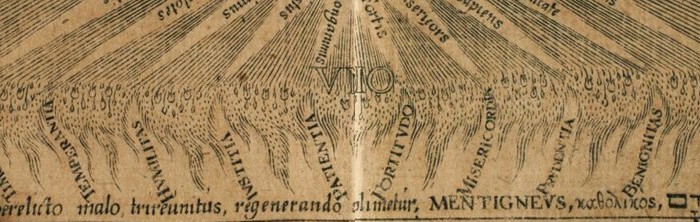
God shown, or pointed at. Look for what stands where a face would be: a name in a cloud, a circle above the top of a diagram, a ring of verses, a sign over a head.
In plain words God is at the top as the Name in a burst of light, and what comes down from it is rain: ten streams of drops, each lettered with a virtue, the fear of God first and chastity last. At the left an open book with seven seals hanging from it says that Jesus alone is worthy to take the Book and open its seals, which is the Apocalypse, with his name written in Hebrew as the four letters of the Name with a shin set in.
Heinrich Khunrath, 1609 “Timor Dei. Temperantia. Humilitas. Justitia. Patientia. Fortitudo. Misericordia. Prudentia. Benignitas. Castitas.”
Heinrich Khunrath, 1609 “Dignus Yehoshuah solus, accipere Librum, et aperire signacula eius: Hallelujah, Hallelujah, Hallelujah.”
Heinrich Khunrath, 1609 “Deum time, et mandata eius observa.”
Symbolica The Latin, put into English here: the fear of God, temperance, humility, justice, patience, fortitude, mercy, prudence, kindness, chastity; worthy is Jesus alone to take the Book and to open its seals, Hallelujah; fear God, and keep his commandments.
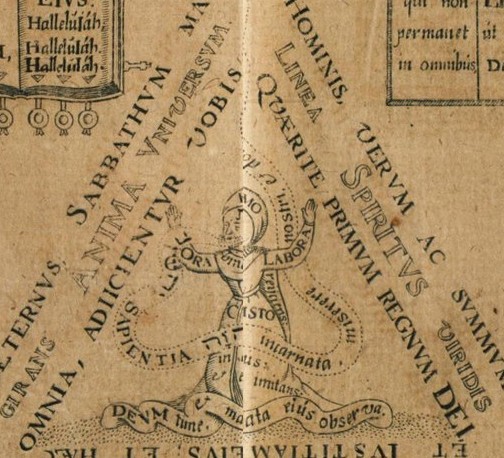
A number made visible. Count the points and then find what else in the picture comes in threes.
In plain words The regenerate man stands with his arms raised, pray on one arm, work on the other, in Christ on his body, wisdom incarnate in rings about him. The triangle round him is a sentence: seek first the Kingdom of God and his justice, and all these things shall be added to you. He is inside the sentence the way the Name is inside its pyramid on the plate before this one.
Heinrich Khunrath, 1609 “Ora. Labora. Christo.”
Heinrich Khunrath, 1609 “Sapientia incarnata.”
Heinrich Khunrath, 1609 “Quaerite primum Regnum Dei, et iustitiam eius, et haec omnia adiicientur vobis.”
Symbolica The Latin, put into English here: pray, work, in Christ; wisdom incarnate; seek first the Kingdom of God and his justice, and all these things shall be added to you, which is Matthew, chapter six.
Also carrying the Divine
39 works carry it. The 6 where it is the central motif are here. The symbol.
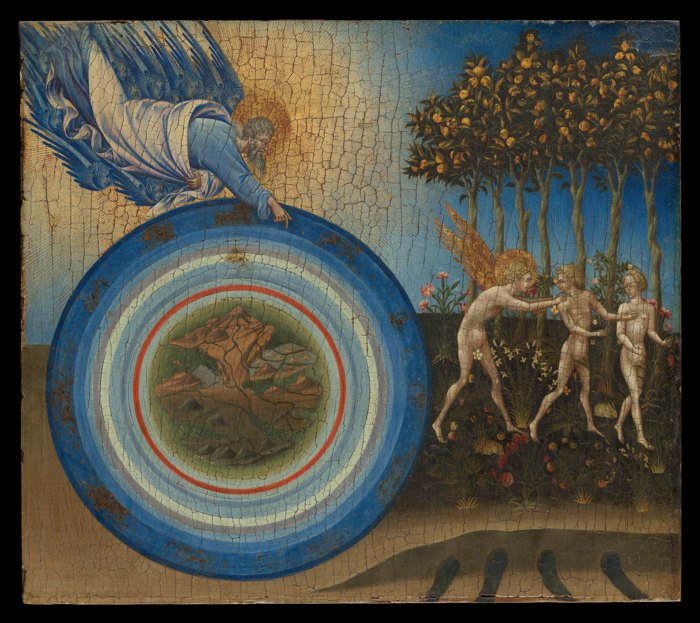
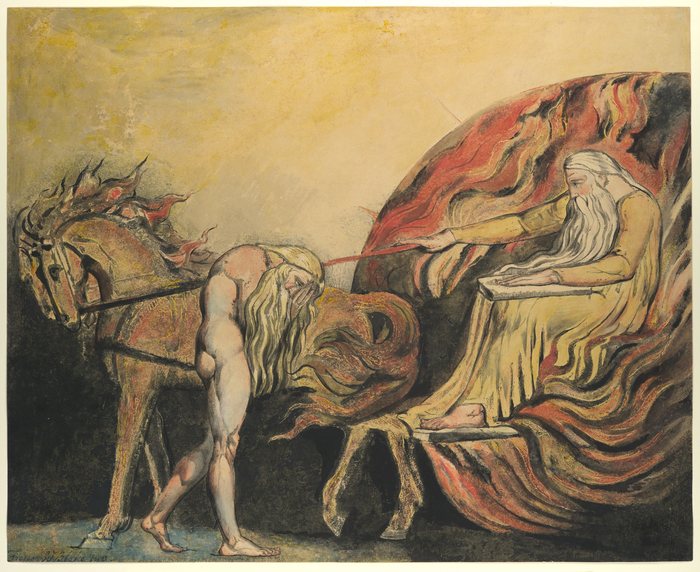
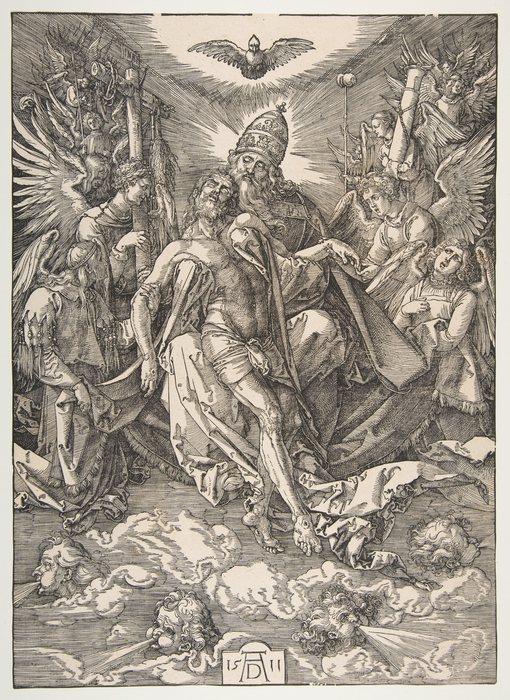
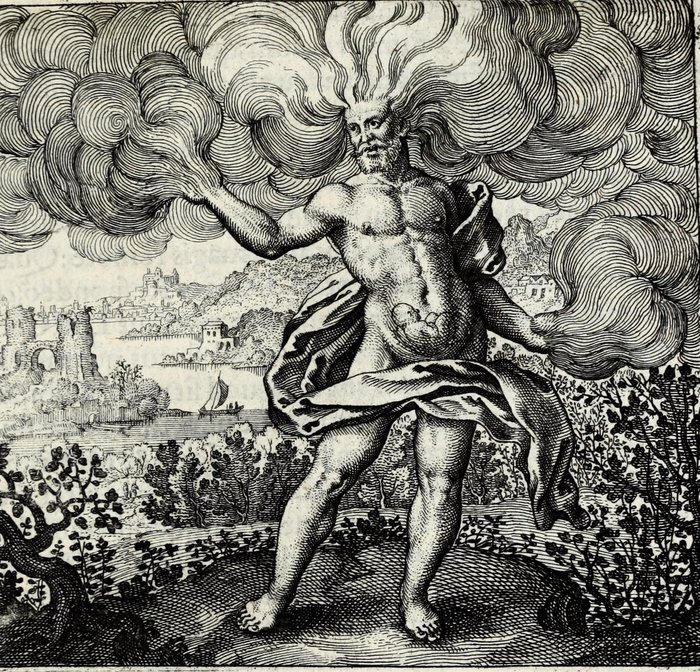
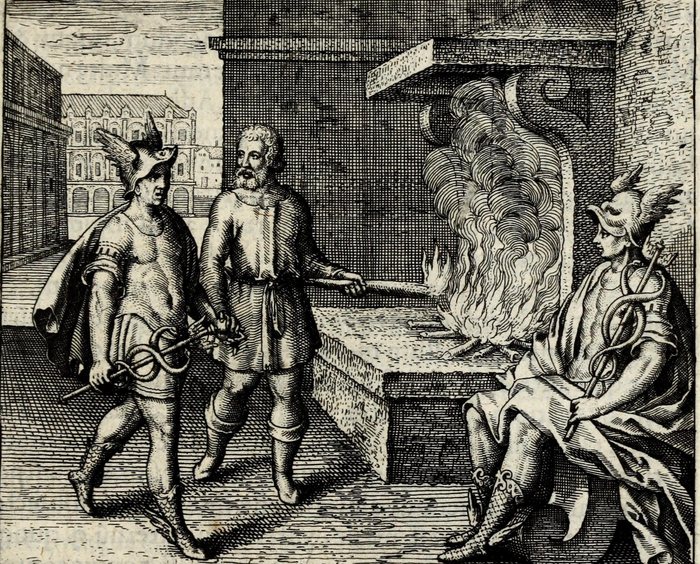
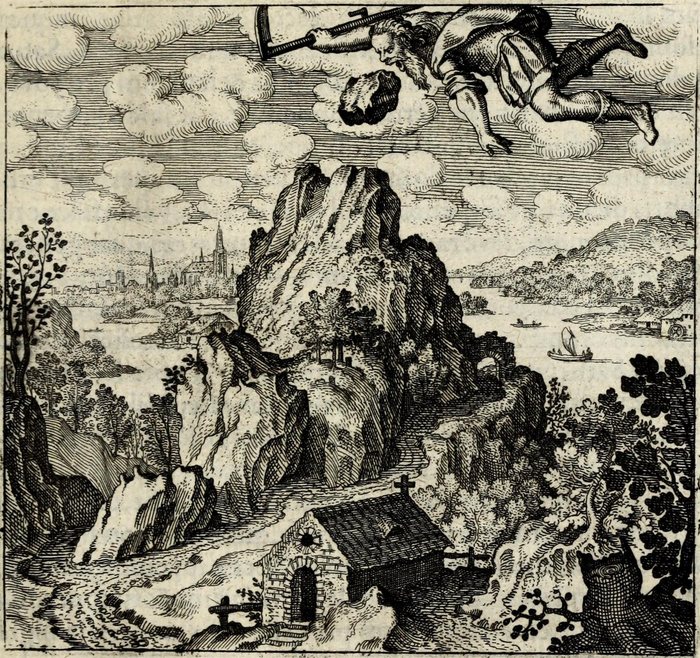
Where the detail is the subject
This is in the picture without being what it is about. Below, one work that is about it.
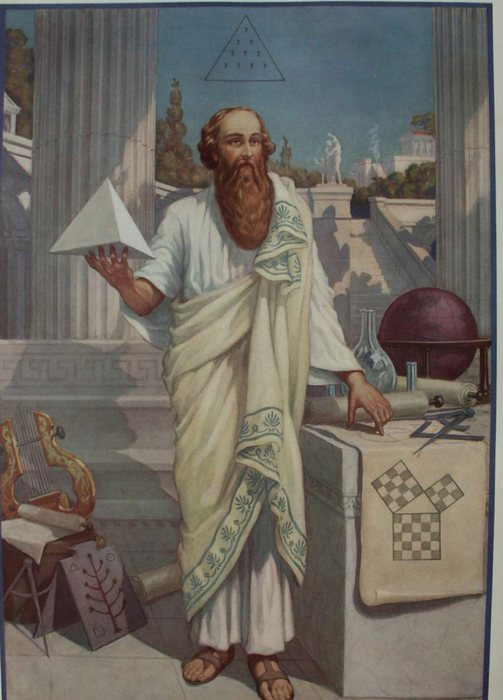
In the same series
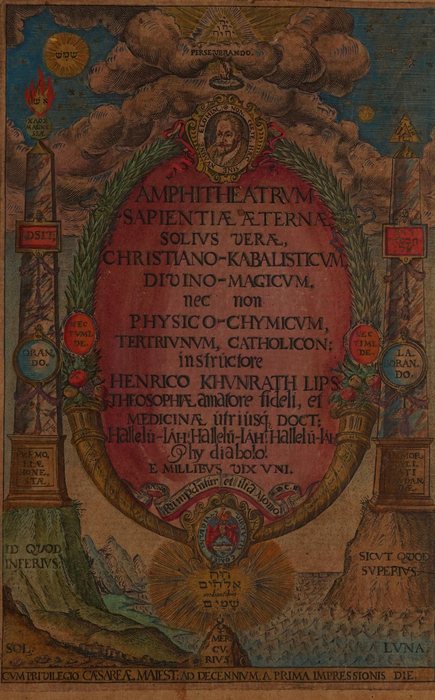
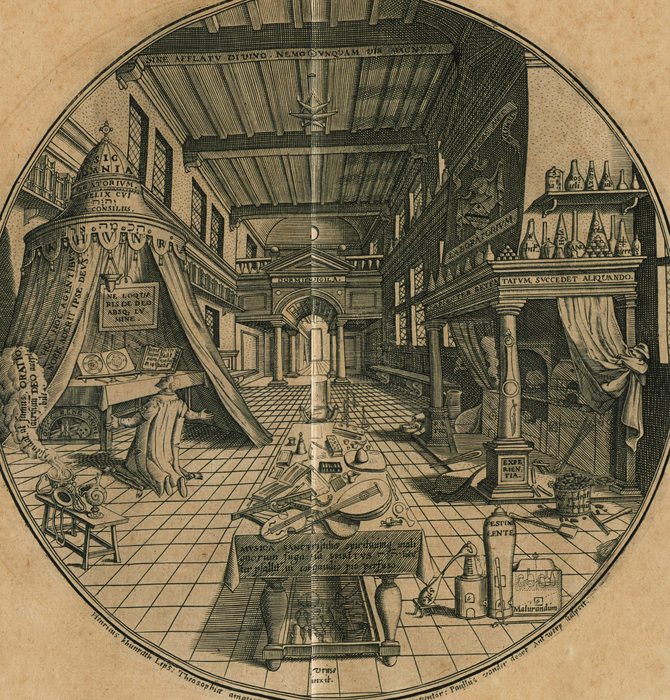
Record
One symbol a week, decoded.
This picture is free at full size from its source, linked above. What an address gets is the Sunday letter: one picture, one symbol marked on it, what it meant and who said so, and the master files of the decoded plates as they are verified. Leave any time.
Free, one letter a week, unsubscribe in one click. How the address is used.
Scroll or pinch to zoom · drag to move · double-tap for 1:1 · 1400 by 1308 pixel web copy; the source file is linked under Record