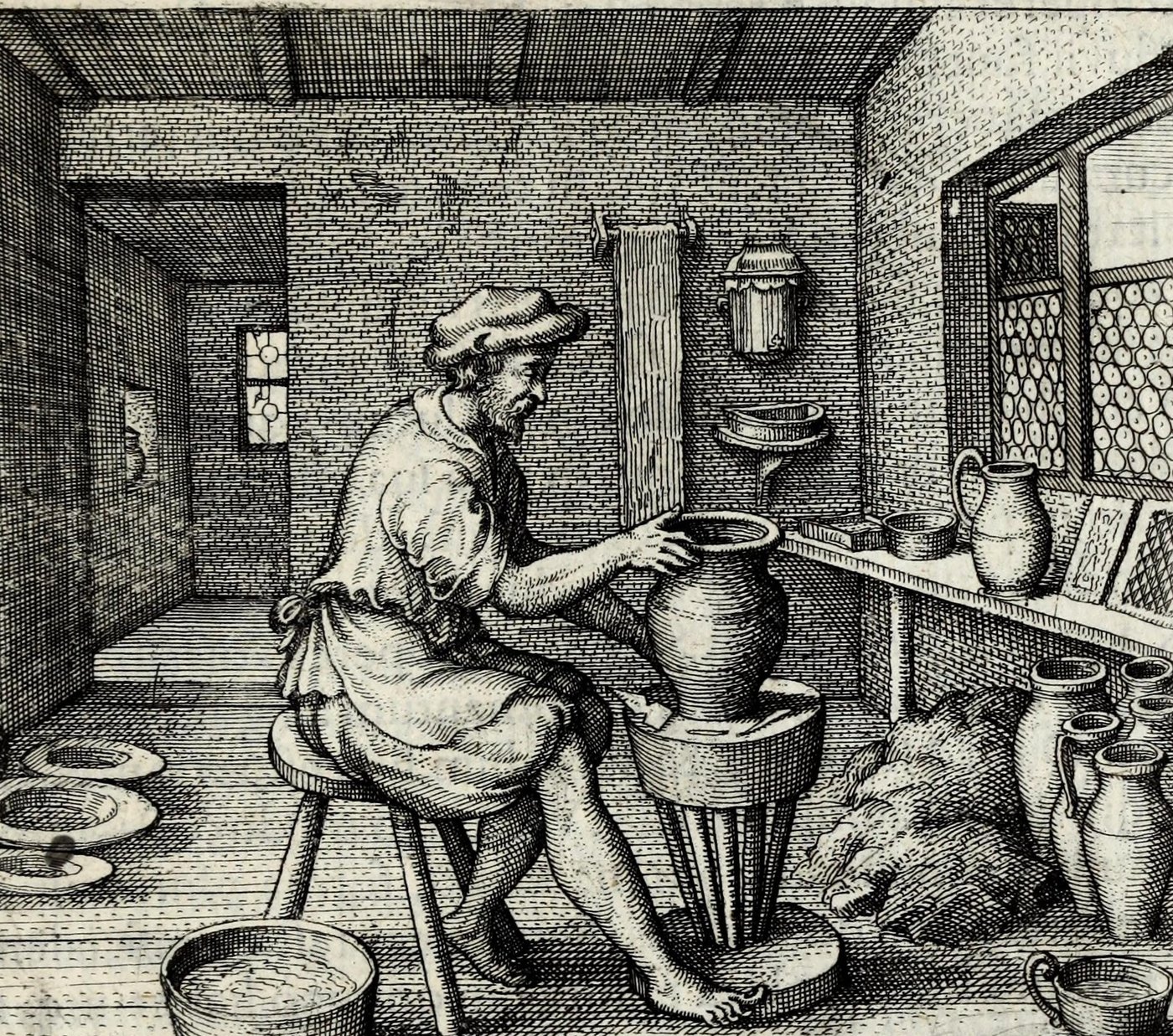
Opus figuli, consistens in sicco & humido, te doceat
The Vessel as the central motif, with the Water in a secondary part. From Atalanta Fugiens.
What is happening
Michael Maier, 1618 “Opus figuli, consistens in sicco & humido, te doceat.”
Symbolica, 2026 Maier’s Latin, put into English here: Let the potter's work teach you, made of the dry and the wet.
Michael Maier, 1618 “Aspice quam celeri figulus sua vasa figuret
Axe rotae, argillam dum pede miscet aquae:
In binis illi est fiducia rebus, ut humor
Pulveribus siccis temperet arte sitim.
Sic quoque tu facies exemplo doctior isto,
Terram aqua ne superet, nec superetur humo.”
Symbolica, 2026 Maier’s epigram, put into English here: See how fast the potter shapes his vessels on the axle of the wheel, while his foot mixes the clay with water. His confidence rests on two things, that the wet should temper by art the thirst of the dry powder. So you too will work, made wiser by this example: let the water not overcome the earth, nor be overcome by it.
Key · 2 motifs
Tap a motif on the picture, or a line below. Its note opens under the line, with the reading its author gave it.
- Primary motif
- Secondary motifs · 1
The picture
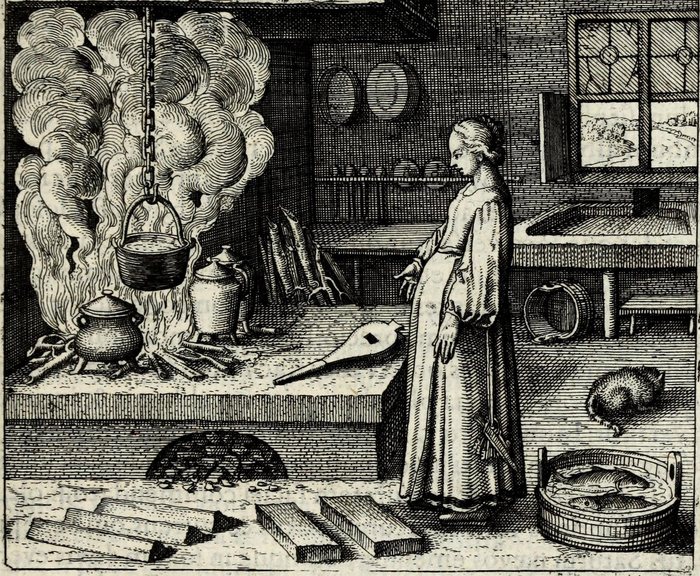
The potter at his wheel shaping a pot, his pots on the shelves and the floor about him, a tub of water at his feet. By eye
The reading
The picture read whole, in the archive's words, from the sources quoted on the marks. Read on, and the picture follows: the motif under discussion keeps its colour.
‘Opus figuli, consistens in sicco & humido, te doceat’: let the potter's work, made of the dry and the wet, teach you. A workshop with a man at the wheel, his pots on the shelves and the floor, and a tub of water by the door.
‘Aspice quam celeri figulus sua vasa figuret / Axe rotae’, see how fast the potter shapes his vessels on the axle of the wheel, ‘argillam dum pede miscet aquae’, while his foot mixes the clay with water. His confidence, Maier says, rests on two things, ‘ut humor / Pulveribus siccis temperet arte sitim’, that the wet should temper by art the thirst of the dry powder. The pot on the wheel is what that balance produces.
The tub is the wet half. ‘Sic quoque tu facies exemplo doctior isto’, so you too will work, made wiser by this example, ‘Terram aqua ne superet, nec superetur humo’, let the water not overcome the earth, nor be overcome by it. The emblem has no fire in it, which is unusual in this book: the lesson is proportion, not heat.
Decoded: every motif is marked, and each mark carries the reading its author gave it, quoted from the text, or says that it is observed on the picture and not read. The reading above is the archive's own, made from those sources and no others.
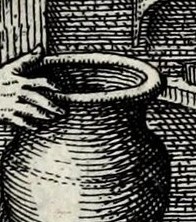
Never the subject. What is inside it is.
In plain words A potter at his wheel, a pot rising under his hands. The vessel here is being made rather than used, and the making is the lesson: clay and water, the dry and the wet, held in proportion so that neither wins.
Michael Maier, 1618 “Aspice quam celeri figulus sua vasa figuret / Axe rotae, argillam dum pede miscet aquae:”
Symbolica Maier's Latin, put into English here: See how fast the potter shapes his vessels on the axle of the wheel, while his foot mixes the clay with water.
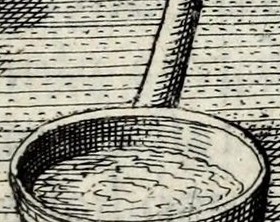
Where a thing is taken apart rather than destroyed. Note whether the figure is in the water, on it, or pouring it.
In plain words A tub of water stands on the floor. The potter's whole skill, Maier says, is to let the wet temper the dry without drowning it: let the water not overcome the earth, nor the earth the water. The tub is one half of that balance.
Michael Maier, 1618 “Sic quoque tu facies exemplo doctior isto, / Terram aqua ne superet, nec superetur humo.”
Symbolica Maier's Latin, put into English here: So you too will work, made wiser by this example: let the water not overcome the earth, nor be overcome by it.
Also carrying the Vessel
32 works carry it. The 6 where it is the central motif are here. The symbol.
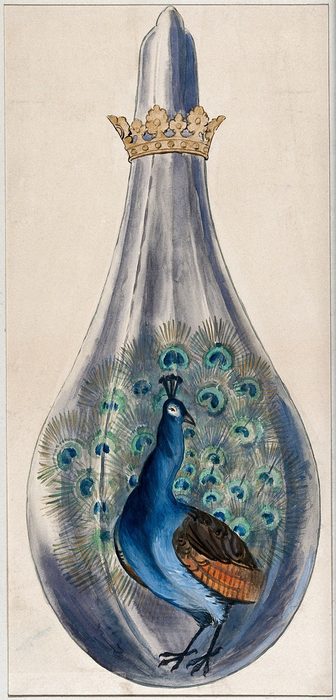
Where the detail is the subject
This is in the picture without being what it is about. Below, one work that is about it.
In the same series
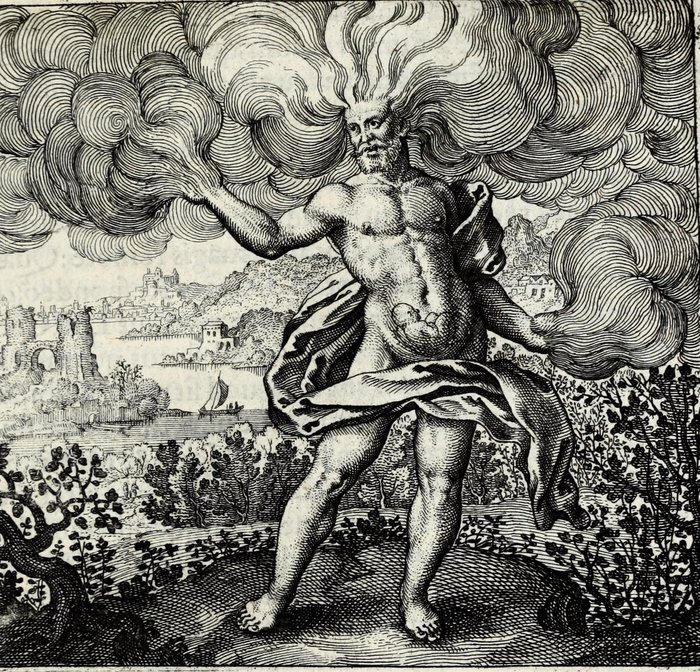 Portavit eum ventus in ventre suo
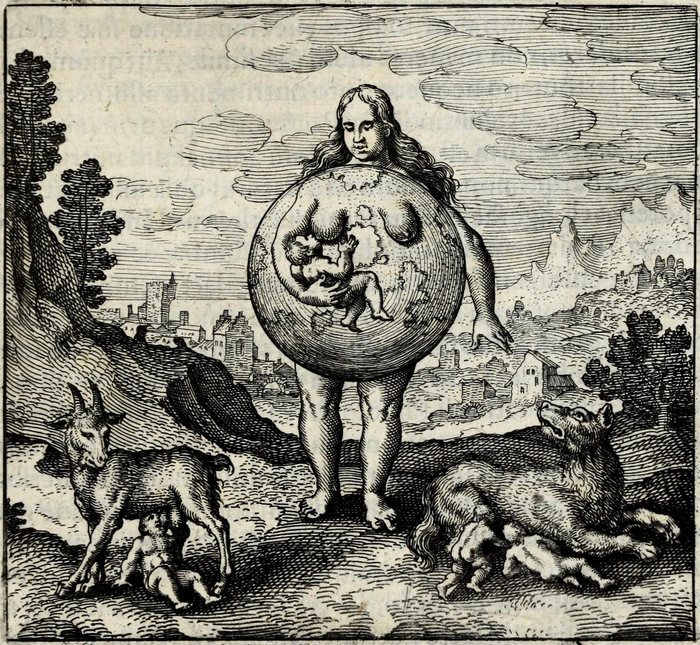 Nutrix ejus terra est
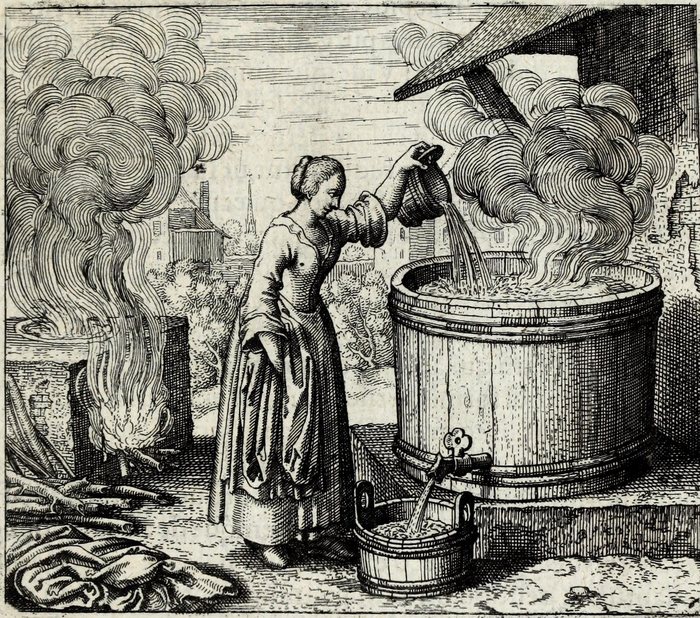 Vade ad mulierem lavantem pannos, tu fac similiter
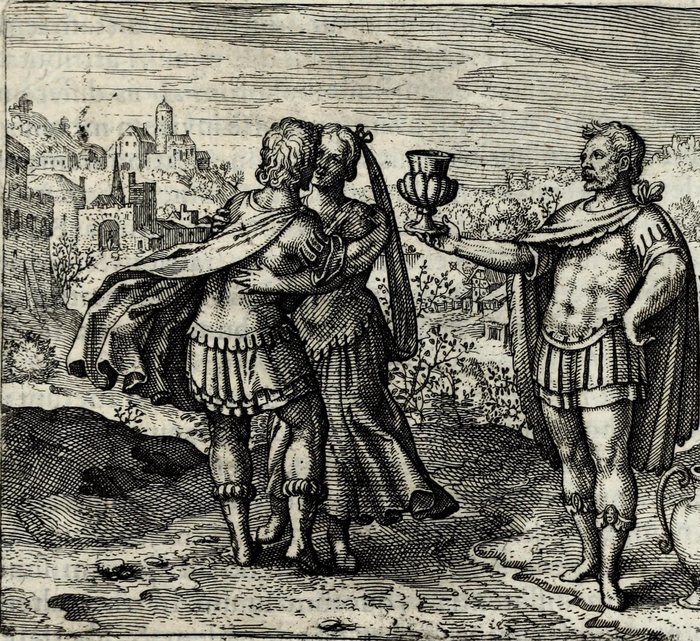 Conjunge fratrem cum sorore & propina illis poculum amoris
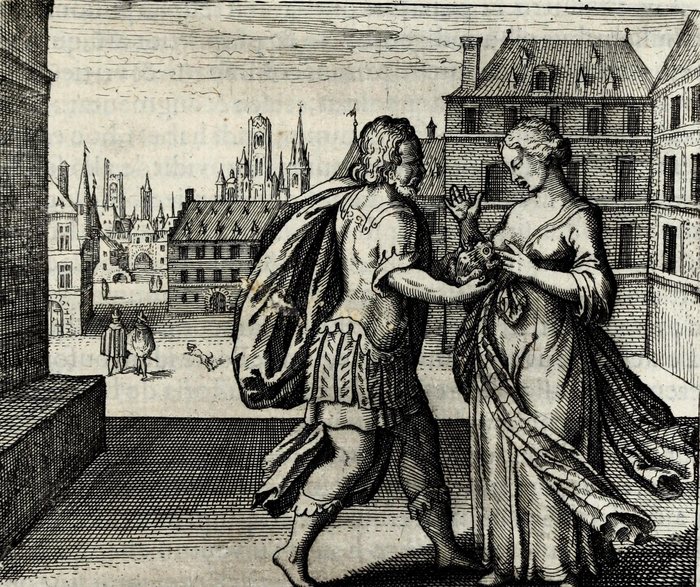 Appone mulieri super mammas bufonem, ut ablactet eum, & moriatur mulier, sitque bufo grossus de lacte
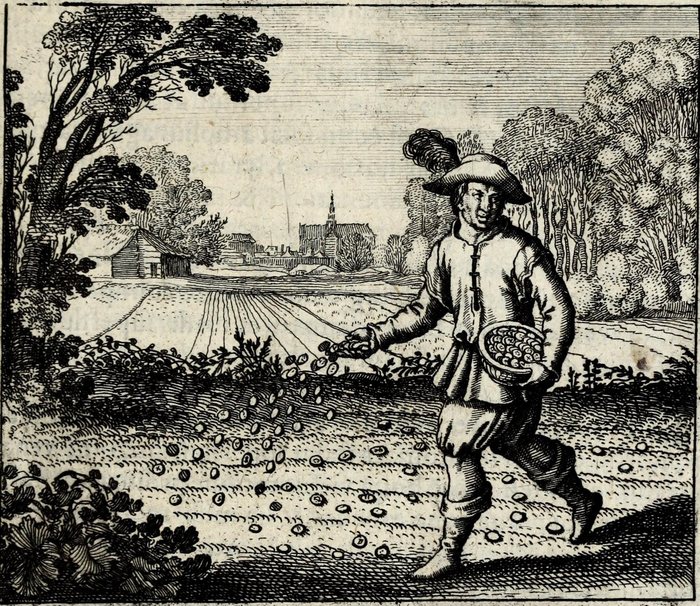 Seminate aurum vestrum in terram albam foliatam
Record
One symbol a week, decoded.
This picture is free at full size from its source, linked above. What an address gets is the Sunday letter: one picture, one symbol marked on it, what it meant and who said so, and the master files of the decoded plates as they are verified. Leave any time.
Free, one letter a week, unsubscribe in one click. How the address is used.
Scroll or pinch to zoom · drag to move · double-tap for 1:1 · 1400 by 1237 pixel web copy; the source file is linked under Record